RSS

Pet-Friendly Home Buying: What to Look for in a Property

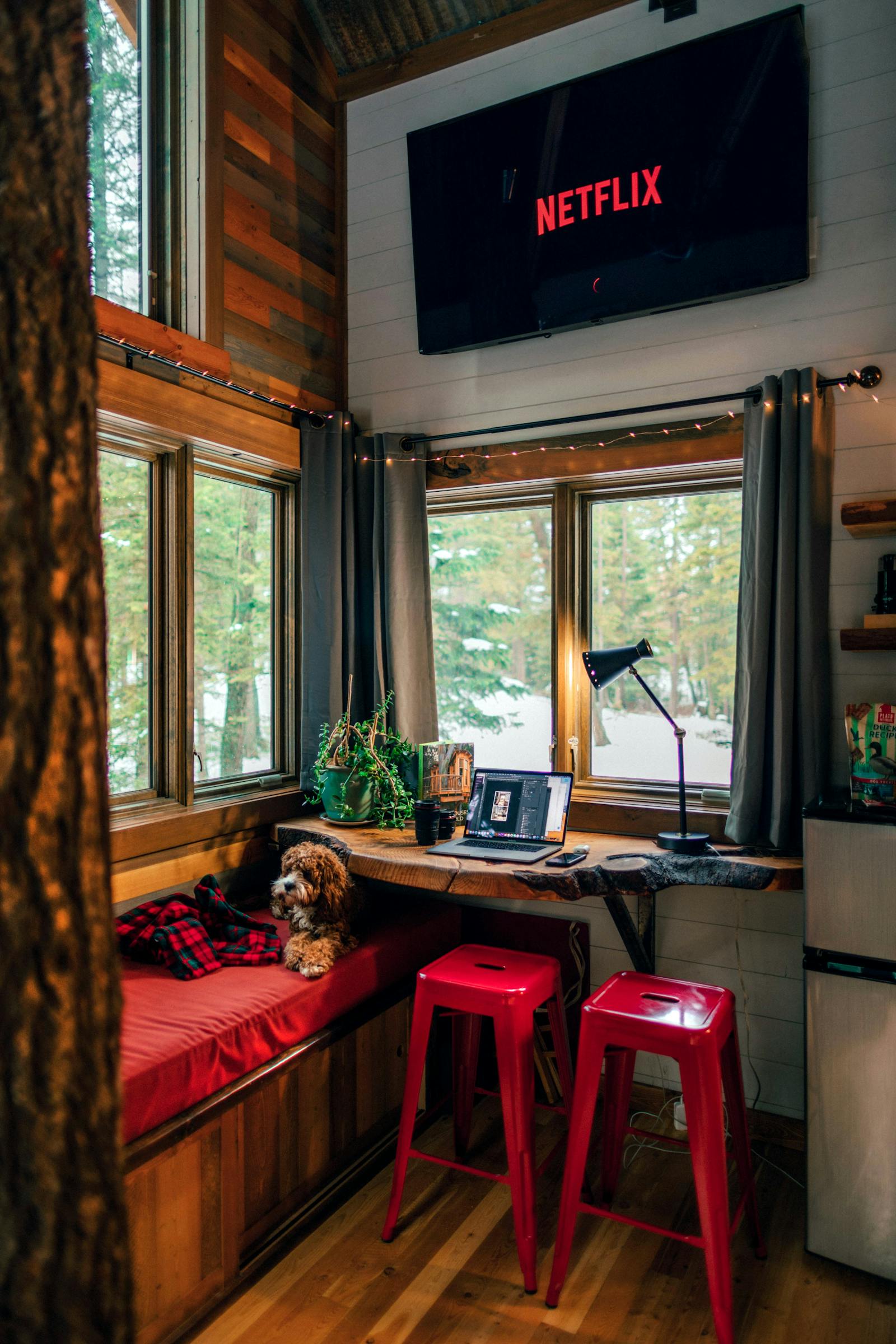
When you’re a pet owner, your furry friends are part of the family, and finding the perfect home means considering their needs as well. From spacious yards to nearby parks, there are several factors to consider when looking for a pet-friendly property. Here’s a guide to help you find a home that both you and your pets will love.

1. Fenced Yard for Outdoor Play

One of the most important features to look for in a pet-friendly home is a fenced yard. A secure, enclosed outdoor space allows your pets to play, exercise, and enjoy fresh air safely. Here are some things to consider:

  • Yard Size: The size of the yard should match the needs of your pet. Large dogs may require more space to run and play, while smaller pets may be content with a smaller area.

  • Fence Height and Security: Ensure the fence is tall enough to prevent your pet from jumping over and sturdy enough to withstand any attempts to dig under or push through.

2. Pet-Friendly Flooring

When you’re a pet owner, flooring becomes a crucial factor in home buying. You’ll want something that’s durable, easy to clean, and resistant to scratches and stains. Some ideal options include:

  • Tile and Laminate: These materials are both pet-friendly and easy to clean, making them great choices for households with pets.

  • Hardwood with a Durable Finish: While some types of hardwood can scratch easily, choosing a durable finish can help minimize damage from claws.

  • Pet-Proof Carpeting: If you prefer carpet, look for pet-friendly options that are stain-resistant and designed to withstand heavy use.

3. Proximity to Pet Amenities

Consider the location of your potential new home in relation to pet amenities, such as:

  • Nearby Parks and Trails: Access to parks, trails, and dog-friendly walking paths can provide a great outlet for exercise and socialization.

  • Pet Services: Check for nearby veterinary clinics, grooming salons, pet stores, and doggy daycares that can make caring for your pet more convenient.

4. Pet-Friendly HOA or Community Rules

If you’re considering a property within a homeowners’ association (HOA) or a condo community, it’s important to review their rules regarding pets:

  • Pet Policies: Some HOAs and communities have restrictions on the number, size, or breed of pets allowed. Make sure the community’s pet policies align with your needs.

  • Pet Facilities: Some communities offer pet-friendly amenities like dog parks, pet waste stations, and designated pet areas, which can enhance your pet’s living experience.

5. Adequate Indoor Space

The layout and size of the indoor living space should also be pet-friendly:

  • Open Floor Plan: An open floor plan provides more room for your pet to move around, play, and feel part of the household.

  • Pet-Safe Zones: Look for a home with space to create pet-safe zones, such as a mudroom for cleaning muddy paws or a designated area for a pet bed and toys.

  • Window Views: Pets, especially cats, love to watch the world go by. Homes with large windows that offer views of the outdoors can keep your pets entertained and happy.

6. Easy Access for All Ages and Sizes

Accessibility is important, especially if you have senior pets or pets with mobility issues:

  • Single-Level Homes: A single-story home or one with minimal stairs is ideal for older pets who may struggle with climbing stairs.

  • Pet Doors: Consider whether the home can accommodate a pet door, allowing your pets to go outside freely when needed.

7. Consideration of the Surrounding Environment

The environment surrounding your new home can greatly impact your pet’s well-being:

  • Safe Neighborhood: Ensure the neighborhood is safe for walking your pets, with well-maintained sidewalks and low traffic.

  • Wildlife and Hazards: Be aware of any local wildlife or potential hazards that could pose a risk to your pets, such as busy roads or poisonous plants.

8. Space for Pet Supplies and Storage

Pets come with a lot of gear, from food and toys to leashes and grooming supplies. Make sure your new home has enough storage space:

  • Pantry or Storage Closets: Look for homes with adequate storage for pet food and supplies, keeping them organized and out of the way.

  • Garage or Mudroom: A garage or mudroom can serve as a great place to store larger items like crates, carriers, and outdoor gear.

9. Friendly Neighbors

Lastly, consider the neighborhood’s attitude toward pets:

  • Pet-Friendly Community: A community where pets are welcome can make life easier and more enjoyable for you and your pets. Look for neighborhoods where you see people walking dogs, and consider talking to potential neighbors about their experiences.

Conclusion

When buying a home as a pet owner, your pet’s needs should be a top priority. By considering factors like a secure yard, pet-friendly flooring, and proximity to amenities, you can find a home that provides a comfortable and safe environment for your furry family members. Remember, a happy pet makes for a happy home, so take the time to find a property that meets the needs of both you and your pets.

Read

Renting vs. Buying: Weighing the Pros and Cons of Your Next Move

Deciding whether to rent or buy a home is one of the most significant financial decisions you’ll face. Both options have their advantages and disadvantages, and the right choice depends on your personal circumstances, financial situation, and long-term goals. In this post, we’ll explore the key pros and cons of renting and buying to help you make an informed decision.

The Pros of Renting

  1. Flexibility and Mobility

    • Freedom to Move: Renting offers greater flexibility, allowing you to relocate easily if your job, lifestyle, or personal circumstances change. You’re not tied down by a mortgage, and moving is as simple as giving notice to your landlord.

    • No Long-Term Commitment: Renting doesn’t require the long-term commitment that buying does. This makes it an attractive option for people who might not be ready to settle down in one place.

  2. Lower Upfront Costs

    • No Down Payment: One of the biggest advantages of renting is that you don’t need a large down payment. Most landlords require a security deposit and the first month’s rent, which is significantly less than the down payment required to purchase a home.

    • Lower Financial Responsibility: As a renter, you’re not responsible for property taxes, home maintenance, or major repairs. This can result in significant cost savings and fewer financial responsibilities.

  3. Access to Amenities

    • Luxury Amenities: Many rental properties, especially in apartment complexes, offer access to amenities such as pools, gyms, and community spaces without the added costs of ownership.

    • Included Utilities: Some rentals include utilities like water, gas, or internet in the rent, which can make budgeting easier and reduce your monthly expenses.

The Cons of Renting

  1. No Equity Building

    • Renting is Not an Investment: When you rent, your monthly payments go to your landlord, and you don’t build any equity. Over time, this can be seen as “throwing money away” compared to building wealth through homeownership.

  2. Limited Control Over Your Living Space

    • Restrictions on Customization: As a renter, you have limited ability to make changes to your living space. Most landlords don’t allow significant modifications, such as painting walls or renovating rooms, which can limit your ability to personalize your home.

    • Potential Rent Increases: Renters are subject to rent increases at the end of each lease term, which can make it challenging to predict future housing costs and budget accordingly.

  3. Less Stability

    • Eviction Risk: Renters face the risk of eviction if the landlord decides to sell the property, convert it to a different use, or simply not renew the lease. This can lead to unexpected moves and disruptions in your life.

    • No Long-Term Security: Unlike homeowners, renters don’t benefit from long-term security in their living situation, as leases are typically renewed annually.

The Pros of Buying

  1. Equity and Wealth Building

    • Investment Potential: Buying a home allows you to build equity over time. As you pay down your mortgage, you increase your ownership stake in the property, which can appreciate in value, building wealth for the future.

    • Tax Benefits: Homeowners may qualify for tax deductions, such as mortgage interest and property tax deductions, which can lower your overall tax burden.

  2. Stability and Security

    • Stable Housing Costs: With a fixed-rate mortgage, your monthly payments remain the same over the life of the loan, providing stability in your housing costs. This is in contrast to rent, which can increase over time.

    • Long-Term Security: Homeownership provides a sense of permanence and stability, as you’re not subject to lease renewals or potential eviction.

  3. Creative Freedom

    • Personalization: When you own your home, you have the freedom to renovate, decorate, and modify your space to your liking without needing permission from a landlord.

    • Pride of Ownership: Owning a home can provide a sense of pride and accomplishment, as well as a deeper connection to your community.

The Cons of Buying

  1. High Upfront Costs

    • Down Payment and Closing Costs: Buying a home requires a significant upfront investment, including a down payment (typically 5% to 20% of the home’s purchase price) and closing costs, which can add up to several thousand dollars.

    • Ongoing Maintenance Costs: As a homeowner, you’re responsible for all maintenance and repairs, which can be costly and time-consuming.

  2. Market Risk

    • Property Value Fluctuations: The value of your home can fluctuate based on the real estate market, which means there’s a risk that your home could decrease in value, particularly in the short term.

    • Economic Uncertainty: Economic downturns or changes in interest rates can affect your ability to make mortgage payments or refinance your loan, potentially leading to financial strain.

  3. Less Flexibility

    • Long-Term Commitment: Buying a home is a long-term financial commitment, and selling a home can be a complex and time-consuming process. If your job or life circumstances change, moving may not be as simple as it would be for a renter.

    • Potential for Mortgage Stress: If your financial situation changes, such as a job loss or unexpected expenses, it can be challenging to keep up with mortgage payments, leading to financial stress or even foreclosure.

Conclusion

Deciding between renting and buying depends on your current lifestyle, financial situation, and future plans. Renting offers flexibility, lower upfront costs, and fewer responsibilities, making it ideal for those who value mobility or are not ready for the long-term commitment of homeownership. On the other hand, buying a home provides stability, the opportunity to build equity, and the freedom to make your living space truly your own.

Consider your priorities, financial health, and long-term goals when making your decision. Whether you choose to rent or buy, being informed about the pros and cons of each option will help you make the best choice for your unique situation.

Read

Decoding Real Estate Jargon: A Guide to Common Terms and What They Mean

If you’re new to the real estate market, the industry’s jargon can sometimes feel like a foreign language. From acronyms to technical terms, understanding real estate terminology is essential for making informed decisions whether you’re buying, selling, or investing in property. This guide breaks down common real estate jargon so you can navigate the process with confidence.

1. Appraisal

An appraisal is an evaluation of a property’s market value, conducted by a licensed appraiser. This assessment is based on factors such as the home’s condition, location, and recent sales of similar properties in the area. Lenders use appraisals to determine the amount they’re willing to lend for a mortgage.

Why It Matters: A low appraisal can affect your ability to secure financing, or it may require renegotiating the purchase price with the seller.

2. Closing Costs

Closing costs are the fees and expenses that buyers and sellers must pay at the closing of a real estate transaction. These costs can include loan origination fees, title insurance, attorney fees, appraisal fees, and more. They typically range from 2% to 5% of the home’s purchase price.

Why It Matters: Understanding closing costs helps you budget more accurately for your home purchase. Some costs may be negotiable, so it’s important to review them carefully.

3. Contingency

A contingency is a condition that must be met for a real estate contract to become binding. Common contingencies include home inspections, appraisals, and financing approval. If a contingency is not met, the buyer or seller may have the option to back out of the contract without penalty.

Why It Matters: Contingencies protect both buyers and sellers by ensuring that certain conditions are satisfied before the sale is finalized.

4. Earnest Money

Earnest money is a deposit made by a buyer to show their serious intent to purchase a property. This money is typically held in escrow and applied to the purchase price at closing. If the deal falls through due to the buyer’s fault, the seller may keep the earnest money.

Why It Matters: Earnest money is a sign of good faith and can strengthen your offer in a competitive market.

5. Escrow

Escrow is a neutral third party that holds funds or documents during a real estate transaction until all conditions of the sale are met. Once everything is in order, the escrow agent releases the funds to the appropriate parties and facilitates the closing process.

Why It Matters: Escrow ensures that both buyers and sellers fulfill their contractual obligations before money and property change hands.

6. Fixed-Rate vs. Adjustable-Rate Mortgage (ARM)

A fixed-rate mortgage has an interest rate that remains the same for the life of the loan, resulting in consistent monthly payments. An adjustable-rate mortgage (ARM), on the other hand, has an interest rate that can change periodically based on market conditions.

Why It Matters: Understanding the difference helps you choose the right mortgage type based on your financial situation and long-term plans.

7. Home Inspection

A home inspection is an examination of a property’s condition, usually conducted by a certified inspector. The inspection covers essential aspects of the home, such as the roof, foundation, plumbing, electrical systems, and more.

Why It Matters: A home inspection can reveal potential issues with the property that may need to be addressed before the sale is finalized, or it could be grounds for renegotiating the purchase price.

8. MLS (Multiple Listing Service)

The Multiple Listing Service (MLS) is a database used by real estate agents to list properties for sale. It provides comprehensive information about available properties, including photos, descriptions, and details about the neighborhood.

Why It Matters: Access to the MLS gives buyers a wide range of property options, while sellers benefit from increased exposure.

9. Pre-Approval vs. Pre-Qualification

Pre-qualification is an informal process where a lender estimates how much you might be able to borrow based on basic financial information you provide. Pre-approval, on the other hand, is a more formal process where the lender reviews your credit, income, and assets to determine the exact loan amount you’re approved for.

Why It Matters: A pre-approval carries more weight than a pre-qualification when making an offer on a home, as it shows sellers that you’re a serious buyer with financing in place.

10. Title Insurance

Title insurance protects buyers and lenders from financial losses due to defects in the title, such as liens, encumbrances, or ownership disputes. There are two types: lender’s title insurance (required by the lender) and owner’s title insurance (optional but recommended).

Why It Matters: Title insurance ensures that you have clear ownership of the property and protects you from legal claims that could arise after the purchase.

11. Underwriting

Underwriting is the process a lender uses to assess the risk of offering a mortgage loan. During underwriting, the lender reviews your credit history, income, assets, and other financial information to determine if you qualify for the loan and what terms to offer.

Why It Matters: The underwriting process can affect the approval of your mortgage and the interest rate you receive.

12. Amortization

Amortization is the process of gradually paying off a mortgage over time through regular payments that cover both principal and interest. An amortization schedule breaks down each payment, showing how much goes toward interest and how much goes toward reducing the principal balance.

Why It Matters: Understanding amortization helps you see how your payments impact your loan balance over time and how you can save on interest by making extra payments.

Conclusion

Real estate jargon can be confusing, but having a solid grasp of these common terms can make the buying or selling process much smoother. Whether you’re entering the market for the first time or simply looking to brush up on your knowledge, understanding the language of real estate empowers you to make confident decisions. The more familiar you are with these terms, the better equipped you’ll be to navigate your real estate journey.


By decoding the jargon, you can approach your real estate transactions with greater clarity and confidence. Remember, knowledge is power—especially in real estate!

Read

🔔 Important Update: Bank of Canada Lowers Policy Rate Again

The Bank of Canada today reduced its target for the overnight rate to 4¼%, with the Bank Rate at 4½% and the deposit rate at 4¼%. The Bank is continuing its policy of balance sheet normalization.

The global economy expanded by about 2½% in the second quarter, consistent with projections in the Bank’s July Monetary Policy Report (MPR). In the United States, economic growth was stronger than expected, led by consumption, but the labour market has slowed. Euro-area growth has been boosted by tourism and other services, while manufacturing has been soft. Inflation in both regions continues to moderate. In China, weak domestic demand weighed on economic growth. Global financial conditions have eased further since July, with declines in bond yields. The Canadian dollar has appreciated modestly, largely reflecting a lower US dollar. Oil prices are lower than assumed in the July MPR. 

In Canada, the economy grew by 2.1% in the second quarter, led by government spending and business investment. This was slightly stronger than forecast in July, but preliminary indicators suggest that economic activity was soft through June and July. The labour market continues to slow, with little change in employment in recent months. Wage growth, however, remains elevated relative to productivity.

As expected, inflation slowed further to 2.5% in July. The Bank’s preferred measures of core inflation averaged around 2 ½% and the share of components of the consumer price index growing above 3% is roughly at its historical norm. High shelter price inflation is still the biggest contributor to total inflation but is starting to slow. Inflation also remains elevated in some other services.

With continued easing in broad inflationary pressures, Governing Council decided to reduce the policy interest rate by a further 25 basis points. Excess supply in the economy continues to put downward pressure on inflation, while price increases in shelter and some other services are holding inflation up. Governing Council is carefully assessing these opposing forces on inflation. Monetary policy decisions will be guided by incoming information and our assessment of their implications for the inflation outlook. The Bank remains resolute in its commitment to restoring price stability for Canadians.

Information note

The next scheduled date for announcing the overnight rate target is October 23, 2024. The Bank will publish its next full outlook for the economy and inflation, including risks to the projection, in the MPR at the same time.

Read

Mortgage and Financing Tips: How to Secure the Best Deal for Your Home

Buying a home is one of the most significant financial decisions you'll make, and securing the right mortgage is a crucial part of the process. With so many options and terms to consider, navigating the world of mortgage financing can be overwhelming. To help you make informed decisions and secure the best deal for your home, here are some essential mortgage and financing tips.

1. Understand Your Credit Score

Your credit score plays a pivotal role in determining the mortgage rates and terms you’ll be offered. Here’s why it matters:

  • Credit Score Impact: A higher credit score typically qualifies you for lower interest rates, saving you thousands of dollars over the life of the loan. On the other hand, a lower score can result in higher rates or even difficulty securing a mortgage.

  • Check Your Credit Report: Before applying for a mortgage, check your credit report for any errors or discrepancies that could affect your score. Dispute any inaccuracies and work on improving your credit if needed.

  • Improve Your Credit: To boost your credit score, pay down existing debts, avoid taking on new credit, and make sure all bills are paid on time. A better score can open doors to better financing options.

2. Determine Your Budget

Understanding how much you can afford to borrow is essential before you start house hunting:

  • Calculate Your DTI Ratio: Lenders typically look at your debt-to-income (DTI) ratio to determine how much you can afford. Your DTI ratio is calculated by dividing your monthly debt payments by your gross monthly income. Most lenders prefer a DTI ratio of 36% or lower.

  • Consider Additional Costs: Remember that your mortgage payment isn’t the only cost of homeownership. Factor in property taxes, homeowner’s insurance, private mortgage insurance (PMI), and maintenance costs when determining your budget.

  • Get Pre-Approved: A mortgage pre-approval gives you a clear picture of what you can afford and shows sellers that you’re a serious buyer. It also helps you move quickly when you find the right home.

3. Shop Around for the Best Rates

Mortgage rates can vary significantly from one lender to another, so it’s essential to shop around:

  • Compare Multiple Lenders: Get quotes from multiple lenders, including banks, credit unions, and online lenders. Compare interest rates, loan terms, and fees to find the best deal.

  • Understand Rate Locks: Mortgage rates can fluctuate, so consider locking in your rate if you believe rates may rise before you close. A rate lock ensures that your interest rate won’t change during the lock period, which is typically 30 to 60 days.

  • Negotiate Terms: Don’t be afraid to negotiate with lenders. Ask about discounts, closing cost credits, or a lower interest rate. Even a small reduction in your rate can lead to significant savings over time.

4. Choose the Right Mortgage Type

There are various types of mortgages available, and selecting the right one depends on your financial situation and long-term goals:

  • Fixed-Rate vs. Adjustable-Rate Mortgages (ARMs): A fixed-rate mortgage offers predictable payments with a constant interest rate, making it a good choice if you plan to stay in your home for many years. An ARM, on the other hand, has a lower initial rate that can change after a set period. ARMs can be a good option if you plan to sell or refinance before the rate adjusts.

  • Government-Backed Loans: If you’re a first-time homebuyer, a veteran, or have limited funds for a down payment, consider government-backed loans like FHA, VA, or USDA loans. These loans often have lower down payment requirements and more flexible credit guidelines.

  • Jumbo Loans: If you’re purchasing a high-value property, you may need a jumbo loan, which exceeds the conforming loan limits set by Fannie Mae and Freddie Mac. Jumbo loans typically have stricter credit and income requirements.

5. Save for a Down Payment

A substantial down payment can help you secure better mortgage terms and reduce your overall loan amount:

  • Aim for 20% Down: While many lenders offer loans with lower down payments, aiming for 20% can help you avoid private mortgage insurance (PMI), which is an additional cost that protects the lender if you default on the loan.

  • Down Payment Assistance: If saving for a large down payment is challenging, explore down payment assistance programs, especially if you’re a first-time homebuyer. These programs can offer grants, low-interest loans, or deferred-payment loans to help you with the down payment.

  • Consider a Larger Down Payment: If you can afford to put down more than 20%, doing so can lower your monthly mortgage payments and reduce the total interest paid over the life of the loan.

6. Be Aware of Closing Costs

Closing costs are an essential part of the home-buying process, and they can add up quickly:

  • What Are Closing Costs?: Closing costs typically range from 2% to 5% of the home’s purchase price and include fees for the loan application, appraisal, title search, and more.

  • Request a Loan Estimate: Lenders are required to provide a Loan Estimate form, which details your estimated closing costs. Review this carefully to understand all the fees involved.

  • Negotiate Closing Costs: Some closing costs are negotiable, so don’t hesitate to ask the seller to cover certain costs or shop around for services like title insurance and home inspections to get better rates.

7. Plan for the Long Term

When choosing a mortgage, consider your long-term financial goals and how they align with your mortgage terms:

  • Think About Your Future Plans: Consider how long you plan to stay in the home. If you’re planning to move in a few years, an ARM or a shorter loan term might be more beneficial. If you plan to stay long-term, a fixed-rate mortgage could offer stability.

  • Extra Payments: If your budget allows, consider making extra payments toward your principal. This can help you pay off your mortgage faster and reduce the total interest paid.

  • Refinancing Options: Keep an eye on mortgage rates even after you’ve closed on your home. If rates drop significantly, refinancing your mortgage could help you lower your monthly payment or shorten your loan term.

Conclusion

Securing the right mortgage is a crucial step in the home-buying process, and understanding your options can help you make the best financial decisions. By knowing your credit score, shopping around for rates, and choosing the right mortgage type, you can ensure that you’re getting the best deal for your home. Remember, a well-planned mortgage strategy not only makes homeownership more affordable but also sets you up for long-term financial success.


With these tips in mind, you’ll be well-equipped to navigate the mortgage process and secure the financing that best meets your needs. Happy house hunting!

Read

Embracing Green and Sustainable Living: A Guide to Eco-Friendly Homes

In today’s world, green and sustainable living is more than just a trend—it’s a movement toward a healthier planet and a more conscious way of life. Whether you’re looking to reduce your environmental footprint or simply want to create a more energy-efficient home, adopting sustainable practices is a step in the right direction. Here’s how you can embrace green and sustainable living in your home and make a positive impact on the environment.

1. Energy Efficiency: Save Energy, Save Money

Improving your home’s energy efficiency is one of the most impactful ways to live sustainably. Here are some tips to get started:

  • Upgrade to Energy-Efficient Appliances: Replace old appliances with Energy Star-rated models that use less electricity and water. This includes everything from refrigerators and dishwashers to washing machines and water heaters.

  • Install LED Lighting: LED bulbs use up to 80% less energy than traditional incandescent bulbs and last much longer. Consider installing dimmer switches and motion sensors to further reduce energy use.

  • Improve Insulation: Proper insulation in your walls, attic, and floors can significantly reduce heating and cooling costs. Seal gaps and cracks around windows and doors to prevent drafts and maintain a comfortable indoor temperature.

  • Use a Programmable Thermostat: A programmable thermostat allows you to set your heating and cooling systems to operate only when needed, reducing energy waste. Smart thermostats can even learn your schedule and adjust settings automatically.

2. Water Conservation: Reduce Your Water Usage

Water is a precious resource, and conserving it is crucial for sustainable living. Here’s how you can reduce your water usage:

  • Install Low-Flow Fixtures: Low-flow showerheads, faucets, and toilets use less water without sacrificing performance. These fixtures can help you save gallons of water every day.

  • Fix Leaks Promptly: A dripping faucet or leaky toilet can waste a significant amount of water over time. Repair any leaks as soon as you notice them to prevent water waste.

  • Use Rainwater Harvesting: Install a rain barrel to collect rainwater from your roof. This water can be used for gardening, lawn care, and other outdoor needs, reducing your reliance on municipal water.

  • Choose Native Plants: Landscaping with native plants that require less water and maintenance can help you conserve water and create a more sustainable garden.

3. Sustainable Materials: Choose Eco-Friendly Building Products

When renovating or building a home, opt for sustainable materials that are kinder to the environment:

  • Use Recycled and Reclaimed Materials: Recycled wood, metal, and glass, as well as reclaimed materials from old buildings, can add character to your home while reducing waste.

  • Opt for Sustainable Wood Products: Look for wood products certified by the Forest Stewardship Council (FSC), which ensures the wood is sourced from responsibly managed forests.

  • Choose Eco-Friendly Flooring: Bamboo, cork, and recycled hardwood are sustainable flooring options that are durable and stylish. These materials are renewable and have a lower environmental impact than traditional hardwood.

  • Consider Non-Toxic Paints and Finishes: Many conventional paints contain volatile organic compounds (VOCs) that can harm indoor air quality. Choose low-VOC or zero-VOC paints and finishes to create a healthier living environment.

4. Renewable Energy: Harness the Power of the Sun

Investing in renewable energy sources is a powerful way to reduce your carbon footprint and make your home more sustainable:

  • Install Solar Panels: Solar panels can generate clean, renewable energy to power your home. While the initial investment can be high, solar energy can significantly reduce your electricity bills over time and even allow you to sell excess energy back to the grid.

  • Explore Wind and Geothermal Energy: Depending on your location, wind turbines and geothermal systems may be viable options for generating renewable energy. These systems can provide heating, cooling, and electricity with minimal environmental impact.

  • Consider Solar Water Heating: Solar water heaters use the sun’s energy to heat water for your home, reducing the need for conventional water heaters that rely on fossil fuels.

5. Waste Reduction: Minimize Waste and Recycle

Reducing waste is an essential aspect of sustainable living. Here’s how to minimize waste in your home:

  • Compost Organic Waste: Composting kitchen scraps and yard waste reduces the amount of material sent to landfills and creates nutrient-rich compost for your garden.

  • Recycle Responsibly: Set up a recycling station in your home and make sure to recycle paper, plastic, glass, and metal according to local guidelines. Avoid single-use plastics and opt for reusable alternatives whenever possible.

  • Buy in Bulk: Purchasing products in bulk reduces packaging waste and often saves money. Use reusable containers for bulk items to eliminate the need for disposable packaging.

  • Repurpose and Upcycle: Before throwing away old items, consider whether they can be repurposed or upcycled into something new. Creative reuse can breathe new life into old furniture, clothing, and household items.

6. Indoor Air Quality: Breathe Cleaner Air

Maintaining good indoor air quality is essential for a healthy and sustainable home:

  • Use Natural Cleaning Products: Conventional cleaning products often contain harsh chemicals that can pollute indoor air. Switch to natural, non-toxic cleaners that are safe for you and the environment.

  • Increase Ventilation: Proper ventilation helps remove indoor air pollutants and reduces humidity levels, which can prevent mold growth. Use exhaust fans in bathrooms and kitchens, and consider adding a whole-house ventilation system.

  • Add Houseplants: Houseplants like spider plants, peace lilies, and snake plants can improve indoor air quality by absorbing pollutants and releasing oxygen.

Conclusion

Embracing green and sustainable living is a rewarding journey that benefits both you and the planet. By making small changes in your home, you can reduce your environmental impact, save money on energy bills, and create a healthier living environment for your family. Whether you’re just starting or looking to deepen your commitment to sustainability, these tips will help you make your home a beacon of green living. Remember, every little effort counts toward a more sustainable future.


By incorporating these green and sustainable living practices into your home, you can enjoy the benefits of a more eco-friendly lifestyle while contributing to the well-being of our planet. Happy sustainable living!

Read

Open House. Open House on Sunday, August 25, 2024 2:00PM - 4:00PM

Please visit our Open House at 1404 111 CHAMPAGNE Avenue South in Ottawa. See details here

Open House on Sunday, August 25, 2024 2:00PM - 4:00PM

Welcome to SoHo Champagne! This stunning corner unit is flooded with natural light from wall-to-wall, floor-to-ceiling windows. Features include 9-foot ceilings, an open concept living/kitchen space with an eat-up island, high-end appliances, quartz countertops, and hardwood floors. The Birch model offers an optimal layout with a spacious living and bedroom area and premier finishes such as marble tile in the walk-in shower. The building offers concierge services, fitness room equipped with sauna, lounge which includes a library and demonstration kitchen, executive dining/boardroom, private screening room and an outdoor patio with barbecue. Situated in the prime location of Little Italy nearby; Dow’s Lake, the LRT Station, the Arboretum, Carleton University/University of Ottawa, and an array of bike paths, restaurants and cafes. 1 underground parking spot and storage locker is included. (id:2493)

Read

Open House.

Please visit our Open House at 1404 111 Champagne Avenue South in Ottawa. See details here

Welcome to SoHo Champagne! This stunning corner unit is flooded with natural light from wall-to-wall, floor-to-ceiling windows. Features include 9-foot ceilings, an open concept living/kitchen space with an eat-up island, high-end appliances, quartz countertops, and hardwood floors. The Birch model offers an optimal layout with a spacious living and bedroom area and premier finishes such as marble tile in the walk-in shower. The building offers concierge services, fitness room equipped with sauna, lounge which includes a library and demonstration kitchen, executive dining/boardroom, private screening room and an outdoor patio with barbecue. Situated in the prime location of Little Italy nearby; Dow’s Lake, the LRT Station, the Arboretum, Carleton University/University of Ottawa, and an array of bike paths, restaurants and cafes. 1 underground parking spot and storage locker is included.

Read

Understanding Foreclosures and Short Sales: What Homeowners and Buyers Need to Know

Navigating the world of real estate can be complex, especially when it comes to foreclosures and short sales. These terms often carry a negative connotation, but they can also present unique opportunities for both buyers and sellers. Whether you’re a homeowner facing financial difficulties or a buyer looking for a deal, understanding foreclosures and short sales is essential. Here’s a comprehensive guide to help you make informed decisions.

What is a Foreclosure?

A foreclosure occurs when a homeowner is unable to make mortgage payments, leading the lender to take legal action to recover the outstanding debt. The lender, typically a bank, seizes the property and sells it to recoup their losses. The foreclosure process can be lengthy and varies by state, but it generally involves several stages:

  1. Pre-Foreclosure: This is the initial stage where the homeowner has missed mortgage payments, and the lender sends a notice of default. The homeowner may still have an opportunity to catch up on payments and avoid foreclosure.

  2. Foreclosure Auction: If the homeowner cannot resolve the default, the property is put up for auction. Bidders can purchase the property, often at a discounted price.

  3. REO (Real Estate Owned): If the property doesn’t sell at auction, it becomes an REO property, owned by the lender. The lender will then list the property for sale, usually at a lower price to attract buyers.

What is a Short Sale?

A short sale occurs when a homeowner sells their property for less than the outstanding mortgage balance, with the lender’s approval. The homeowner may choose this option to avoid foreclosure, especially if the property’s market value has decreased. In a short sale, the lender agrees to accept a reduced payoff to release the mortgage lien, allowing the property to be sold.

Key Differences Between Foreclosures and Short Sales

  • Impact on Credit: Foreclosures have a more significant impact on the homeowner’s credit score than short sales. A foreclosure can stay on a credit report for up to seven years, while a short sale, although still damaging, is often viewed more favorably by lenders.

  • Homeowner Involvement: In a short sale, the homeowner is actively involved in the sale process, working with the lender to find a buyer. In a foreclosure, the lender takes control of the property and sells it without the homeowner’s involvement.

  • Time Frame: Foreclosures typically proceed faster than short sales, which can take several months to complete due to the need for lender approval.

  • Financial Outcome: In a foreclosure, the homeowner may be held liable for the remaining mortgage balance if the sale proceeds don’t cover the debt. In a short sale, lenders often forgive the remaining debt, although this depends on the agreement.

Pros and Cons for Homeowners

Pros of Foreclosure:

  • Relief from Debt: Foreclosure can relieve the burden of mortgage payments for homeowners who cannot afford them.

  • Time to Save: The foreclosure process can take several months, giving homeowners time to save money for future housing needs.

Cons of Foreclosure:

  • Credit Impact: Foreclosure severely damages the homeowner’s credit score, making it difficult to obtain new credit or a mortgage in the future.

  • Loss of Property: Homeowners lose their property and any equity they have built up.

Pros of Short Sale:

  • Credit Impact: A short sale is less damaging to credit than a foreclosure, allowing homeowners to recover financially more quickly.

  • Avoid Foreclosure: Short sales can prevent the legal and emotional stress of foreclosure.

Cons of Short Sale:

  • Lengthy Process: Short sales require lender approval and can take a long time to complete.

  • No Profit: Homeowners do not receive any proceeds from the sale, as the lender takes the money to pay off the mortgage.

Opportunities for Buyers

Pros of Buying a Foreclosure:

  • Discounted Prices: Foreclosed properties are often sold at lower prices, offering buyers the chance to purchase a home below market value.

  • Potential for Profit: Investors can potentially profit by purchasing a foreclosure, making improvements, and reselling the property at a higher price.

Cons of Buying a Foreclosure:

  • As-Is Condition: Foreclosed homes are typically sold “as-is,” meaning buyers may need to invest in repairs or renovations.

  • Competitive Market: Foreclosures can attract multiple buyers, leading to bidding wars and higher prices.

Pros of Buying a Short Sale:

  • Lower Prices: Short sales can offer lower prices than traditional sales, providing good value for buyers.

  • Less Competition: Short sales often attract fewer buyers than foreclosures, reducing the chances of bidding wars.

Cons of Buying a Short Sale:

  • Lengthy Process: The approval process for a short sale can be time-consuming, leading to delays in closing.

  • Uncertain Outcome: There’s no guarantee the lender will approve the short sale, which can be frustrating for buyers.

Conclusion

Foreclosures and short sales present both challenges and opportunities for homeowners and buyers alike. For homeowners facing financial difficulties, understanding these options can help you make informed decisions and potentially avoid the long-term consequences of foreclosure. For buyers, these properties can offer attractive deals, but it’s important to be aware of the risks and complexities involved.

Whether you’re considering a foreclosure, a short sale, or simply exploring your options, working with an experienced real estate agent can help you navigate the process with confidence. By understanding the ins and outs of these transactions, you can make the best decision for your financial future.


By understanding the nuances of foreclosures and short sales, you can better navigate the real estate market, whether you're buying or selling. Remember, knowledge is power when it comes to making informed decisions in real estate!

Read

Open House.

Please visit our Open House at 611 570 De Mazenod Avenue in Ottawa. See details here

Welcome to Greystone Terraces II! This rarely offered & spacious two-bedroom, two full-bath unit at 955 square feet, features high ceilings, stainless steel appliances, quartz countertops, hardwood flooring, open concept living space, and an in-unit laundry room! The primary bedroom features a walk-thru closet that leads to the 3 piece ensuite. The oversized, 258 square feet balcony can be accessed from the living space as well as the primary bedroom! One underground parking spot and one storage locker included!

Read

Open House. Open House on Sunday, August 18, 2024 2:00PM - 4:00PM

Please visit our Open House at 611 570 DE MAZENOD Avenue in Ottawa. See details here

Open House on Sunday, August 18, 2024 2:00PM - 4:00PM

Welcome to Greystone Terraces II! This rarely offered & spacious two-bedroom, two full-bath unit at 955 square feet, features high ceilings, stainless steel appliances, quartz countertops, hardwood flooring, open concept living space, and an in-unit laundry room! The primary bedroom features a walk-thru closet that leads to the 3 piece ensuite. The oversized, 258 square feet balcony can be accessed from the living space as well as the primary bedroom! One underground parking spot and one storage locker included! (id:2493)

Read

New property listed in Ottawa

I have listed a new property at 611 570 DE MAZENOD Avenue in Ottawa. See details here

Welcome to Greystone Terraces II! This rarely offered & spacious two-bedroom, two full-bath unit at 955 square feet, features high ceilings, stainless steel appliances, quartz countertops, hardwood flooring, open concept living space, and an in-unit laundry room! The primary bedroom features a walk-thru closet that leads to the 3 piece ensuite. The oversized, 258 square feet balcony can be accessed from the living space as well as the primary bedroom! One underground parking spot and one storage locker included! (id:2493)

Read
Categories:   $400k | $500k | $50k Savings | $600k | $700k | $800k | 105 Champagne Ave | 2026 | Activities | Advice | Affordable | AirBnB | Ajax | Algonquin College | All Four Seasons | All you can eat | Alta Vista | Another Province | Apartment | Arnprior | Arnprior Real Estate | August | Autumn | Available Programs | AYCE | Bakery | Bank of Canada Rate Announcement | Barrhaven | Barrhaven Downtown, Barrhaven - Strandherd Real Estate | Barrhaven East | Barrhaven West | Bayshore | Beacon Hill South | Beechwood Village | Beers | Best | Best Beer | Best Biking Paths | Best Cities To Live | Best Coffee Shops in Ottawa | Best IndianDesi Food | Best Local | Best Neighbourhoods | Best Patio | Best Schools | Best Study Spots | Best Taco Spots | Best Travel Destinations 2026 | Best Walking Paths | Bidding Wars | Bilingual | Boom City | Booming | Boring | Boundary Expansion | Brampton | Britannia Village | BRRRR Strategy | Bucket List | Budget | Budgeting | Build-to-Rent | Building | Bungalow | Burlington | Busing | Buyers Market | Buying | Byward Market | Byward Market, Lower Town Real Estate | Byward Market/Lower Town, Sandy Hill Real Estate | Cafe | Calgary | Canada Day | Cap Rates | Car-Free | Caribbean Food | Carleton Place | Carleton University | Carlington | Carlsbad Springs | Carp | Central 1 | Centretown | Centretown West | Centretown, Ottawa Centre Real Estate | CFB Rockcliffe and Area, Manor Park - Cardinal Glen and A Real Estate | CFB Rockcliffe and Area, Manor Park - Cardinal Glen Real Estate | Changing | Chapel Hill | Cheapest Places | Checklist | CHEO | Childcare | Chinatown | Christmas | Civc Hospital | Civic Hospital | Clients | Climate Goals | Closing Costs | Coffee Shop | Communities | Commuting | Compared | Condo Fees | Condos | Confluence Park | Convent Glen and Area, Orleans Real Estate | Cost of Living | Cottage | Country | Credit Score | Date Night | Day in the Life | Decoration | Detached Home | Divorce | Dog Friendly | Dow's Lake | Dow's Lake/Little Italy, Dow's Lake/Little Italy Real Estate | Dow's Lake/Little Italy, West Centre Town Real Estate | Dow's Lake/Little Italy/Civic Hospital and Area, West Centre Town Real Estate | Down Payment | Downsizing | Downtown | Dows Lake - Civic Hospital and Area (4502 - West Centre Town) Real Estate | Dows Lake/Little Italy, West Centre Town Real Estate | Drake | Driving | Duplex | East End | Eco-Friendly | Embrun | Expenses | Expensive | Fall | Family | Family Friendly | Farmer's Market | Fastest Growing Neighbourhoods | Ferrari | Final Walkthrough | Finance | Findlay Creek | Findlay Creek, Leitrim Real Estate | First Apartment | First-Time Buyer | Fitness Studio | Fixer-Upper | Flipping Homes | Food | For Sale | Foreclosure | Freehold | French-Friendly | Friends | Fun | Future | Gatineau | Glebe | Gloucester Glen | Golden Triangle | Good | Gotham | Government Worker | Greely | Growing | GTHA | Guide | Gym | Half Moon Bay | Half Moon Bay - Strandherd, Barrhaven Real Estate | Hamilton | Happy Hour | Heat | Heat Pump | Hidden Gems | Hiking Trails | Hintonburg | Hiring a real estate agent | Historic | History Ottawa | Holiday Spirit | Holidays | Home Business | Home Inspection | Home Office | Home Staging | Homes | Homes on the Canal | Housing Correction | How Much Income Is Needed? | How much is my Ottawa Home Worth? | How To Get Around The City | How to Stay Cool | HST Rebate | Hunt Club | Hurdman | Immigrants | Immigration | In-Person Showings | Income Needed | Infrastructure | Instagram | Interest Rates | International Student | Investing | Investment Property | Kanata | KBBQ | Kemptville | Korean BBQ | Land Transfer Tax (LTT) | Land Values | Landlords | Lawyer | Layout | Leads | Lease | Lebreton Flats | Legal Checklist | Life in Ottawa | Lifestyle | Listing | Little Italy | Living Alone | Living Along | Living Comfortable | Living Costs | Living In | Living in Ottawa | Local | Lowertown | Lowertown/Byward Market, Lowertown/Byward Market Real Estate | LRT | Luxury Homes | Luxury Living | Manotick | Market Advice | Market Data | Market Trends | Market Update | Mechanicsville | Meeting Clients | Mississauga | Mistakes | Mixed-Use | Montreal | Mortgage | Most | Most Overated | Mothers Day | Move | Move-In Ready | Moving | Moving From | Moving To | Multi-Family | Multi-Generational | Munster - Richmond, Stittsville Real Estate | Nature | Negotiation | Neighborhoods | Neighbourhoods | New Canadian | New Construction | New Edinburgh | New Immigrant | New Real Estate Agent | New Realtor | New Resident | New Venue | New-Builds | Newcomer | Next 5 Years | Night Life | North Gower | O-Train | Oakville | Old Ottawa East | Old Ottawa South | Old Ottawa West | Oldest | Open House | Orleans | Orleans South | Oshawa | Ottawa | Ottawa Centre, Centretown Real Estate | Ottawa East/Greystone Village, Ottawa East/Greystone Village Real Estate | Ottawa Population | Ottawa rea | Ottawa Real Estate | Ottawa River | Over Pricing | Overbrook | Parents | Parking | Parks | Parkwood Hills | Part-time Jobs | Patio Season | Peaceful | Pet-Friendly | Petrie Island | Photography | Pickering | Places | Playfair Park, Alta Vista Real Estate | Pre-Approval | Pre-Construction | Pre-List | Price Your Home | Privacy | Professionals | Property Tax | Pros & Cons | Protect Your Home | Public Transportation | Queensway Terrace | Questions | Quiet | Raising Kids | Real Estate Agent | Real Estate Broker | Real Estate Brokerage | Real Estate Lawyer | Red Flags | Regret | Relocation | Remote Workers | Renovate | Renovation | Rent vs. Buy | Rental | Renting | Resale | Restaurant | Retirement | Rideau | Rideau Canal | Rinks | Riverside South | Rockcliffe | Rockland | Rowhomes | Rural | Russell | Safe | Sandy Hill | Sandy Hill, Lower Town Real Estate | Save | Savings | Scenic Drives | Schools | Seasons | Secret | Seller | Selling | Shawarma | Shopping Mall | Single Family Home | Single Home | Skating | Smart Home | SOBA | Solo | Somerset | South Keys | Southvale | Space | Spring | Spring Market | St. Catherines | Starter | Stay | Still Worth It? | Stittsville | Stoney Creek | Stress-Test | Student Housing | Student Rentals | Students | Studying | Suburb | Successful Habits | Summer | Summer Hone | Sunsets | Surprise | Sushi | Switching | Team | Tenants | Thai Food | The Bowery | Things To Do | Thunderstorm | Time Management | Tips | To-Do | Top-Producing Realtor | Toronto | Touring | Townhomes | Townhouse | Transit | Transportation | Trends | Tribeca | Tunney's Pasture | University | University of Ottawa | Upgrades | Urban Living | Vacation Rental | Valentines Day | Vancouver | Vanier | Vars | Viewing | Virtual Tours | Vs. | Walkable | Walking | Walks | Wealth | Weekend Getaways | West End | Westboro | WFA | WFH | What $1,000m gets you | What $1.3M Gets You In Ottawa | What are we known for? | What does it get you? | What to do this weekend? | What to know | Where Do Students Live? | Where is Ottawa Building? | Which city is better to live in? | Which is better to live in? | Which is better? | Whitby | Wine | Wing Deals | Wing Night | Winter | Work From Home | Workforce Adjustment | Would You Live Here? | Zoning
The trademarks REALTOR®, REALTORS®, and the REALTOR® logo are controlled by The Canadian Real Estate Association (CREA) and identify real estate professionals who are member’s of CREA. The trademarks MLS®, Multiple Listing Service® and the associated logos are owned by CREA and identify the quality of services provided by real estate professionals who are members of CREA. Used under license.