
RSS

Understanding Ottawa Zoning Rules: What Homeowners, Buyers, and Investors Should Know

If you’re buying property, renovating a home, or considering real estate investment, Understanding Ottawa Zoning Rules is essential. Zoning regulations determine how land and buildings can be used throughout the city. These rules affect everything from building height and lot size to whether you can add a secondary dwelling or operate a business from home.

Whether you’re a homeowner planning renovations, a buyer exploring property options, or an investor evaluating development potential, understanding zoning in Ottawa can help you make informed decisions and avoid costly mistakes.


What Are Zoning Rules?

Zoning rules are regulations set by municipalities that control how land can be used in different areas of a city. In Ottawa, zoning laws are part of the city’s official planning framework and are designed to organize development in a way that supports safe, sustainable communities.

Zoning rules determine things like:

  • What type of buildings are allowed on a property

  • Maximum building height

  • Setbacks from property lines

  • Parking requirements

  • Whether businesses or rental units are permitted

These regulations help ensure that residential neighbourhoods remain compatible with surrounding uses and that development aligns with city planning goals.


Why Zoning Matters for Ottawa Home Buyers

For many buyers, zoning may not seem important at first. However, it can significantly affect how a property can be used both now and in the future.

Understanding zoning before purchasing a home can help you determine whether you can:

  • Add a basement apartment

  • Build a secondary dwelling unit

  • Expand or renovate the home

  • Operate a home-based business

  • Redevelop the property in the future

For investors and developers, zoning rules are especially important because they influence the potential value and use of a property.


Common Zoning Categories in Ottawa

Ottawa uses a variety of zoning classifications to regulate land use across the city. Each zone has specific rules that apply to properties within that area.

Residential Zones

Residential zones are the most common zoning type and are intended for housing.

Examples include:

  • Single-detached homes

  • Semi-detached homes

  • Townhouses

  • Low-rise apartment buildings

These zones regulate factors like building height, lot coverage, and density.


Commercial Zones

Commercial zones are designed for businesses and retail spaces.

Examples include:

  • Office buildings

  • Restaurants and cafés

  • Retail shops

  • Service-based businesses

These zones are typically located along major streets and commercial districts throughout Ottawa.


Mixed-Use Zones

Mixed-use zoning allows both residential and commercial uses within the same area or building.

You may find:

  • Apartments above retail stores

  • Residential units within commercial developments

  • Urban developments combining housing, offices, and shops

Mixed-use zones are common in areas such as downtown Ottawa and along major transit corridors.


Industrial Zones

Industrial zones are designated for manufacturing, warehouses, and other industrial activities.

These areas typically accommodate:

  • Production facilities

  • Storage warehouses

  • Distribution centres

  • Large-scale business operations

Industrial zones are usually located away from residential neighbourhoods to minimize noise and traffic impacts.


Secondary Dwelling Units and Ottawa Zoning

Secondary dwelling units (often called basement apartments or in-law suites) have become increasingly popular in Ottawa.

Many residential zones allow homeowners to add a secondary unit within their property, provided they meet specific requirements.

These requirements may include:

  • Minimum ceiling heights

  • Proper fire separation

  • Separate entrances

  • Adequate parking

  • Compliance with building codes

Adding a legal secondary unit can create rental income and increase the value of a property.


Zoning and Home Renovations

Before making significant renovations, it’s important to confirm that your plans comply with local zoning regulations.

For example, zoning rules may limit:

  • How large an addition can be

  • Where a garage or structure can be built

  • Maximum building height

  • Distance from property boundaries

Failing to follow zoning regulations could lead to permit issues or fines, so homeowners should always confirm requirements before beginning construction.


How Zoning Affects Real Estate Investment

For real estate investors, zoning rules play a critical role in evaluating opportunities.

Zoning determines whether investors can:

  • Convert single-family homes into multi-unit properties

  • Build duplexes or triplexes

  • Develop larger residential buildings

  • Operate short-term rental properties

Understanding zoning helps investors identify properties with strong development or income potential.


Ottawa’s Official Plan and Future Development

The City of Ottawa uses an Official Plan to guide long-term growth and development. This plan outlines how land should be used across the city and influences zoning decisions.

The plan focuses on:

  • Increasing housing supply

  • Supporting transit-oriented development

  • Encouraging mixed-use communities

  • Promoting sustainable urban growth

Areas near transit lines and major infrastructure projects may see zoning changes over time to accommodate new development.

For more detailed zoning information, you can visit the City of Ottawa website:
https://ottawa.ca


How to Check Zoning for a Property in Ottawa

If you want to confirm zoning for a specific property, there are several ways to do so.

You can:

  • Use the City of Ottawa’s online zoning map

  • Contact the municipal planning department

  • Review property documents during the buying process

  • Work with a knowledgeable real estate professional

Understanding zoning early in the process helps prevent surprises later.


Common Zoning Mistakes Buyers Make

Some buyers overlook zoning rules entirely, which can lead to challenges after purchasing a property.

Common mistakes include:

  • Assuming rental units are automatically allowed

  • Planning renovations without checking restrictions

  • Ignoring height or setback rules

  • Buying property expecting future redevelopment without confirmation

Taking time to review zoning regulations can help protect your investment.


Frequently Asked Questions

1. What is zoning in Ottawa?

Zoning refers to municipal regulations that control how land and buildings can be used within specific areas of the city.

2. Can zoning rules change?

Yes. The city may update zoning regulations as part of long-term planning and development initiatives.

3. Can I add a basement apartment in Ottawa?

Many residential zones allow secondary dwelling units, but they must meet building code and zoning requirements.

4. How do I find the zoning for my property?

You can check the City of Ottawa’s zoning map or consult a real estate professional or planning department.

5. Do zoning rules affect property value?

Yes. Zoning can influence property value by determining development potential and permitted uses.

6. Do I need a permit to renovate my home?

Most major renovations require permits to ensure compliance with zoning rules and building codes.


Final Thoughts

Understanding zoning regulations is an important part of property ownership and investment. Understanding Ottawa Zoning Rules helps buyers, homeowners, and investors make smarter decisions when purchasing, renovating, or developing real estate.

By learning how zoning affects land use, building restrictions, and future development potential, you can better evaluate opportunities in Ottawa’s growing real estate market.

Read

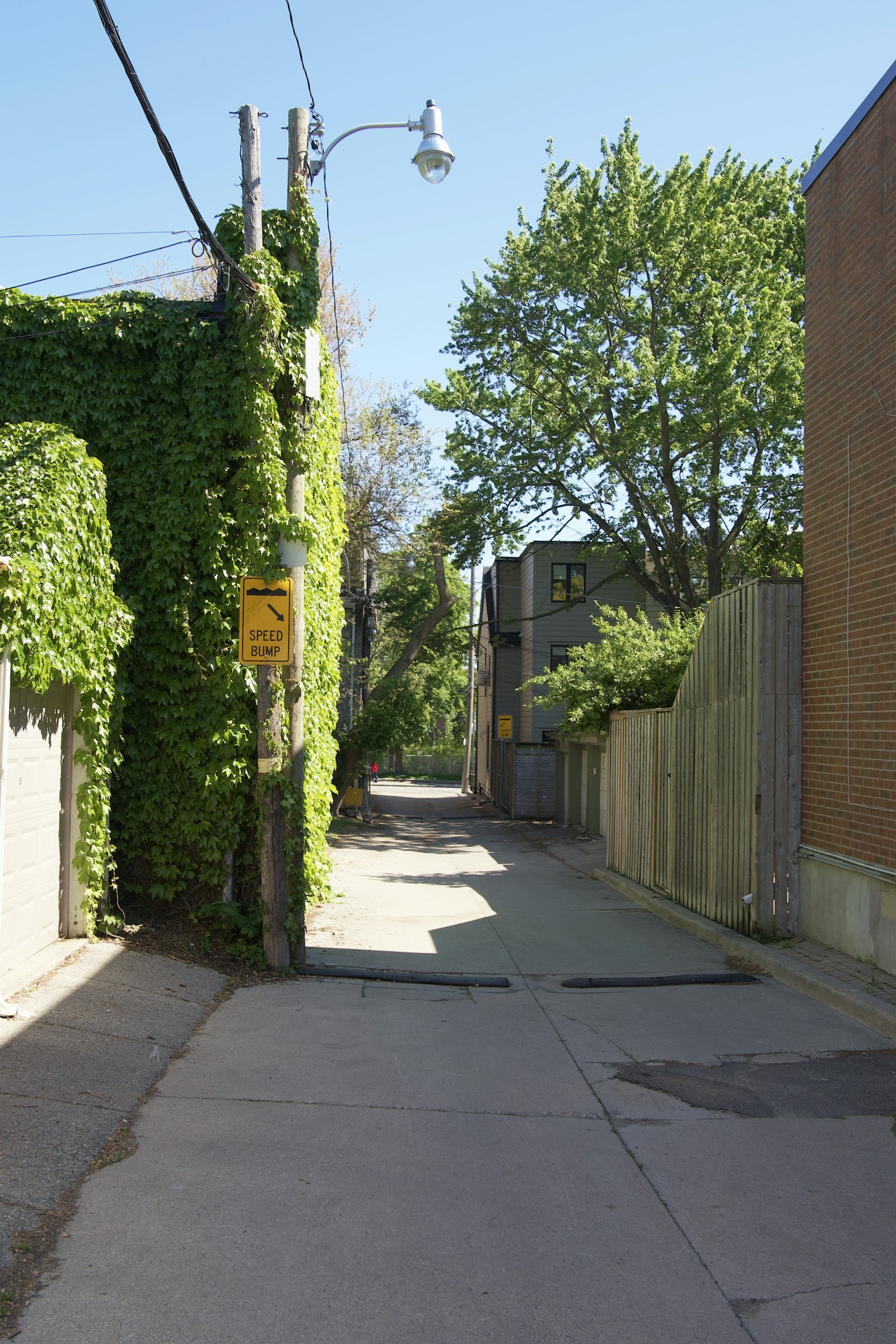
Laneway & Garden Suites in Ottawa: The Next Rental Opportunity in 2025?

As housing affordability challenges continue in Ottawa, laneway and garden suites are emerging as one of the city’s most promising solutions. These small, self-contained rental units—built in backyards or on laneways—are now possible thanks to recent zoning changes. For homeowners and investors, they represent a new way to generate rental income, increase property value, and support Ottawa’s growing housing demand.

So, what exactly are laneway and garden suites, and why are they becoming a hot topic in 2025? Let’s break it down.


1. What Are Laneway and Garden Suites?

  • Laneway Suites: Built on residential properties that back onto a laneway, these units typically replace a garage or occupy the rear portion of a lot.

  • Garden Suites: Detached, self-contained units located in the backyard of a primary residence, even without laneway access.

Both types are fully independent dwellings with kitchens, bathrooms, and private entrances. Think of them as small rental apartments—just in your yard.


2. Ottawa’s New Zoning Rules (2025 Update)

Ottawa has expanded its zoning bylaws to encourage more gentle density in existing neighborhoods. Here’s what’s allowed:

  • Eligibility: Most urban residential lots can now build a garden or laneway suite, subject to size and setback rules.

  • Maximum Size: Generally capped at around 40% of the backyard area or a set square footage limit (varies by lot).

  • Height Restrictions: Typically one to two stories, depending on neighborhood zoning.

  • Parking: Many areas no longer require additional parking spaces for these units, especially near transit.

  • Permits: Homeowners must apply for building permits and meet all safety and utility requirements.

This policy shift makes it easier than ever for homeowners to add a secondary dwelling unit (SDU) to their property.


3. Why Laneway & Garden Suites Appeal to Ottawa Investors

For landlords and investors, these units check a lot of boxes:

  • Rental Income Boost: Adding a suite can turn a single-family property into a duplex-style income property without subdivision.

  • High Demand Tenants: Perfect for students, young professionals, or downsizers seeking affordable rentals in established neighborhoods.

  • Future Resale Value: A property with an income-generating suite is instantly more attractive to future buyers.

  • Flexible Use: Rent it out, use it as a home office, or house extended family members.

💡 Example: A homeowner in Old Ottawa East could build a one-bedroom garden suite and rent it for $1,500–$2,000/month—all while keeping their main residence intact.


4. Cost of Building a Laneway or Garden Suite

While the opportunity is exciting, the upfront investment is significant.

  • Construction Costs: $200,000–$400,000 depending on size, finishes, and utility connections.

  • Permitting & Design Fees: Expect an additional $10,000–$20,000 for planning, permits, and architectural work.

  • Financing Options: Many owners use home equity loans or refinancing to cover the build.

Return on investment (ROI) depends on rental income vs. financing costs, but in many cases, suites can pay themselves off within 8–12 years.


5. Potential Challenges to Consider

Laneway and garden suites aren’t a guaranteed win. Here are some hurdles:

  • High Upfront Cost: Not every homeowner can access the funds to build.

  • Construction Delays: Permitting and contractor availability can stretch timelines.

  • Neighborhood Pushback: Some communities resist increased density, leading to appeals or restrictions.

  • Utility Hookups: Adding water, sewer, and hydro to a backyard unit can be more complex than expected.


6. Where in Ottawa Will These Work Best?

Laneway and garden suites are especially appealing in:

  • Established neighborhoods with large lots (e.g., Alta Vista, Westboro, Glebe Annex).

  • Transit-accessible areas near the LRT or bus corridors.

  • High-rent districts where secondary units generate strong monthly income.

As zoning continues to evolve, more suburban properties may also become eligible.


Final Thoughts: Is This the Next Big Rental Opportunity?

Laneway and garden suites won’t replace traditional rentals or condos, but they represent a new layer of opportunity in Ottawa’s housing market. For homeowners with the space and budget, they’re a way to:

  • Create additional income,

  • Increase property value, and

  • Help address Ottawa’s housing shortage.

In 2025, they’re less of a “niche experiment” and more of a mainstream rental strategy that’s here to stay.

Read
Categories:   $500k | $600k | $700k | $800k | 2026 | Activities | Advice | Affordable | AirBnB | Algonquin College | All Four Seasons | Alta Vista | Another Province | Apartment | Arnprior Real Estate | Autumn | Available Programs | AYCE | Bakery | Bank of Canada Rate Announcement | Barrhaven | Barrhaven Downtown, Barrhaven - Strandherd Real Estate | Barrhaven East | Barrhaven West | Bayshore | Beacon Hill South | Beechwood Village | Best | Best Cities To Live | Best Coffee Shops in Ottawa | Best Neighbourhoods | Best Study Spots | Best Taco Spots | Bidding Wars | Bilingual | Boom City | Booming | Boring | Boundary Expansion | Britannia Village | BRRRR Strategy | Bucket List | Budgeting | Build-to-Rent | Building | Bungalow | Buying | Byward Market | Byward Market, Lower Town Real Estate | Byward Market/Lower Town, Sandy Hill Real Estate | Calgary | Car-Free | Carleton Place | Carleton University | Carlington | Carlsbad Springs | Carp | Central 1 | Centretown | Centretown West | Centretown, Ottawa Centre Real Estate | Chapel Hill | CHEO | Childcare | Chinatown | Christmas | Civc Hospital | Civic Hospital | Climate Goals | Closing Costs | Coffee Shop | Communities | Commuting | Compared | Condo Fees | Condos | Convent Glen and Area, Orleans Real Estate | Cost of Living | Cottage | Country | Credit Score | Date Night | Decoration | Detached Home | Divorce | Dog Friendly | Dow's Lake | Dow's Lake/Little Italy, Dow's Lake/Little Italy Real Estate | Dow's Lake/Little Italy, West Centre Town Real Estate | Down Payment | Downsizing | Downtown | Dows Lake - Civic Hospital and Area (4502 - West Centre Town) Real Estate | Dows Lake/Little Italy, West Centre Town Real Estate | Duplex | East End | Eco-Friendly | Embrun | Expensive | Fall | Family | Family Friendly | Farmer's Market | Fastest Growing Neighbourhoods | Final Walkthrough | Finance | Findlay Creek | Findlay Creek, Leitrim Real Estate | First-Time Buyer | Fitness Studio | Fixer-Upper | Flipping Homes | Food | For Sale | Foreclosure | Freehold | French-Friendly | Friends | Fun | Future | Gatineau | Glebe | Gloucester Glen | Golden Triangle | Good | Gotham | Greely | Growing | Guide | Gym | Half Moon Bay | Half Moon Bay - Strandherd, Barrhaven Real Estate | Heat Pump | Hidden Gems | Hintonburg | Historic | Holiday Spirit | Holidays | Home Business | Home Inspection | Home Office | Home Staging | Homes | Homes on the Canal | Housing Correction | How Much Income Is Needed? | Hunt Club | Hurdman | Immigrants | Immigration | In-Person Showings | Income Needed | Infrastructure | Instagram | International Student | Investing | Investment Property | Kanata | Kemptville | Land Transfer Tax (LTT) | Land Values | Landlords | Lawyer | Layout | Lease | Lebreton Flats | Life in Ottawa | Lifestyle | Little Italy | Living Along | Living Comfortable | Living Costs | Living In | Local | Lowertown | Lowertown/Byward Market, Lowertown/Byward Market Real Estate | LRT | Luxury Homes | Luxury Living | Manotick | Market Advice | Mechanicsville | Mistakes | Mixed-Use | Montreal | Mortgage | Most | Most Overated | Move | Move-In Ready | Moving | Moving From | Moving To | Multi-Family | Multi-Generational | Munster - Richmond, Stittsville Real Estate | Nature | Negotiation | Neighborhoods | Neighbourhoods | New Canadian | New Construction | New Edinburgh | New Immigrant | New Resident | New-Builds | Newcomer | Next 5 Years | Night Life | North Gower | O-Train | Old Ottawa East | Old Ottawa South | Old Ottawa West | Oldest | Open House | Orleans | Orleans South | Ottawa | Ottawa Centre, Centretown Real Estate | Ottawa East/Greystone Village, Ottawa East/Greystone Village Real Estate | Ottawa Population | Ottawa Real Estate | Ottawa River | Overbrook | Parents | Parking | Parks | Parkwood Hills | Peaceful | Pet-Friendly | Photography | Places | Pre-Approval | Pre-Construction | Pre-List | Price Your Home | Professionals | Property Tax | Pros & Cons | Queensway Terrace | Questions | Quiet | Raising Kids | Real Estate Broker | Red Flags | Regret | Relocation | Remote Workers | Renovation | Rental | Renting | Resale | Restaurant | Retirement | Rideau | Rideau Canal | Rinks | Riverside South | Rockcliffe | Rockland | Rowhomes | Rural | Russell | Safe | Sandy Hill | Sandy Hill, Lower Town Real Estate | Savings | Schools | Seasons | Secret | Selling | Shopping Mall | Single Home | Skating | Smart Home | SOBA | Somerset | South Keys | Southvale | Spring | Stay | Still Worth It? | Stittsville | Stress-Test | Student Housing | Student Rentals | Students | Suburb | Summer | Summer Hone | Sunsets | Surprise | Sushi | Tenants | The Bowery | Things To Do | Tips | To-Do | Toronto | Touring | Townhomes | Townhouse | Transit | Trends | Tribeca | Tunney's Pasture | University | University of Ottawa | Upgrades | Urban Living | Vacation Rental | Valentines Day | Vancouver | Vanier | Vars | Viewing | Virtual Tours | Vs. | Walkable | Walks | Wealth | Weekend Getaways | West End | Westboro | WFA | WFH | What does it get you? | What to know | Where is Ottawa Building? | Winter | Work From Home | Workforce Adjustment | Would You Live Here? | Zoning
The trademarks REALTOR®, REALTORS®, and the REALTOR® logo are controlled by The Canadian Real Estate Association (CREA) and identify real estate professionals who are member’s of CREA. The trademarks MLS®, Multiple Listing Service® and the associated logos are owned by CREA and identify the quality of services provided by real estate professionals who are members of CREA. Used under license.