RSS

Best Ottawa Neighbourhoods for a Short Commute (2026)

If you're shopping for a home in central Ottawa, two names come up again and again: the Glebe and Westboro. Both are walkable, tree-lined, close to the water and in demand. Both also come with premium prices.

But they feel quite different once you're living there. The Glebe is a compact, canal-side neighbourhood with heritage homes and a classic main street. Westboro is a bigger, more modern, river-side community with a village strip and an active outdoor culture. Here's how they compare.

$685,640Ottawa's average sale price, Sept 2026. Both areas sit well above it.
~12-13Kpeople live in the Glebe
~22Kpeople live in Westboro

A note on the numbers: published prices and walkability scores for these neighbourhoods vary by source, year, home type and how the boundaries are drawn. Treat the figures here as a general guide, not a valuation. For current numbers on a specific street or property type, ask us for fresh market data. This guide was prepared on October 16, 2026.

The Glebe vs. Westboro at a glance
 The GlebeWestboro
SettingBeside the Rideau Canal, close to downtownAlong the Ottawa River, in the city's west
SizeCompact, roughly 12,000 to 13,000 residentsLarger, about 22,000 residents
VibeCharming, established, community-mindedActive, modern, outdoorsy
Main streetBank StreetRichmond Road
HousingHeritage homes, townhomes, condosDetached homes, modern infill, condos
Anchor attractionsLansdowne Park, the Rideau Canal, Dow's LakeOttawa River Pathway, Westboro Beach
Getting aroundWalk, bike and bus; short trip downtownTransitway bus station (O-Train extension under construction), pathways and bus routes
Walkability"Very walkable""Very walkable"
Price levelPremiumPremium
Think of the Glebe as classic and central, and Westboro as modern and outdoorsy.
Homes and prices

Both neighbourhoods are among the most expensive in Ottawa, but the housing itself is quite different.

The Glebe

Known for its Victorian and Edwardian homes on mature, tree-lined streets, plus cozy townhomes and modern condos. Character is the main draw, along with a location that puts you close to downtown. Inventory can be tight, and homes in good condition often sell quickly.

Older homes mean charm, and also maintenance to plan for.

Westboro

A broader mix: detached homes, a lot of modern infill construction, older bungalows being rebuilt, and newer condos. You'll find more contemporary layouts and finishes, and a wider range of home types than in the Glebe.

Premium properties near the river can reach well above $2 million.

Here's a look at 2025 district data from the Ottawa Real Estate Board for detached homes. District 44 covers the Glebe and Ottawa East, and District 43 covers Westboro, Hampton Park and West Wellington.

Detached homes (2025)Glebe area (District 44)Westboro area (District 43)
Average price$1.57 million$1.33 million
Median price$1.47 million$1.29 million
Sales in the period reviewed1518
Months of inventory4.03.7
Source: 2025 OREB district data as summarized by a local brokerage. The sales samples are small, and district boundaries include areas beyond each neighbourhood, so use it as a rough comparison only.

Across other published sources, average prices for each neighbourhood range widely, from roughly $0.9 million to $1.6 million depending on the year, the home type and the definition of the area. That's why we'd rather pull the current numbers for the specific street and home type you're considering. In general, detached homes tend to cost more in the Glebe, while Westboro offers more variety, including condos at a lower entry point.

Lifestyle: shops, food and community
The Glebe

Bank Street is the heart of it, with 60-plus restaurants, cafés, bookstores, bakeries and boutiques within a short walk of most homes. Lansdowne Park adds the farmers' market, events, shopping and TD Place, with Atlético Ottawa soccer and big concerts on the calendar.

Community life is a big part of the Glebe's identity, from local festivals to neighbourhood sports and schools.

Westboro

Richmond Road is lined with patios, indie coffee shops, boutiques and outdoor and fitness retailers, giving Westboro a village feel inside a larger neighbourhood. It skews active, with plenty of runners, cyclists and dog walkers on the pathways.

Newer restaurants and shops continue to open, so the neighbourhood keeps evolving.

Getting around and commuting

Both neighbourhoods score well for commuting, but in different ways.

1
The Glebe: close to the core

The Glebe sits right beside downtown, so many residents walk or bike to work, and Bank Street is a busy bus corridor. It's an easy ride across the canal to the downtown core and government offices.

2
Westboro: the Transitway and the pathway

Westboro has its own Transitway station, so express buses make for a straightforward trip downtown. The city is also extending the O-Train's Line 1 west to Westboro. That extension is under construction, with an opening expected in 2027 but not yet confirmed. The Ottawa River Pathway doubles as a commuting route for cyclists.

3
Driving and parking

In the Glebe, event days at Lansdowne Park can bring extra traffic and parking pressure. In Westboro, Richmond Road and the roads around it can be busy at peak times. Check parking and driveway options on any home you're considering.

Green space and the outdoors
Glebe: canal and arboretum

The Rideau Canal is a UNESCO World Heritage Site and a four-season amenity, from fall walks to winter skating. Dow's Lake and the Dominion Arboretum (26 hectares and more than 1,700 species of trees and shrubs) are nearby, and Patterson Creek Park is a quiet pocket along the canal.

Westboro: river and beach

The Ottawa River Pathway runs along the water with sweeping views, especially at sunset, and Westboro Beach is a popular summer spot. Parks and recreation facilities add to the active feel.

Families and schools

Both neighbourhoods are popular with families, and both are served by public and Catholic school boards. The Glebe is often associated with established families and a strong neighbourhood school community, while Westboro attracts a mix of young professionals, couples and growing families, including many who want more modern layouts.

School catchments change, so always confirm the current boundaries for any address with the school boards before you buy.

The trade-offs to consider

Neither neighbourhood is perfect. Here are the main things buyers weigh.

The Glebe

Pros: heritage character, close to downtown, Bank Street and Lansdowne, the canal and a strong community feel.

Cons: premium prices, tighter inventory, older homes that may need upkeep, and event-day traffic near Lansdowne.

Westboro

Pros: river access, a Transitway station (with the O-Train on the way), modern homes and a range of housing types, and an active outdoor culture.

Cons: premium prices, busy roads at peak times, and ongoing infill construction as the neighbourhood changes.

Which one is right for you?
Choose the Glebe if you...

Love character homes and mature trees, want to be close to downtown, value a classic main street and community events, and like living near the canal.

HeritageClose to downtownCommunity
Choose Westboro if you...

Want a modern home or a newer condo, love the river and pathways, want rapid transit close by (with the O-Train extension coming), and prefer an active, outdoorsy lifestyle.

ModernRiver accessTransit

Not sure? Spend a Saturday in each. Walk the main street, grab a coffee, check the commute at rush hour, and picture a Tuesday night, not just a sunny weekend.

If both are above your budget

Many buyers use these two neighbourhoods as a benchmark and then look at nearby alternatives with a similar feel at lower prices, such as Hintonburg, Mechanicsville, Old Ottawa South and parts of Centretown. Condos in both the Glebe and Westboro can also be a more accessible way in.

Five questions to ask before you decide
1
Do I want character or modern?

Century homes bring charm and maintenance. Newer builds bring efficiency and open layouts.

2
How will I get to work?

Walking or biking from the Glebe, or the Transitway from Westboro, may suit your routine differently.

3
Canal or river?

Which one do you picture yourself using most, in every season?

4
What's my real budget?

Include closing costs, any renovation plans and ongoing maintenance, not just the purchase price.

5
How long will I stay?

The longer you plan to stay, the more a neighbourhood's day-to-day fit matters.

Frequently asked questions
Is the Glebe or Westboro more expensive?

It depends on the home type and the source, but detached homes in the Glebe have generally been more expensive. 2025 OREB district data showed an average detached price of about $1.57 million in the Glebe area compared with about $1.33 million in the Westboro area. Both are well above Ottawa's overall average.

Which is more walkable, the Glebe or Westboro?

Both are considered very walkable. The Glebe's Bank Street and Westboro's Richmond Road both put shops, cafés and restaurants within a short walk of many homes. Walk Scores vary by source and address, so check the specific property.

Which neighbourhood has better transit?

Westboro has its own Transitway (bus rapid transit) station, and the O-Train's Line 1 is being extended west to Westboro, with an opening expected in 2027 but not yet confirmed. The Glebe is close enough to downtown that many people walk or bike, and Bank Street is a busy bus corridor.

Is the Glebe or Westboro better for families?

Both work well. The Glebe is known for established families and a strong community, while Westboro attracts a wider mix and offers more modern homes. Confirm school catchments for any address you're considering.

Are there condos in the Glebe and Westboro?

Yes. Both neighbourhoods have condos, and they can be a more accessible way to buy into either area. Look closely at condo fees, the reserve fund and the status certificate.

Which has more green space?

Both are well served. The Glebe has the Rideau Canal, Dow's Lake and the Dominion Arboretum nearby, while Westboro has the Ottawa River Pathway and Westboro Beach.

Want help comparing homes in the Glebe and Westboro?

The Ali Realty Group team can pull current market data, tour homes with you in both neighbourhoods and help you decide. Call us at 613-327-0131 or visit alirealtygroup.com.

Final thoughts

The Glebe and Westboro are two of Ottawa's best places to live, and you can't go wrong with either. The Glebe offers heritage charm, a classic main street and an easy trip downtown. Westboro offers modern homes, river access and an active, outdoorsy lifestyle.

The best way to choose is to spend time in both. Walk the streets, visit the cafés, and see which one feels like home. From all of us at Ali Realty Group, happy house hunting.
Read

Commuting in Ottawa: LRT, Buses, and Driving – What You Need to Know

Getting around efficiently is a key part of daily life in Canada’s capital. Whether you're heading downtown for work or traveling across the city, understanding Commuting in Ottawa: LRT, Buses, and Driving can help you choose the best transportation option for your lifestyle.

In Ottawa, commuters rely on a mix of public transit and driving. The city offers a growing light rail system, an extensive bus network, and relatively manageable road traffic compared to larger cities like Toronto.

In this guide, we’ll break down each commuting option, including pros, cons, costs, and tips to help you navigate Ottawa with ease.


Overview of Transportation in Ottawa

Ottawa’s transportation system is built around public transit and major roadways.

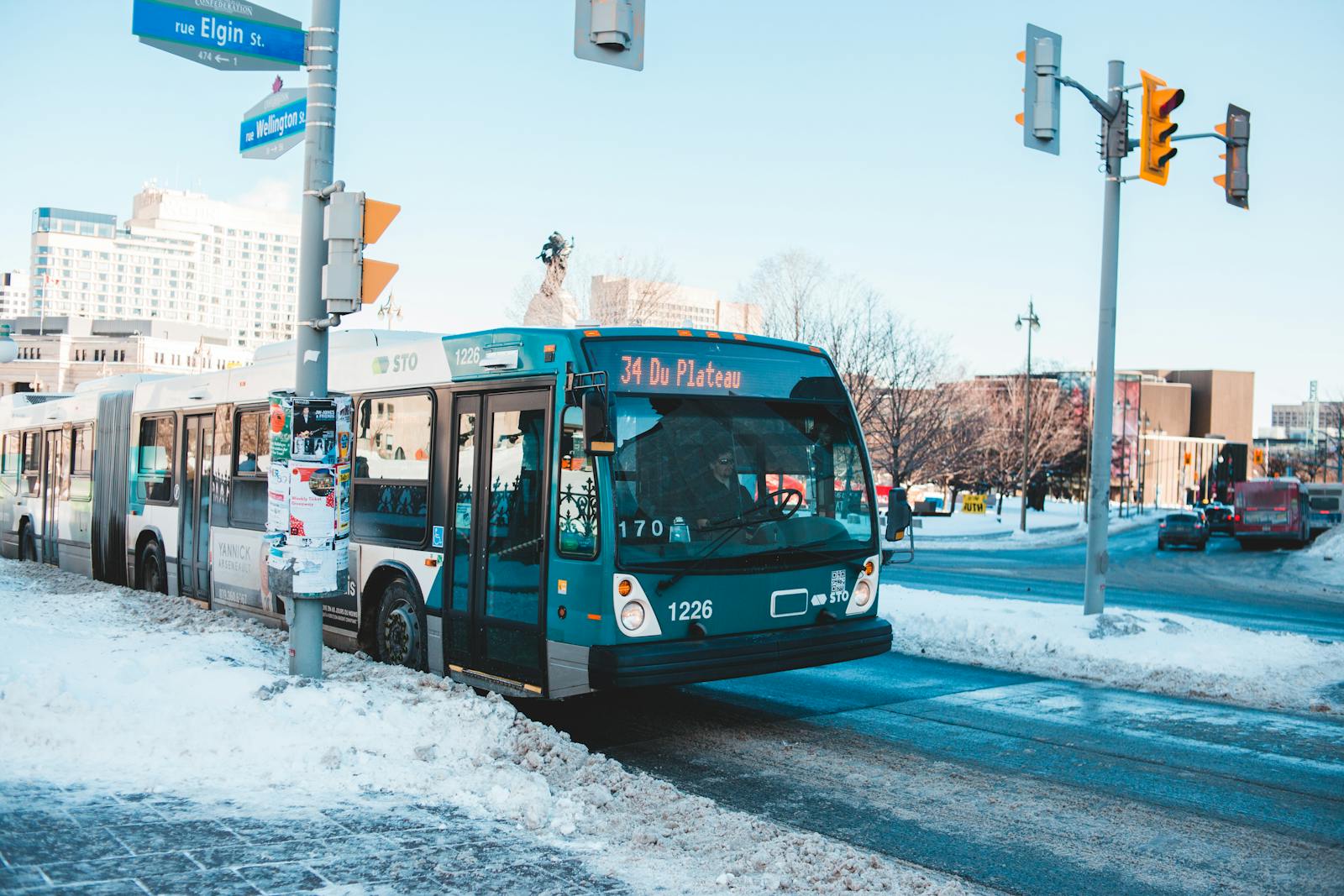
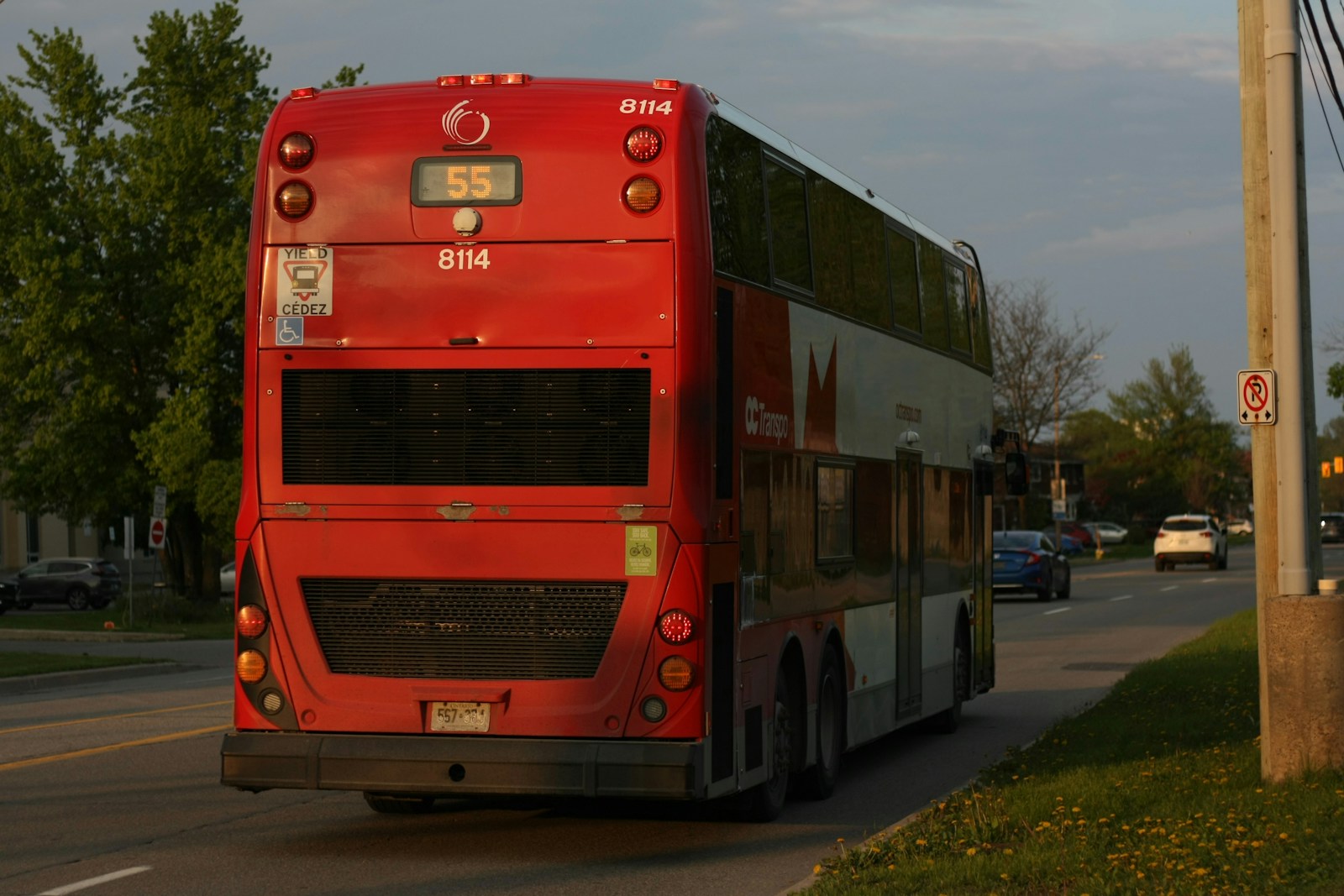
The primary public transit provider is OC Transpo, which operates both buses and the city’s Light Rail Transit (LRT) system.

Commuters typically choose between:

  • Light Rail Transit (LRT)

  • Bus network

  • Driving

Each option offers different benefits depending on where you live and work.


Ottawa’s LRT System (O-Train)

The Light Rail Transit system, commonly known as the O-Train, is a major part of Commuting in Ottawa: LRT, Buses, and Driving.

Key Features

  • Runs east to west through the city

  • Connects major hubs like downtown and suburbs

  • Fast and efficient for longer distances


Pros of Using LRT

  • Avoids road traffic

  • Reliable travel times

  • Modern stations and trains

  • Ideal for downtown commuters


Cons of Using LRT

  • Limited coverage compared to buses

  • Transfers may be required

  • Occasional service disruptions


Best Areas for LRT Commuters

Living near an LRT station can significantly improve commute times.

Popular areas include:

  • Centretown

  • Hintonburg

  • Orleans (with expansion)

  • Kanata (future expansion plans)


Bus System in Ottawa

Ottawa’s bus network complements the LRT and reaches areas not serviced by rail.

Key Features

  • Extensive coverage across the city

  • Feeder routes connecting to LRT stations

  • Express routes during peak hours


Pros of Taking the Bus

  • Access to more neighbourhoods

  • Flexible routes

  • Cost-effective


Cons of Taking the Bus

  • Can be slower during peak traffic

  • Subject to delays

  • Transfers may increase travel time


When the Bus Is Best

The bus system works well for:

  • Suburban commuters

  • Areas without direct LRT access

  • Short-distance travel


Driving in Ottawa

Driving remains a popular option for many residents, especially those living outside the downtown core.

Road Infrastructure

Ottawa’s main highway, Highway 417, runs through the city and connects key areas.


Pros of Driving

  • Flexibility and convenience

  • Faster for certain suburban routes

  • No reliance on transit schedules


Cons of Driving

  • Traffic during peak hours

  • Parking costs downtown

  • Fuel and maintenance expenses


Parking Considerations

Downtown parking can be expensive and limited.

Many commuters choose park-and-ride options or combine driving with transit.


Comparing LRT, Buses, and Driving

Here’s a simple comparison to help you decide the best option for Commuting in Ottawa: LRT, Buses, and Driving:

OptionBest ForProsCons
LRTLong-distance commutingFast, reliableLimited coverage
BusLocal travelWide coverageSlower during traffic
DrivingSuburban commutingFlexible, convenientCosts and traffic

Cost of Commuting in Ottawa

Understanding commuting costs is important when choosing your transportation method.

Public Transit Costs

  • Monthly pass available through OC Transpo

  • Discounted fares for students and seniors


Driving Costs

  • Gas prices

  • Insurance

  • Parking fees

  • Vehicle maintenance

Public transit is generally more cost-effective, especially for daily commuters.


Commuting Tips for Ottawa Residents

To make the most of Commuting in Ottawa: LRT, Buses, and Driving, consider these tips:

  • Live near an LRT station if possible

  • Use park-and-ride lots to combine driving and transit

  • Avoid peak rush hours when possible

  • Check transit apps for real-time updates

  • Plan alternate routes during winter

Good planning can significantly reduce commute stress.


How Commuting Affects Real Estate Choices

Transportation plays a major role in where people choose to live in Ottawa.

Buyers often prioritize:

  • Proximity to LRT stations

  • Easy highway access

  • Walkability

Homes near transit hubs often have higher demand and resale value.


Future of Transportation in Ottawa

Ottawa continues to invest in transit infrastructure.

Future developments include:

  • LRT expansions to suburbs

  • Improved bus routes

  • Better integration between transit systems

These improvements are expected to make commuting more efficient over time.


Frequently Asked Questions

1. Is public transit reliable in Ottawa?

Generally yes, though occasional delays can occur, especially with the LRT.

2. Do I need a car in Ottawa?

Not necessarily. Many residents rely on public transit, especially near downtown.

3. What is the fastest way to commute in Ottawa?

The LRT is often the fastest option for long-distance travel across the city.

4. Is parking expensive in Ottawa?

Downtown parking can be costly, especially during work hours.

5. Are buses better than LRT?

Buses offer more coverage, while LRT provides faster travel along main routes.

6. Does commuting affect home prices?

Yes. Homes near transit hubs and major routes tend to have higher demand.


Final Thoughts

Understanding Commuting in Ottawa: LRT, Buses, and Driving is essential for choosing the right lifestyle and location in the city. Whether you prefer the speed of the LRT, the flexibility of buses, or the convenience of driving, Ottawa offers options to suit every commuter.

By planning ahead and considering your daily routine, you can find a commuting solution that balances time, cost, and convenience.

Read

Commuting in Ottawa in 2026 – Transit, Driving & Work-From-Home

How Commuting Has Changed in Ottawa

Commuting in Ottawa looks very different in 2026 than it did a decade ago. With expanded transit infrastructure, evolving work-from-home policies, and shifting lifestyle priorities, residents now have more flexibility in how they get to work—or whether they commute at all.

Understanding commuting in Ottawa in 2026 means looking beyond rush hour traffic and considering transit, driving, cycling, and remote work together.


1. What the Average Ottawa Commute Looks Like in 2026

Ottawa remains one of Canada’s more commuter-friendly cities.

Key characteristics include:

  • Shorter average commute times than Toronto or Vancouver

  • Less congestion outside peak hours

  • More flexible schedules due to hybrid work

Many residents no longer commute five days a week, which has reshaped traffic patterns across the city.


2. Public Transit in Ottawa – What to Expect

LRT & Bus Network

Public transit continues to play a major role in Ottawa commuting. The light rail system connects key areas, while buses serve neighbourhoods not directly on rail lines.

Transit is commonly used by:

  • Downtown workers

  • Students

  • Residents in transit-oriented communities

Reliability & Coverage

While reliability has improved, transit experiences vary by location. Proximity to stations and major routes greatly affects convenience, making neighbourhood choice an important factor for transit users.


3. Driving in Ottawa – Is It Still Practical?

Traffic Patterns

Driving remains a popular commuting option in Ottawa. Compared to other major cities, congestion is manageable, especially outside the downtown core.

Peak traffic typically occurs:

  • During morning and afternoon rush hours

  • On major east-west corridors

Parking & Costs

Parking availability depends on location:

  • Downtown parking can be costly

  • Suburban areas offer easier parking

  • Many employers offer partial or flexible parking solutions

For many residents, driving remains practical and predictable.


4. Cycling & Active Transportation

Ottawa is one of Canada’s most bike-friendly cities.

Cycling infrastructure includes:

  • Dedicated bike lanes

  • Multi-use pathways

  • Scenic routes along waterways

Many residents choose cycling for short commutes, especially in warmer months, while others combine biking with transit.


5. Work-From-Home & Hybrid Work in 2026

Work-from-home is now a permanent part of Ottawa’s work culture.

Common arrangements include:

  • Hybrid schedules

  • Fully remote roles

  • Flexible start and end times

This shift has reduced daily congestion and allowed residents to prioritize neighbourhoods based on lifestyle rather than proximity to downtown offices.


6. Best Neighbourhoods for Easy Commuting

Neighbourhoods with convenient commuting often share:

  • Access to major roads or transit lines

  • Walkable amenities

  • Short travel times to employment hubs

Transit-oriented developments and centrally located communities remain popular choices in 2026.


7. How Commuting Impacts Quality of Life

Commute length and flexibility directly affect daily life.

Shorter or less frequent commutes allow for:

  • More family time

  • Improved work-life balance

  • Reduced stress

  • Greater participation in local activities

Ottawa’s commuting options support a lifestyle that values balance over burnout.


8. Tips to Reduce Commute Stress

Ottawa residents recommend:

  • Choosing housing near work or transit

  • Considering hybrid work options

  • Avoiding peak hours when possible

  • Using active transportation seasonally

  • Planning routes in advance

Small adjustments can significantly improve the commuting experience.


FAQs

Q1: Is commuting in Ottawa stressful?
Generally less stressful than in larger cities.

Q2: Do you need a car in Ottawa?
Not always—it depends on location and lifestyle.

Q3: Is public transit reliable in 2026?
Improving, but reliability varies by route.

Q4: Is biking realistic year-round?
Many bike seasonally; winter cycling is possible with preparation.

Q5: Are commute times increasing?
Not significantly, thanks to hybrid work.

Q6: Does commuting affect housing choice?
Yes—commute convenience remains a top priority.


Conclusion

Commuting in Ottawa in 2026 offers flexibility, choice, and balance. Whether you rely on transit, drive, bike, or work from home, the city supports multiple commuting styles without the extreme congestion seen elsewhere. As work patterns continue to evolve, Ottawa’s manageable commute remains one of its strongest quality-of-life advantages.

Read

Commuting in Ottawa – Best Areas for Easy Access to Downtown

Why Commuting Matters When Choosing Where to Live in Ottawa

A smooth, simple commute can completely change how you experience daily life. Ottawa may be known as a government town, but it’s also growing fast—bringing new transit options, bus routes, bike paths, and neighbourhoods designed for easier access to downtown. Whether you work in an office, remotely part-time, or attend university, choosing the right neighbourhood can save time, reduce stress, and enhance your lifestyle.

This guide explores the best areas for easy commuting to downtown Ottawa, whether you're driving, biking, or using OC Transpo.


Understanding Ottawa’s Commuting Landscape

Transit (OC Transpo + LRT)

Ottawa’s O-Train LRT and OC Transpo system connect major suburban and central neighbourhoods directly to downtown.

Cycling Infrastructure

Ottawa boasts extensive bike paths, including:

  • Rideau Canal Pathway

  • Ottawa River Pathway

  • Laurier Bike Lanes

Driving Accessibility

Highways 417, 174, and 416 keep many neighbourhoods connected with short drive times.


Centretown – Walkable, Connected & Perfect for Car-Free Living

Transit Convenience

Centretown is one of the closest residential areas to downtown, offering:

  • Frequent bus routes

  • Direct access to cycle lanes

  • Easy walking distance to government buildings

Lifestyle Benefits

Great for young professionals who want a short, reliable commute.


The Glebe – Urban Living With Quick Downtown Access

Transit Routes & Walkability

The Glebe offers multiple bus lines, nearby LRT access, and scenic walking paths along the canal.

Why Commuters Love It

You can enjoy cafés, restaurants, parks—and still be minutes from downtown by bike or bus.


Hintonburg – Hip, Growing & Steps From Major Transit Lines

LRT Proximity

Hintonburg is located right next to the O-Train Line 1, providing fast service downtown.

Cycling & Alternative Routes

Its bike-friendly streets make commuting simple for cyclists and e-bike users.


Sandy Hill – Close to Campus & the City Core

Walking Distance to Downtown

Just east of the ByWard Market, Sandy Hill lets you access downtown in under 15 minutes on foot.

Transit & Bike Options

Well-served by buses and connected bike paths.


Westboro – Trendy, Connected & Ideal for Professionals

Transit Stations

Westboro and Dominion Stations give direct access to downtown through the Transitway or LRT expansion.

Quick Highway Access

Highway 417 is right there, making commuting by car efficient and reliable.


Vanier – Affordable & Surprisingly Close to Downtown

Short Commute Times

Only a 5–10 minute drive or a 10–15 minute bus ride from downtown.

Transit Routes Serving the Area

Excellent bus coverage makes Vanier a budget-friendly but convenient choice.


Old Ottawa East – Riverside Serenity Minutes From Downtown

Walkability & Bike Paths

Enjoy canal and river pathways perfect for scenic commutes.

LRT Access via Lees Station

Direct, fast service to downtown and major transfer hubs.


New Edinburgh – Elegant, Quiet & Centrally Located

Reliable Bus Routes

Multiple routes run into downtown with short travel times.

Safe, Scenic Walking Paths

Rideau Hall, Stanley Park, and river pathways create beautiful commuting options.


Hull/Aylmer (Gatineau) – A Short Cross-River Commute

Bridge Access

Many workers cross the Portage, Chaudière, or Alexandra bridges daily.

Transit & Bike Options

A short bus ride or bike trip gets you downtown quickly—often faster than some Ottawa suburbs.


Comparison Table – Best Ottawa Areas for Easy Downtown Commutes

NeighbourhoodCommute TypeTime to DowntownBest For
CentretownWalk/Transit0–10 minutesProfessionals
The GlebeBus/Bike5–15 minutesFamilies & couples
HintonburgLRT/Bike5–12 minutesYoung professionals
Sandy HillWalk/Transit10–15 minutesStudents & workers
WestboroTransit/Car10–20 minutesCommuters & families
VanierBus/Car10–15 minutesBudget-conscious buyers
Old Ottawa EastWalk/Bike8–15 minutesActive commuters
New EdinburghBus/Walk10–20 minutesMature neighbourhood lovers
Hull/AylmerBus/Bike/Car5–20 minutesGovernment workers

Tips for Choosing the Right Neighbourhood for Commuting

Consider Your Transit Style

Do you prefer walking, biking, transit, or driving?

Factor in Traffic Patterns

Ottawa’s east–west traffic can slow down suburban commutes.

Try the Commute Before Moving

Visit the area during rush hour to get a real feel for the travel experience.


FAQs About Commuting in Ottawa

1. Is Ottawa a good city for commuting?
Yes—especially with its expanding LRT system and extensive bike paths.

2. What’s the best place to live for a short commute?
Centretown, The Glebe, and Sandy Hill are top choices.

3. Is driving or transit faster in Ottawa?
It depends on the route, but transit is often faster during peak downtown traffic.

4. What suburbs still offer reasonable commute times?
Westboro, Vanier, and parts of Nepean have good access routes.

5. Is Ottawa bike-friendly?
Yes—Ottawa has some of Canada’s best urban cycling pathways.

6. Are Gatineau neighbourhoods good for commuting to Ottawa?
Absolutely. Many government workers commute from Hull or Aylmer daily.


Conclusion: Find the Ottawa Neighbourhood That Fits Your Lifestyle

Choosing where to live based on commute time can save hours each week. Ottawa offers a wide range of neighbourhoods that balance convenience, affordability, and great amenities. Whether you want the buzz of Centretown, the charm of the Glebe, or the affordability of Vanier, you’re sure to find a spot that provides easy access to the downtown core.

Read
Categories:   $400k | $500k | $50k Savings | $600k | $700k | $800k | 105 Champagne Ave | 2026 | Activities | Advice | Affordable | AI | AirBnB | Ajax | Algonquin College | Ali Realty Group | All Four Seasons | All you can eat | Alta Vista | Another Province | Apartment | Arnprior | Arnprior Real Estate | August | Autumn | Available Programs | AYCE | Back to School | Bakery | Bank of Canada Rate Announcement | Barrhaven | Barrhaven Downtown, Barrhaven - Strandherd Real Estate | Barrhaven East | Barrhaven West | Bayshore | Beacon Hill South | Beechwood Village | Beers | Best | Best Beer | Best Biking Paths | Best Cities To Live | Best Coffee Shops in Ottawa | Best IndianDesi Food | Best Local | Best Neighbourhoods | Best Patio | Best Pizza | Best Schools | Best Study Spots | Best Taco Spots | Best Travel Destinations 2026 | Best Walking Paths | Bidding Wars | Bilingual | Birthday | Boom City | Booming | Boring | Boundary Expansion | Brampton | Branding | Britannia Village | BRRRR Strategy | Bucket List | Budget | Budgeting | Build-to-Rent | Building | Bungalow | Burlington | Busing | Buyers Market | Buying | Byward Market | Byward Market, Lower Town Real Estate | Byward Market/Lower Town, Sandy Hill Real Estate | Cafe | Calgary | Canada Day | Cap Rates | Car-Free | Caribbean Food | Carleton Place | Carleton University | Carlington | Carlsbad Springs | Carp | Celebrations | Central 1 | Centretown | Centretown West | Centretown, Ottawa Centre Real Estate | CFB Rockcliffe and Area, Manor Park - Cardinal Glen and A Real Estate | CFB Rockcliffe and Area, Manor Park - Cardinal Glen Real Estate | Changing | Changing Real Estate | Chapel Hill | Cheapest Places | Checklist | CHEO | Childcare | Chinatown | Christmas | Civc Hospital | Civic Hospital | Clients | Climate Goals | Closing Costs | Coffee Shop | Communities | Commuting | Compared | Condo Fees | Condos | Confluence Park | Convent Glen and Area, Orleans Real Estate | Cost of Living | Cottage | Country | Cozy | Credit Score | Date Night | Day in the Life | Decoration | Detached Home | Divorce | Dog Friendly | Dow's Lake | Dow's Lake/Little Italy, Dow's Lake/Little Italy Real Estate | Dow's Lake/Little Italy, West Centre Town Real Estate | Dow's Lake/Little Italy/Civic Hospital and Area, West Centre Town Real Estate | Down Payment | Downsizing | Downtown | Dows Lake - Civic Hospital and Area (4502 - West Centre Town) Real Estate | Dows Lake/Little Italy, West Centre Town Real Estate | Drake | Driving | Duplex | East End | Eco-Friendly | Embrun | Expenses | Expensive | Fall | Fall Colours | Family | Family Friendly | Farmer's Market | Fastest Growing Neighbourhoods | Ferrari | Final Walkthrough | Finance | Findlay Creek | Findlay Creek, Leitrim Real Estate | First Apartment | First-Time Buyer | Fitness Studio | Fixer-Upper | Flipping Homes | Food | For Sale | Foreclosure | Freehold | French-Friendly | Friends | Fun | Future | Gatineau | Glebe | Gloucester Glen | Golden Triangle | Good | Gotham | Government Worker | Greely | Growing | GTHA | Guide | Gym | Half Moon Bay | Half Moon Bay - Strandherd, Barrhaven Real Estate | Halloween | Hamilton | Happy Hour | Heat | Heat Pump | Hidden Gems | Hiking Trails | Hintonburg | Hiring a real estate agent | Historic | History Ottawa | Holiday Spirit | Holidays | Home Business | Home Inspection | Home Office | Home Staging | Homes | Homes on the Canal | Housing Correction | How Much Income Is Needed? | How much is my Ottawa Home Worth? | How To Get Around The City | How to Stay Cool | HST Rebate | Hunt Club | Hurdman | Immigrants | Immigration | In-Person Showings | Income Needed | Infrastructure | Instagram | Interest Rates | International Student | Investing | Investment Property | Kanata | KBBQ | Kemptville | Korean BBQ | Labour Day | Land Transfer Tax (LTT) | Land Values | Landlords | Lawyer | Layout | Leads | Lease | Lebreton Flats | Legal Checklist | Life in Ottawa | Lifestyle | Listing | Little Italy | Living Alone | Living Along | Living Comfortable | Living Costs | Living In | Living in Ottawa | Local | Lowertown | Lowertown/Byward Market, Lowertown/Byward Market Real Estate | LRT | Luxury Homes | Luxury Living | Manotick | Market | Market Advice | Market Data | Market Trends | Market Update | Mechanicsville | Meeting Clients | Mississauga | Mistakes | Mixed-Use | Montreal | Mortgage | Most | Most Overated | Mothers Day | Move | Move-In Ready | Moving | Moving From | Moving To | Multi-Family | Multi-Generational | Munster - Richmond, Stittsville Real Estate | National Day for Truth and Reconciliation | Nature | Negotiation | Neighborhoods | Neighbourhoods | New Canadian | New Construction | New Edinburgh | New Immigrant | New Real Estate Agent | New Realtor | New Resident | New Venue | New-Builds | Newcomer | Next 5 Years | Night Life | North Gower | Nuit Blanche | O-Train | Oakville | October | Old Ottawa East | Old Ottawa South | Old Ottawa West | Oldest | Open House | Orleans | Orleans South | Oshawa | Ottawa | Ottawa Centre, Centretown Real Estate | Ottawa East/Greystone Village, Ottawa East/Greystone Village Real Estate | Ottawa Population | Ottawa rea | Ottawa Real Estate | Ottawa River | Over Pricing | Overbrook | Parents | Parking | Parks | Parkwood Hills | Part-time Jobs | Patio Season | Peaceful | Pet-Friendly | Petrie Island | Photography | Pickering | Places | Playfair Park, Alta Vista Real Estate | Pre-Approval | Pre-Construction | Pre-List | Price Your Home | Privacy | Professionals | Property Tax | Pros & Cons | Protect Your Home | Public Transportation | Pumpkin Patch | Queensway Terrace | Questions | Quiet | Raising Kids | Real Estate Agent | Real Estate Broker | Real Estate Brokerage | Real Estate Lawyer | Red Flags | Regret | Relocation | Remote Workers | Renovate | Renovation | Rent vs. Buy | Rental | Renting | Resale | Restaurant | Retirement | Rideau | Rideau Canal | Rinks | Riverside South | Rockcliffe | Rockland | Rowhomes | Rural | Russell | Safe | Sandy Hill | Sandy Hill, Lower Town Real Estate | Save | Savings | Scenic Drives | Schools | Seasons | Secret | Seller | Selling | September | Shawarma | Shopping Mall | Single Family Home | Single Home | Skating | Smart Home | SOBA | Solo | Somerset | South Keys | Southvale | Space | Spooky Szn | Spring | Spring Market | St. Catherines | Starter | Stay | Still Worth It? | Stittsville | Stoney Creek | Stress-Test | Student Housing | Student Rentals | Students | Studying | Suburb | Successful Habits | Summer | Summer Hone | Sunsets | Surprise | Sushi | Switching | Team | Tenants | Thai Food | Thanksgiving | The Bowery | Things To Do | Thunderstorm | Time Management | Tips | To-Do | Top-Producing Realtor | Toronto | Touring | Townhomes | Townhouse | Transit | Transportation | Trends | Tribeca | Tunney's Pasture | University | University of Ottawa | Upgrades | Urban Living | Vacation Rental | Valentines Day | Vancouver | Vanier | Vars | Viewing | Virtual Tours | Vs. | Walkable | Walking | Walks | Wealth | Weekend Getaways | West End | Westboro | WFA | WFH | What $1,000m gets you | What $1.3M Gets You In Ottawa | What are we known for? | What does it get you? | What to do this weekend? | What to know | Where Do Students Live? | Where is Ottawa Building? | Which city is better to live in? | Which is better to live in? | Which is better? | Whitby | Wine | Wing Deals | Wing Night | Winter | Work From Home | Work Life Balance | Workforce Adjustment | Would You Live Here? | Zoning
The trademarks REALTOR®, REALTORS®, and the REALTOR® logo are controlled by The Canadian Real Estate Association (CREA) and identify real estate professionals who are member’s of CREA. The trademarks MLS®, Multiple Listing Service® and the associated logos are owned by CREA and identify the quality of services provided by real estate professionals who are members of CREA. Used under license.
Questions about real estate?Call or text 613-327-0131