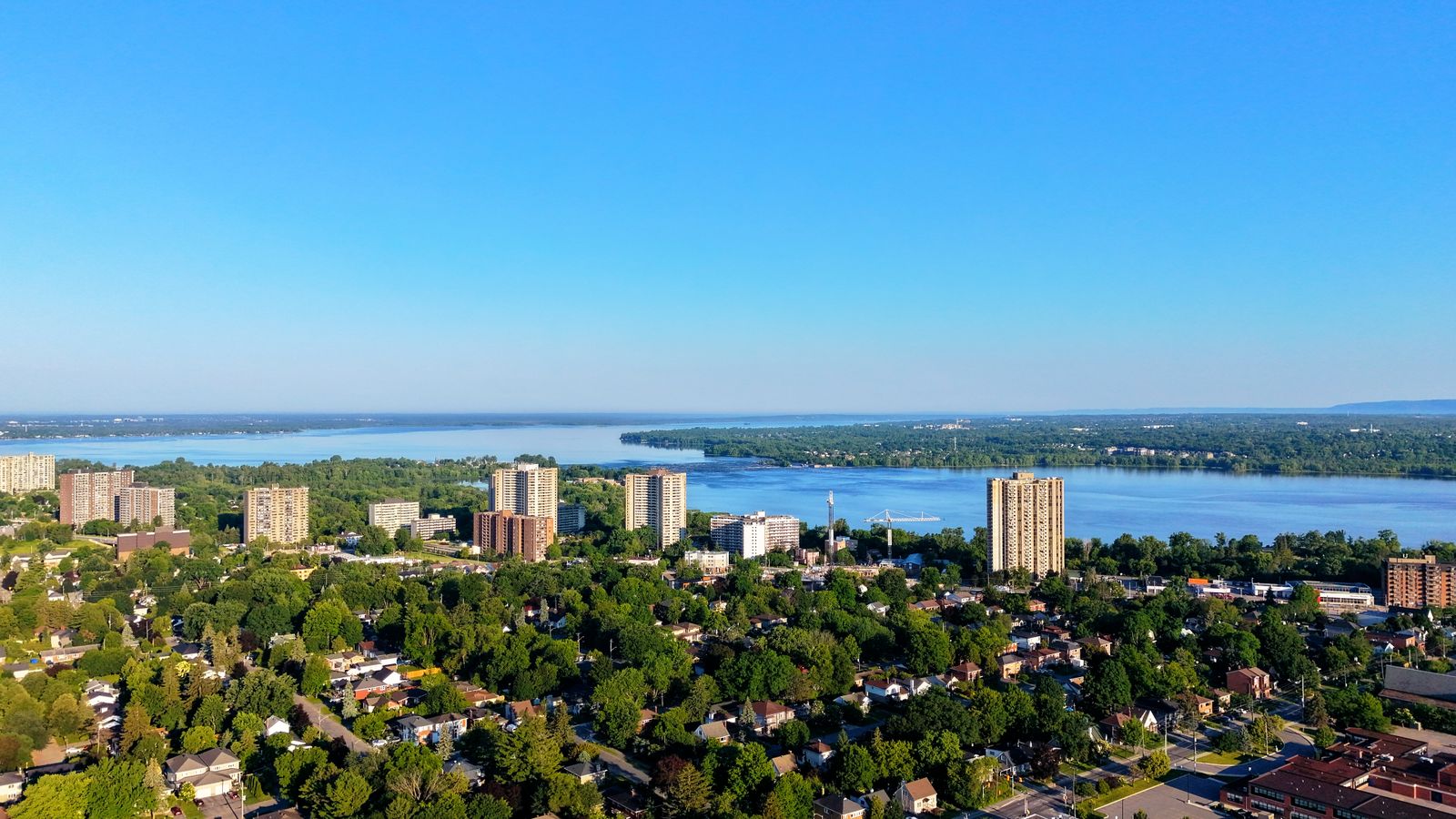
Westboro has become one of Ottawa’s most desirable neighbourhoods. With boutique shops, trendy cafés, proximity to the Ottawa River, and a walkable main street vibe, it’s easy to see why people want to live here.
But that raises the big question in 2026:
How much do you actually need to earn to live comfortably in Westboro?
Let’s break it down honestly — from rent and mortgages to groceries, transportation, and lifestyle costs.
📍 Where Is Westboro?
Westboro is located west of downtown Ottawa along Richmond Road and close to the Ottawa River pathways. It’s known for:
Walkability
Boutique retail and restaurants
Condo developments
Access to green space
LRT connectivity
Westboro blends urban energy with outdoor lifestyle — which is why demand remains strong.
💰 Cost of Living in Westboro (2026 Breakdown)
🏠 1. Renting in Westboro
Rental prices vary based on building age and amenities.
Average 2026 rents:
Studio / 1-bedroom condo: $2,000–$2,400/month
2-bedroom condo: $2,600–$3,200/month
Townhouse / Detached rental: $3,200–$4,500+/month
🔢 Income Needed to Rent Comfortably
Using the common 30% income rule (housing = 30% of gross income):
To afford a $2,200 1-bedroom comfortably → You’d need to earn about $88,000/year
To afford a $3,000 2-bedroom → Around $120,000/year
For a single professional, that typically means a strong mid-to-senior-level salary. For couples, dual incomes make it more attainable.
🏡 2. Buying in Westboro
Westboro is one of Ottawa’s higher-priced neighbourhoods.
Typical 2026 prices:
Condo: $500,000–$750,000
Townhome: $800,000–$1,000,000
Detached home: $1.1M–$1.8M+
🔢 Income Needed to Buy
Example scenario:
$650,000 condo
10%–20% down payment
Current interest rates (approximate 2026 range assumed moderate)
Estimated household income needed:
➡ $130,000–$160,000+ annually
For detached homes:
➡ Often $200,000+ household income
Of course, down payment size and debt levels matter significantly.
🧾 3. Monthly Living Expenses (Beyond Housing)
Here’s what typical monthly costs look like in Westboro:
Utilities: $150–$250
Internet: $80–$120
Groceries: $400–$800 (single vs family)
Dining & entertainment: $300–$800
Transportation (if car-free with LRT): $130 transit pass
Transportation (with car): $600–$900+ including insurance & fuel
Westboro’s walkability can reduce transportation costs if you choose condo living and go car-free.
🛍️ 4. Lifestyle Premium
Living in Westboro isn’t just about housing — it’s about lifestyle.
You’re paying for:
Walkable access to cafés & restaurants
River pathways
Boutique fitness studios
Upscale grocery options
Community vibe
Many residents willingly pay a premium for convenience and quality of life.
👤 How Much Do You Really Need to Earn?
Here’s a simplified breakdown:
🧍 Single Professional (Renting 1-Bedroom)
Comfortable income:
➡ $85,000–$100,000/year
👩❤️👨 Couple (Renting 2-Bedroom)
Combined income:
➡ $120,000–$150,000/year
🏡 Couple Buying Condo
Combined income:
➡ $140,000–$180,000/year
👨👩👧 Family Buying Detached
Combined income:
➡ $200,000+
📊 Is Westboro Worth It?
Westboro appeals to:
Young professionals
Remote workers
Active couples
Downsizers
High-income families
If walkability, community, and river access are priorities, the cost may feel justified.
If budget is tight, neighbourhoods like Hintonburg, Carlington, or parts of Orleans may offer better value while still maintaining good access.
🧠 What Surprises People About Westboro Costs
Condo fees can be significant in newer buildings.
Parking is limited in some developments.
Detached homes command premium pricing due to low inventory.
Lifestyle spending increases naturally (restaurants, fitness, boutiques).
Westboro isn’t just expensive because of housing — the area encourages spending.
❓ FAQs
Is Westboro one of the most expensive areas in Ottawa?
Yes, it’s consistently ranked among the higher-priced neighbourhoods.
Can you live in Westboro on $70,000 a year?
It would be tight unless sharing rent or choosing a small unit.
Is Westboro good for families?
Yes — but buying detached homes requires a strong household income.
Is Westboro walkable?
Very. It’s one of Ottawa’s most walkable west-end neighbourhoods.
Is it cheaper to rent or buy in Westboro in 2026?
Renting requires less income upfront, but long-term ownership may build equity.
🏁 Final Thoughts
So, how much do you need to earn to live in Westboro?
Realistically, $90,000+ for a single renter and $140,000+ household income for buyers is a comfortable starting point in 2026.
Westboro remains one of Ottawa’s most desirable neighbourhoods for a reason — lifestyle, location, and walkability all come at a premium. The key is aligning your income with the type of lifestyle you want to maintain once you move there.