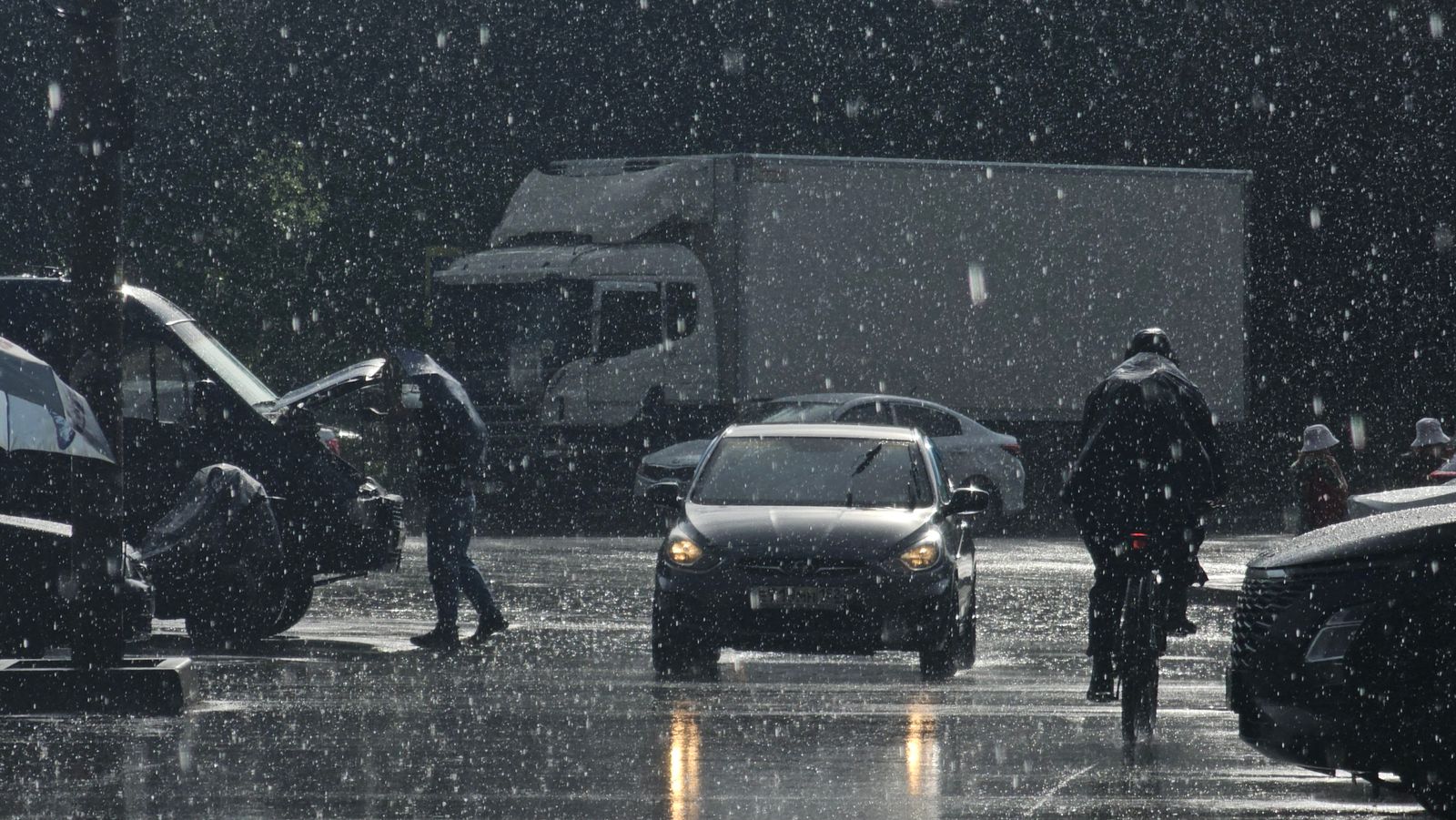
If you were in Ottawa over the past couple of days, you probably witnessed one of the most intense rounds of summer thunderstorms we've seen this year.
Heavy rain, powerful wind gusts, frequent lightning, localized flooding, fallen trees, and widespread power outages affected many neighbourhoods across the city. While most storms pass without major damage, events like these are a reminder that homeowners should be prepared before severe weather strikes.
Whether you own a detached home, townhouse, or condo, taking a few preventative steps can help protect your property and potentially save thousands of dollars in repairs.
Here's what every Ottawa homeowner should know.
What Happened?
The storms brought:
Torrential rain in a short period of time
Strong wind gusts capable of downing tree limbs
Frequent lightning
Localized street and basement flooding
Power outages across several parts of Ottawa
Neighbourhoods with mature trees experienced fallen branches, while some homeowners dealt with water infiltration due to overwhelmed drainage systems.
While Ottawa is no stranger to summer thunderstorms, recent years have shown that severe weather events are becoming more frequent and more intense.
Check Your Eavestroughs and Downspouts
One of the easiest ways to protect your home is also one of the most overlooked.
Clogged gutters can cause water to overflow and pool around your foundation instead of draining safely away.
Before and after major storms:
✔ Remove leaves and debris
✔ Ensure downspouts are securely attached
✔ Extend downspouts at least 1.5 to 2 metres away from your foundation
Proper drainage is your first line of defence against basement moisture.
Make Sure Water Flows Away From Your Home
After a heavy rainfall, take a walk around your property.
Ask yourself:
Is water pooling near the foundation?
Are there low spots in the yard?
Do window wells fill with water?
If the answer is yes, your grading may need improvement.
Ideally, your lawn should slope away from the home so rainwater naturally drains away instead of collecting against the foundation.
Test Your Sump Pump
If your home has a sump pump, don't wait until the next storm to find out it isn't working.
Check that:
It turns on properly.
The discharge pipe is clear.
Water is being pumped away from the home.
A battery backup is installed in case the power goes out.
Power outages often occur during severe storms, making a backup system a worthwhile investment.
Trim Overhanging Trees
Ottawa's mature neighbourhoods are beautiful, but older trees can become a hazard during high winds.
Inspect your property for:
Dead branches
Limbs hanging over the roof
Trees leaning toward the house
Diseased or damaged trees
Regular pruning by a certified arborist can reduce the risk of storm damage.
Secure Outdoor Furniture
Patio chairs, umbrellas, BBQ covers, and garden décor can quickly become airborne during strong wind gusts.
Before severe weather arrives:
Bring lightweight furniture indoors.
Fold umbrellas.
Secure garbage and recycling bins.
Store loose gardening equipment.
It only takes a few minutes and can prevent costly damage.
Inspect Your Roof
After a storm, safely inspect your roof from the ground.
Look for:
Missing shingles
Lifted flashing
Fallen branches
Debris blocking roof drainage
If you notice damage, arrange for repairs promptly before the next rainfall.
Keep Basement Drains Clear
Many Ottawa homeowners worry about basement flooding during heavy rain.
Help reduce the risk by:
Keeping floor drains clear.
Avoiding grease and debris in drains.
Installing a backwater valve if your home doesn't already have one.
Ensuring window wells remain free of leaves and debris.
These small maintenance tasks can make a big difference during extreme weather.
Prepare for Power Outages
Storms often knock out electricity with little warning.
A basic emergency kit should include:
Flashlights
Extra batteries
Portable phone chargers
Bottled water
Non-perishable food
First aid supplies
Battery-powered radio
If you work from home, consider a battery backup for your internet equipment or computer.
Review Your Home Insurance
Many homeowners don't fully understand what their insurance covers until after damage occurs.
It's worth reviewing your policy to understand:
Sewer backup coverage
Overland flooding protection
Wind damage
Fallen trees
Deductibles
Claims procedures
If you're unsure, contact your insurance provider before the next storm—not after.
Check Your Neighbours
Severe weather isn't just about protecting property.
After a storm passes, check on:
Elderly neighbours
People with mobility challenges
Families without power
Anyone who may need assistance clearing debris
Communities often recover faster when neighbours help one another.
If You're Buying a Home, Pay Attention After Heavy Rain
Believe it or not, one of the best times to evaluate a property is shortly after a significant rainfall.
When viewing a home after a storm, look for:
Water pooling near the foundation
Damp basement walls
Overflowing eavestroughs
Standing water in the backyard
Evidence of previous water damage
Poor grading around the home
These issues aren't always visible on a sunny day.
Storm Preparation Checklist
Before the next severe thunderstorm:
✔ Clean gutters and downspouts
✔ Test your sump pump
✔ Trim dead tree branches
✔ Secure patio furniture
✔ Charge phones and portable batteries
✔ Review your insurance coverage
✔ Inspect your roof
✔ Move valuables off basement floors if flooding is a concern
Frequently Asked Questions
What should I do before a thunderstorm?
Secure outdoor items, clear gutters, charge your devices, and ensure your sump pump is working properly.
How can I prevent basement flooding?
Keep eavestroughs clear, make sure your yard slopes away from the home, test your sump pump, and consider installing a backwater valve if your home doesn't already have one.
Should I inspect my roof after a storm?
Yes. Look for missing shingles, fallen branches, or visible damage from the ground. If you suspect damage, contact a qualified roofing contractor.
Does home insurance cover storm damage?
Coverage varies by policy. Wind damage is commonly covered, but sewer backup and overland flooding may require additional protection.
Are mature trees a risk during storms?
Large healthy trees are valuable, but dead or weakened branches should be pruned regularly to reduce the risk of storm damage.
Is it a good idea to view homes after heavy rain?
Absolutely. Rain can reveal drainage issues, grading problems, or water infiltration that may not be noticeable during dry weather.
Final Thoughts
This week's storms were a reminder that severe weather can arrive quickly and have a significant impact on homes across Ottawa.
While you can't control the weather, you can reduce your risk by staying ahead of routine maintenance. Cleaning your gutters, testing your sump pump, inspecting your roof, and understanding your insurance coverage are simple steps that can help protect your home when the next storm rolls through.
For homeowners, regular maintenance is one of the best investments you can make. And for buyers, paying attention to how a property performs during or after heavy rain can provide valuable insight into its long-term condition.
As Ottawa continues to experience more frequent extreme weather events, being prepared isn't just smart—it's part of responsible homeownership.