
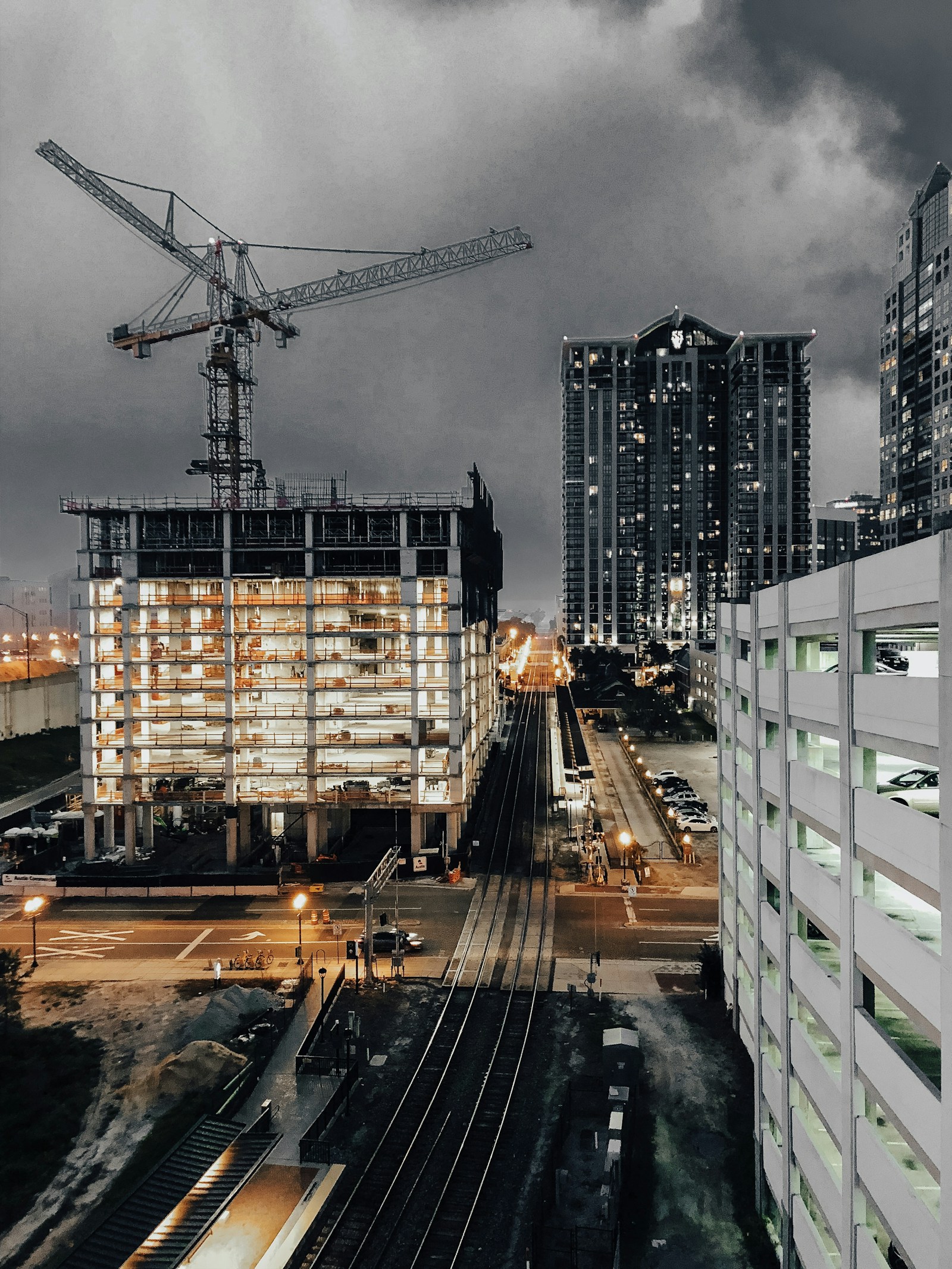
Ottawa is one of Canada’s fastest-growing cities, and ongoing development plays a major role in shaping the local housing market. Understanding Ottawa Infrastructure Projects Impacting Real Estate can help buyers, homeowners, and investors identify neighbourhoods with strong growth potential.
Major infrastructure improvements—such as transit expansions, road upgrades, and new community developments—often increase accessibility, attract businesses, and boost property values in surrounding areas. As Ottawa continues to grow, several key projects are expected to influence the city’s real estate landscape in the coming years.
In this guide, we’ll explore some of the most important infrastructure initiatives currently underway and how they may affect Ottawa’s housing market.
Why Infrastructure Projects Matter for Real Estate
Infrastructure development can significantly influence real estate trends. When cities invest in transportation systems, public amenities, and urban planning initiatives, neighbourhoods often become more desirable.
Infrastructure projects can lead to:
Increased property values
Improved commute times
Greater neighbourhood demand
New housing developments
Business growth and job creation
For real estate buyers and investors, identifying areas undergoing infrastructure improvements can reveal opportunities before property prices rise.
O-Train Light Rail Transit (LRT) Expansion
One of the most significant Ottawa infrastructure projects impacting real estate is the continued expansion of the O-Train Light Rail Transit system.
The LRT network connects key parts of the city and continues expanding to reach suburban communities. The Confederation Line currently runs east to west through downtown, and additional stages are extending service further into areas like Orleans, Kanata, and Barrhaven.
Real Estate Impact
Transit expansions often increase property demand in nearby neighbourhoods. Homes located close to LRT stations tend to attract buyers who want convenient commuting options.
Neighbourhoods benefiting from transit expansion include:
Orleans
Kanata
Barrhaven
Westboro
Hintonburg
As access to downtown improves, property values in these areas may see long-term growth.
New Residential and Mixed-Use Developments
Ottawa is experiencing a wave of new residential and mixed-use developments designed to accommodate population growth. These projects often combine housing, retail, office space, and public amenities within the same area.
Many of these developments are built near transit corridors and major roads, supporting the city’s vision of walkable communities.
Real Estate Impact
Mixed-use developments create vibrant neighbourhood hubs where residents can live, work, and shop within close proximity. These areas often become highly desirable places to live.
Buyers may benefit from:
Improved walkability
New restaurants and retail spaces
Modern housing options
Increased neighbourhood value
Highway and Road Improvements
Road infrastructure is another major factor influencing Ottawa’s real estate market. Highway expansions and roadway upgrades help reduce congestion and improve commuting efficiency.
Projects aimed at improving key transportation routes can make suburban communities more accessible to downtown Ottawa and major employment centres.
Real Estate Impact
Improved road infrastructure can increase demand for housing in surrounding neighbourhoods. Communities that once had longer commute times may become more attractive to buyers once road access improves.
This can particularly benefit suburban areas such as:
Kanata
Stittsville
Barrhaven
Orleans
Better road connectivity often encourages residential development and population growth.
Ottawa River and Waterfront Development
Waterfront development projects along the Ottawa River are helping transform certain parts of the city into vibrant recreational and residential spaces.
These initiatives include:
Expanded waterfront pathways
Park improvements
Community spaces and recreational facilities
Real Estate Impact
Proximity to parks, waterfront trails, and green space can increase property values and improve quality of life.
Neighbourhoods near the Ottawa River often attract buyers who prioritize outdoor lifestyle amenities and scenic views.
Downtown Revitalization Projects
Downtown Ottawa continues to see significant redevelopment as the city aims to create a more dynamic and livable urban core.
Several initiatives focus on:
Modernizing public spaces
Encouraging residential development
Improving pedestrian infrastructure
Enhancing cultural and entertainment districts
Real Estate Impact
Downtown revitalization projects often attract new residents, businesses, and tourism. As these areas become more vibrant, demand for nearby housing can increase.
This trend has already contributed to new condo developments and increased interest in urban neighbourhoods such as Centretown and Hintonburg.
Technology and Employment Hubs
Ottawa’s growing technology sector is another driver of infrastructure and real estate development.
Areas such as Kanata North have become major technology hubs, attracting large employers and highly skilled professionals.
Real Estate Impact
When employment hubs expand, nearby housing demand often rises as workers seek homes close to their workplaces.
Neighbourhoods near technology and business centres can benefit from:
Increased rental demand
Higher property values
Strong long-term growth potential
Population Growth and Housing Demand
Ottawa’s population continues to grow steadily, which increases the need for housing and infrastructure.
The city’s long-term planning strategies aim to support this growth through improved transit, road systems, and community developments.
Real Estate Impact
Population growth typically results in:
Increased housing demand
More residential construction
Rising property values in desirable areas
Understanding where infrastructure investments are occurring can help buyers anticipate future market trends.
How Buyers and Investors Can Benefit
For buyers and investors, keeping an eye on Ottawa infrastructure projects impacting real estate can reveal opportunities before neighbourhoods become widely popular.
Strategies to consider include:
Buying near upcoming transit expansions
Looking for neighbourhoods undergoing redevelopment
Monitoring new residential projects
Researching future zoning and planning changes
Identifying these trends early can help buyers secure properties with strong long-term potential.
For detailed information on city planning and infrastructure initiatives, you can visit the official City of Ottawa website:
https://ottawa.ca
Frequently Asked Questions
1. Do infrastructure projects increase property values?
In many cases, yes. Improved transit, roads, and amenities often increase demand for nearby housing.
2. Which Ottawa infrastructure project has the biggest real estate impact?
The expansion of the O-Train Light Rail Transit system is one of the most significant factors influencing housing demand.
3. Are homes near transit stations more expensive?
They often attract higher demand due to convenient commuting options.
4. How can I track future infrastructure projects in Ottawa?
You can monitor updates through the City of Ottawa’s official planning and development announcements.
5. Are suburban neighbourhoods benefiting from infrastructure improvements?
Yes. Areas such as Kanata, Barrhaven, and Orleans are experiencing growth due to transit and road expansions.
6. Is infrastructure development a good indicator for real estate investment?
Yes. Many investors consider infrastructure projects when identifying high-growth neighbourhoods.
Final Thoughts
Understanding Ottawa Infrastructure Projects Impacting Real Estate can provide valuable insight for buyers, homeowners, and investors. As the city continues expanding its transit network, improving transportation systems, and developing new communities, these initiatives will shape the future of Ottawa’s housing market.
By paying attention to where infrastructure investments are happening, buyers can identify emerging neighbourhoods and make informed real estate decisions in a growing and evolving city.
