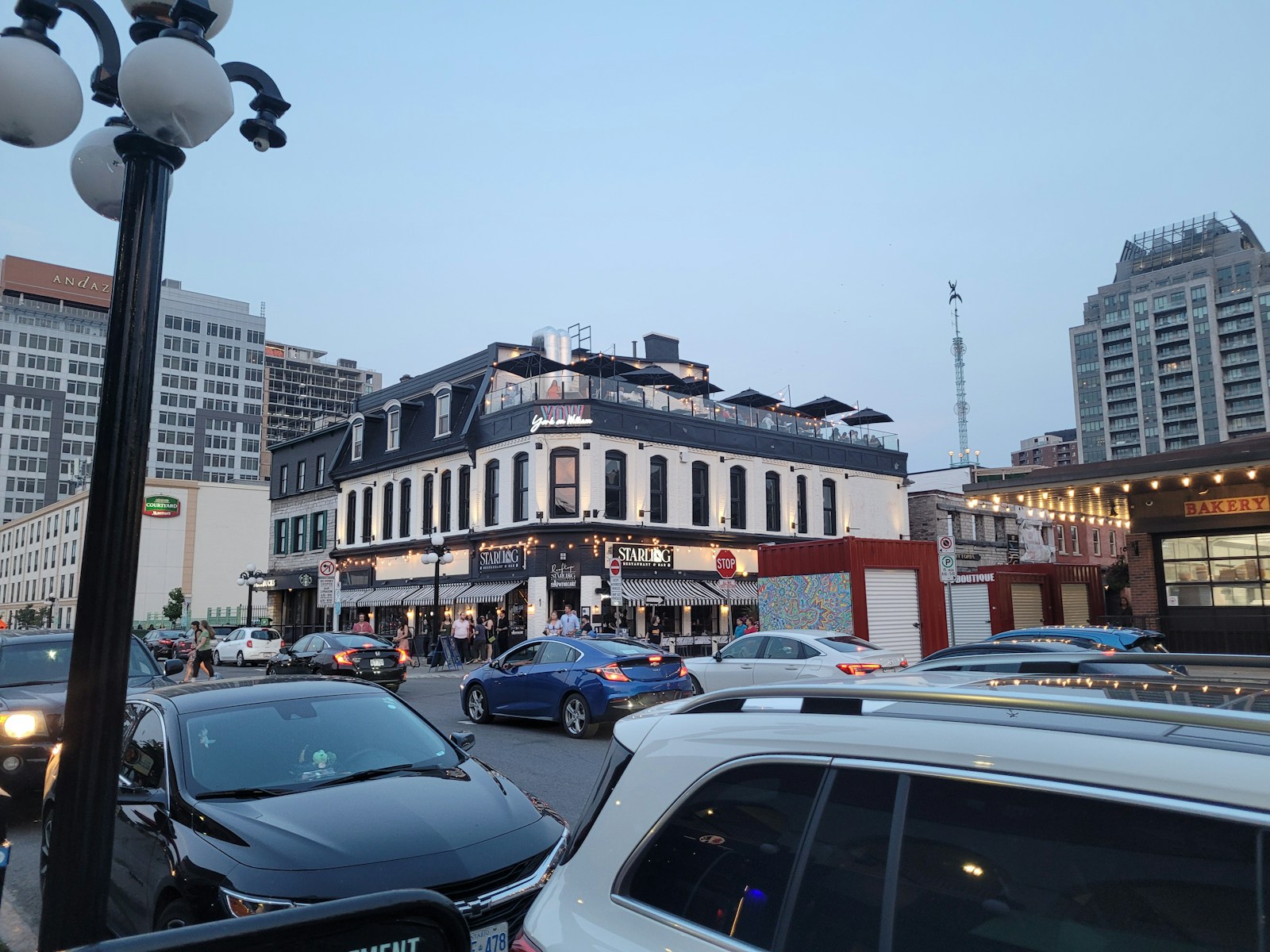
Why Walkability Matters for Downtown Living
For many people choosing downtown living, walkability is everything. Being able to walk to work, grab groceries, meet friends, access transit, and enjoy city life without relying on a car has become a major lifestyle priority. In Ottawa’s downtown core, walkability varies by neighbourhood—but some areas consistently stand out.
This guide explores the most walkable neighbourhoods in downtown Ottawa, focusing on everyday convenience, lifestyle flow, and how these areas perform when people think in terms of walk score and pedestrian-friendly living.
What Makes a Neighbourhood Walkable in Ottawa?
Walkability in Ottawa goes beyond sidewalks.
Highly walkable downtown neighbourhoods typically offer:
Grocery stores within walking distance
Restaurants, cafés, and services nearby
Easy access to transit and LRT stations
Safe, well-lit streets
Parks and green spaces close by
Mixed-use development
Neighbourhoods that score well for walkability reduce the need for daily driving and support a more connected urban lifestyle.
Centretown – Ottawa’s Walkability Benchmark
Centretown is widely considered the most walkable neighbourhood in Ottawa’s downtown core.
Why it stands out:
Dense mix of residential, office, and retail spaces
Multiple grocery stores and pharmacies
Restaurants, cafés, and fitness studios everywhere
Easy access to Parliament, Elgin Street, and Bank Street
Strong transit and LRT connectivity
For people seeking car-free or car-light living, Centretown consistently ranks at the top when discussing walk score and daily convenience.
The ByWard Market – Walkable, Lively, and Central
The ByWard Market offers one of the most vibrant walkable lifestyles in Ottawa.
Key walkability features:
Grocery stores, specialty food shops, and markets
Restaurants, bars, cafés, and nightlife
Close proximity to downtown offices
River pathways and parks nearby
While busier and louder than other areas, the Market is ideal for residents who want everything at their doorstep and don’t mind an energetic atmosphere.
Sandy Hill – Walkable with a Neighbourhood Feel
Sandy Hill combines downtown proximity with a quieter residential character.
Why it works:
Walking distance to the University of Ottawa
Close to the Rideau Centre and ByWard Market
Tree-lined streets and heritage homes
Easy access to transit
It’s especially popular with students, academics, and professionals who want downtown walkability without constant activity.
Lowertown West – Central and Convenient
Lowertown West is often overlooked, but it offers strong walkability.
Highlights include:
Quick access to downtown and the Market
Proximity to government offices
Local shops and services
Strong transit connections
This area appeals to residents who want central living without paying a premium for trendier neighbourhoods.
Lebreton Flats – Walkability with a Future Focus
Lebreton Flats is evolving into one of Ottawa’s most promising walkable communities.
What makes it appealing:
Close to downtown and the river
Access to LRT stations
Expanding residential development
Walkable access to paths, parks, and cultural venues
While still developing, its walkability is expected to increase significantly as amenities grow.
Elgin Street Corridor – Walkable and Social
Neighbourhoods around Elgin Street offer excellent walkability with a social edge.
Benefits include:
Restaurants, bars, and cafés along Elgin
Close access to Centretown and the Canal
Walkable access to green spaces
Strong public transit options
This area suits people who want walkable living with a lively, social atmosphere.
How Walk Score Impacts Downtown Living
Neighbourhoods with high walk scores typically offer:
Lower transportation costs
Less reliance on a vehicle
More spontaneous social life
Healthier, more active routines
In Ottawa’s downtown core, walk score often correlates directly with lifestyle satisfaction—especially for renters, condo buyers, and professionals.
Is Downtown Ottawa Truly Car-Free Friendly?
In the most walkable neighbourhoods, many residents:
Walk to work
Use transit for longer trips
Bike seasonally
Own a car only if needed
While Ottawa is still more car-friendly than some larger cities, downtown walkability continues to improve year over year.
FAQs
Which Ottawa neighbourhood has the highest walk score?
Centretown is widely considered the most walkable.
Is the ByWard Market walkable year-round?
Yes, though it’s busier during tourist seasons.
Do I need a car if I live downtown Ottawa?
Not necessarily—many downtown residents live car-free.
Is Sandy Hill walkable for professionals?
Yes, especially for those working downtown or near uOttawa.
Are walkable neighbourhoods more expensive?
Often yes, but they can reduce transportation costs.
Conclusion
Downtown Ottawa offers several highly walkable neighbourhoods, each with its own character and lifestyle benefits. Whether you prefer the convenience of Centretown, the energy of the ByWard Market, or the quieter charm of Sandy Hill, walkability plays a major role in daily quality of life. For anyone prioritizing downtown living, choosing the right walkable neighbourhood can make Ottawa feel more connected, efficient, and enjoyable year-round.