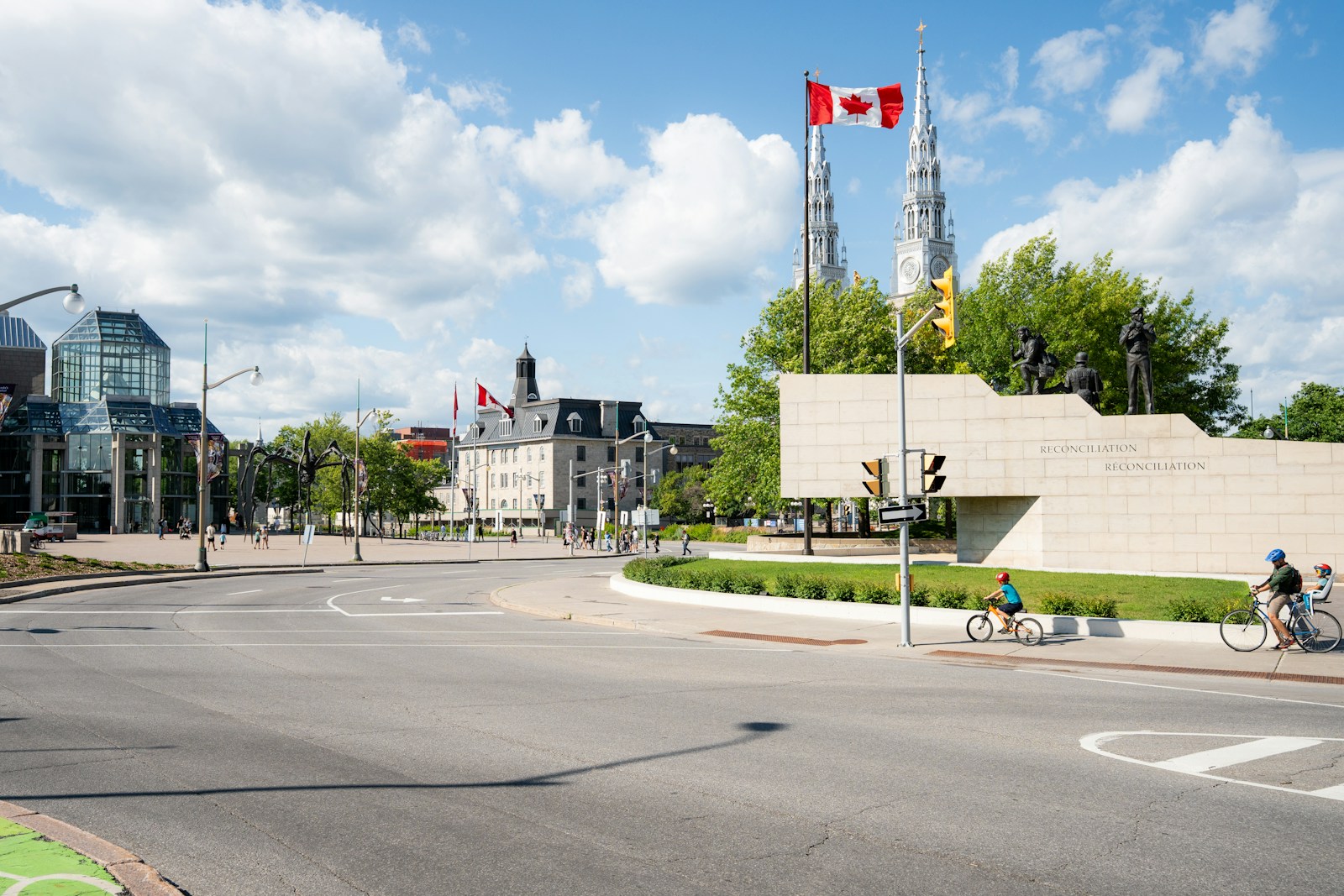
Ottawa regularly lands near the top of "best cities for families" lists, and for good reason: safe neighbourhoods, big parks, free festivals, strong schools and homes that cost less than in Toronto or Vancouver. But a ranking isn't the same as real life, and if you're a parent, you want the honest version.
So here it is. Here's our straight-talking guide to raising kids in Ottawa: what's genuinely great, what's frustrating, what child care and schools look like, and where families tend to settle.
Please note: this guide was prepared on November 4, 2026, from city and school board information, news reports and local listings. Child care availability, school programs and boundaries, and event details change often, so confirm with the city, your school board and each provider before making decisions. This is general information, not professional advice.
For most families, Ottawa is a very good place to raise kids. One personal-finance study ranked it fourth among Canadian cities for raising a family, and other quality-of-life rankings in 2026 have placed it near the top for liveability. Rankings vary and shouldn't be your only guide, but the pattern is consistent: Ottawa does well on safety, green space, schools and housing relative to income.
The caveats are real, too: child care spaces are tight, winters are long, and the best-loved school catchments can be expensive to buy into. None of these are deal-breakers, but it helps to plan for them early.
Parks, pathways along the canal and rivers, the Greenbelt and nearby Gatineau Park are all within a short drive of most neighbourhoods. You can be skating, skiing, cycling or hiking within minutes.
Ottawa is widely considered a safe large Canadian city, and many families say they feel comfortable letting older kids walk to school and the park. Crime varies by neighbourhood, so visit at different times of day.
In September 2026, the average sale price was about $685,640, with the benchmark for a single-family home near $705,100 and townhouses near $546,500, according to Ottawa Real Estate Board data. That's still a lot, but it goes further than in many big Canadian cities.
Growing up in a bilingual capital is a real benefit. French immersion and French-language schools are widely available, which can open doors for jobs in the federal government and beyond.
The federal public service, tech sector, universities and hospitals give many families stable incomes. Note that core federal public servants have been required in the office four days a week since July 2026.
CHEO, the Children's Hospital of Eastern Ontario, provides pediatric care for children up to age 18, which is a real comfort for parents.
Ontario's participation in the national $10-a-day child care program (CWELCC) has sharply reduced fees at participating licensed providers for children under six. The catch is demand. A September 2026 report noted that Ottawa has about 8,500 children on its central waitlist, and the city has said it is asking the province for more funded spaces.
Join the City of Ottawa's Child Care Registry and Waitlist as early as you can, even during pregnancy or before a move. Apply to several providers (centres, home-based care and school-age programs), and ask each one about current fees, since reductions apply only at providers participating in the program.
Ottawa has four publicly funded school boards. Which one you choose affects the language and the programs available.
The Ottawa-Carleton District School Board is the largest English public board. From September 2026, it is streamlining elementary programs to English and French immersion at most schools, so check how that affects your neighbourhood school.
The Ottawa Catholic School Board runs English Catholic schools and is known for strong results. Priority for enrolment generally goes to Catholic families, so check the board's rules.
The French public (CEPEO) and French Catholic (CECCE) boards teach in French. Enrolment is generally limited to families with French-language education rights, so check eligibility with each board.
Children in Ontario can start junior kindergarten in the September of the year they turn four. Registration usually opens in the winter before the school year, so check your board's dates.
Always confirm the school boundary for any address with the school board before you make an offer. Boundaries and programs can change, as the OCDSB's recent boundary and program changes show, and a listing's "close to a great school" isn't a guarantee of enrolment. Ranking sites like the Fraser Institute can be one input, but they're only part of the picture, so visit schools and talk to other parents.
The Rideau Canal Skateway had 56 skating days last winter, and Winterlude every February brings ice sculptures, snow slides and a free kids' zone across Ottawa and Gatineau.
Ottawa has the Canadian Museum of Nature, the Canada Science and Technology Museum, the Canada Aviation and Space Museum, the Canada Agriculture and Food Museum and the Canadian Museum of History with its children's museum. Some offer free hours, so check each museum's schedule. The Ottawa Art Gallery and Bank of Canada Museum are free.
Pumpkin patches in the fall, tulips in spring, Canada Day on Parliament Hill, beaches in summer, and Gatineau Park year-round make every season family-friendly.
Affordable doesn't always mean available. Plan early and have a backup, such as a home-based provider or a relative.
Layers, boots and a plan for indoor activities make all the difference. Many families come to love winter, but it does last a while.
Like much of Ontario, finding a family doctor can take time. Register with Health Care Connect, and use walk-in clinics, Health811 and CHEO for children in the meantime.
Suburban families often rely on cars, and with in-office requirements back for many federal workers, the commute should factor into where you buy.
There's no single "best" neighbourhood. It depends on your budget, commute and school priorities. These are the areas families commonly consider.
Family-focused suburbs with parks, recreation centres and newer homes, close to the Kanata North tech area.
One of the city's largest family suburbs, with many townhouses and detached homes at more approachable prices.
A large east-end suburb with a strong French-speaking community and good access to French-language schools.
Walkable, established neighbourhoods near the canal, with well-regarded schools and higher prices.
Established areas close to downtown, with mature trees, parks and schools, and a mix of detached homes and townhouses.
Manotick, Carp, Richmond and other areas offer larger lots and a quieter pace. A car is a must.
| Topic | What to expect |
|---|---|
| Child care | Reduced fees at participating providers, but long waitlists (about 8,500 children on the central waitlist) |
| Schools | Four boards (OCDSB, OCSB, CEPEO, CECCE), French immersion widely available |
| Home prices (Sept 2026) | Average about $685,640; single-family benchmark about $705,100; townhouse about $546,500 |
| Health care | CHEO for children; family doctor access can take time |
| Winter | Long and cold, with excellent skating, skiing and Winterlude |
| Things to do | Museums, parks, festivals, farms and Gatineau Park |
| Getting around | Car-friendly suburbs, O-Train and buses in the core |
Is Ottawa a good city to raise a family?
For most families, yes. Ottawa offers safe neighbourhoods, lots of parks, good schools, bilingual opportunities and relatively attainable housing for a major city. The main challenges are child care availability and long winters.
How hard is it to find daycare in Ottawa?
It can be difficult. A September 2026 report noted about 8,500 children on the city's central waitlist. Join the City of Ottawa Child Care Registry and Waitlist early and apply to several providers.
What are the school options in Ottawa?
Ottawa has four publicly funded boards: the English public (OCDSB), English Catholic (OCSB), French public (CEPEO) and French Catholic (CECCE). French immersion is available at many English schools. Check each board for eligibility and registration dates.
Which neighbourhoods are best for families?
It depends on your priorities. Kanata, Stittsville, Barrhaven and Orléans are popular suburban choices, while the Glebe, Old Ottawa South and Westboro appeal to families who want walkable neighbourhoods and are comfortable with higher prices.
Is Ottawa safe for kids?
Ottawa is generally considered a safe large city, but safety varies by neighbourhood. Visit areas you're considering at different times of day and talk to local parents.
Is it too cold to raise kids in Ottawa?
Winters are long and cold, but most families adapt with good gear and by embracing winter activities like skating, skiing and tobogganing.
Can you help me find a family home near the right school?
Yes. The Ali Realty Group team is happy to help you compare neighbourhoods, check school boundaries with the school boards, and find a home that fits your family. Call us at 613-327-0131 or visit alirealtygroup.com.
Ottawa isn't perfect, but for many families it hits a rare balance: safe, green, bilingual and more attainable than other big cities. Plan early for child care, check school boundaries before you buy, and pick a neighbourhood that fits your daily routine.
Wishing your family all the best from all of us at Ali Realty Group.

