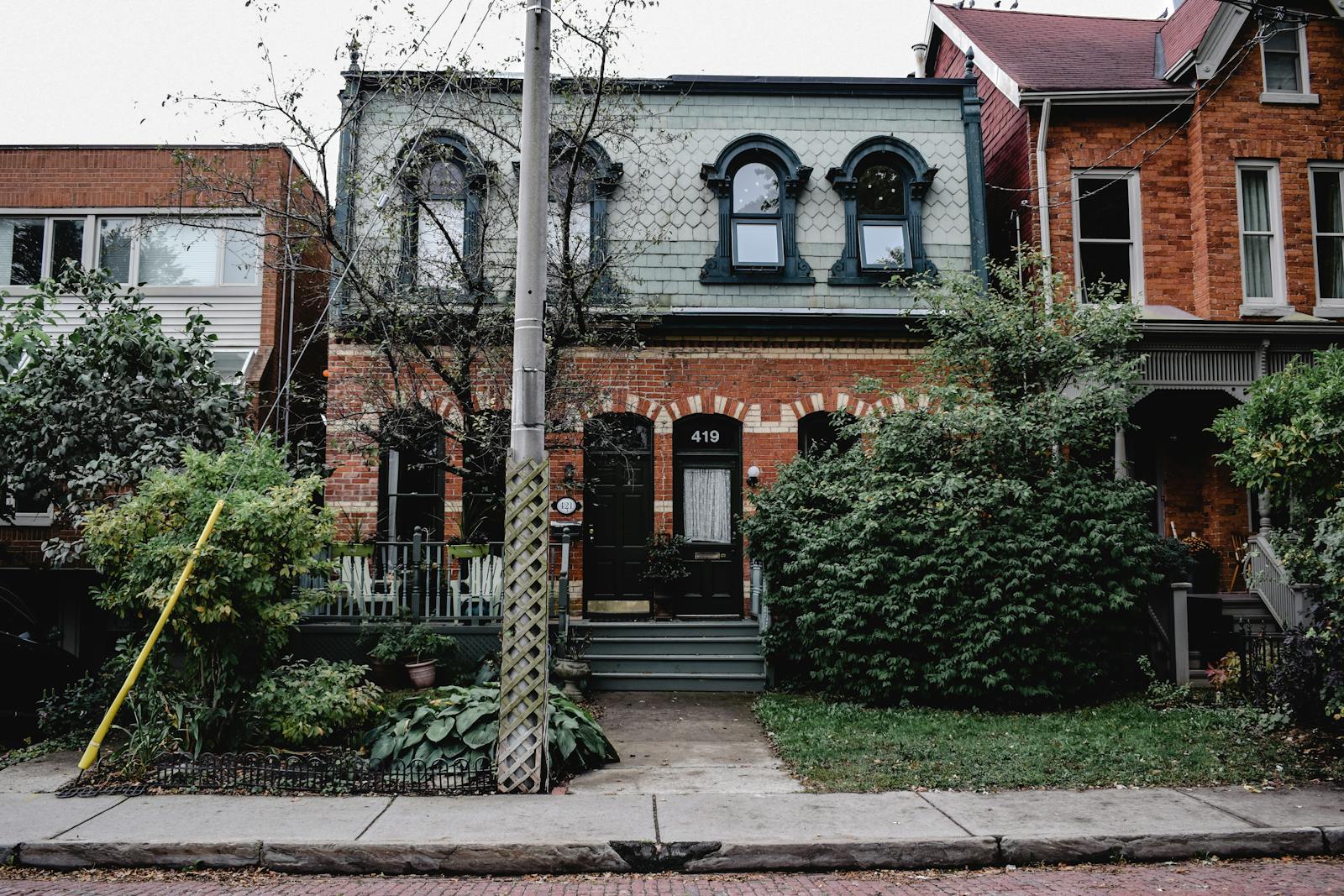
Your 30s are when buying a home starts to feel real. You may have a steadier income, some savings, a partner, a growing family, or simply a strong desire to stop paying someone else's mortgage.
Ottawa is a smart place to do it. Prices are well below Toronto's, buyers currently have more choice and room to negotiate, and the city offers green space, culture and a strong sense of community. But the local job market is going through a rough patch, so a good decision means weighing the whole picture. Here it is.
Please note: market figures are from the Ottawa Real Estate Board (OREB) and the Toronto Regional Real Estate Board (TRREB) for September 2026, as reported in early October. This article is general information, not financial or legal advice. Talk to a mortgage professional and a real estate lawyer about your own situation.
Ottawa's market has been balanced to slightly buyer-friendly this year. In September 2026, 1,010 homes sold, down 6.6% from a year earlier, while new listings rose sharply. The average sale price was $685,640 (down 1.0% year over year) and the median was $625,000.
Homes sold for an average of about 97.5% of their asking price, and the median time on market stretched to 27 days from 22 a year earlier. For buyers, that means more choice, less pressure to bid in a rush, and a better chance to negotiate on price and conditions.
| Property type | Average sale price (Sept 2026) | Change vs. Sept 2025 | Months of inventory |
|---|---|---|---|
| Detached homes | $823,449 | -3.1% | 4.4 |
| Townhomes | $543,337 | -2.2% | 4.0 |
| Apartments / condos | $431,645 | +0.9% | 7.3 |
One of Ottawa's biggest advantages is simple: the same paycheque goes further. The GTA's average selling price in September 2026 was $1,006,409, according to TRREB. Ottawa's was $685,640, about $320,000 lower.
| September 2026 | Ottawa (OREB) | Greater Toronto Area (TRREB) |
|---|---|---|
| Average sale price | $685,640 | $1,006,409 |
| Price change vs. Sept 2025 | -1.0% | -5.1% |
| Home sales vs. Sept 2025 | -6.6% | -9.0% |
For a buyer in their 30s, that gap can mean a bigger down payment relative to price, a lower monthly payment, or the ability to afford a townhome or detached home instead of a small condo. Unlike Toronto, Ottawa also doesn't charge an additional municipal land transfer tax.
3. Programs that can help you buyIf you're a first-time buyer, there's a stack of federal and provincial help available. Eligibility rules apply to each, so confirm the details for your situation.
Contribute up to $8,000 a year, to a $40,000 lifetime limit. Contributions are tax-deductible, and qualifying withdrawals for a first home are tax-free.
Withdraw up to $60,000 from your RRSP toward a down payment without paying tax on the withdrawal, then repay it over time.
First-time buyers can get a refund of up to $4,000 on Ontario's land transfer tax, which your lawyer typically applies at closing.
A federal tax credit worth up to $1,500 for qualifying first-time buyers, claimed on your tax return.
First-time buyers with insured mortgages can choose a 30-year amortization, which lowers the monthly payment compared with 25 years (though you pay more interest overall).
A federal GST rebate for first-time buyers of eligible new homes, worth up to $50,000. Relevant if you're looking at new construction.
In Canada, the minimum down payment is 5% of the first $500,000 of the price and 10% of the portion above that, up to $1.5 million. On a $625,000 home (about Ottawa's median sale price), that works out to a minimum of $37,500. A larger down payment lowers your monthly cost and can avoid mortgage default insurance at 20% down. Confirm current rules with your lender.
Price is only part of the story. Your 30s are when you start planning around quality of life, and Ottawa does that well.
Gatineau Park covers about 361 square kilometres and sits roughly 15 minutes from Parliament Hill, with more than 165 km of trails. Mer Bleue Bog, the Greenbelt and river pathways are even closer.
The Rideau Canal is a UNESCO World Heritage Site, and the calendar includes Winterlude, the Tulip Festival, Canada Day, Nuit Blanche and the national museums.
From walkable downtown neighbourhoods to townhomes in the suburbs and village-style communities, there's a range of home types and settings, often at prices that are hard to find in bigger cities.
A good guide should be honest about the risks, so here's the one that matters most. Ottawa's economy has been under pressure from federal workforce reductions and wider economic uncertainty.
| What the data says | Detail |
|---|---|
| Local job losses | A City of Ottawa staff report cited about 30,500 jobs lost between February 2025 and February 2026, with unemployment at 6.3%. |
| Federal workforce | The Parliamentary Budget Officer counted 344,970 federal public service employees in Q2 2026, down 9,505 from a year earlier. |
| Planned reductions | Budget 2025 outlined plans to reduce the federal public service by 28,000 positions by 2029. |
| Recent trend | Ottawa-Gatineau's unemployment rate was 6.2% in May 2026, after the region added 10,000 jobs that month. |
None of this means you shouldn't buy. It does mean you should buy with a margin of safety. Some of the softness in prices and the extra choice for buyers come from this uncertainty, so lower prices come with real risk.
Think about how secure your job and your partner's job are, and which sectors you could move into if needed. Ottawa has employers well beyond government, including tech, healthcare, education and many others.
Don't stretch to your maximum pre-approval. Keep an emergency fund after closing, and favour a payment you could carry comfortably if your household income dipped. A more modest home you can afford with room to spare is usually better than a stretch.
The right home depends on your life stage, budget and plans for the next five to ten years.
The lowest entry point (about $431,645 on average in September) and the market segment where buyers have the most choice. Good for singles, couples and those who want low maintenance.
Look closely at condo fees, the reserve fund and the status certificate, and think about resale.
A popular middle ground (about $543,337 on average), with more space, and often a small yard and parking, than a condo. A common choice for young families.
The most space and privacy (about $823,449 on average). It's a bigger commitment, and works best if your income is stable and you plan to stay for several years.
Ottawa has communities for every kind of buyer. Here are some that are popular with people in their 30s. A conversation about your priorities is the best way to narrow the list.
Walkable urban neighbourhoods near the Rideau Canal, cafés, restaurants and transit. Good for professionals and couples who want less driving.
In Ottawa's west end, close to the Kanata North tech area and the Canadian Tire Centre, with a mix of townhomes and detached homes.
A south-end community known for newer homes and a family-friendly feel, popular with buyers looking for more space.
An east-end community close to Mer Bleue Bog and the Greenbelt, with family housing and plenty of green space.
A growing west-end community with a strong local calendar of events, markets and family activities.
A village feel on the Rideau River within the City of Ottawa, with heritage sites and a quieter pace of life.
Work out what monthly payment you could carry comfortably, including property taxes, heat, insurance and maintenance. Try the mortgage calculator on our website to see how price, rate and amortization change your payment.
Open an FHSA if you haven't, check whether the Home Buyers' Plan makes sense, and ask your lender about amortization options.
A pre-approval shows what you may be able to borrow and can hold a rate while you shop. Remember that approved is not the same as comfortable.
Visit areas at different times of day, test the commute, and decide what matters most: space, walkability, schools, or being close to work.
With more inventory and homes selling a little under asking, you may have room to negotiate on price and conditions such as a home inspection. Set aside money for legal fees, inspection and moving, on top of your down payment.
Is Ottawa a good place to buy a home in your 30s?
For many buyers, yes. Prices are well below Toronto's, buyers have more choice and negotiating room right now, and the city has strong green space and community. The main caution is the local job market, so make sure your budget and job security can support the purchase.
Is it a buyer's market or a seller's market in Ottawa?
It has been balanced and is leaning toward buyers. In September 2026, there were about 4.8 months of inventory overall, homes sold for about 97.5% of asking on average, and new listings rose sharply. Conditions vary by property type and neighbourhood.
What is the average home price in Ottawa?
In September 2026, the average residential sale price was $685,640 and the median was $625,000, according to OREB data. Detached homes averaged about $823,449, townhomes about $543,337 and apartments about $431,645.
How much cheaper is Ottawa than Toronto?
The average sale price in September 2026 was about $320,000 lower in Ottawa than in the GTA ($685,640 compared with $1,006,409). The two figures cover different areas, so use it as a general guide.
What first-time buyer programs can I use in Ottawa?
Options include the FHSA, the RRSP Home Buyers' Plan, the Home Buyers' Amount, Ontario's land transfer tax refund of up to $4,000, 30-year insured amortizations, and a federal GST rebate for eligible new homes. Eligibility rules apply, so confirm the details.
Should I be worried about federal public service job cuts?
It's worth factoring in. Ottawa has seen job losses and a planned reduction of the federal public service. Buy with a margin of safety, keep an emergency fund, and avoid stretching to your maximum approval.
Ready to start looking in Ottawa?
The Ali Realty Group team can help you understand the market, compare neighbourhoods and plan your purchase. Call us at 613-327-0131 or visit alirealtygroup.com.
Buying a home in your 30s is a big milestone, and Ottawa offers a compelling mix: lower prices than Toronto, more choice for buyers, helpful first-time buyer programs and a great quality of life. It also comes with a softer job market, so the best approach is a thoughtful one.
Take your time, buy within a comfortable budget, and choose a home and neighbourhood that fit the life you want. From all of us at Ali Realty Group, we're here to help.