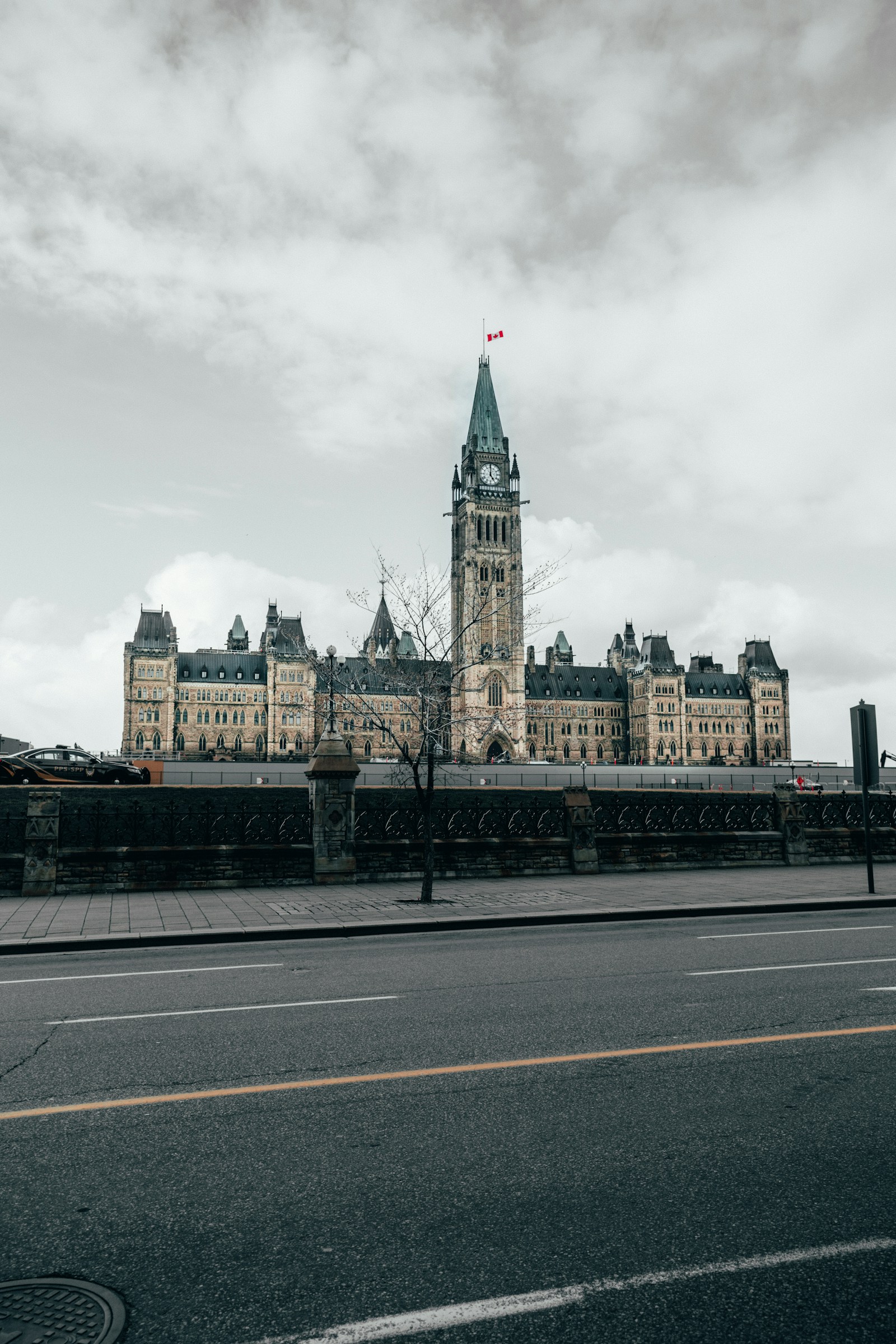
How Ottawa Residents Define “Safe”
Safety is one of the top priorities for anyone moving to a new city, and Ottawa consistently ranks as one of Canada’s safest large cities. But when locals talk about safety in 2026, they’re not just referring to crime statistics. They’re talking about how it feels to live in a neighbourhood—walking at night, letting kids play outside, knowing your neighbours, and trusting your community.
This guide explores Ottawa’s safest neighbourhoods in 2026, based on what residents commonly say matters most.
1. What Safety Really Means in Ottawa
In Ottawa, safety goes beyond numbers.
Locals often describe safe neighbourhoods as places with:
Low levels of serious crime
Quiet residential streets
Strong community involvement
Visible pride of ownership
Good lighting and walkability
Many residents emphasize consistency and predictability—knowing what to expect day to day.
2. Factors That Contribute to Neighbourhood Safety
Several factors consistently show up in Ottawa’s safest areas:
Stable housing with high owner-occupancy
Access to schools, parks, and community centres
Active neighbourhood associations
Well-maintained public spaces
Regular foot traffic and visibility
Neighbourhoods with engaged residents tend to feel safer regardless of location.
3. Safest Family-Friendly Neighbourhoods
Families often prioritize safety above all else.
Neighbourhoods locals frequently describe as very safe for families include:
Areas with strong school catchments
Streets designed to limit through traffic
Numerous parks and playgrounds
A high number of long-term residents
Parents often mention comfort letting children walk or bike within the neighbourhood.
4. Safest Suburban Neighbourhoods
Ottawa’s suburbs are often highlighted for their sense of security.
Why suburbs feel safe to many locals:
Lower population density
Newer infrastructure and lighting
Strong community planning
Active local schools and sports programs
Suburban areas are especially popular with families and first-time buyers seeking peace of mind.
5. Safest Urban & Central Neighbourhoods
Safety isn’t limited to the suburbs.
Several central neighbourhoods are frequently described as safe due to:
Consistent foot traffic
Mixed residential and commercial use
Strong transit access
Well-established communities
Locals often say these areas feel safer because there are “eyes on the street” at most hours.
6. Why Locals Feel Safe Living in These Areas
When asked why they feel safe, Ottawa residents often mention:
Knowing their neighbours
Seeing familiar faces regularly
Community events and local engagement
Responsive city services
The sense of connection plays a major role in perceived safety.
7. How Safety Impacts Home Values
Safety and real estate value go hand in hand.
In Ottawa:
Safer neighbourhoods tend to hold value better
Demand remains strong even in slower markets
Buyers are willing to pay a premium for peace of mind
For many buyers, safety is considered a long-term investment rather than just a preference.
8. Tips for Choosing a Safe Neighbourhood
If safety is a priority, locals recommend:
Visiting neighbourhoods at different times of day
Talking to residents directly
Observing street activity and upkeep
Reviewing school and park access
Trusting how the area feels, not just how it looks online
Personal experience often tells you more than statistics alone.
FAQs
Q1: Is Ottawa a safe city overall?
Yes, Ottawa is widely considered one of Canada’s safest major cities.
Q2: Are suburbs safer than downtown?
Not always—many central areas feel just as safe due to activity and community presence.
Q3: Do safer neighbourhoods cost more?
Often, yes—but they also hold value better.
Q4: Is safety different during winter?
Many locals say winter feels quieter and calmer.
Q5: Is safety important for resale value?
Absolutely—buyers consistently prioritize it.
Q6: Can neighbourhood safety change over time?
Yes, but Ottawa’s safest areas tend to remain stable.
Conclusion
In 2026, Ottawa continues to offer a high level of safety across many neighbourhoods—but the safest areas share common traits: strong communities, pride of ownership, and active local life. While statistics matter, what locals consistently emphasize is how a neighbourhood feels. Choosing the right area means balancing data with firsthand experience, ensuring peace of mind today and long-term confidence for the future.