RSS

How to Create a Low-Maintenance Backyard Oasis

Your backyard should be a relaxing retreat, not a source of constant upkeep. With thoughtful planning, you can create a low-maintenance backyard oasis that balances beauty, comfort, and functionality. Here’s how to design a space that’s perfect for unwinding without requiring endless hours of work.


1. Choose Low-Maintenance Landscaping

Simplify your yard’s upkeep with landscaping choices that thrive with minimal care.

  • Opt for Native Plants: Native species are adapted to your local climate, requiring less water and fertilizer.

  • Use Perennials: Unlike annuals, perennials return year after year, reducing replanting needs.

  • Group Plants Strategically: Place plants with similar water and sunlight needs together to simplify watering and maintenance.

Pro Tip: Mulch around plants to suppress weeds, retain moisture, and improve soil health.


2. Incorporate Artificial Grass or Hardscaping

Cut down on mowing and watering with alternatives to traditional lawns.

  • Artificial Turf: Offers the look of grass without the upkeep.

  • Gravel or Stone Paths: Durable and stylish, these options eliminate the need for regular lawn care.

  • Paver Patios: A patio made from stone, brick, or concrete requires little maintenance and provides a functional outdoor living space.


3. Install Automated Systems

Modern technology can make maintaining your backyard a breeze.

  • Irrigation Systems: Drip irrigation or timed sprinklers ensure your plants get water without manual effort.

  • Outdoor Lighting: Solar-powered or low-voltage lights add ambiance and safety without frequent upkeep.

Pro Tip: Smart irrigation systems can adjust watering schedules based on weather conditions, saving water and effort.


4. Add Durable Furniture

Invest in furniture that can withstand the elements with minimal care.

  • Weather-Resistant Materials: Choose furniture made from materials like teak, aluminum, or resin wicker.

  • Easy-to-Clean Fabrics: Look for cushions with removable, machine-washable covers or quick-dry outdoor fabrics.

  • Storage Solutions: Use a deck box or outdoor storage to protect cushions and accessories during bad weather.


5. Create Low-Maintenance Features

Incorporate design elements that are both functional and easy to maintain.

  • Decking: Composite decking resists fading, splintering, and staining better than traditional wood.

  • Water Features: Opt for self-contained fountains or ponds with filtration systems to minimize cleaning.

  • Fire Pits: Gas-powered fire pits are cleaner and require less upkeep than wood-burning ones.


6. Focus on Shade and Shelter

Reduce heat and sun exposure to make your backyard more comfortable year-round.

  • Pergolas or Gazebos: Provide shade while adding visual appeal.

  • Retractable Awnings: Offer flexible sun protection.

  • Trees or Vines: Strategically placed greenery can create natural shade over time.


7. Keep it Simple

A minimalist approach to your backyard design reduces maintenance demands.

  • Limit Plant Varieties: Fewer plant types mean less specialized care.

  • Use Containers: Potted plants are easier to move, water, and maintain than in-ground gardens.

  • Declutter: Stick to essential furniture and décor for a clean, organized look.


8. Plan for Easy Cleanup

Design your backyard with maintenance in mind.

  • Outdoor Rugs: Choose washable or quick-dry rugs for a cozy touch without extra hassle.

  • Pressure Washing: Hard surfaces like patios and decks can be quickly cleaned with a pressure washer.

  • Leaf Blowers: A leaf blower can simplify clearing debris from patios, walkways, and lawns.


Conclusion

Creating a low-maintenance backyard oasis is about making smart choices that balance beauty and functionality. By choosing easy-care plants, durable materials, and automated systems, you can enjoy a serene outdoor retreat without the stress of constant upkeep.

Ready to transform your backyard into a hassle-free haven? Start small, and before you know it, you’ll have a space you can enjoy year-round!


Read

Real Estate Scams to Watch Out For and How to Avoid Them

Real estate transactions often involve significant financial commitments, making them prime targets for scammers. Whether you’re buying, selling, or renting, it’s essential to be vigilant to avoid falling victim to fraudulent schemes. By recognizing common real estate scams and learning how to protect yourself, you can navigate the market with confidence.

Here’s a guide to some of the most prevalent real estate scams and how to avoid them.


1. Wire Transfer Fraud

Scammers intercept emails between buyers and real estate professionals to redirect funds into their own accounts.

  • How It Works: Hackers pose as a real estate agent, title company, or attorney, providing fraudulent wiring instructions at the last minute.

  • How to Avoid It:

    • Always verify wiring instructions with your agent or attorney in person or via a verified phone number.

    • Be cautious of last-minute changes to payment details.

    • Look for signs of phishing emails, such as grammatical errors or unusual sender addresses.


2. Fake Rental Listings

Scammers steal legitimate property listings and repost them on rental websites to collect deposits from unsuspecting renters.

  • How It Works: Victims are asked to wire a security deposit or first month’s rent without seeing the property in person.

  • How to Avoid It:

    • Never send money without viewing the property and meeting the landlord.

    • Be wary of deals that seem too good to be true.

    • Cross-check listings on reputable platforms and verify property ownership through public records.


3. Foreclosure Relief Scams

Homeowners facing foreclosure are often targeted by scammers offering fraudulent assistance programs.

  • How It Works: Scammers promise to save your home in exchange for upfront fees but disappear without providing any help.

  • How to Avoid It:

    • Avoid anyone who guarantees to stop foreclosure or requests payment upfront.

    • Work directly with your mortgage lender or a HUD-approved housing counselor.

    • Research any company offering assistance and verify their legitimacy.


4. Title Fraud

Scammers steal property titles by forging documents and transferring ownership to themselves. They may then take out loans against the property or sell it.

  • How It Works: Fraudsters use stolen identities to forge documents and illegally transfer property ownership.

  • How to Avoid It:

    • Regularly check your property records for unauthorized changes.

    • Purchase title insurance for added protection.

    • Use strong passwords and safeguard personal information to prevent identity theft.


5. Bait-and-Switch Moving Scams

Fraudulent moving companies provide low estimates but demand significantly higher fees once they have your belongings.

  • How It Works: After loading your items, scammers refuse to deliver them until you pay exorbitant fees.

  • How to Avoid It:

    • Research moving companies thoroughly and read reviews.

    • Get written estimates and ensure they’re binding.

    • Avoid movers who demand cash-only payments or require large deposits upfront.


6. Investment Property Scams

Scammers prey on investors by offering fake or overvalued properties with promises of high returns.

  • How It Works: Fraudsters use doctored photos and false claims to sell non-existent or subpar properties.

  • How to Avoid It:

    • Conduct thorough due diligence, including property inspections and title searches.

    • Work with licensed agents and attorneys to verify all details.

    • Be wary of high-pressure tactics or unrealistic guarantees.


7. "We Buy Houses" Scams

Some companies targeting distressed sellers make lowball offers or use predatory contracts.

  • How It Works: Scammers offer to buy your home quickly for cash, then trap you in contracts with hidden fees or unfavorable terms.

  • How to Avoid It:

    • Research companies offering to buy your home and read reviews.

    • Consult with a real estate attorney before signing any contract.

    • Compare offers from multiple buyers to ensure you’re getting a fair deal.


8. Fake Real Estate Agents

Unlicensed individuals pose as agents to collect fees or sensitive information from buyers and sellers.

  • How It Works: Fraudsters claim to be licensed agents and charge fees for fake services or access to properties.

  • How to Avoid It:

    • Verify agent credentials with your local real estate board or licensing authority.

    • Avoid working with agents who lack proper documentation or references.

    • Be cautious of agents asking for upfront fees for services.


9. Escrow Fraud

Scammers pose as escrow companies to divert funds during transactions.

  • How It Works: Fraudsters set up fake escrow accounts and convince buyers or sellers to deposit money.

  • How to Avoid It:

    • Work only with escrow companies recommended by your agent or attorney.

    • Verify the legitimacy of the escrow company and its licensing.

    • Confirm escrow account details in person or via verified contact information.


10. Fake House Flipping Seminars

Scammers lure aspiring investors into paying for expensive "training programs" that offer little to no value.

  • How It Works: Victims are promised insider knowledge on house flipping but end up paying for vague or generic advice.

  • How to Avoid It:

    • Research the credibility of the seminar or program.

    • Avoid programs requiring significant upfront payments.

    • Seek advice from experienced professionals before investing in training.


Conclusion

Real estate scams can be costly and stressful, but being informed is your best defense. Stay vigilant, verify all information, and work with reputable professionals throughout the process. If something feels off, trust your instincts and investigate further.

For trustworthy guidance in buying, selling, or renting, reach out to me today. Together, we can ensure your real estate journey is safe, smooth, and successful.

Read

Renovations to Avoid If You Plan to Sell Soon

When preparing to sell your home, renovations can increase its market appeal and value. However, not all upgrades provide a good return on investment. Some improvements may cost more than they’re worth or even deter potential buyers. If you’re planning to sell soon, it’s essential to focus on renovations that appeal to a broad audience and avoid those that could hurt your bottom line.

Here are the renovations you should think twice about before putting your home on the market.


1. Over-Personalized Designs

While bold colors, custom murals, or themed rooms might suit your tastes, they can alienate buyers.

  • Why Avoid? Buyers may find it hard to envision themselves in the space if the decor is too specific or personal.

  • Alternative: Opt for neutral paint colors and simple decor to appeal to a wider audience.


2. High-End Upgrades That Don’t Match the Neighborhood

Luxury features like marble countertops or imported fixtures might seem impressive, but they can backfire if your home is in a modestly priced area.

  • Why Avoid? Buyers may be unwilling to pay a premium for features that outpace the local market.

  • Alternative: Invest in mid-range upgrades that align with comparable homes in the area.


3. Converting Bedrooms into Specialty Spaces

Turning a bedroom into a gym, office, or walk-in closet might seem like a good idea, but it can reduce your home’s perceived value.

  • Why Avoid? Fewer bedrooms may limit your buyer pool, especially for families who prioritize bedroom count.

  • Alternative: Keep the bedroom functional and stage it to highlight its versatility.


4. Installing a Pool

While pools can be a dream feature for some, they are a potential dealbreaker for others due to maintenance costs and safety concerns.

  • Why Avoid? Pools are expensive to install and maintain, and they don’t guarantee a significant return on investment.

  • Alternative: Focus on improving outdoor spaces with low-maintenance landscaping or a simple patio area.


5. Over-the-Top Kitchen or Bathroom Remodels

A high-end kitchen or spa-like bathroom might seem like a great selling point, but extravagant updates don’t always pay off.

  • Why Avoid? Buyers may not share your taste, and you might not recoup the costs in your sale price.

  • Alternative: Stick to cost-effective updates like replacing cabinet hardware, adding a fresh coat of paint, or updating fixtures.


6. Removing Closets

Removing closets to expand a room may seem like a smart way to maximize space, but storage is a top priority for most buyers.

  • Why Avoid? Lack of storage can make your home less functional and less appealing to buyers.

  • Alternative: Preserve closet space and consider creative storage solutions instead.


7. Wall-to-Wall Carpeting

Carpeting can feel cozy, but many buyers prefer hardwood or laminate flooring due to durability and ease of maintenance.

  • Why Avoid? Carpet is harder to clean and can feel dated compared to other flooring options.

  • Alternative: If replacing carpet isn’t feasible, have it professionally cleaned and focus on staging with rugs to add warmth.


8. Expensive Landscaping Overhauls

While curb appeal is essential, extravagant landscaping projects might not provide the return you expect.

  • Why Avoid? Buyers might see high-maintenance gardens or elaborate features as a burden rather than a benefit.

  • Alternative: Keep landscaping simple and tidy with trimmed hedges, fresh mulch, and a manicured lawn.


9. Installing High-Maintenance Features

Additions like built-in aquariums, elaborate water features, or specialty lighting can seem impressive but might turn off practical buyers.

  • Why Avoid? These features often require ongoing maintenance that buyers may not want to take on.

  • Alternative: Focus on upgrades that are easy to maintain and universally appealing.


10. DIY Projects Gone Wrong

Poorly executed DIY renovations can hurt your home’s value and leave buyers questioning the quality of other aspects of the property.

  • Why Avoid? Unprofessional finishes or visible flaws can make your home look less appealing.

  • Alternative: If you’re not confident in your skills, hire a professional to ensure high-quality results.


Conclusion

When preparing to sell, it’s crucial to prioritize renovations that are cost-effective, appeal to a broad audience, and align with market expectations. Avoid over-personalized, extravagant, or impractical updates that could limit your home’s appeal or fail to deliver a solid return on investment.

Not sure which updates will yield the best results for your home? Contact me for personalized advice on preparing your property for a successful sale!

Read

Relocation for Retirement: What to Consider Before Making a Move

Retirement is the perfect time to embrace a new chapter of life, and for many, that includes relocating. Whether you’re dreaming of warmer climates, a quieter lifestyle, or being closer to family, moving after retirement can offer exciting opportunities. However, a successful transition requires careful planning and consideration.

Here’s a guide to help you navigate the key factors to consider before making your retirement relocation decision.


1. Cost of Living

Understanding the cost of living in your potential new location is crucial. This includes:

  • Housing Costs: Research home prices, property taxes, and rental rates.

  • Everyday Expenses: Compare utility costs, groceries, transportation, and other living expenses.

  • Healthcare Costs: Look into the availability and affordability of medical services, as healthcare becomes increasingly important with age.


2. Climate and Weather

Retirement is often associated with escaping harsh winters, but consider how a region’s climate suits your lifestyle:

  • Seasonal Preferences: Do you prefer mild weather year-round or distinct seasons?

  • Weather Events: Check for the likelihood of hurricanes, flooding, or extreme heat in your desired area.

  • Health Impacts: Certain climates can affect health conditions like arthritis or allergies.


3. Proximity to Family and Friends

Consider how important it is to remain close to loved ones. Relocating far away might create challenges in maintaining relationships, while moving closer can provide emotional support and social connections.

If staying connected is a priority, research the cost and convenience of travel options to visit family and friends regularly.


4. Access to Healthcare

Your new location should have quality healthcare facilities and providers. Factors to evaluate include:

  • Hospitals and Clinics: How close are reputable hospitals and specialists?

  • Medicare or Insurance: Ensure local providers accept your insurance or Medicare plans.

  • Senior Services: Look for communities offering healthcare tailored to seniors, such as wellness programs or in-home care services.


5. Activities and Lifestyle

Think about how you want to spend your retirement years and whether the area aligns with your interests:

  • Hobbies and Recreation: Are there opportunities for golf, hiking, arts, or other hobbies you enjoy?

  • Social Scene: Check for senior centers, clubs, or organizations that foster connections and engagement.

  • Cultural Amenities: Consider access to museums, theaters, restaurants, or other cultural attractions.


6. Taxes and Financial Implications

Some states and countries are more retirement-friendly than others when it comes to taxes. Investigate:

  • Income Tax: Some regions don’t tax pensions, Social Security benefits, or retirement income.

  • Property Tax: Compare property tax rates and potential senior discounts or exemptions.

  • Inheritance and Estate Tax: Understand how your new location handles estate taxes to ensure your financial plans remain intact.


7. Housing Options

Decide on the type of housing that best fits your retirement lifestyle:

  • Downsizing: A smaller home might be easier to maintain and reduce expenses.

  • 55+ Communities: These neighborhoods often offer amenities and activities tailored to retirees.

  • Vacation Home to Permanent Home: If you own a second home, consider making it your primary residence.

  • Renting vs. Buying: Renting may offer flexibility, while buying provides long-term stability.


8. Transportation

Evaluate the transportation options in your desired area:

  • Walkability: Can you access shops, restaurants, and services without needing a car?

  • Public Transit: Check for reliable buses, trains, or other public transportation options.

  • Driving: Consider road conditions, traffic, and proximity to highways for ease of travel.


9. Community and Safety

Feeling safe and connected to your community is vital during retirement. Research:

  • Crime Rates: Look into local crime statistics and overall safety.

  • Neighborhood Vibe: Visit the area to get a sense of the community atmosphere.

  • Senior-Friendly Services: Look for services like grocery delivery, home maintenance support, and transportation for seniors.


10. Test the Waters

Before committing to a move, try living in your chosen area temporarily:

  • Rent First: Renting a home for a few months allows you to experience the location without long-term commitment.

  • Seasonal Visits: Spend time in the area during different seasons to understand how it feels year-round.

  • Talk to Locals: Engage with residents to learn about the pros and cons of living there.


Conclusion

Relocating for retirement is a life-changing decision that requires thoughtful planning and research. By carefully weighing factors like cost of living, climate, access to healthcare, and lifestyle preferences, you can ensure your new home aligns with your retirement dreams.

If you’re considering relocating and need guidance on finding the perfect property or community, I’m here to help. Let’s work together to make your retirement move as seamless and stress-free as possible. Reach out today to get started!

Read

New property listed in Ottawa

I have listed a new property at 508 200 Rideau Street in Ottawa. See details here

Welcome to 200 Rideau! This spacious and bright 2-bedroom, 2-bathroom unit is located in one of Ottawa's most popular neighbourhoods. Perfectly situated near transit, the University of Ottawa, Rideau Centre, ByWard Market, and a variety of restaurants and amenities, this property offers unparalleled convenience and urban living. The unit features hardwood flooring throughout, quartz countertops with an eat-up-breakfast bar island and stainless steel appliances. This unit is ideal for professionals, or anyone looking to enjoy the vibrant downtown Ottawa lifestyle. **** EXTRAS **** Parking available for an extra $200/m. (id:2493)

Read

How to Create a Home Office That Boosts Productivity

With the rise of remote work, having a well-designed home office has become a necessity for many. A dedicated workspace can not only improve your focus but also enhance your overall productivity and work-life balance. Whether you’re setting up a new home office or upgrading your current space, designing it thoughtfully is key to maximizing your efficiency.

Here are actionable tips to help you create a home office that inspires productivity and comfort.


1. Choose the Right Location

Selecting the right spot for your home office is the first step in creating an effective workspace.

  • Prioritize Quiet: Choose a room or corner away from high-traffic areas to minimize distractions.

  • Consider Natural Light: A spot near a window can boost your mood and reduce eye strain.

  • Evaluate Space Needs: Ensure the area is large enough to accommodate your desk, chair, and storage needs without feeling cramped.


2. Invest in Ergonomic Furniture

Comfort is critical when spending long hours at your desk.

  • Chair: Select an ergonomic chair with adjustable height, lumbar support, and padded armrests to protect your posture.

  • Desk: Opt for a desk with ample surface area to hold your computer, documents, and other essentials. Consider a standing desk for flexibility.

  • Footrest: If your feet don’t rest flat on the floor, a footrest can improve circulation and reduce discomfort.


3. Optimize Lighting

Good lighting is essential to avoid eye strain and maintain focus.

  • Natural Light: Maximize natural light by positioning your desk near a window, but avoid direct glare on your screen.

  • Task Lighting: Use a desk lamp with adjustable brightness to illuminate your workspace.

  • Warm vs. Cool Light: Opt for a combination of warm and cool light to mimic daylight and reduce fatigue.


4. Organize Your Workspace

Clutter can be a significant productivity killer. Keep your space tidy with these tips:

  • Use Storage Solutions: Incorporate shelves, drawers, or cabinets to keep supplies and documents organized.

  • Cable Management: Use clips or sleeves to bundle cables and maintain a clean, distraction-free desk.

  • Desktop Essentials: Only keep items you use frequently on your desk, such as your computer, a notepad, and a pen.


5. Personalize Your Space

Adding personal touches can make your workspace more inviting and boost your motivation.

  • Decor: Include a few decorative items like artwork, plants, or framed photos for inspiration.

  • Colors: Use calming colors like blues and greens for focus, or energizing colors like yellow for creativity.

  • Comfort Items: Consider a cozy rug, a throw blanket, or a small cushion to make the space feel more comfortable.


6. Ensure a Strong Internet Connection

A reliable internet connection is vital for remote work.

  • Upgrade Your Plan: If your work involves video conferencing or large file transfers, ensure your plan offers sufficient speed.

  • Use a Wired Connection: A direct connection via Ethernet can improve speed and stability.

  • Boost Wi-Fi Signal: Consider a Wi-Fi extender if your workspace is far from the router.


7. Reduce Distractions

Maintaining focus is easier when you minimize disruptions.

  • Noise Control: Use noise-canceling headphones or a white noise machine to block out distractions.

  • Boundaries: Set boundaries with family members or housemates to avoid interruptions during work hours.

  • Phone Management: Turn off unnecessary notifications and keep your phone out of arm’s reach unless needed.


8. Add Productivity Tools

Equip your home office with tools that streamline your workflow:

  • Monitor: If you work on a laptop, a larger monitor can improve comfort and productivity.

  • Keyboard and Mouse: Invest in a high-quality keyboard and mouse for ergonomic typing and navigation.

  • Planner or Whiteboard: Use a planner, calendar, or whiteboard to track tasks and deadlines visually.


9. Maintain Work-Life Balance

It’s easy to blur the lines between work and home when your office is just steps away.

  • Set a Schedule: Stick to defined work hours and take regular breaks to recharge.

  • Physical Boundaries: Close the door or use a partition to signal the start and end of your workday.

  • Unplug: Resist the urge to work outside of office hours to avoid burnout.


10. Evaluate and Adjust

Your needs may change over time, so regularly assess your home office setup:

  • Comfort Check: Make adjustments to your chair, desk height, or lighting if discomfort arises.

  • Tech Upgrades: Keep your equipment updated to avoid slowdowns or technical issues.

  • Rearrange: Experiment with different layouts to find what works best for your productivity.


Conclusion

Creating a productive home office doesn’t require a massive budget—just thoughtful planning and attention to detail. By focusing on comfort, organization, and functionality, you can design a workspace that keeps you motivated and efficient.

If you’re looking for a home with the perfect space to create your dream office, contact me today. Together, we’ll find a property that meets your work-from-home needs and lifestyle!

Read

New property listed in Ottawa

I have listed a new property at 617 105 Champagne Avenue South in Ottawa. See details here

Welcome to Envie II! This bright & spacious, two bedroom, two bathroom unit offers modern finishes; exposed concrete features, quartz countertops and stainless steel appliances. Centrally located in the Dow's Lake/Little Italy area, steps from the O-Train, Carleton University, The Civic Hospital, restaurants, walking/biking paths & more. Perfect for students or young professionals. The building amenities include: concierge, a fitness centre, study lounges, penthouse lounge with a games area, & a 24/7 grocery store on site. Parking available for rent from management. This unit is being sold fully furnished. Condo fees include heat, a/c, water and internet. **TENANT MUST BE ASSUMED** Fixed term lease in place until December 26th, 2025 at a rate of $2,200/m. **** EXTRAS **** Fully furnished. (id:2493)

Read

New property listed in Ottawa

I have listed a new property at 607 105 Champagne Avenue South in Ottawa. See details here

Welcome to Envie II! This bright & spacious, two bedroom unit offers modern finishes; exposed concrete features, quartz countertops and stainless steel appliances. Centrally located in the Dow's Lake/Little Italy area, steps from the O-Train, Carleton University, The Civic Hospital, restaurants, walking/biking paths & more. Perfect for students or young professionals. The building amenities include: concierge, a fitness centre, study lounges, penthouse lounge with a games area, & a 24/7 grocery store on site. Parking available for rent from management. This unit is being sold fully furnished. Condo fees include heat, a/c, water and internet. **TENANT MUST BE ASSUMED** Fixed term lease in place until August 26th, 2025 at a rate of $2,200/m. **** EXTRAS **** Fully furnished (id:2493)

Read

New property listed in Ottawa

I have listed a new property at 2605 179 Metcalfe Street in Ottawa. See details here

Welcome to Tribeca, a premier condo in the heart of Centretown! This modern 1-bedroom + study, 1-bathroom unit offers a sleek and functional layout with high-end finishes throughout. The kitchen features rich cabinetry, granite countertops, and stainless steel appliances. The open-concept living space is bright and inviting, with floor-to-ceiling windows and stunning city views. Located steps from public transit, the University of Ottawa, Parliament Hill, Rideau Centre, ByWard Market, Elgin Street, Bank Street, Sparks Street, and much more, this property is at the centre of everything Ottawa has to offer. Convenience is key with a Farm Boy grocery store and The Wine Shop right on the buildings main commercial level. Parking is available for an additional $200/month. Don't miss your chance to live in this vibrant and sought-after community! **** EXTRAS **** Parking available for an additional $200/m. (id:2493)

Read

What to Know About Pre-Construction Condos and Homes

Buying a pre-construction condo or home is an exciting opportunity to own a brand-new property tailored to your tastes and preferences. However, it’s a unique process that differs significantly from purchasing a resale home. From payment structures to timelines, understanding the ins and outs of pre-construction purchases is essential to making an informed decision.

This guide will walk you through what you need to know about pre-construction condos and homes, highlighting both the benefits and the potential challenges.


The Benefits of Buying Pre-Construction

1. Customization Options

One of the biggest advantages of buying pre-construction is the ability to customize your home. You can often select finishes, flooring, cabinetry, and even layout options, ensuring your home reflects your personal style.

2. Modern Features

Pre-construction homes are built with the latest designs, technologies, and energy-efficient features. From open-concept layouts to smart home systems, you’ll enjoy the benefits of modern living without needing renovations.

3. Potential for Appreciation

Buying a pre-construction property often means securing today’s prices for a home that will be worth more once completed. In rapidly growing areas, this can result in significant equity gains by the time you move in.

4. Lower Maintenance Costs

Since everything in a pre-construction home is brand new, you’re unlikely to face major maintenance or repair costs for several years. This can save you money compared to an older home that may need upgrades or repairs.

5. Extended Timeline for Payment

Pre-construction purchases usually offer a flexible deposit structure, allowing you to make payments in stages over the construction period. This gives buyers more time to save and manage finances.


Things to Consider Before Buying Pre-Construction

1. Delays Are Common

Construction timelines are often subject to delays due to weather, supply chain issues, or labor shortages. It’s important to be prepared for potential changes to your move-in date.

2. Deposit Requirements

Pre-construction properties typically require a higher deposit (15-20% of the purchase price) compared to resale homes. This deposit is usually paid in installments over time, but buyers need to ensure they have the funds ready.

3. Development Risks

While most builders complete their projects, there’s always a risk of delays, cancellations, or quality issues. Choosing a reputable builder with a strong track record is crucial to minimizing these risks.

4. Interim Occupancy Period (Condos)

For pre-construction condos, there may be an interim occupancy period when you can move into the unit but don’t officially own it yet. During this time, you’ll pay “occupancy fees,” which include interest on the unpaid balance, estimated maintenance fees, and property taxes.

5. Hidden Costs

Additional costs can include development charges, legal fees, and taxes like HST (in Canada) for new builds. Make sure to budget for these expenses and consult with your lawyer to understand all the fees involved.


Steps to Buying Pre-Construction

1. Research the Builder

Start by researching the builder’s reputation, past projects, and customer reviews. A reliable builder is key to ensuring the quality and timely delivery of your property.

2. Understand the Floor Plans

Carefully review the floor plan and ask for clarification on dimensions, layouts, and included features. Visit the sales center or model units to get a feel for the space.

3. Consult a Real Estate Agent

A knowledgeable real estate agent experienced in pre-construction purchases can help you navigate the process, review contracts, and negotiate terms. They can also ensure you’re choosing a property in a promising area.

4. Review the Agreement

Pre-construction agreements are lengthy and complex. Work with a real estate lawyer to review the terms, including deposit schedules, cancellation policies, and warranties. Ensure there’s clarity on what happens in case of delays or changes to the project.

5. Budget for Closing Costs

Set aside funds for closing costs, which can include legal fees, land transfer taxes, and builder adjustments. These costs can add up to 1.5-4% of the purchase price.


Is Pre-Construction Right for You?

Pre-construction homes and condos are ideal for buyers who:

  • Want to customize their living space.

  • Are comfortable with waiting for completion.

  • Are investing in a growing area with strong potential for appreciation.

  • Have a flexible timeline and can handle possible delays.

However, if you need a home quickly or prefer seeing a finished property before purchasing, a resale home might be a better fit.


Conclusion

Buying a pre-construction condo or home can be a rewarding investment, offering customization, modern features, and the chance to own a brand-new property. However, it’s essential to approach the process with careful planning, thorough research, and a clear understanding of the potential challenges.

If you’re considering a pre-construction property, working with an experienced real estate professional can make all the difference. Contact me today to discuss your options and find the perfect opportunity in the pre-construction market!

Read

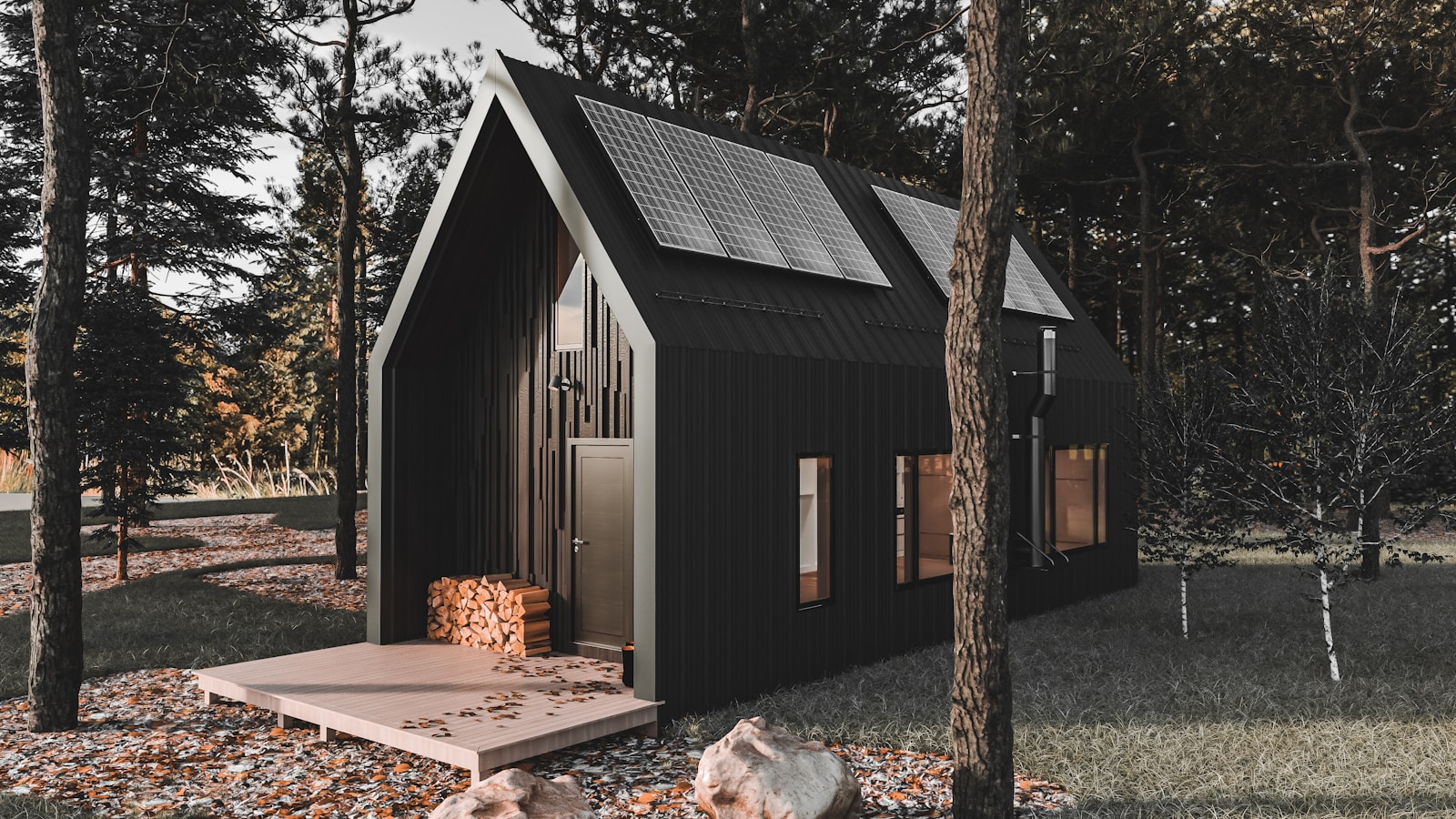
Tiny Homes: Is Downsizing Right for You?

In recent years, the tiny home movement has gained significant momentum, with more people opting to downsize and embrace a simpler, more minimalist lifestyle. Whether driven by financial savings, environmental concerns, or a desire for greater freedom, tiny homes are reshaping the way we think about housing.

But is downsizing to a tiny home right for you? In this blog, we’ll explore the pros, cons, and considerations to help you decide if joining the tiny home revolution is the right move.


What Is a Tiny Home?

A tiny home is typically a house under 400 square feet, designed to maximize space and functionality. These homes come in various forms, including:

  • Tiny Houses on Wheels (THOWs): Portable homes built on trailers for mobility.

  • Fixed Tiny Homes: Permanent small houses built on traditional foundations.

  • Container Homes: Homes repurposed from shipping containers, offering durability and sustainability.

  • ADUs (Accessory Dwelling Units): Tiny homes situated on the same property as a larger main house.


The Benefits of Downsizing to a Tiny Home

1. Financial Freedom

Tiny homes are significantly more affordable than traditional homes, with prices ranging from $20,000 to $100,000 on average. This lower cost allows buyers to avoid large mortgages, freeing up income for other priorities like travel, education, or investments.

2. Minimal Maintenance

With less square footage, maintenance and cleaning become much easier and quicker. Tiny homes also reduce the need for extensive repairs or costly renovations.

3. Sustainability

Tiny homes are eco-friendly by design, using fewer materials during construction and consuming less energy. Many tiny homeowners also incorporate sustainable features, such as solar panels, composting toilets, and rainwater collection systems.

4. Mobility and Freedom

For those who choose tiny homes on wheels, the ability to move your home offers unmatched flexibility. Whether it’s chasing a new job opportunity or traveling to scenic locations, a portable tiny home makes it possible.

5. Simplified Living

Downsizing encourages a minimalist lifestyle, helping you focus on what truly matters. With less space for clutter, tiny homes foster intentional living and reduce stress associated with excess belongings.


The Challenges of Tiny Home Living

1. Limited Space

Living in less than 400 square feet requires careful planning and a willingness to sacrifice certain comforts. If you have a large family or require ample storage, tiny homes may feel restrictive.

2. Zoning and Regulations

Zoning laws and building codes can make it challenging to find suitable locations for tiny homes. Some areas may not allow tiny homes on wheels or have strict requirements for fixed structures.

3. Lifestyle Adjustment

Transitioning from a traditional home to a tiny home often involves significant lifestyle changes. You’ll need to adopt creative storage solutions, live with fewer possessions, and navigate shared spaces with family members.

4. Resale Value

Tiny homes may not appreciate in value as traditional homes do, and finding buyers in the future could be more challenging.

5. Utilities and Infrastructure

Setting up utilities, such as water, electricity, and waste systems, can be complex for tiny homes, particularly for off-grid setups or mobile units.


Is Downsizing Right for You?

Downsizing to a tiny home is a deeply personal decision. To determine if it’s the right choice for you, consider the following:

  • Your Priorities: Are you seeking financial freedom, a simpler lifestyle, or greater mobility?

  • Your Needs: Will a tiny home meet your living requirements, including space for family, pets, or work?

  • Your Location: Are tiny homes allowed in your desired area? Are there nearby communities that support tiny home living?

  • Your Long-Term Goals: Do you see yourself living in a tiny home for the long haul, or is it a temporary step toward achieving another goal?


Tips for Transitioning to Tiny Living

If you’ve decided that downsizing to a tiny home is the right move, here are some tips to make the transition smoother:

  1. Declutter Gradually: Start downsizing your belongings months before your move, focusing on keeping only the essentials.

  2. Invest in Multifunctional Furniture: Choose furniture that serves multiple purposes, such as a sofa that converts into a bed or a table with hidden storage.

  3. Plan for Storage: Maximize vertical space with shelving and consider off-site storage options for items you don’t use daily.

  4. Visit Tiny Home Communities: Spend time in tiny home communities to get a feel for the lifestyle and gather inspiration.

  5. Work with Professionals: Consult with tiny home builders or architects to design a space that fits your needs and complies with local regulations.


Conclusion

Tiny homes offer an exciting alternative to traditional housing, combining affordability, sustainability, and simplicity. However, they also come with unique challenges that require thoughtful consideration. Whether you’re looking to reduce your environmental footprint, achieve financial independence, or embrace a more minimalist lifestyle, tiny homes could be a transformative choice.

If you’re considering downsizing and want expert advice on the real estate market or finding the perfect location for your tiny home, don’t hesitate to reach out. Let’s explore your options and help you make a move that aligns with your goals!

Read

New property listed in Ottawa

I have listed a new property at 203 Beebalm Crescent in Ottawa. See details here

Welcome to this stunning, brand-new end-unit townhome located in the heart of Barrhaven's Ridge Community, built by Caivan in 2024. This never-before-lived-in home combines modern design with functional living spaces. Featuring 2 bedrooms, 2.5 bathrooms, and a finished basement, its perfect for small families, professionals, or downsizers. The open-concept main floor boasts high-quality laminate flooring, a spacious living area, and a contemporary kitchen with ample cabinetry and counter space. Step out onto the second-floor balcony to enjoy your morning coffee or evening relaxation. The primary bedroom includes a walk-in closet. Additional features include driveway parking, and the convenience of being close to Barrhaven's amenities, parks, and schools. Welcome home! Appliances & blinds will be installed and provided to tenant prior to occupancy. **** EXTRAS **** Appliances & blinds will be installed and provided to tenant prior to occupancy. All utilities (heat, hydro, water, a/c) and hot water tank rental ($57/m) extra and not included. (id:2493)

Read
Categories:   $400k | $500k | $50k Savings | $600k | $700k | $800k | 105 Champagne Ave | 2026 | Activities | Advice | Affordable | AI | AirBnB | Ajax | Algonquin College | Ali Realty Group | All Four Seasons | All you can eat | Alta Vista | Another Province | Apartment | Arnprior | Arnprior Real Estate | August | Autumn | Available Programs | AYCE | Back to School | Bakery | Bank of Canada Rate Announcement | Barrhaven | Barrhaven Downtown, Barrhaven - Strandherd Real Estate | Barrhaven East | Barrhaven West | Bayshore | Beacon Hill South | Beechwood Village | Beers | Best | Best Beer | Best Biking Paths | Best Cities To Live | Best Coffee Shops in Ottawa | Best IndianDesi Food | Best Local | Best Neighbourhoods | Best Patio | Best Pizza | Best Schools | Best Study Spots | Best Taco Spots | Best Travel Destinations 2026 | Best Walking Paths | Bidding Wars | Bilingual | Birthday | Boom City | Booming | Boring | Boundary Expansion | Brampton | Branding | Britannia Village | BRRRR Strategy | Bucket List | Budget | Budgeting | Build-to-Rent | Building | Bungalow | Burlington | Busing | Buyers Market | Buying | Byward Market | Byward Market, Lower Town Real Estate | Byward Market/Lower Town, Sandy Hill Real Estate | Cafe | Calgary | Canada Day | Cap Rates | Car-Free | Caribbean Food | Carleton Place | Carleton University | Carlington | Carlsbad Springs | Carp | Celebrations | Central 1 | Centretown | Centretown West | Centretown, Ottawa Centre Real Estate | CFB Rockcliffe and Area, Manor Park - Cardinal Glen and A Real Estate | CFB Rockcliffe and Area, Manor Park - Cardinal Glen Real Estate | Changing | Changing Real Estate | Chapel Hill | Cheapest Places | Checklist | CHEO | Childcare | Chinatown | Christmas | Civc Hospital | Civic Hospital | Clients | Climate Goals | Closing Costs | Coffee Shop | Communities | Commuting | Compared | Condo Fees | Condos | Confluence Park | Convent Glen and Area, Orleans Real Estate | Cost of Living | Cottage | Country | Cozy | Credit Score | Date Night | Day in the Life | Decoration | Detached Home | Divorce | Dog Friendly | Dow's Lake | Dow's Lake/Little Italy, Dow's Lake/Little Italy Real Estate | Dow's Lake/Little Italy, West Centre Town Real Estate | Dow's Lake/Little Italy/Civic Hospital and Area, West Centre Town Real Estate | Down Payment | Downsizing | Downtown | Dows Lake - Civic Hospital and Area (4502 - West Centre Town) Real Estate | Dows Lake/Little Italy, West Centre Town Real Estate | Drake | Driving | Duplex | East End | Eco-Friendly | Embrun | Expenses | Expensive | Fall | Fall Colours | Family | Family Friendly | Farmer's Market | Fastest Growing Neighbourhoods | Ferrari | Final Walkthrough | Finance | Findlay Creek | Findlay Creek, Leitrim Real Estate | First Apartment | First-Time Buyer | Fitness Studio | Fixer-Upper | Flipping Homes | Food | For Sale | Foreclosure | Freehold | French-Friendly | Friends | Fun | Future | Gatineau | Glebe | Gloucester Glen | Golden Triangle | Good | Gotham | Government Worker | Greely | Growing | GTHA | Guide | Gym | Half Moon Bay | Half Moon Bay - Strandherd, Barrhaven Real Estate | Halloween | Hamilton | Happy Hour | Heat | Heat Pump | Hidden Gems | Hiking Trails | Hintonburg | Hiring a real estate agent | Historic | History Ottawa | Holiday Spirit | Holidays | Home Business | Home Inspection | Home Office | Home Staging | Homes | Homes on the Canal | Housing Correction | How Much Income Is Needed? | How much is my Ottawa Home Worth? | How To Get Around The City | How to Stay Cool | HST Rebate | Hunt Club | Hurdman | Immigrants | Immigration | In-Person Showings | Income Needed | Infrastructure | Instagram | Interest Rates | International Student | Investing | Investment Property | Kanata | KBBQ | Kemptville | Korean BBQ | Labour Day | Land Transfer Tax (LTT) | Land Values | Landlords | Lawyer | Layout | Leads | Lease | Lebreton Flats | Legal Checklist | Life in Ottawa | Lifestyle | Listing | Little Italy | Living Alone | Living Along | Living Comfortable | Living Costs | Living In | Living in Ottawa | Local | Lowertown | Lowertown/Byward Market, Lowertown/Byward Market Real Estate | LRT | Luxury Homes | Luxury Living | Manotick | Market | Market Advice | Market Data | Market Trends | Market Update | Mechanicsville | Meeting Clients | Mississauga | Mistakes | Mixed-Use | Montreal | Mortgage | Most | Most Overated | Mothers Day | Move | Move-In Ready | Moving | Moving From | Moving To | Multi-Family | Multi-Generational | Munster - Richmond, Stittsville Real Estate | National Day for Truth and Reconciliation | Nature | Negotiation | Neighborhoods | Neighbourhoods | New Canadian | New Construction | New Edinburgh | New Immigrant | New Real Estate Agent | New Realtor | New Resident | New Venue | New-Builds | Newcomer | Next 5 Years | Night Life | North Gower | Nuit Blanche | O-Train | Oakville | October | Old Ottawa East | Old Ottawa South | Old Ottawa West | Oldest | Open House | Orleans | Orleans South | Oshawa | Ottawa | Ottawa Centre, Centretown Real Estate | Ottawa East/Greystone Village, Ottawa East/Greystone Village Real Estate | Ottawa Population | Ottawa rea | Ottawa Real Estate | Ottawa River | Over Pricing | Overbrook | Parents | Parking | Parks | Parkwood Hills | Part-time Jobs | Patio Season | Peaceful | Pet-Friendly | Petrie Island | Photography | Pickering | Places | Playfair Park, Alta Vista Real Estate | Pre-Approval | Pre-Construction | Pre-List | Price Your Home | Privacy | Professionals | Property Tax | Pros & Cons | Protect Your Home | Public Transportation | Pumpkin Patch | Queensway Terrace | Questions | Quiet | Raising Kids | Real Estate Agent | Real Estate Broker | Real Estate Brokerage | Real Estate Lawyer | Red Flags | Regret | Relocation | Remote Workers | Renovate | Renovation | Rent vs. Buy | Rental | Renting | Resale | Restaurant | Retirement | Rideau | Rideau Canal | Rinks | Riverside South | Rockcliffe | Rockland | Rowhomes | Rural | Russell | Safe | Sandy Hill | Sandy Hill, Lower Town Real Estate | Save | Savings | Scenic Drives | Schools | Seasons | Secret | Seller | Selling | September | Shawarma | Shopping Mall | Single Family Home | Single Home | Skating | Smart Home | SOBA | Solo | Somerset | South Keys | Southvale | Space | Spooky Szn | Spring | Spring Market | St. Catherines | Starter | Stay | Still Worth It? | Stittsville | Stoney Creek | Stress-Test | Student Housing | Student Rentals | Students | Studying | Suburb | Successful Habits | Summer | Summer Hone | Sunsets | Surprise | Sushi | Switching | Team | Tenants | Thai Food | Thanksgiving | The Bowery | Things To Do | Thunderstorm | Time Management | Tips | To-Do | Top-Producing Realtor | Toronto | Touring | Townhomes | Townhouse | Transit | Transportation | Trends | Tribeca | Tunney's Pasture | University | University of Ottawa | Upgrades | Urban Living | Vacation Rental | Valentines Day | Vancouver | Vanier | Vars | Viewing | Virtual Tours | Vs. | Walkable | Walking | Walks | Wealth | Weekend Getaways | West End | Westboro | WFA | WFH | What $1,000m gets you | What $1.3M Gets You In Ottawa | What are we known for? | What does it get you? | What to do this weekend? | What to know | Where Do Students Live? | Where is Ottawa Building? | Which city is better to live in? | Which is better to live in? | Which is better? | Whitby | Wine | Wing Deals | Wing Night | Winter | Work From Home | Work Life Balance | Workforce Adjustment | Would You Live Here? | Zoning
The trademarks REALTOR®, REALTORS®, and the REALTOR® logo are controlled by The Canadian Real Estate Association (CREA) and identify real estate professionals who are member’s of CREA. The trademarks MLS®, Multiple Listing Service® and the associated logos are owned by CREA and identify the quality of services provided by real estate professionals who are members of CREA. Used under license.
Questions about real estate?Call or text 613-327-0131