RSS

Living in the Glebe vs. Westboro: Which Fits You?

If you're shopping for a home in central Ottawa, two names come up again and again: the Glebe and Westboro. Both are walkable, tree-lined, close to the water and in demand. Both also come with premium prices.

But they feel quite different once you're living there. The Glebe is a compact, canal-side neighbourhood with heritage homes and a classic main street. Westboro is a bigger, more modern, river-side community with a village strip and an active outdoor culture. Here's how they compare.

$685,640Ottawa's average sale price, Sept 2026. Both areas sit well above it.
~12-13Kpeople live in the Glebe
~22Kpeople live in Westboro

A note on the numbers: published prices and walkability scores for these neighbourhoods vary by source, year, home type and how the boundaries are drawn. Treat the figures here as a general guide, not a valuation. For current numbers on a specific street or property type, ask us for fresh market data. This guide was prepared on October 16, 2026.

The Glebe vs. Westboro at a glance
 The GlebeWestboro
SettingBeside the Rideau Canal, close to downtownAlong the Ottawa River, in the city's west
SizeCompact, roughly 12,000 to 13,000 residentsLarger, about 22,000 residents
VibeCharming, established, community-mindedActive, modern, outdoorsy
Main streetBank StreetRichmond Road
HousingHeritage homes, townhomes, condosDetached homes, modern infill, condos
Anchor attractionsLansdowne Park, the Rideau Canal, Dow's LakeOttawa River Pathway, Westboro Beach
Getting aroundWalk, bike and bus; short trip downtownO-Train Westboro Station, pathways and bus routes
Walkability"Very walkable""Very walkable"
Price levelPremiumPremium
Think of the Glebe as classic and central, and Westboro as modern and outdoorsy.
Homes and prices

Both neighbourhoods are among the most expensive in Ottawa, but the housing itself is quite different.

The Glebe

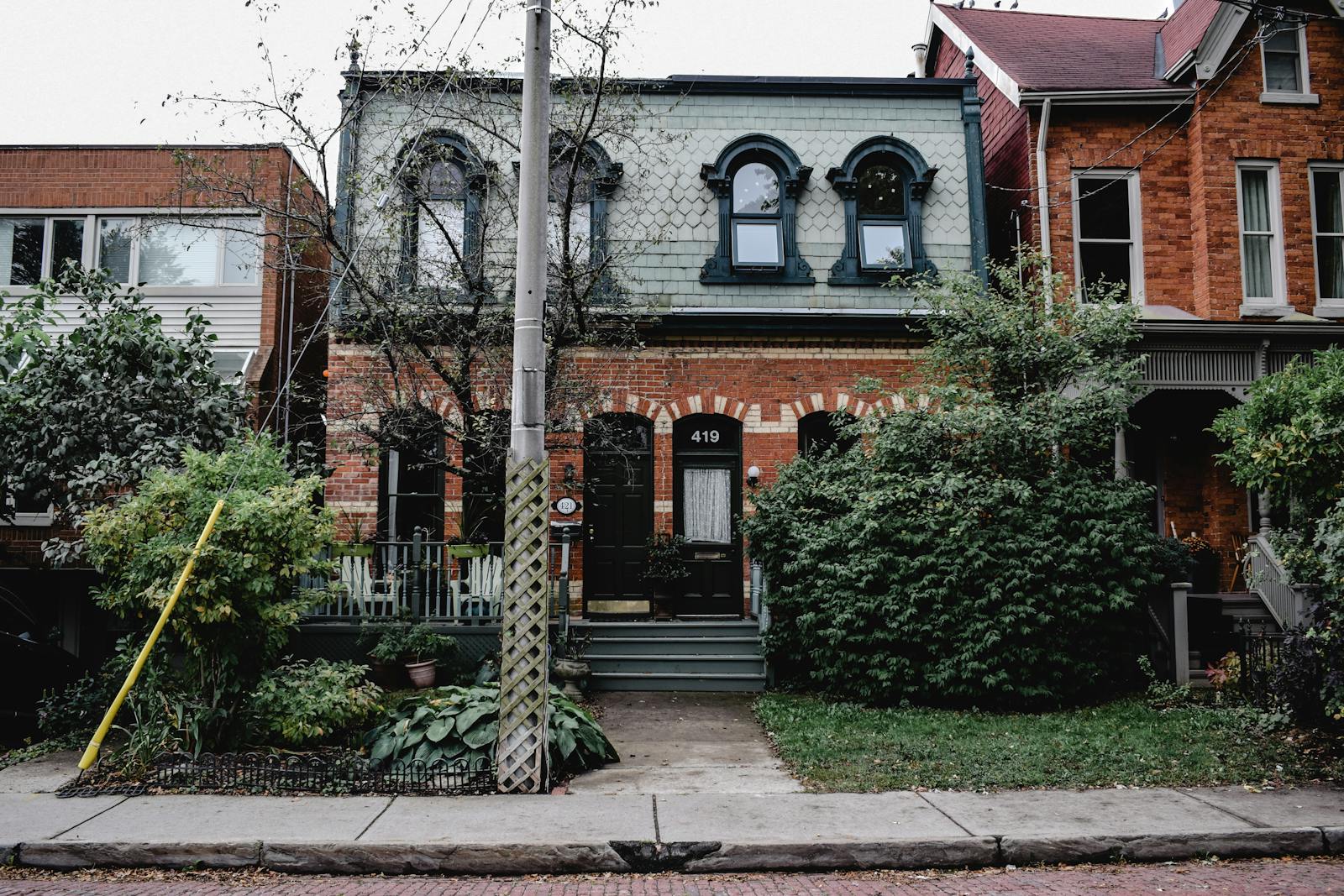
Known for its Victorian and Edwardian homes on mature, tree-lined streets, plus cozy townhomes and modern condos. Character is the main draw, along with a location that puts you close to downtown. Inventory can be tight, and homes in good condition often sell quickly.

Older homes mean charm, and also maintenance to plan for.

Westboro

A broader mix: detached homes, a lot of modern infill construction, older bungalows being rebuilt, and newer condos. You'll find more contemporary layouts and finishes, and a wider range of home types than in the Glebe.

Premium properties near the river can reach well above $2 million.

Here's a look at 2025 district data from the Ottawa Real Estate Board for detached homes. District 44 covers the Glebe and Ottawa East, and District 43 covers Westboro, Hampton Park and West Wellington.

Detached homes (2025)Glebe area (District 44)Westboro area (District 43)
Average price$1.57 million$1.33 million
Median price$1.47 million$1.29 million
Sales in the period reviewed1518
Months of inventory4.03.7
Source: 2025 OREB district data as summarized by a local brokerage. The sales samples are small, and district boundaries include areas beyond each neighbourhood, so use it as a rough comparison only.

Across other published sources, average prices for each neighbourhood range widely, from roughly $0.9 million to $1.6 million depending on the year, the home type and the definition of the area. That's why we'd rather pull the current numbers for the specific street and home type you're considering. In general, detached homes tend to cost more in the Glebe, while Westboro offers more variety, including condos at a lower entry point.

Lifestyle: shops, food and community
The Glebe

Bank Street is the heart of it, with 60-plus restaurants, cafés, bookstores, bakeries and boutiques within a short walk of most homes. Lansdowne Park adds the farmers' market, events, shopping and TD Place, with Atlético Ottawa soccer and big concerts on the calendar.

Community life is a big part of the Glebe's identity, from local festivals to neighbourhood sports and schools.

Westboro

Richmond Road is lined with patios, indie coffee shops, boutiques and outdoor and fitness retailers, giving Westboro a village feel inside a larger neighbourhood. It skews active, with plenty of runners, cyclists and dog walkers on the pathways.

Newer restaurants and shops continue to open, so the neighbourhood keeps evolving.

Getting around and commuting

Both neighbourhoods score well for commuting, but in different ways.

1
The Glebe: close to the core

The Glebe sits right beside downtown, so many residents walk or bike to work, and Bank Street is a busy bus corridor. It's an easy ride across the canal to the downtown core and government offices.

2
Westboro: the O-Train and the pathway

Westboro has its own O-Train station on the Confederation Line, which makes a rapid-transit commute downtown simple. The Ottawa River Pathway also doubles as a commuting route for cyclists.

3
Driving and parking

In the Glebe, event days at Lansdowne Park can bring extra traffic and parking pressure. In Westboro, Richmond Road and the roads around it can be busy at peak times. Check parking and driveway options on any home you're considering.

Green space and the outdoors
Glebe: canal and arboretum

The Rideau Canal is a UNESCO World Heritage Site and a four-season amenity, from fall walks to winter skating. Dow's Lake and the Dominion Arboretum (26 hectares and more than 1,700 species of trees and shrubs) are nearby, and Patterson Creek Park is a quiet pocket along the canal.

Westboro: river and beach

The Ottawa River Pathway runs along the water with sweeping views, especially at sunset, and Westboro Beach is a popular summer spot. Parks and recreation facilities add to the active feel.

Families and schools

Both neighbourhoods are popular with families, and both are served by public and Catholic school boards. The Glebe is often associated with established families and a strong neighbourhood school community, while Westboro attracts a mix of young professionals, couples and growing families, including many who want more modern layouts.

School catchments change, so always confirm the current boundaries for any address with the school boards before you buy.

The trade-offs to consider

Neither neighbourhood is perfect. Here are the main things buyers weigh.

The Glebe

Pros: heritage character, close to downtown, Bank Street and Lansdowne, the canal and a strong community feel.

Cons: premium prices, tighter inventory, older homes that may need upkeep, and event-day traffic near Lansdowne.

Westboro

Pros: river access, an O-Train station, modern homes and a range of housing types, and an active outdoor culture.

Cons: premium prices, busy roads at peak times, and ongoing infill construction as the neighbourhood changes.

Which one is right for you?
Choose the Glebe if you...

Love character homes and mature trees, want to be close to downtown, value a classic main street and community events, and like living near the canal.

HeritageClose to downtownCommunity
Choose Westboro if you...

Want a modern home or a newer condo, love the river and pathways, want rapid transit close by, and prefer an active, outdoorsy lifestyle.

ModernRiver accessO-Train

Not sure? Spend a Saturday in each. Walk the main street, grab a coffee, check the commute at rush hour, and picture a Tuesday night, not just a sunny weekend.

If both are above your budget

Many buyers use these two neighbourhoods as a benchmark and then look at nearby alternatives with a similar feel at lower prices, such as Hintonburg, Mechanicsville, Old Ottawa South and parts of Centretown. Condos in both the Glebe and Westboro can also be a more accessible way in.

Five questions to ask before you decide
1
Do I want character or modern?

Century homes bring charm and maintenance. Newer builds bring efficiency and open layouts.

2
How will I get to work?

Walking or biking from the Glebe, or the O-Train from Westboro, may suit your routine differently.

3
Canal or river?

Which one do you picture yourself using most, in every season?

4
What's my real budget?

Include closing costs, any renovation plans and ongoing maintenance, not just the purchase price.

5
How long will I stay?

The longer you plan to stay, the more a neighbourhood's day-to-day fit matters.

Frequently asked questions
Is the Glebe or Westboro more expensive?

It depends on the home type and the source, but detached homes in the Glebe have generally been more expensive. 2025 OREB district data showed an average detached price of about $1.57 million in the Glebe area compared with about $1.33 million in the Westboro area. Both are well above Ottawa's overall average.

Which is more walkable, the Glebe or Westboro?

Both are considered very walkable. The Glebe's Bank Street and Westboro's Richmond Road both put shops, cafés and restaurants within a short walk of many homes. Walk Scores vary by source and address, so check the specific property.

Which neighbourhood has better transit?

Westboro has its own O-Train station on the Confederation Line. The Glebe is close enough to downtown that many people walk or bike, and Bank Street is a busy bus corridor.

Is the Glebe or Westboro better for families?

Both work well. The Glebe is known for established families and a strong community, while Westboro attracts a wider mix and offers more modern homes. Confirm school catchments for any address you're considering.

Are there condos in the Glebe and Westboro?

Yes. Both neighbourhoods have condos, and they can be a more accessible way to buy into either area. Look closely at condo fees, the reserve fund and the status certificate.

Which has more green space?

Both are well served. The Glebe has the Rideau Canal, Dow's Lake and the Dominion Arboretum nearby, while Westboro has the Ottawa River Pathway and Westboro Beach.

Want help comparing homes in the Glebe and Westboro?

The Ali Realty Group team can pull current market data, tour homes with you in both neighbourhoods and help you decide. Call us at 613-327-0131 or visit alirealtygroup.com.

Final thoughts

The Glebe and Westboro are two of Ottawa's best places to live, and you can't go wrong with either. The Glebe offers heritage charm, a classic main street and an easy trip downtown. Westboro offers modern homes, river access and an active, outdoorsy lifestyle.

The best way to choose is to spend time in both. Walk the streets, visit the cafés, and see which one feels like home. From all of us at Ali Realty Group, happy house hunting.

Read

12 Best Fall Date Ideas in Ottawa (2026)

Fall is the best season for a date in Ottawa. The air is crisp, the leaves are glowing, the patios have heaters, and there's always a reason to sit a little closer. It's also the season when the city fills up with pumpkin patches, concerts, festivals, haunted tours and cozy places to warm up.

Whether you're planning a first date, an anniversary or just a better-than-dinner-and-a-movie night, here are 12 of the best date ideas in Ottawa this fall, from free walks to big nights out, with dates and details where they matter.

12fall date ideas, free to splurge
Oct 25NCC Fall Rhapsody wraps up
Nov 1clocks go back, so evenings come earlier

Good to know: this guide was prepared on October 15, 2026. Some events end soon or have limited dates, and hours, prices and availability can change, so check with the organizer before you go. Dress in layers, since fall evenings in Ottawa get cold fast.

Outdoor and free fall dates

Some of the best dates in Ottawa cost nothing. These four are at their best when the leaves are turning.

1. Rideau Canal and ByWard Market evening stroll

Walk the canal pathway as the light fades, then wander into the ByWard Market for dinner, drinks or a late café stop. It's easy, romantic and flexible, and the Market has everything from cozy bistros to lively cocktail spots.

2. Dominion Arboretum and the Central Experimental Farm

More than 1,700 species of trees and shrubs on 26 hectares, free from dawn to dusk, with lookouts over Dow's Lake and the canal. It's especially festive in autumn and a great cozy-date setting, followed by coffee in the Glebe.

3. Gatineau Park hike and lookout sunset

About 15 minutes from Parliament Hill. Hike a short trail like King Mountain (a 1.8 km loop with ten lookouts) or drive to Champlain Lookout, which faces west for sunset. NCC's Fall Rhapsody runs through October 25. Go on a weekday if you can, since weekends are busy.

4. Rideau Falls Park

Waterfalls, river views and autumn colour in one free stop. It's a low-key, easy-to-fit-in date, and it's also close to New Edinburgh's heritage streets if you want to keep walking.

The best fall date is one where you can both slow down, talk and notice the colours.
Farms and fall flavours

A little drive outside the city turns into a date with pumpkins, lights and handmade finds.

5. Pumpkin picking (and carving)

Pick your pumpkins at Saunders Farm in Munster, Proulx Farm in Cumberland or Cannamore Orchard, then turn it into a second date by carving them at home with hot cider.

Saunders Farm's PumpkinFest runs to November 1 (from about $25), and Proulx Farm runs through October 31.

6. Pumpkinferno

Thousands of handcrafted, illuminated pumpkins light up the night at Upper Canada Village in Morrisburg, east of Ottawa. It's a magical evening walk that runs through October 31, with tickets around $21 to $23.

7. One World Bazaar in Manotick

A vintage barn at Manotick Station, about a half-hour drive from downtown, filled with treasures created by artisans from around the world. It's open through November 22, which makes it a good rainy-day date, and Manotick's Watson's Mill is close by.

A fall night out

When you want a proper night out, these are some of the best options coming up.

8. Day of the Dead Festival

October 30 to November 1 in the ByWard Market. A free festival of live music, folk dancing, artisan markets and traditional ofrendas. A colourful, atmospheric evening, with dinner nearby.

9. A night at the NAC or the Writers Festival

The NAC Orchestra performs Star Wars and Beyond: The Music of John Williams October 22 to 24 at Southam Hall. Book lovers can spend a weekend at the Ottawa International Writers Festival, October 22 to 25 at Library and Archives Canada.

10. A spooky date

The Haunted Walk is a popular Ottawa date with a spooky side, with themed tours. Frightfest at Saunders Farm is billed as a top haunted attraction, with multiple haunts and street theatre. Check schedules and age recommendations first.

11. National Gallery of Canada, then a wine bar

A cultural date idea that works in any weather. Spend the afternoon in the galleries, then settle into a wine bar or cocktail lounge nearby. A stylish evening without the commitment of a full formal dinner.

12. Comedy, hockey or a throwback dance

Jimmy Carr's Laughs Funny tour is at TD Place on October 22 (7:30 p.m.). Senators home games run all fall at Canadian Tire Centre. Or try Bed By 10pm, an early throwback dance party on October 24 from 4 to 9 p.m. at The Palace.

More ideas for the calendar

ART+ Fall Showcase at Arts Court on October 17 (4 to 6:30 p.m.), the Gatineau Hills Fiddle Festival October 22 to 25, and indoor options like cooking classes, escape rooms, axe throwing and mini-golf bars if the weather turns. Cirque du Soleil's Luzia runs until October 18, so that one's a last-minute pick. Nature Nocturne at the Canadian Museum of Nature (October 30) is 19+ and listed as sold out, so it's one to catch next time.

Fall date ideas at a glance
IdeaBest forWhenCost
Canal and ByWard Market strollCasual or first datesAnytimeFree, plus what you eat
Dominion ArboretumCozy daytime walkDawn to duskFree
Gatineau Park lookoutsActive couples, sunsetsFall Rhapsody to Oct 25Free
Rideau Falls ParkA quick scenic stopAnytimeFree
Pumpkin pickingPlayful, photo-friendlyThrough Oct 31 to Nov 1From about $15 to $25
PumpkinfernoA magical nightThrough Oct 31About $21 to $23
One World BazaarBrowsing and giftsThrough Nov 22Free to browse
Day of the Dead FestivalA lively eveningOct 30 to Nov 1Free
NAC Orchestra: Star Wars and BeyondDate night with a dress-up feelOct 22 to 24Ticketed
Jimmy Carr at TD PlaceA night of laughsOct 22, 7:30 p.m.Ticketed
Which date is right for you?
First date

Keep it low-pressure and easy to end or extend: the canal and ByWard Market stroll, café hopping, or the Arboretum followed by coffee.

Anniversary

Make it an occasion: a night at the NAC, an evening at Pumpkinferno, or a Gatineau Park sunset followed by a nice dinner.

Long-term couples

Try something new together: a haunted tour, a comedy night, a throwback dance, or pumpkin picking and carving as a two-part date.

On a budget

Rideau Falls, the Arboretum, Gatineau Park and the Day of the Dead Festival are free. Bring a thermos of hot chocolate and call it a picnic.

Rainy day

The National Gallery, One World Bazaar, a cooking class, escape room or axe throwing all work when the weather doesn't cooperate.

Double date

Pick something with a bit of friendly competition, like axe throwing, a games bar, or a haunted tour with another couple.

Three easy fall date nights
Free
The golden-hour walk

Start at the Dominion Arboretum in the afternoon, follow the canal toward downtown, and end in the ByWard Market for dinner. Bring a warm drink for the walk.

Cozy
The pumpkin weekend

Saturday: pick pumpkins and warm up with cider. Sunday: carve them at home, order in and put on a movie. Simple, playful and memorable.

Big
The big night out

Dinner downtown, then the NAC Orchestra's John Williams concert on October 22, 23 or 24. Dress up a little, and book dinner early on show nights.

Date night, house-hunting edition

If you're thinking about moving in together, or buying a first home as a couple, fall dates are a surprisingly good way to try out neighbourhoods. You're already walking around, so pay attention to what each area feels like.

The Glebe and Old Ottawa South

Canal pathways, cafés and character homes. A natural fit for the Arboretum-and-canal date.

ByWard Market and Centretown

Restaurants, festivals and the canal on your doorstep. Great for couples who want to walk to date night.

New Edinburgh and Westboro

Leafy streets and river views, close to Rideau Falls Park and the Ottawa River Pathway.

Try this on your next date

Ask yourselves: Could we see ourselves walking here on a Tuesday night? How far is it to the things we do most? Is it too quiet, too busy, or just right? Those simple answers tell you more than a listing description can.

Frequently asked questions
What are the best free date ideas in Ottawa this fall?

Walk the Rideau Canal, visit the Dominion Arboretum, hike to a Gatineau Park lookout, stop at Rideau Falls Park, or take in the free Day of the Dead Festival in the ByWard Market from October 30 to November 1.

What are some romantic date ideas in Ottawa in the fall?

A Gatineau Park sunset at Champlain Lookout, an evening canal walk ending in the ByWard Market, Pumpkinferno, or a night at the NAC are all romantic options.

What are good rainy-day date ideas in Ottawa?

Try the National Gallery of Canada, One World Bazaar in Manotick, a cooking class, an escape room, axe throwing, or a wine bar.

What's a good first date in Ottawa?

Something low-pressure and flexible, like a stroll along the canal into the ByWard Market, a café stop, or a walk through the Arboretum. You can easily extend or end the date.

When does fall colour peak in Ottawa?

Typically early to mid-October. The NCC's Fall Rhapsody runs through October 25, 2026, but colours fade through late October, so go soon.

What Halloween date ideas are there in Ottawa?

Consider The Haunted Walk, Frightfest at Saunders Farm, pumpkin carving at home, or the Day of the Dead Festival. Check age recommendations and schedules before booking.

Thinking about buying a home together?

The Ali Realty Group team can help you compare neighbourhoods and plan your first purchase as a couple. Call us at 613-327-0131 or visit alirealtygroup.com.

Final thoughts

The best Ottawa date isn't the most expensive or the most elaborate. It's the one where you get outside, enjoy the season and make time for each other. Whether that's a walk under the maples, a pumpkin patch, or a night at the NAC, fall in Ottawa makes it easy.

Pick one this week, before the leaves are gone. From all of us at Ali Realty Group, happy dating.

Read

Buying a Home in Your 30s: Why Ottawa Makes Sense

Your 30s are when buying a home starts to feel real. You may have a steadier income, some savings, a partner, a growing family, or simply a strong desire to stop paying someone else's mortgage.

Ottawa is a smart place to do it. Prices are well below Toronto's, buyers currently have more choice and room to negotiate, and the city offers green space, culture and a strong sense of community. But the local job market is going through a rough patch, so a good decision means weighing the whole picture. Here it is.

$685,640average Ottawa sale price, September 2026
~$1.0Maverage GTA sale price, same month
4.8months of inventory in Ottawa

Please note: market figures are from the Ottawa Real Estate Board (OREB) and the Toronto Regional Real Estate Board (TRREB) for September 2026, as reported in early October. This article is general information, not financial or legal advice. Talk to a mortgage professional and a real estate lawyer about your own situation.

1. Buyers have more leverage in Ottawa right now

Ottawa's market has been balanced to slightly buyer-friendly this year. In September 2026, 1,010 homes sold, down 6.6% from a year earlier, while new listings rose sharply. The average sale price was $685,640 (down 1.0% year over year) and the median was $625,000.

Homes sold for an average of about 97.5% of their asking price, and the median time on market stretched to 27 days from 22 a year earlier. For buyers, that means more choice, less pressure to bid in a rush, and a better chance to negotiate on price and conditions.

Property typeAverage sale price (Sept 2026)Change vs. Sept 2025Months of inventory
Detached homes$823,449-3.1%4.4
Townhomes$543,337-2.2%4.0
Apartments / condos$431,645+0.9%7.3
Figures as reported from OREB September 2026 data. Averages depend on which homes sell in a given month, so they don't reflect every individual property.
More choice and less pressure is good news for buyers. Prices aren't surging, so you can take the time to find the right home.
2. Ottawa vs. Toronto: roughly a third less

One of Ottawa's biggest advantages is simple: the same paycheque goes further. The GTA's average selling price in September 2026 was $1,006,409, according to TRREB. Ottawa's was $685,640, about $320,000 lower.

September 2026Ottawa (OREB)Greater Toronto Area (TRREB)
Average sale price$685,640$1,006,409
Price change vs. Sept 2025-1.0%-5.1%
Home sales vs. Sept 2025-6.6%-9.0%
Ottawa figures cover the Ottawa market; TRREB figures cover the wider GTA, so the comparison is a general guide rather than a like-for-like measure.

For a buyer in their 30s, that gap can mean a bigger down payment relative to price, a lower monthly payment, or the ability to afford a townhome or detached home instead of a small condo. Unlike Toronto, Ottawa also doesn't charge an additional municipal land transfer tax.

3. Programs that can help you buy

If you're a first-time buyer, there's a stack of federal and provincial help available. Eligibility rules apply to each, so confirm the details for your situation.

First Home Savings Account (FHSA)

Contribute up to $8,000 a year, to a $40,000 lifetime limit. Contributions are tax-deductible, and qualifying withdrawals for a first home are tax-free.

RRSP Home Buyers' Plan

Withdraw up to $60,000 from your RRSP toward a down payment without paying tax on the withdrawal, then repay it over time.

Ontario land transfer tax refund

First-time buyers can get a refund of up to $4,000 on Ontario's land transfer tax, which your lawyer typically applies at closing.

Home Buyers' Amount

A federal tax credit worth up to $1,500 for qualifying first-time buyers, claimed on your tax return.

30-year insured amortization

First-time buyers with insured mortgages can choose a 30-year amortization, which lowers the monthly payment compared with 25 years (though you pay more interest overall).

GST rebate on new homes

A federal GST rebate for first-time buyers of eligible new homes, worth up to $50,000. Relevant if you're looking at new construction.

How much do you need for a down payment?

In Canada, the minimum down payment is 5% of the first $500,000 of the price and 10% of the portion above that, up to $1.5 million. On a $625,000 home (about Ottawa's median sale price), that works out to a minimum of $37,500. A larger down payment lowers your monthly cost and can avoid mortgage default insurance at 20% down. Confirm current rules with your lender.

4. A city that fits your 30s

Price is only part of the story. Your 30s are when you start planning around quality of life, and Ottawa does that well.

Nature close to home

Gatineau Park covers about 361 square kilometres and sits roughly 15 minutes from Parliament Hill, with more than 165 km of trails. Mer Bleue Bog, the Greenbelt and river pathways are even closer.

Culture and events

The Rideau Canal is a UNESCO World Heritage Site, and the calendar includes Winterlude, the Tulip Festival, Canada Day, Nuit Blanche and the national museums.

Space for a growing life

From walkable downtown neighbourhoods to townhomes in the suburbs and village-style communities, there's a range of home types and settings, often at prices that are hard to find in bigger cities.

5. The part to weigh carefully: Ottawa's job market

A good guide should be honest about the risks, so here's the one that matters most. Ottawa's economy has been under pressure from federal workforce reductions and wider economic uncertainty.

What the data saysDetail
Local job lossesA City of Ottawa staff report cited about 30,500 jobs lost between February 2025 and February 2026, with unemployment at 6.3%.
Federal workforceThe Parliamentary Budget Officer counted 344,970 federal public service employees in Q2 2026, down 9,505 from a year earlier.
Planned reductionsBudget 2025 outlined plans to reduce the federal public service by 28,000 positions by 2029.
Recent trendOttawa-Gatineau's unemployment rate was 6.2% in May 2026, after the region added 10,000 jobs that month.

None of this means you shouldn't buy. It does mean you should buy with a margin of safety. Some of the softness in prices and the extra choice for buyers come from this uncertainty, so lower prices come with real risk.

Smart ways to buy with confidence

Think about how secure your job and your partner's job are, and which sectors you could move into if needed. Ottawa has employers well beyond government, including tech, healthcare, education and many others.

Don't stretch to your maximum pre-approval. Keep an emergency fund after closing, and favour a payment you could carry comfortably if your household income dipped. A more modest home you can afford with room to spare is usually better than a stretch.

6. What to buy in your 30s

The right home depends on your life stage, budget and plans for the next five to ten years.

Condo or apartment

The lowest entry point (about $431,645 on average in September) and the market segment where buyers have the most choice. Good for singles, couples and those who want low maintenance.

Look closely at condo fees, the reserve fund and the status certificate, and think about resale.

Townhome

A popular middle ground (about $543,337 on average), with more space, and often a small yard and parking, than a condo. A common choice for young families.

Detached home

The most space and privacy (about $823,449 on average). It's a bigger commitment, and works best if your income is stable and you plan to stay for several years.

7. Neighbourhoods to consider

Ottawa has communities for every kind of buyer. Here are some that are popular with people in their 30s. A conversation about your priorities is the best way to narrow the list.

The Glebe, Centretown, Hintonburg and Little Italy

Walkable urban neighbourhoods near the Rideau Canal, cafés, restaurants and transit. Good for professionals and couples who want less driving.

Kanata

In Ottawa's west end, close to the Kanata North tech area and the Canadian Tire Centre, with a mix of townhomes and detached homes.

Barrhaven

A south-end community known for newer homes and a family-friendly feel, popular with buyers looking for more space.

Orléans

An east-end community close to Mer Bleue Bog and the Greenbelt, with family housing and plenty of green space.

Stittsville

A growing west-end community with a strong local calendar of events, markets and family activities.

Manotick

A village feel on the Rideau River within the City of Ottawa, with heritage sites and a quieter pace of life.

8. A simple plan to buy your first home in Ottawa
1
Set a comfortable budget

Work out what monthly payment you could carry comfortably, including property taxes, heat, insurance and maintenance. Try the mortgage calculator on our website to see how price, rate and amortization change your payment.

2
Use the programs you qualify for

Open an FHSA if you haven't, check whether the Home Buyers' Plan makes sense, and ask your lender about amortization options.

3
Get a mortgage pre-approval

A pre-approval shows what you may be able to borrow and can hold a rate while you shop. Remember that approved is not the same as comfortable.

4
Choose your neighbourhood and home type

Visit areas at different times of day, test the commute, and decide what matters most: space, walkability, schools, or being close to work.

5
Use your leverage, and plan for closing costs

With more inventory and homes selling a little under asking, you may have room to negotiate on price and conditions such as a home inspection. Set aside money for legal fees, inspection and moving, on top of your down payment.

Frequently asked questions
Is Ottawa a good place to buy a home in your 30s?

For many buyers, yes. Prices are well below Toronto's, buyers have more choice and negotiating room right now, and the city has strong green space and community. The main caution is the local job market, so make sure your budget and job security can support the purchase.

Is it a buyer's market or a seller's market in Ottawa?

It has been balanced and is leaning toward buyers. In September 2026, there were about 4.8 months of inventory overall, homes sold for about 97.5% of asking on average, and new listings rose sharply. Conditions vary by property type and neighbourhood.

What is the average home price in Ottawa?

In September 2026, the average residential sale price was $685,640 and the median was $625,000, according to OREB data. Detached homes averaged about $823,449, townhomes about $543,337 and apartments about $431,645.

How much cheaper is Ottawa than Toronto?

The average sale price in September 2026 was about $320,000 lower in Ottawa than in the GTA ($685,640 compared with $1,006,409). The two figures cover different areas, so use it as a general guide.

What first-time buyer programs can I use in Ottawa?

Options include the FHSA, the RRSP Home Buyers' Plan, the Home Buyers' Amount, Ontario's land transfer tax refund of up to $4,000, 30-year insured amortizations, and a federal GST rebate for eligible new homes. Eligibility rules apply, so confirm the details.

Should I be worried about federal public service job cuts?

It's worth factoring in. Ottawa has seen job losses and a planned reduction of the federal public service. Buy with a margin of safety, keep an emergency fund, and avoid stretching to your maximum approval.

Ready to start looking in Ottawa?

The Ali Realty Group team can help you understand the market, compare neighbourhoods and plan your purchase. Call us at 613-327-0131 or visit alirealtygroup.com.

Final thoughts

Buying a home in your 30s is a big milestone, and Ottawa offers a compelling mix: lower prices than Toronto, more choice for buyers, helpful first-time buyer programs and a great quality of life. It also comes with a softer job market, so the best approach is a thoughtful one.

Take your time, buy within a comfortable budget, and choose a home and neighbourhood that fit the life you want. From all of us at Ali Realty Group, we're here to help.

Read

Where to See Fall Colours in Ottawa (2026 Guide)

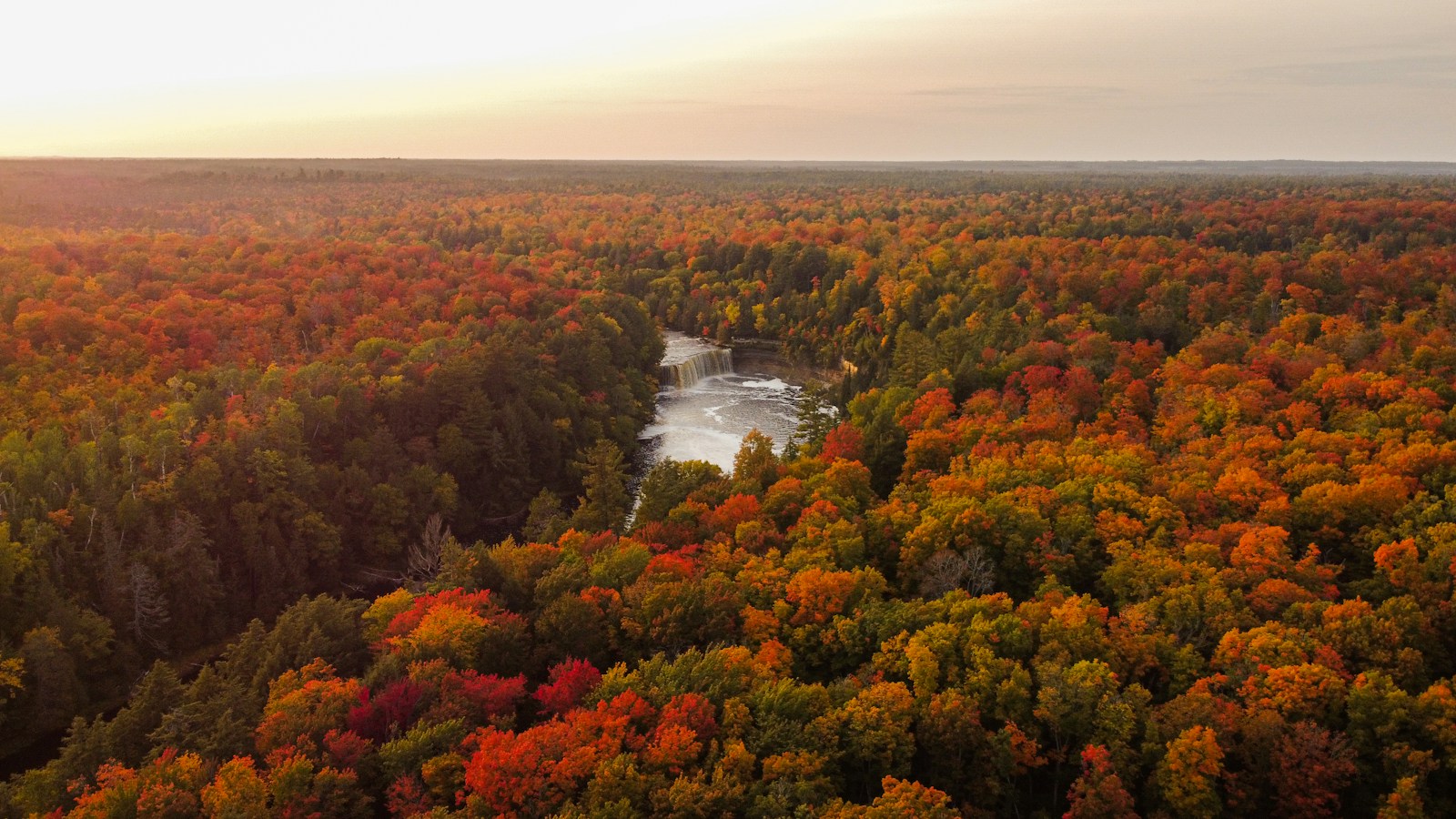
Every October, Ottawa turns into one of the best places in Canada to see fall colours. Sugar maples, red maples, birch and oak paint the hills of Gatineau Park, the pathways along the Rideau Canal and even a boreal bog on the edge of the city.

Whether you want a big lookout view, a free afternoon walk downtown or a farm day with the kids, this guide covers the best places to see fall colours in and around Ottawa, with practical tips for avoiding the crowds.

Oct 1-25NCC Fall Rhapsody, 2026
Peakreported for Gatineau Park (NCC, Oct 6)
Freemost of the best spots cost nothing

Good to know: this guide was prepared on October 8, 2026, while colours are at or near peak. Peak timing shifts with the weather, so check the NCC's Fall Rhapsody page for its latest colour update before you head out.

When is the best time to see fall colours in Ottawa?

Peak colour usually arrives in early to mid-October, which often lines up with Thanksgiving weekend. The display builds through late September, peaks for a week or two, and then fades as leaves drop in late October.

Peak colour is short. If it's looking good this week, go now.
MonthAverage highAverage lowWhat to expect
September20°C10°CWarm days, cool evenings. Colours are starting.
October13°C3°CPeak colours. First frost arrives. Wear layers.
November6°C-2°CCold, with early snow possible. Late-season walks only.
Gatineau Park: the star of Ottawa's fall

Just across the river in Quebec, Gatineau Park covers about 361 square kilometres of rolling, mixed forest and sits roughly 15 minutes from Parliament Hill. In October its hills turn red, orange, gold and yellow. Here are the best places to see it.

Champlain Lookout

The most iconic fall view in the region. From 335 metres above sea level on the Eardley Escarpment, you look over the Ottawa River Valley with the city in the distance and a sea of colour below.

Drive up the Champlain Parkway, or hike from P12 (about 7.8 km round trip). It faces west, so sunsets are dramatic.

King Mountain

A 1.8 km loop with ten lookout points about 300 metres above the Ottawa Valley. The escarpment views framed by maple forest make this one of the most rewarding short hikes in the park.

Pink Lake

A 2.3 km loop where the lake's green water contrasts with the colourful forest around it. It's less strenuous than King Mountain, and popular, so go on a weekday if you can.

Philippe Lake and Meech Creek Valley

Quieter alternatives to the popular southern trails. Philippe Lake reflects the autumn forest beautifully, and the NCC itself recommends Meech Creek Valley as a lesser-known spot with the same colours and fewer people.

How to enjoy Gatineau Park without the crowds

Gatineau Park often reaches visitor capacity in the fall, and Pink Lake on a sunny Saturday can feel like a shopping mall. The NCC's three tips are to explore a lesser-known area, visit popular spots on a weekday, and take the free shuttle.

The NCC's free shuttle takes visitors to spots like Pink Lake, Champlain Lookout and the Mackenzie King Estate. Days and stops have varied from year to year, so check the NCC's current schedule. During Fall Rhapsody, some parkways are also closed to private vehicles at certain times to make room for walkers and cyclists.

Fall colours in the city (mostly free)

You don't need to leave Ottawa to see the colours. These spots are free, easy to reach, and great when you only have an afternoon.

Dominion Arboretum

A 26-hectare arboretum on the Central Experimental Farm, with more than 1,700 species of trees and shrubs. The variety gives you reds, oranges, golds, purples and browns in one compact area. Free, dawn to dusk, with lookouts over Dow's Lake and the Rideau Canal.

The Friends of the Central Experimental Farm typically run guided Autumn Tree Colour walks in October.

Rideau Canal Pathway

Trees line both sides of the canal, and the foliage reflects in the water. A walk or bike ride from downtown to Dow's Lake in October is one of the best free autumn experiences in the city.

Confederation Park

Mature trees turn vivid orange and yellow in this downtown park beside the canal. Add the historic fountain and the canal itself, and it's one of the most photogenic autumn stops in the city.

Mer Bleue Bog

A very different kind of fall scene. In autumn the bog vegetation turns deep red, tamaracks turn bright yellow, and maples along the ridges add gold. A 1.2 km boardwalk trail crosses the bog, about 20 minutes east of downtown. Free admission and parking.

Other easy city options include Major's Hill Park, Rockcliffe Park and Vincent Massey Park, which the NCC suggests for a picnic with the colours as a backdrop, plus the multi-use pathways along the Ottawa and Gatineau rivers.

Beyond Ottawa: farms, orchards and day trips

Ottawa's fall colours are best paired with the harvest. Many farms are within a 30 to 45 minute drive.

Saunders Farm

7893 Bleeks Road, Munster, about 30 minutes west of Ottawa. PumpkinFest has wagon rides, mazes and pumpkin picking, and it runs to November 1. Admission starts around $25.

Proulx Maple & Berry Farm

1865 O'Toole Road, Cumberland, about 30 minutes east. U-pick pumpkins, a petting zoo, a corn maze, wagon rides and playgrounds, running through October 31.

Fallowfield Tree Farm

6100 Fallowfield Road, Stittsville. Free admission to the pumpkin patch on fall weekends, with wagon rides, pony rides and bouncy castles for a small fee.

Apple picking

Mountain Orchards (10175 Clark Road) offers apple picking, wagon rides and a corn maze through October 18, with free admission. Pine Hill Orchards in Bourget has about 20 apple varieties and fresh cider, open daily until mid-October. Confirm hours before you go.

Calabogie Peaks chairlift

Ride up for a view of the colours over the Ottawa Valley. Chairlift rides run through October 12, at $15 to $20.

Larose Forest

One of Ontario's largest community forests, east of Ottawa, and good for a quiet fall hike or bike ride away from the busier lookouts.

Tips for photographing the colours

Early morning and late afternoon light make leaves glow. Champlain Lookout faces west, so aim for late afternoon and sunset. Overcast days can actually help, because flat light brings out saturated reds and oranges. Look for reflections along the Rideau Canal and at Philippe Lake, and wear layers, since October mornings are close to freezing.

Three easy fall colour plans
Free
The free city day

Start at the Dominion Arboretum, follow the Rideau Canal Pathway downtown, and finish at Confederation Park. It's all free and all walkable, with cafés along the way.

Hike
The Gatineau Park day

Take the free NCC shuttle or go on a weekday. Hike the King Mountain loop, walk Pink Lake, then finish at Champlain Lookout for the late-afternoon light.

Farm
The family farm day

Spend the morning at a pumpkin patch or orchard, then head to the colours in the afternoon. The Mer Bleue boardwalk is easy for small legs.

Fall colour spots at a glance
SpotBest forCostGood to know
Champlain LookoutBig panoramic viewsFree335 m up; faces west for sunsets
King MountainA short, rewarding hikeFree1.8 km loop with ten lookouts
Pink LakeAn easy loopFree2.3 km; very busy on weekends
Dominion ArboretumVariety of coloursFree1,700+ species; dawn to dusk
Rideau Canal PathwayWalking or cyclingFreeDowntown to Dow's Lake
Confederation ParkA downtown photo stopFreeBeside the canal
Mer Bleue BogSomething differentFree1.2 km boardwalk; about 20 min east
Saunders FarmFamily fall dayFrom about $25Munster; runs to Nov 1
Calabogie Peaks chairliftA view from above$15 to $20Runs through Oct 12
Living near the colours: Ottawa neighbourhoods with fall appeal

Fall is a good reminder of what a neighbourhood's trees, parks and pathways add to everyday life. If green space and mature trees are on your wish list, these areas tie directly to the spots above.

The Glebe and Dow's Lake area

Close to the Dominion Arboretum and the Rideau Canal pathway, so a colourful walk is a few minutes from home.

Downtown and Centretown

Confederation Park, Major's Hill Park and the canal are walkable, which suits people who want urban living with green space nearby.

Orléans and the east end

Mer Bleue Bog and the Greenbelt are close, and Cumberland's farms are a short drive away.

Stittsville

Fallowfield Tree Farm and other rural-edge outings sit close to a growing west-end community.

Richmond and Munster

Home to Saunders Farm, with more space and a rural feel while remaining part of Ottawa.

Cumberland

A village setting east of the city, near Proulx Farm and country roads that look their best in October.

A tip for home buyers

Fall is a great time to see a street at its best. Look at the mature trees, how close the nearest park or pathway is, and what the neighbourhood is like on a weekend afternoon. Mature trees are also something to consider on a lot, so ask about them when you view a home.

Frequently asked questions
When is the best time to see fall colours in Ottawa?

Typically early to mid-October, often around Thanksgiving weekend. The NCC's Fall Rhapsody runs October 1 to 25 in 2026, and the NCC's colour meter showed peak season for Gatineau Park as of October 6.

What is the best place to see fall colours in Ottawa?

Gatineau Park is the top destination, especially Champlain Lookout. In the city, the Dominion Arboretum, the Rideau Canal pathway and Confederation Park are excellent free options.

Is there a free shuttle to Gatineau Park?

Yes. The NCC runs a free shuttle during Fall Rhapsody to popular spots such as Pink Lake, Champlain Lookout and the Mackenzie King Estate. Days of operation have varied, so check the NCC's current schedule.

How do I avoid crowds at Gatineau Park?

Go on a weekday, try a lesser-known area like Meech Creek Valley or Philippe Lake, or take the shuttle instead of searching for parking. Weekends at popular lookouts can mean long waits.

Where can I see fall colours in Ottawa without leaving the city?

The Dominion Arboretum, the Rideau Canal pathway, Confederation Park, Major's Hill Park, Rockcliffe Park and Mer Bleue Bog are all within the city and free to visit.

Where can I go pumpkin picking or apple picking near Ottawa?

Saunders Farm, Proulx Maple & Berry Farm and Fallowfield Tree Farm are popular for pumpkins. For apples, try Mountain Orchards or Pine Hill Orchards. Check hours before you go, since seasons end in October.

Are you planning a move to Ottawa?

If these spots have you thinking about buying or selling, the Ali Realty Group team can help you find the right neighbourhood. Call us at 613-327-0131 or visit alirealtygroup.com.

Final thoughts

Ottawa's fall colours don't last long, but there are so many ways to enjoy them. You can hike a lookout in Gatineau Park, stroll the Rideau Canal, walk a bog boardwalk, or spend a day at a farm. Pick a spot, bring a warm layer, and get out there while the colours are at their best.

From all of us at Ali Realty Group, happy fall.

Read

Thanksgiving Weekend in Ottawa 2026: Things to Do

Thanksgiving weekend is one of the best times of year to be in Ottawa. The long weekend runs Saturday, October 10 to Monday, October 12, 2026, the fall colours are usually at or near their peak, and the region fills up with farm festivals, artisan markets, concerts and hockey.

This guide pulls together specific things to do, with dates, addresses and costs, so you can plan the weekend in minutes. And if you're thinking about buying or selling in Ottawa, it's also a great excuse to see a few neighbourhoods up close.

Oct 10-12Thanksgiving weekend, 2026
Oct 12Thanksgiving Monday
Peakfall colours usually land around now

Before you head out: details below come from public event listings as of October 7, 2026. Hours, prices and availability can change, so confirm with the organizer before you go.

Fall colours and getting outside

Peak colour in the Ottawa region typically falls in early to mid-October, which usually means Thanksgiving weekend. The National Capital Commission's Fall Rhapsody celebrates the season across Ottawa-Gatineau, and there are plenty of ways to enjoy it.

Gatineau Park

About a 15-minute drive from Parliament Hill, and the region's headline fall destination. Champlain Lookout is the classic viewpoint.

It gets busy. Access is limited during Fall Rhapsody, some roads close to vehicles for active use, and parking fills up on weekends. Going on Friday, or using the free NCC weekend shuttle where it's running, makes for an easier day.

NCC Weekend Bikedays

Through Thanksgiving Monday, the NCC opens parkways in Ottawa to people walking, running, biking and skating on weekends. It's free, and a good way to see the colours along the water without fighting for a parking spot.

Ottawa's own parks

You don't have to leave the city. Major's Hill Park, Rockcliffe Park and Vincent Massey Park are all good picnic spots, and the pathways along the Ottawa and Gatineau rivers are lined with colour.

Humanics Sanctuary and Sculpture Park

A nine-acre wooded ravine with sculptures set along walking trails, just outside Cumberland Village at 3468 Old Montreal Road. Admission is $7 to $10, and it's a quieter option than the big lookouts.

Thanksgiving markets and local makers

If you're looking for gifts, baking supplies or something to bring to the dinner table, this is the weekend for markets. Most of these are free to attend.

Thanksgiving Market in Navan

Oct 10-11 at Les Serres Robert Plante Greenhouses, 4228 Navan Road. More than 200 local vendors and artisans, with handmade goods, seasonal finds and treats, set among the greenhouses. Free.

Watson's Mill Fall Finale

Saturday, Oct 10, 10 a.m. to 4 p.m. in Dickinson Square, Manotick (5524 Dickinson Street). Crafts, contests and carriage rides at one of the area's most photographed heritage spots. Free.

Stittsville Gobblefest

Saturday, Oct 10. A community market with more than 30 local vendors, handcrafted goods, prize draws and a photo op with Turkey Boy.

Crown and Pumpkin Studio Tour

Oct 10-11 in Mississippi Mills. Now in its 30th year, this self-guided tour visits artists' studios around Almonte and the surrounding countryside. Free.

Also worth a look: the Thanksgiving Farmers Market in Metcalfe on Saturday, October 10 (Metcalfe Agricultural Society, 2821 8th Line Road), the One World Bazaar in an old converted barn on Mitch Owens Road in Manotick (open weekends this fall), and the Nepean Night Market on Sundays at 1442 Baseline Road, which runs until October 18.

Farms, pumpkins and family fun

Ottawa's farms go all in for fall. These are the ones with the most going on over the long weekend.

PumpkinFest at Saunders Farm

7893 Bleeks Road, Munster Hamlet. Wagon rides, live and puppet shows, mild haunts, a parade, hedge mazes and pumpkin picking. Runs to November 1, from $25.

Pumpkin Fest at Proulx Maple & Berry Farm

1865 O'Toole Road, Cumberland. The farm becomes a Halloween playground, and you're welcome to bring a picnic. Runs to October 31, about $22.55 to $23.60.

Fall Fun at The Log Farm

670 Cedarview Road, Ottawa. A corn maze and wagon rides, running to November 1. About $15.46.

Carleton University Butterfly Show

Nesbitt Biology Building, 1125 Colonel By Drive. Over 1,300 live exotic butterflies are released in the greenhouses. Open through Sunday, October 11, and $5.

Cannamore Orchard, Crysler

Apple and pumpkin picking, a petting zoo and a hedge maze. Family weekends run through October 12, about $16.

Calabogie Peaks chairlift

Ride up for a fall-colour view over the Ottawa Valley. Runs through October 12, $15 to $20.

Worth the drive

Thanksgiving Train Rides at the Railway Museum of Eastern Ontario in Smiths Falls (90 William Street West) on Saturday, October 10: a vintage caboose ride, hay ride, museum tour and fall photo spots for about $20.76.

Pumpkinferno at Upper Canada Village in Morrisburg, east of Ottawa, lights up more than 7,000 handcrafted pumpkins along a kilometre-long path at night. It runs to October 31, at $21 to $23.

Looking for a bit of spooky? Frightfest at Saunders Farm, Acres of Terror at Cannamore Orchard, sKreamers at Proulx Farm and the Midway Massacre haunted house at 1D Studios (2935 Conroy Road) are all open this weekend, and the Stittsville Haunted Heritage Tours run on the main street. These are generally aimed at older kids and adults.

Shows, concerts and hockey

If your long weekend involves a night out, the lineup is strong.

Ottawa Senators vs. Nashville Predators

Saturday, October 10 at the Canadian Tire Centre, with tickets from about $56.

Not Dead Yet! John Cleese and the Holy Grail at 50

October 9-10 at the National Arts Centre's Babs Asper Theatre, from about $76.

Ann Wilson of Heart

Saturday, October 10 at the Hard Rock Hotel and Casino (4837 Albion Road), from about $82.

Heritage in Motion

Saturday, October 10 in Southam Hall at the NAC: a celebration of Burundian culture through movement, music and storytelling.

More options: Kalle Mattson's new duo summersets at the Fourth Stage on Saturday (about $20), the final days of Capital Music Week (through October 11), Cirque du Soleil's Luzia (through October 18, from about $67), the Oh Canada Eh? Dinner Show at 330 Kent Street, and folk duo Buffalo Traffic Jam at The Bronson on Thanksgiving Monday. History buffs can catch Dief the Chief: October '62, a theatrical take on the Cuban Missile Crisis, at the Diefenbunker on Friday, October 9.

A sample Thanksgiving weekend plan

Not sure where to start? Here's one way to string it together. Swap anything in or out based on your crew.

Fri
Beat the crowds at Gatineau Park

Fridays are quieter than the weekend, so it's a smart day for the lookouts. In the evening, catch John Cleese at the NAC or the Dief the Chief show at the Diefenbunker.

Sat
Markets in the morning, farm or hockey later

Start at the Watson's Mill Fall Finale in Manotick (10 a.m.) and work in the Navan or Stittsville markets. Spend the afternoon at a pumpkin farm, then finish with the Senators game or a show.

Sun
Studios, butterflies and bikes

Take the Crown and Pumpkin Studio Tour through Mississippi Mills, stop in at the Butterfly Show on its last day, or ride the NCC parkways. The Nepean Night Market runs Sunday evening.

Mon
Thanksgiving Monday

Go for a morning walk, then settle in for dinner. Last chances this season for the Cannamore Orchard weekends and the Calabogie chairlift, and Buffalo Traffic Jam plays The Bronson in the evening.

Thanksgiving Monday logistics

In past years, OC Transpo has run a Sunday schedule on Thanksgiving Monday, curbside collection has shifted by a day, and City of Ottawa services, libraries and many city-run facilities have closed. Several national museums have stayed open. Many shopping centres have also been closed or on reduced hours.

Check the City of Ottawa, OC Transpo and each venue for 2026 hours, and do your grocery shopping before Monday.

Thanksgiving weekend in Ottawa: quick reference
EventWhenWhereCost
Thanksgiving MarketOct 10-11Robert Plante Greenhouses, 4228 Navan RdFree
Watson's Mill Fall FinaleSat, Oct 10, 10 a.m. to 4 p.m.5524 Dickinson St, ManotickFree
Crown and Pumpkin Studio TourOct 10-11Mississippi MillsFree
Carleton Butterfly ShowThrough Oct 111125 Colonel By Dr$5
Senators vs. PredatorsSat, Oct 10Canadian Tire CentreFrom about $56
Thanksgiving Train RidesSat, Oct 10Railway Museum of Eastern Ontario, Smiths FallsAbout $20.76
PumpkinFestThrough Nov 1Saunders Farm, 7893 Bleeks RdFrom $25
Pumpkin FestThrough Oct 31Proulx Farm, 1865 O'Toole RdAbout $22.55 to $23.60
Fall Fun on the FarmThrough Nov 1The Log Farm, 670 Cedarview RdAbout $15.46
NCC Weekend BikedaysWeekends through Oct 12NCC parkwaysFree
Thanksgiving dinner: cook, order or go out

Not cooking this year? Many Ottawa restaurants and caterers offer turkey-to-go and dine-in Thanksgiving brunch or dinner, and the good ones book up early. Order or reserve as soon as you can.

If you're hosting, shop before the weekend, since stores and malls can run reduced hours on Monday. And if the house is going to be full, it's a good moment to notice what your home does and doesn't do well for entertaining. That's often the first spark behind a move.

Use the long weekend to scout Ottawa neighbourhoods

Many of the best Thanksgiving events happen in communities across Ottawa and the surrounding area. If you're thinking about buying, this is a relaxed way to see what daily life feels like in each one, without a real estate agenda. Here's what this weekend's plans can show you.

Manotick

Watson's Mill, Dickinson Square and the One World Bazaar. A village atmosphere on the Rideau River within the City of Ottawa.

Stittsville

Gobblefest and the Main Street heritage tours show off a community with a strong local calendar, in Ottawa's west end.

Navan and the east end

The Plante greenhouse market sits in the east end's rural-meets-suburban edge, with Orléans close by.

Cumberland

Proulx Farm and the Humanics sculpture park put you in a village setting east of the city core.

Richmond and Munster

Home to Saunders Farm. Think space, farmland and a quiet drive home from the fun.

Almonte (Mississippi Mills)

The Crown and Pumpkin Studio Tour highlights a small-town community with a real artist scene, a drive west of Ottawa.

Scouting tips for would-be buyers

Drive the commute from each area at a normal rush hour, visit the same street on a weekday and a weekend, and note the details: grocery stores, schools, parks, and how busy the roads get when there's an event. Take photos, and write down what you liked.

Frequently asked questions
When is Thanksgiving in Ottawa in 2026?

Canadian Thanksgiving falls on the second Monday of October, which is Monday, October 12, 2026. The long weekend runs Saturday, October 10 to Monday, October 12 (many people also start on Friday, October 9).

Are the fall colours at their peak over Thanksgiving weekend?

Usually, yes. Peak colour in the Ottawa area tends to arrive in early to mid-October, around Thanksgiving. Timing changes from year to year with the weather, so check the NCC's Fall Rhapsody updates before you go.

What are the best free things to do in Ottawa over Thanksgiving weekend?

The Thanksgiving Market in Navan, the Watson's Mill Fall Finale in Manotick, the Crown and Pumpkin Studio Tour, NCC Weekend Bikedays and walks through Ottawa's parks are all free.

What can I do with kids on Thanksgiving weekend in Ottawa?

Pumpkin farms such as Saunders Farm, Proulx Farm and The Log Farm are the most popular choices. The Carleton Butterfly Show is a good shorter outing, and the Railway Museum of Eastern Ontario's Thanksgiving Train Rides make a fun day trip.

Is there a free shuttle to Gatineau Park?

During Fall Rhapsody, the NCC has offered a limited number of free weekend shuttles to the southern part of Gatineau Park. Access to the park is limited at busy times, so check the NCC's latest information, and consider going on a weekday or Friday.

What's open on Thanksgiving Monday in Ottawa?

It varies. In recent years, OC Transpo has run a Sunday schedule, and city services and libraries have been closed, while several national museums stayed open. Confirm 2026 hours with each venue.

Is Thanksgiving weekend a good time to look at Ottawa neighbourhoods?

It can be. With events happening across the city, you can see how different communities feel when they're busy. If you'd like help turning those impressions into a plan to buy or sell, the Ali Realty Group team is happy to talk it through at 613-327-0131.

Final thoughts

Whether your perfect Thanksgiving weekend is a quiet walk under orange maples, a Saturday of markets and pumpkin patches, or a big night out, Ottawa has a lot going on between October 10 and 12. Pick a few things, leave room to wander, and enjoy the long weekend.

Happy Thanksgiving from all of us at Ali Realty Group.

Read

Nuit Blanche Ottawa and Toronto: Two Cities, One Night of Art

There aren't many nights when you can walk through a Canadian city late into the night and suddenly find yourself standing in front of a massive art installation, watching a performance, or discovering something completely unexpected.

That's the idea behind Nuit Blanche, the all-night contemporary art event that has become a major part of the cultural calendar in cities across Canada, including Ottawa-Gatineau and Toronto.

1 nightof all-night art
Freefor many installations
2 citiesOttawa-Gatineau and Toronto

Both events share the same basic idea: turning the city into a giant, free art experience. But they offer very different nights out. Toronto's is massive, spread throughout different parts of the city and capable of attracting huge crowds. Ottawa's combines the capital's downtown core, public spaces, museums, galleries and neighbourhoods with installations and performances across Ottawa-Gatineau.

If you've never experienced Nuit Blanche, it can be difficult to explain. You basically stay out late, walk around the city, and look at art. Somehow, it becomes much more than that.

What is Nuit Blanche?

The name comes from French and literally translates to “white night.” The concept originated in Paris and has since been adopted by cities around the world.

Contemporary art takes over the city for one night.

Instead of visiting a museum during regular opening hours, you can walk through public spaces and encounter temporary installations, performances, exhibitions, projections, sculptures and interactive works.

Many Nuit Blanche events are also free, which makes the night especially accessible. You don't need to know anything about contemporary art or buy a ticket. You can simply show up and explore. And that's part of the fun.

Nuit Blanche Ottawa-Gatineau

Ottawa's Nuit Blanche is a great way to experience the capital from a completely different perspective. Instead of seeing Ottawa as the city of Parliament Hill, museums, government buildings and the Rideau Canal, you explore it through art. Installations and events can appear in unexpected locations, turning ordinary public spaces into temporary galleries.

The event also has the advantage of being spread across two cities. You can experience art in Ottawa and, depending on the year's programming, cross the river and explore Gatineau as well. That makes it feel bigger than a single downtown arts festival.

Ottawa's downtown core

Areas around major cultural institutions and public spaces can become part of the event, with plenty of chances to walk between installations.

You don't need a strict itinerary. Pick an area, start walking, and see what you find.

The ByWard Market

Restaurants, bars, shops, public spaces and plenty of foot traffic make it a natural place to explore, and the atmosphere can get even more energetic during Nuit Blanche.

It's also a handy place to stop for food or a drink.

Museums and cultural spaces

Depending on the year's programming, museums, galleries, public institutions and independent cultural organizations can become part of the wider experience.

Check the official program beforehand to see which venues interest you most.

What makes Ottawa's night different?

It doesn't feel exactly like a traditional art festival. You might see something in a gallery, walk outside and find an installation in a public space, cross the river, stop for dinner, and discover an artist you had never heard of. It's a night of wandering, and that's exactly what makes it fun.

Nuit Blanche Toronto

If Ottawa's Nuit Blanche is a city-wide arts experience, Toronto's takes the idea and turns the scale up dramatically. It's one of the city's major annual cultural celebrations, transforming neighbourhoods throughout the city with contemporary art installations and performances.

The sheer size of Toronto means you cannot realistically experience everything in one night. And honestly, you shouldn't try. The better strategy is to choose an area and explore it properly.

Downtown Toronto

A dense collection of public spaces, cultural institutions, galleries, restaurants and streets lets you see a huge amount of activity without constantly travelling long distances. Depending on the year's program, installations appear both indoors and outdoors.

The Distillery District

The historic buildings provide a very different backdrop from the modern downtown core. Add contemporary installations and you get a combination that makes for excellent photographs, in an area that's easy to explore on foot.

Queen Street West

Already known for its galleries, independent businesses, restaurants and creative culture, so the atmosphere fits the event naturally. Spend the night exploring installations, then stop nearby for food or drinks.

The waterfront

Installations beside Lake Ontario feel very different from something placed on a busy downtown street. The skyline, water, darkness and temporary art make it particularly interesting for photography.

Why Toronto's Nuit Blanche is so popular

Toronto has something Ottawa simply can't replicate: scale. The city is enormous, and the event can take over huge areas, which means an incredible variety of artistic styles and experiences.

It also means planning matters. Choose a neighbourhood or cluster of installations and build your night around it.

Nuit Blanche Ottawa vs. Toronto

So which one is better? Honestly, it depends on what you're looking for.

Ottawa-GatineauToronto
More manageable for a night of exploringMuch larger scale
Ottawa and Gatineau locationsMultiple areas across Toronto
Capital-city settingMajor urban setting
Easier to explore smaller sectionsCan require more planning
Great for a casual night outGreat for a full-scale city experience
Good for couples and familiesExcellent for groups and art lovers
Ottawa-Gatineau cultural sceneHuge Toronto arts scene

Toronto gives you the massive city experience. Ottawa gives you something a little more manageable and intimate. Neither is necessarily better. They're simply different.

How to plan your Nuit Blanche night

The biggest mistake you can make is trying to see everything. Instead, choose a few things you're genuinely interested in.

1
Look at the official program

Before you leave home, check the official Nuit Blanche website for the city you're visiting. Look at the map, the installations, locations and hours. Pick a few things you definitely want to see, then leave room for spontaneous discoveries.

2
Choose one area

Especially important in Toronto. If you pick five installations scattered across the entire city, you'll spend half your night travelling. Choose an area and explore it.

3
Wear comfortable shoes

This sounds obvious. It's not. You're going to walk. A lot. Nuit Blanche is not the night to test whether those new shoes are actually comfortable.

4
Don't plan every minute

One of the best parts is discovering something you didn't expect. If you see a crowd gathered around an installation, go see what everyone is looking at. If a gallery looks interesting, walk inside. You don't need a spreadsheet.

5
Plan your way home

It happens late at night and some areas can get very busy. Public transit, walking, taxis, rideshares and designated drivers can all be options depending on where you start and finish. If you're drinking, don't drive.

Is it good for families?

It can be. Some installations are visually exciting and interactive; others are more conceptual and may not hold a young child's attention for long.

If you're bringing kids, don't feel like you have to stay until the early morning. A few hours, a snack and an early night is still a successful Nuit Blanche.

Is it good for a date night?

Absolutely. You have something to talk about, you're walking instead of sitting across from each other for three hours, and you can stop for drinks, dinner and photos.

And if the conversation gets awkward, you can always say: “So… what do you think of that?” Ottawa's manageable scale makes it especially easy; Toronto suits couples who don't mind a lot of walking.

What should you eat during Nuit Blanche?

Walking around all night is going to make you hungry. Both cities have plenty of restaurants, cafés, bars and late-night food options. Don't wait until midnight to realize everyone in your group is starving. Plan a food stop.

In Ottawa

Good places to stop before or after exploring:

ByWard MarketElgin StreetCentretownLittle ItalyHintonburg
In Toronto

An almost ridiculous number of choices, including:

DowntownQueen WestKensington MarketChinatownDistillery District
Why Nuit Blanche is worth experiencing

You don't have to be an art expert. You don't even have to particularly like contemporary art. That's one of the reasons it works: it's an excuse to experience your city differently.

You see neighbourhoods at a different time. You discover buildings you might normally walk past. You encounter artists you may never have heard of. You meet friends, take photos, and walk far more than you planned. And every once in a while, you see something that genuinely sticks with you.

It's not simply about looking at art. It's about experiencing the city after dark.

Frequently asked questions
What is Nuit Blanche?

Nuit Blanche is an all-night contemporary art event where artists, galleries, cultural organizations and communities transform parts of a city with temporary installations, performances, exhibitions and other artistic experiences.

Is Nuit Blanche free?

Many installations and public events are free to attend. However, specific programs or associated events may have different admission requirements, so check the official event information before going.

Is Nuit Blanche Ottawa worth attending?

Yes, particularly if you enjoy exploring the city, contemporary art, cultural events, photography, or simply trying something different. Ottawa's more manageable size can make it easier to explore without feeling overwhelmed.

Is Nuit Blanche Toronto bigger than Ottawa's event?

Toronto's event generally operates on a much larger urban scale because of the size of the city and its arts community. That also means visitors need to be more strategic about which areas they want to explore.

Can children attend Nuit Blanche?

Yes. Many installations can be enjoyed by families, although some works may be more appropriate for adults or older children. Check the event program for individual installation information.

What should I wear to Nuit Blanche?

Dress for the weather and wear comfortable shoes. You're likely to spend a significant amount of time walking and standing outdoors, especially if you're moving between installations.

How late does Nuit Blanche go?

It's designed as an overnight event, but exact hours vary by city and year. Check the official Ottawa-Gatineau or Toronto event schedule before making your plans.

Should I drive to Nuit Blanche?

Driving may be inconvenient in busy downtown areas because of crowds, road closures and limited parking. Public transit, walking, taxis and rideshares may be easier depending on your location.

Final thoughts

Nuit Blanche is one of those events that's difficult to fully understand until you've actually experienced it. You start the evening thinking you're going to see a few art installations. A few hours later, you're halfway across the city, you've taken 100 photos, you've stopped for food, you've discovered an artist you didn't know existed, and you're wondering how it's somehow already 1 a.m.

In Ottawa-Gatineau, you get a more manageable night of exploring a capital city through art. In Toronto, you get a much larger urban experience with installations spread across one of Canada's biggest cities.

Pick a city, choose an area, put on comfortable shoes, and go explore. You don't need to understand every piece. You just need to be curious enough to see what's around the next corner.

Read

5 Investments That Actually Grow Your Real Estate Business

Real estate is one of those businesses where it's incredibly easy to spend money.

New signs.

Business cards.

Paid leads.

Social media ads.

Photography.

CRM subscriptions.

Courses.

Networking events.

The list goes on.

But spending money and investing in your business are two very different things.

A business expense gets you something you need today.

A good investment has the potential to keep paying you back tomorrow, next month, and even years from now.

For REALTORS®, that distinction matters.

You don't necessarily need to spend more money to grow. You need to be more intentional about where your money, time, and energy are going.

The best investments are often the ones that strengthen your reputation, improve your skills, create better client experiences, and build systems that continue working when you're not actively chasing the next deal.

Here are five investments that can genuinely help grow a real estate business.

1. Invest in Your Personal Brand

Your personal brand isn't just your logo, colours, or Instagram profile.

It's what people think of when they hear your name.

In real estate, that's incredibly important.

People don't simply choose an agent because they saw a business card or a “Just Listed” post. They choose people they trust, people they remember, and people they believe will communicate well and represent their interests.

That's why building a recognizable personal brand can be one of the most valuable long-term investments you make.

What Does Investing in Your Brand Actually Mean?

It can mean professional photography.

It can mean having a consistent visual identity across your website and social media.

It can mean creating useful videos instead of only posting listings.

It can mean writing articles about your local market.

It can mean sharing neighbourhood information, home-buying advice, seller education, and pieces of your personality.

Most importantly, it means being consistent.

You don't need to look like a massive corporation.

In fact, one of the advantages of being an individual REALTOR® is that people can actually get to know you.

Your personality is part of the brand.

Your communication style is part of the brand.

Your knowledge of the community is part of the brand.

Your reputation is the brand.

Why It Matters

Imagine someone mentions that they're thinking about buying a home six months from now.

They don't need an agent today.

But they remember the REALTOR® they've been following who regularly posts helpful Ottawa real estate information.

That's the power of a brand.

You don't have to be constantly asking people for business.

You can build familiarity before someone is ready to transact.

And when they finally are ready, you're already on their radar.

2. Invest in Your Education and Skills

Real estate changes constantly.

Markets change.

Technology changes.

Marketing changes.

Consumer expectations change.

And the agents who continue learning give themselves more tools to serve their clients effectively.

That doesn't mean signing up for every course or collecting certifications just for the sake of having them.

The better question is:

What skill would make me a more valuable REALTOR®?

Maybe it's negotiation.

Maybe it's understanding financial concepts better.

Maybe it's learning how to create better video content.

Maybe it's improving your public speaking.

Maybe it's learning digital marketing.

Maybe it's understanding local neighbourhoods at a much deeper level.

Maybe it's improving your systems and organization.

Invest in Skills That Solve Real Problems

For example, becoming better at explaining complicated real estate concepts in simple language can be incredibly valuable.

A client doesn't necessarily want someone who can throw around industry terminology.

They want someone who can explain:

“What does this actually mean for me?”

That's a skill.

Being able to negotiate effectively is a skill.

Knowing how to handle difficult conversations is a skill.

Being able to market a property creatively is a skill.

Being organized enough that clients always know what's happening is a skill.

The goal isn't to know everything.

It's to keep getting better at the things that directly improve the client experience.

3. Invest in Systems and Technology

One of the biggest mistakes growing REALTORS® can make is trying to remember everything.

Every follow-up.

Every appointment.

Every lead.

Every birthday.

Every conversation.

Every task.

Eventually, something gets missed.

That's where systems become incredibly valuable.

A good CRM, automated reminders, digital transaction tools, scheduling software, email systems, and organized databases can help take some of the repetitive work off your plate.

Your CRM Should Be More Than a Contact List

A database full of names isn't much of a system.

The real value comes from knowing where people are in their journey.

For example:

  • New lead

  • Buyer consultation completed

  • Actively looking

  • Future buyer

  • Listing preparation

  • Past client

  • Referral partner

  • Long-term nurture

Once you understand where someone is, you can communicate with them appropriately.

Someone who is planning to buy in two years doesn't need the same communication as someone who needs to sell next month.

Technology can help you keep those relationships organized.

The Goal Isn't More Automation

This is important.

Automation shouldn't make you less personal.

It should give you more time to be personal.

If software can handle a reminder, appointment confirmation, database organization, or routine follow-up, that gives you more time for the conversations that actually require you.

The best technology doesn't replace relationships.

It helps you manage them better.

4. Invest in Relationships and Your Network

Real estate is a relationship business.

That doesn't mean walking into a room and handing out 50 business cards.

It means actually building relationships.

Your network can include:

  • Past clients

  • Friends and family

  • Other REALTORS®

  • Mortgage professionals

  • Lawyers

  • Home inspectors

  • Contractors

  • Designers

  • Accountants

  • Local business owners

  • Community organizations

  • Other professionals you meet throughout your career

Every person you meet isn't a potential transaction.

They're a person.

That's an important distinction.

If every interaction feels like you're trying to turn someone into a lead, people notice.

Instead, focus on being someone people enjoy knowing and trust.

Give Before You Ask

One of the easiest ways to build stronger professional relationships is to become useful.

Introduce people who should know each other.

Share a helpful resource.

Refer business when it's appropriate.

Support local businesses.

Check in with past clients.

Congratulate people on milestones.

Remember important details.

You don't need to immediately ask, “Do you know anyone looking to buy or sell?”

Sometimes the best networking strategy is simply being a good person to have in your network.

Over time, those relationships can lead to referrals, collaborations, opportunities, and business.

5. Invest in Content That Keeps Working

One of the biggest opportunities for REALTORS® today is creating content that has a longer lifespan than a single social media post.

A listing post can be useful.

But its lifespan may be relatively short.

A helpful article, video, guide, or neighbourhood resource can potentially continue attracting attention long after you publish it.

That's where content becomes an investment.

Think Beyond Listings

Instead of only posting:

“JUST LISTED!”

Think about what your future clients actually want to know.

For example:

For Buyers

  • How much should I save before buying a home?

  • What should I know before viewing my first property?

  • What are closing costs?

  • Should I buy a condo or a townhouse?

  • What should first-time buyers know about Ottawa?

For Sellers

  • How should I prepare my home for sale?

  • What renovations are actually worth doing?

  • What mistakes can hurt a listing?

  • How does pricing affect the sale?

  • What should I expect during the selling process?

For Local Consumers

  • What is it like living in different Ottawa neighbourhoods?

  • What are some of the best local restaurants?

  • What should families know about different communities?

  • What can you do around Ottawa on the weekend?

  • What makes one neighbourhood different from another?

This type of content helps position you as more than someone who sells houses.

You're becoming a resource.

Content Can Compound

Imagine you publish a useful article about buying a home in Ottawa.

Someone finds it through Google.

They read it.

They follow you on Instagram.

A few months later, they start thinking seriously about buying.

Then they reach out.

That isn't guaranteed to happen from every article or video.

But that's the point of building an asset.

You're creating content that can continue working after the initial effort is finished.

What About Paid Leads?

Paid leads can absolutely be part of a real estate marketing strategy.

But they shouldn't automatically be considered the answer to every growth problem.

If you're generating leads but aren't following up consistently, the issue isn't necessarily lead volume.

If people don't recognize your name, more advertising may not solve the problem.

If your systems are disorganized, buying more leads can actually create more chaos.

And if your client experience isn't strong, spending more money to put more people into the funnel won't fix the underlying problem.

Before increasing your advertising budget, ask:

“Where is the biggest bottleneck in my business right now?”

That question can save you a lot of money.

How to Decide Where to Invest First

Not every REALTOR® is at the same stage of business.

Someone who's brand new probably has different priorities from someone with ten years of experience.

Instead of copying another agent's strategy, look at your own business.

Ask yourself:

Do I Need More Visibility?

Focus on branding and content.

Do I Need More Skills?

Invest in education, coaching, training, or practical experience.

Do I Have Plenty of Leads but Struggle to Keep Up?

Look at systems, technology, and organization.

Do I Have Clients but Not Enough Referrals?

Focus on relationships and the post-transaction experience.

Do People Know Me but Not What I Actually Do?

Your messaging and content may need work.

The best investment isn't necessarily the most expensive one.

It's the one that addresses the problem holding your business back.

The Investment Most REALTORS® Forget: Their Own Time

Money gets most of the attention when people talk about investing in a business.

But your time is arguably even more valuable.

You only have so many hours in a day.

If you're spending those hours doing tasks that could be automated, delegated, or eliminated, you're limiting your ability to grow.

Take a look at your week.

How much time are you spending:

  • Prospecting?

  • Following up?

  • Creating content?

  • Meeting clients?

  • Showing properties?

  • Negotiating?

  • Doing administrative work?

  • Organizing your database?

  • Learning?

  • Building relationships?

You might discover that the biggest opportunity isn't spending more money.

It's spending your existing time differently.

The Goal Isn't to Look Busy. It's to Build Something Sustainable.

Real estate can create a strange kind of pressure.

There's always another agent posting.

Another person running an ad.

Another person closing a deal.

Another person showing off a new listing.

Another new marketing trend.

It's easy to start believing that you need to constantly spend more, post more, advertise more, and do more.

You don't.

The goal is to build a business that gets stronger over time.

That means investing in things that compound:

Your reputation.

Your knowledge.

Your systems.

Your relationships.

Your content.

Those investments may not produce an immediate commission cheque.

But they can create something much more valuable: a business that doesn't depend entirely on finding the next transaction.

Frequently Asked Questions

What is the best investment for a new REALTOR®?

It depends on the individual's situation, but building foundational skills, developing a professional brand, establishing a strong database, and creating consistent systems are all useful areas to focus on early.

Should REALTORS® invest in paid advertising?

Paid advertising can be useful, but it should be part of a broader marketing strategy. Before increasing ad spending, make sure your follow-up process, messaging, client experience, and conversion systems are working effectively.

Is social media worth investing in as a REALTOR®?

Social media can help REALTORS® build awareness, demonstrate expertise, educate consumers, and stay connected with their network. The value generally comes from consistency and useful content rather than simply posting frequently.

Why is a CRM important for real estate agents?

A CRM can help REALTORS® organize contacts, track relationships, schedule follow-ups, and manage different stages of the client journey. It can become especially valuable as an agent's database grows.

Should REALTORS® spend money on professional photography and video?

Professional visual content can be useful for listings and personal branding. The right investment depends on your market, business goals, and how you're using the content.

How can REALTORS® generate more referrals?

Strong relationships and a good client experience are important foundations for referrals. Staying in touch with past clients, providing useful information, and remaining top-of-mind can help create opportunities for future referrals.

What should a REALTOR® invest in before buying more leads?

Consider whether your current lead follow-up, CRM, branding, content, conversion process, and client experience are working effectively. More leads won't necessarily solve problems elsewhere in the business.

Final Thoughts

Growing a real estate business isn't always about spending more money.

It's about making smarter investments.

Invest in your brand so people remember you.

Invest in your education so you can become better at what you do.

Invest in technology and systems so your business can operate more efficiently.

Invest in relationships because real estate is ultimately a people business.

And invest in content that can continue working for you long after you publish it.

The agents who build sustainable businesses aren't necessarily the ones spending the most.

They're the ones who understand what deserves their time, money, and attention — and why.

Read

Cozy Ottawa Restaurants for When You Want a Really Nice Meal

There are nights when you don't want to grab something quickly and head home.

You want to sit down.

You want good food.

Maybe a glass of wine.

Maybe a cocktail.

You want somewhere that feels warm, comfortable, and a little bit special without necessarily being the kind of place where you need to dress like you're attending a wedding.

Ottawa has plenty of restaurants that fit that feeling.

And with fall settling into the city, it's the perfect time to trade patios for cozy dining rooms, long dinners, candlelight, and comfort food.

Whether you're planning a date night, catching up with friends, celebrating something, or simply want to treat yourself to a really good meal, here are some Ottawa restaurants worth putting on your list.

Supply and Demand – Wellington West

If you're looking for a restaurant that feels intimate, neighbourhood-focused, and a little different from the typical dinner out, Supply and Demand in Wellington West is worth knowing.

The restaurant has built its reputation around seasonal cooking, seafood, pasta, and a menu that changes with what's available.

It's the kind of place that works well when you don't necessarily want a huge dining room or an overly formal experience.

You can settle in, order a bottle of wine, and make an evening out of it.

The Wellington West location also makes it easy to turn dinner into a full night around the neighbourhood.

Grab a drink before dinner, wander around Wellington Street, or find somewhere nearby for a coffee afterward.

Best for: Date night, a small group, or a relaxed dinner when you want something a little more elevated.

Bar Lupulus – Hintonburg

If cozy to you means dim lighting, good beer, natural wine, and food that makes you want to order one more thing, Bar Lupulus belongs on the list.

Located on Wellington Street West, Bar Lupulus has a warm, intimate atmosphere and a menu that changes with the seasons.

It's particularly good for people who want a restaurant where the food is taken seriously without the experience feeling stuffy.

The menu tends to be creative and seasonal, making it a good choice when you want to try something different rather than ordering the same dinner you could get anywhere.

And yes, the drinks are a big part of the experience.

Best for: Date night, food lovers, and a cozy evening with a good drink.

Town – Elgin Street

Sometimes cozy doesn't necessarily mean tiny.

Town on Elgin Street has long been a popular choice for a more intimate dinner in the heart of Centretown.

It's a great option when you want to get dressed up a little, meet someone for dinner, and actually sit down and enjoy the evening.

Elgin Street also makes it easy to continue the night afterward, whether that's drinks, dessert, or a walk through the neighbourhood.

Best for: A date, birthday dinner, or a night when you want something nicer without going ultra-formal.

Atelier – Little Italy

If you're looking for an experience rather than simply dinner, Atelier is a completely different kind of night out.

The restaurant is known for its tasting-menu approach, with creative dishes and an experience designed around multiple courses.

This isn't necessarily the place for a quick Tuesday-night dinner.

It's somewhere you go when you want dinner to be the evening.

It's a great option for an anniversary, celebration, or occasion where you're looking to try something memorable.

Best for: Celebrations, food-focused date nights, and special occasions.

Riviera – Downtown

There's something about a beautiful dining room that immediately changes the feeling of a night out.

Riviera, located on Sparks Street, is one of those Ottawa restaurants that works particularly well when you're looking for something polished and atmospheric.

The restaurant occupies a historic bank building, giving the space a dramatic character that you don't get from a typical neighbourhood restaurant.

The food and cocktail program make it a natural choice for a date night or special dinner.

It's also a good downtown option when you have people visiting Ottawa and want to show them somewhere that feels distinctly like an evening out in the city.

Best for: Date nights, celebrations, business dinners, and showing visitors a great Ottawa restaurant.

Raphael Peruvian Cuisine – Little Italy

If your idea of comfort food involves bold flavours rather than traditional Canadian dishes, Raphael Peruvian Cuisine is worth checking out.

Located in Little Italy, the restaurant offers Peruvian dishes and flavours that make for a dinner that feels a little different from the standard Ottawa restaurant rotation.

It's the kind of place to consider when you're tired of eating the same things and want to try something new.

Little Italy is also perfect for turning dinner into a full evening, with plenty of options nearby for drinks or dessert.

Best for: Trying something different, date nights, and dinner with friends.

Cantina Gia – Old Ottawa South

Old Ottawa South is one of those neighbourhoods that becomes particularly enjoyable once the weather cools down.

Cantina Gia fits nicely into that atmosphere.

The restaurant brings Italian-inspired food, wine, and a neighbourhood feel to Bank Street.

It's relaxed enough for a casual dinner but still feels like somewhere you can make an evening out of.

And because you're in Old Ottawa South, dinner can easily turn into a walk around the neighbourhood or a stop somewhere nearby afterward.

Best for: Casual date nights, dinner with friends, and a neighbourhood night out.

North and Navy – Centretown

For a more intimate evening, North and Navy is another Ottawa restaurant worth knowing.

The restaurant has a warm, understated atmosphere that works particularly well in the fall and winter months.

The menu focuses on Italian-inspired cooking, with an emphasis on seasonal ingredients and a carefully curated wine list.

It's the sort of restaurant where you can take your time.

Order a few things.

Try some wine.

Talk.

Stay longer than you originally planned.

And honestly, that's exactly what a cozy dinner should feel like.

Best for: Romantic dinners, food-focused evenings, and special occasions without a formal atmosphere.

Corner Peach – Chinatown

Sometimes the best cozy meal isn't the most expensive one.

Corner Peach is a great example.

Located in Chinatown, the restaurant has a neighbourhood feel and a menu built around seasonal cooking and creative dishes.

It's a good option when you want somewhere relaxed, interesting, and distinctly local.

This is also a great restaurant to keep in mind when you want to support smaller independent businesses rather than defaulting to the big-name options.

Best for: Casual dinners, foodies, and a low-key night out.

Chez Lucien – ByWard Market

If your version of cozy involves a small neighbourhood-style restaurant, comfort food, and a relaxed atmosphere, Chez Lucien is worth considering.

Located in the ByWard Market area, it's a classic option for a casual dinner where the atmosphere matters almost as much as the food.

It's particularly nice when you want to explore downtown without ending up in a huge, noisy dining room.

Best for: Casual date nights, comfort food, and an easy downtown dinner.

The Manx – Elgin Street

Sometimes you don't want fancy.

You want good food, a good drink, and somewhere you can actually relax.

That's where The Manx comes in.

Hidden downstairs on Elgin Street, The Manx has a cozy pub atmosphere that makes it particularly appealing once Ottawa's temperatures start dropping.

It's a great place for a casual dinner with friends, a drink after work, or a low-key date night.

It's also the type of Ottawa institution that reminds you why local neighbourhood restaurants are worth seeking out.

Best for: Pub food, drinks, casual dinners, and low-key nights out.

Fauna – Elgin Street

If you're looking for something a little more polished without going completely formal, Fauna is another Elgin Street option.

The restaurant focuses on seasonal ingredients and contemporary cooking, with a dining room that works well for an evening out.

It's a good choice when you want to celebrate something without necessarily going all the way into tasting-menu territory.

Best for: Date nights, celebrations, and dinner with friends.

A Few More Ottawa Spots Worth Exploring

The restaurants above are just a starting point.

Ottawa's independent restaurant scene has plenty of other places worth discovering, particularly around neighbourhoods such as:

  • Hintonburg and Wellington West

  • Little Italy

  • Centretown

  • The Glebe

  • Old Ottawa South

  • Chinatown

  • Elgin Street

  • The ByWard Market

  • Westboro

One of the easiest ways to find a new favourite is simply to pick a neighbourhood and make an evening out of it.

Don't obsess over finding the “best” restaurant in the city.

Pick somewhere that looks interesting.

Make a reservation if necessary.

Go for dinner.

Walk around afterward.

Grab a drink or dessert.

That's often a better night than trying to squeeze five different stops into an itinerary.

What Makes a Restaurant Feel Cozy?

Everyone has a slightly different definition of cozy.

For some people, it's candlelight and a bottle of wine.

For others, it's a tiny neighbourhood restaurant with ten tables.

For someone else, it's a pub booth, a pint, and a plate of comfort food.

But there are a few things that tend to make a restaurant feel especially good during Ottawa's colder months.

Warm Atmosphere

Lighting makes a huge difference.

Dim lighting, warm interiors, wood, smaller dining rooms, and comfortable seating can completely change the feeling of a restaurant.

A Menu You Actually Want to Sit Down For

A cozy dinner isn't about rushing through three courses.

It's about ordering something you actually want to eat and taking your time.

Seasonal menus are particularly appealing in the fall because restaurants start leaning into richer dishes, hearty ingredients, pasta, seafood, roasted vegetables, and other cold-weather favourites.

Good Drinks

A nice cocktail, glass of wine, local beer, or non-alcoholic drink can turn dinner into more of an experience.

And if you're going out with friends, having a good drink menu gives everyone a reason to stick around for another round.

A Neighbourhood You Can Explore

One of the best ways to make a restaurant feel like part of a night out is to choose somewhere surrounded by other things to do.

Hintonburg.

The Glebe.

Elgin Street.

Little Italy.

Wellington West.

Old Ottawa South.

These neighbourhoods let you turn dinner into more than just a reservation.

The Best Ottawa Dinner Is Sometimes the One You Didn't Overthink

There's a tendency to make going out for dinner more complicated than it needs to be.

You don't always need a special occasion.

You don't need to spend hundreds of dollars.

And you don't need to drive across the city looking for the restaurant with the highest rating.

Sometimes it's just a Wednesday night.

You're tired.

It's cold outside.

You don't feel like cooking.

So you pick a neighbourhood, find a cozy restaurant, order something good, and enjoy a couple of hours away from everything else.

That's one of the best things about Ottawa's restaurant scene.

There are enough independent restaurants and neighbourhood spots that you can keep discovering somewhere new.

Frequently Asked Questions

What are some cozy restaurants in Ottawa for a date night?

North and Navy, Riviera, Town, Supply and Demand, Bar Lupulus, and Fauna are all worth considering depending on the atmosphere and style of meal you're looking for.

Where should I go in Ottawa for a cozy fall dinner?

Neighbourhoods such as Hintonburg, Wellington West, Centretown, Elgin Street, Little Italy, the Glebe, and Old Ottawa South have plenty of restaurants that work well for a fall evening.

What Ottawa restaurants are good for a special occasion?

Atelier, Riviera, North and Navy, and other higher-end independent restaurants can work well for anniversaries, birthdays, and other celebrations. Check current menus and reservation requirements before booking.

Are there good casual restaurants in Ottawa that still feel special?

Absolutely. Places like Corner Peach, Cantina Gia, The Manx, and Chez Lucien can offer a more relaxed experience while still making dinner feel like an outing.

Should I make a reservation for a cozy Ottawa restaurant?

For popular restaurants, particularly on Friday and Saturday evenings, reservations are often a good idea. Check the restaurant's current booking policy before heading out.

What's a good neighbourhood for a dinner-and-drinks night in Ottawa?

Hintonburg, Wellington West, Elgin Street, Little Italy, the Glebe, and the ByWard Market are all good areas to consider because there are multiple restaurants and places to grab a drink nearby.

Final Thoughts

There's something really nice about Ottawa in the fall.

The weather gets cooler, the leaves change, and suddenly a long dinner somewhere warm and comfortable sounds like exactly what you need.

Whether you're planning a date night, celebrating something, meeting friends, or simply don't feel like cooking, Ottawa has plenty of local restaurants where you can slow down and enjoy a good meal.

So pick a neighbourhood.

Try somewhere you've never been.

Order something you wouldn't normally make at home.

And stay for dessert.

Because sometimes the best way to spend an October evening in Ottawa is simply sitting somewhere cozy with really good food.

Read

The Best Ottawa Neighbourhoods Every REALTOR® Should Know

Ottawa isn't one real estate market. It's a collection of neighbourhoods, communities, and lifestyles that appeal to very different buyers.

A first-time buyer looking for a condo downtown might have completely different priorities than a growing family searching for a detached home in Barrhaven. A professional relocating to Ottawa might want walkability and transit access, while another buyer may be looking for a larger property, a quieter street, and more space outside the city.

For REALTORS®, understanding those differences is about much more than knowing where homes are located.

It's about understanding how people live, what they value, what they're looking for in a neighbourhood, and how to help them find a community that fits their lifestyle.

Whether you're a new REALTOR® learning the Ottawa market or an experienced agent looking to strengthen your local knowledge, here are some of the Ottawa neighbourhoods and communities worth knowing.

1. The Glebe: Character, Community, and Central Living

Best known for: Older homes, walkability, independent businesses, and a strong neighbourhood identity.

The Glebe is one of Ottawa's most recognizable neighbourhoods, and it's an area every REALTOR® should be familiar with.

Located south of downtown along Bank Street, the Glebe combines established residential streets with a busy commercial corridor, local shops, restaurants, cafés, and community amenities.

Bank Street is a major part of the neighbourhood's identity. Residents can walk to restaurants, shops, services, and Lansdowne, making the area attractive to buyers who want more than just a house.

The housing stock is another important part of the story. The Glebe includes older detached homes, semi-detached properties, townhouses, and condominiums. Character homes and established streets give the neighbourhood a distinct feel compared with many newer suburban communities.

What REALTORS® should understand:

  • Buyers may be drawn to the neighbourhood's character and established community feel.

  • Property condition, renovations, and the age of major systems can be important considerations.

  • Proximity to Bank Street, Lansdowne, parks, and schools can influence buyer interest.

  • Parking, lot size, and the layout of older homes may require additional consideration.

The Glebe is a useful example of how location and lifestyle can play a major role in a buyer's decision.

2. Westboro: Urban Convenience With a Residential Feel

Best known for: Independent businesses, walkability, outdoor access, and a mix of established and newer housing.

Westboro has become one of Ottawa's best-known neighbourhoods for buyers who want an urban lifestyle without living directly downtown.

Centred around Richmond Road and nearby streets, Westboro offers restaurants, cafés, fitness studios, independent retailers, and access to outdoor spaces along the Ottawa River.

The neighbourhood attracts buyers who value being able to walk to everyday amenities while still having access to residential streets and a range of housing options.

Housing includes older detached homes, renovated properties, townhouses, newer infill construction, and condominium developments.

For REALTORS®, Westboro is an important neighbourhood to understand because two properties with similar prices can offer very different lifestyles depending on their location within the area.

What to know about Westboro:

  • Richmond Road is a major destination for shopping, dining, and everyday errands.

  • Access to the Ottawa River pathways is an important lifestyle feature.

  • Housing ranges from older character properties to modern condominiums.

  • Buyers should compare parking, outdoor space, building amenities, and proximity to transit.

Westboro is particularly useful when working with buyers who want an active, walkable lifestyle but aren't necessarily looking for a downtown condominium.

3. Hintonburg and Wellington West: Ottawa's Independent Side

Best known for: Local businesses, restaurants, arts and culture, and a distinct neighbourhood atmosphere.

Hintonburg and Wellington West are closely connected neighbourhoods that have developed a strong identity around independent businesses, restaurants, cafés, galleries, and local culture.

Wellington Street West is the main commercial corridor, with a variety of businesses and services that give the area a lively atmosphere.

For buyers, the appeal often comes from the combination of established residential streets and a neighbourhood where there is plenty to explore on foot.

The housing mix includes older detached and semi-detached homes, renovated properties, townhouses, and condominium developments.

Hintonburg and Wellington West are worth understanding as separate but connected areas. Street-by-street differences can affect the character of a property and its proximity to commercial activity, transit, and amenities.

What REALTORS® should know:

  • Buyers may prioritize access to local restaurants, cafés, and independent shops.

  • Older homes can have different layouts and maintenance considerations than newer construction.

  • Transit access and proximity to the O-Train network can be relevant to buyers.

  • Commercial activity and street location can affect a buyer's lifestyle preferences.

These neighbourhoods are especially relevant for clients who want an established urban community with a strong local identity.

4. Centretown: Downtown Living and Convenience

Best known for: Condominiums, rental housing, proximity to downtown employment, and walkability.

Centretown is one of the core neighbourhoods of Ottawa's downtown residential market.

Its location makes it relevant to professionals, students, downsizers, investors, and buyers who want to live close to downtown employment, restaurants, entertainment, and public transit.

The area includes apartment-style condominiums, rental buildings, older residential properties, and some townhouse and low-rise housing options.

For REALTORS®, Centretown is a reminder that a buyer's needs can be very different when they're shopping for a downtown property.

A condominium buyer may focus heavily on monthly fees, building maintenance, amenities, parking, and the overall cost of ownership.

Someone looking for a traditional home may prioritize outdoor space, street character, and proximity to parks.

Important considerations for agents:

  • Understand the difference between individual condominium buildings.

  • Review condominium fees, status certificates, reserve fund information, and building maintenance.

  • Discuss parking, storage, and transportation needs.

  • Consider noise, street activity, and the property's immediate surroundings.

Knowing Centretown means understanding not only the neighbourhood, but also the specific building and property type.

5. Old Ottawa South: A Community With Character

Best known for: Established residential streets, community amenities, and proximity to the Rideau River and Carleton University.

Old Ottawa South offers a different feel from some of the busier downtown neighbourhoods while remaining centrally located.

The area has established residential streets, local businesses, parks, and access to the Rideau River. Bank Street runs through the community, providing restaurants, shops, and everyday services.

Its location near Carleton University and the Rideau River pathways makes it relevant to a range of buyers, including families, professionals, and people who value outdoor recreation.

The housing stock includes older detached and semi-detached homes, character properties, and some multi-unit and condominium options.

For REALTORS®, Old Ottawa South is worth understanding because it combines central access with a more residential atmosphere.

Buyers may be particularly interested in the neighbourhood's parks, community amenities, and access to the river.

6. Kanata: A Major Destination for Suburban Buyers

Best known for: Family-oriented communities, technology employment, newer housing, and suburban amenities.

Kanata is one of Ottawa's major suburban communities and an important area for REALTORS® working with families, professionals, and buyers looking for more space.

The community is particularly relevant to people working in Ottawa's western technology and business areas.

Kanata includes a wide range of housing options, from established detached homes and townhouses to newer developments and condominium properties.

It is important not to treat Kanata as one uniform neighbourhood. Kanata North, Kanata Lakes, Beaverbrook, Bridlewood, and other areas have different housing characteristics and community features.

What REALTORS® should know:

  • Commute times can vary considerably depending on the specific neighbourhood and destination.

  • Buyers may prioritize garage space, bedrooms, finished basements, and outdoor space.

  • School catchments and nearby amenities are often important to family buyers.

  • Property age and construction type can differ significantly between established and newer areas.

Kanata is also a good example of why agents need to understand a client's daily routine. A property that works well for someone commuting to a nearby workplace may be less convenient for someone who travels downtown regularly.

7. Stittsville: Suburban Living With a Community Feel

Best known for: Residential communities, detached homes, townhouses, and access to western Ottawa amenities.

Stittsville has grown into a major residential community in Ottawa's west end.

It appeals to buyers who want suburban living, access to local amenities, and a range of housing choices.

The community includes established residential areas, newer subdivisions, townhouses, and detached homes.

Stittsville's Main Street provides a local commercial area, while nearby shopping and services make it convenient for residents.

For REALTORS®, it's important to understand the differences between older parts of Stittsville and newer developments.

The age of a property, lot size, layout, nearby amenities, and transportation options can all affect how a home fits a buyer's needs.

A useful client conversation: Ask where the buyer works, how often they commute, and what their ideal weekday looks like. Those answers can help determine whether Stittsville fits their lifestyle.

8. Barrhaven: Space, Convenience, and Family Living

Best known for: Detached homes, townhouses, family amenities, and suburban neighbourhoods.

Barrhaven is one of Ottawa's largest suburban communities and an important part of the city's residential market.

Located in Ottawa's southwest, Barrhaven offers a wide selection of detached homes, townhouses, and condominium properties.

Many buyers are drawn to the area's residential communities, shopping centres, parks, schools, and family-oriented amenities.

Barrhaven is not a single housing market. Different sections of the community vary in age, housing style, transportation access, and proximity to commercial areas.

For REALTORS®, understanding those distinctions can make a major difference when helping buyers narrow their search.

Key considerations:

  • Compare commute routes and access to transit.

  • Understand the differences between established and newer developments.

  • Review property taxes, maintenance requirements, and monthly ownership costs.

  • Consider access to schools, parks, shopping, and other daily amenities.

Barrhaven is particularly relevant for buyers who want a suburban setting and are comparing different property types within a similar budget.

9. Riverside South: Newer Communities and Growing Infrastructure

Best known for: Newer residential developments, family housing, and access to Ottawa's south end.

Riverside South has become an increasingly important community in Ottawa's southern residential market.

The area includes newer detached homes, townhouses, and condominium options, with residential development continuing to shape its character.

For buyers, the appeal can include modern layouts, newer construction, and access to parks and community amenities.

The O-Train's Line 2 service and connections in the south end are also relevant when discussing transportation options, although the usefulness of transit depends on the exact property location and the buyer's destination.

REALTORS® should understand the differences between completed neighbourhoods and areas experiencing ongoing development.

Construction activity, nearby infrastructure, access routes, and the availability of local services can all matter to buyers considering a newer community.

10. Orleans: Established Communities in Ottawa's East End

Best known for: Suburban housing, established neighbourhoods, parks, and access to east-end amenities.

Orleans is one of Ottawa's major suburban communities and a key area for agents working with buyers in the east end.

The community offers detached homes, townhouses, condominiums, and a range of established and newer residential areas.

In addition to its residential streets, Orleans has shopping, restaurants, parks, recreational facilities, and access to transit.

The O-Train's east-end extension is an important part of the area's transit landscape, though agents should confirm current service details and routes when discussing a specific property.

For REALTORS®, Orleans is a neighbourhood where understanding the buyer's commute and preferred amenities is especially useful.

A buyer working downtown may approach the search differently from someone working in the east end or from home.

11. Findlay Creek: Newer Housing in Ottawa's South End

Best known for: Newer homes, suburban streets, and residential development.

Findlay Creek is an important community for buyers looking at newer suburban housing in Ottawa's south end.

The neighbourhood includes detached homes, townhouses, and other residential properties, with many buyers attracted to modern layouts and newer construction.

For REALTORS®, the key is understanding the details behind a newer property.

Buyers should consider more than the finishes and floor plan. They should also understand the builder, warranty coverage, lot characteristics, applicable development charges, and any outstanding construction or grading considerations.

For resale properties, the age of the home and any upgrades completed since construction can also be relevant.

Findlay Creek is a good reminder that newer doesn't automatically mean maintenance-free, and agents should help clients understand the full picture of a property.

12. Downtown Condominiums: Understanding the Building Matters

Best known for: Urban living, smaller ownership footprints, and proximity to downtown amenities.

Ottawa's downtown condominium market deserves its own consideration because buying a condo involves a different set of questions than buying a freehold home.

Downtown and central Ottawa include a variety of condominium buildings, each with its own financial position, management, amenities, and maintenance history.

For REALTORS®, knowing the neighbourhood is only the starting point.

Agents should understand how to help clients evaluate the building itself.

Important considerations include:

  • Monthly condominium fees and what they cover.

  • Reserve fund studies and planned major repairs.

  • The status certificate and condominium corporation's financial information.

  • Building amenities and maintenance.

  • Parking and storage arrangements.

  • Rental restrictions and condominium rules.

  • The overall monthly cost of ownership.

Buyers should have the opportunity to review the appropriate condominium documents with their real estate and legal professionals.

A well-located condo still needs to make sense financially and physically for the buyer.

13. Rural Ottawa: More Space and a Different Lifestyle

Best known for: Larger properties, rural settings, and a different approach to homeownership.

Ottawa's real estate market extends well beyond the urban core and major suburban communities.

Rural areas around Ottawa offer a range of property types, including detached homes, rural residential properties, hobby farms, and larger lots.

Communities such as Carp, Dunrobin, and areas surrounding the city can appeal to buyers looking for more space, privacy, or a different pace of life.

However, rural real estate often comes with considerations that aren't as common in urban neighbourhoods.

REALTORS® should be prepared to discuss the importance of verifying:

  • Well and septic systems.

  • Private roads and road maintenance agreements.

  • Zoning and permitted property uses.

  • Internet and utility availability.

  • Insurance considerations.

  • Access to services and commuting requirements.

Rural properties can be very different from one another, even when they're located relatively close together.

Agents should understand when specialized inspections, legal advice, or other professional assessments are appropriate.

How REALTORS® Can Use Neighbourhood Knowledge to Better Serve Clients

Knowing Ottawa's neighbourhoods is valuable, but the real benefit comes from applying that knowledge to the client's situation.

A neighbourhood guide should be more than a list of places to mention during a showing.

It should help REALTORS® ask better questions, identify suitable properties, and explain the differences between communities.

Start With the Client's Lifestyle

Before recommending a neighbourhood, ask clients what their day-to-day life looks like.

Where do they work?

How often do they commute?

Do they want to walk to restaurants and shops?

Are schools, parks, or recreational facilities important?

Would they rather have a smaller home in a central location or more space farther from downtown?

These questions help narrow the search based on actual needs rather than assumptions.

Understand the Trade-Offs

Every neighbourhood comes with trade-offs.

A central location may offer walkability but less outdoor space.

A newer suburban home may offer modern layouts but require more driving.

A rural property may provide privacy but involve additional maintenance and transportation considerations.

Helping clients understand these differences allows them to make informed decisions.

Keep Learning Beyond the Listing

Neighbourhood knowledge changes over time.

New developments, transit improvements, commercial openings, school boundaries, and infrastructure projects can affect how buyers view an area.

REALTORS® should make a habit of exploring communities, talking to local residents and businesses, reviewing reliable municipal information, and keeping up with changes that matter to clients.

The goal isn't to memorize every street in Ottawa.

It's to build enough local understanding to know what questions to ask and where to find accurate answers.

Frequently Asked Questions

What are the best Ottawa neighbourhoods for families?

Kanata, Barrhaven, Orleans, Stittsville, Riverside South, and Findlay Creek are commonly considered by buyers looking for suburban housing and family amenities. The right fit depends on budget, commute, property type, schools, and individual preferences.

Which Ottawa neighbourhoods are known for walkability?

The Glebe, Westboro, Hintonburg, Wellington West, Centretown, and parts of Old Ottawa South offer access to local businesses, restaurants, and other amenities on foot. Walkability varies by street and exact property location.

Which Ottawa neighbourhoods should a new REALTOR® learn first?

Start with the major residential areas across the city, including the central neighbourhoods, west-end communities, Barrhaven, Orleans, and Ottawa's south end. Learning the housing types, major amenities, and transportation options in each area provides a useful foundation.

Is Kanata different from Stittsville?

Yes. Although both are in Ottawa's west end, they have different neighbourhood layouts, housing mixes, commercial areas, and transportation considerations. Agents should evaluate the specific community and property rather than treating the areas as interchangeable.

What should REALTORS® know about Ottawa's condo market?

Agents should understand the differences between buildings, including condominium fees, reserve funds, maintenance, amenities, parking, and condominium documents. Building-specific information is particularly important when helping buyers compare units.

Why is local neighbourhood knowledge important for REALTORS®?

Local knowledge helps agents understand buyer priorities, explain lifestyle differences, identify relevant properties, and provide more useful guidance. It also helps agents recognize when information needs to be confirmed with a reliable source or another professional.

Final Thoughts: Know the Neighbourhood, Not Just the House

Ottawa offers a remarkably diverse range of communities, from the established streets of the Glebe to the newer residential areas of Riverside South and the larger properties found in rural Ottawa.

For REALTORS®, understanding those differences is an important part of serving clients well.

A home is more than its bedrooms, bathrooms, and asking price. It's also the neighbourhood, the commute, the nearby amenities, and the lifestyle that comes with it.

The more familiar agents become with Ottawa's communities, the better equipped they'll be to help clients find a property that fits their needs.

And in a city as geographically diverse as Ottawa, that local knowledge can make a meaningful difference.

Read

Ali Realty Group Inc., Brokerage Celebrates One Year in Ottawa: A Look Back at Our First Year

One year. One big idea. And a whole lot of growth.

September 2026 marks an exciting milestone for Ali Realty Group Inc., Brokerage as we celebrate our first anniversary as a real estate brokerage in Ottawa.

What started as an idea in 2024 officially became a reality in September 2025. Twelve months later, we're taking a moment to look back at how far we've come, recognize the people who helped make it happen, and celebrate everyone who has been part of the journey.

Building a brokerage has been an incredible experience, and our first year has been filled with new ideas, relationships, challenges, and opportunities.

Most importantly, it's been a reminder that the best things are built with the support of great people.

From an Idea in 2024 to a Brokerage in Ottawa

Every business starts somewhere.

For Ali Realty Group, it started with an idea in 2024.

The vision was there, the conversations were happening, and the pieces were slowly coming together. Turning that idea into an actual brokerage took time, planning, and a willingness to take the leap.

In September 2025, Ali Realty Group officially became a reality.

Launching a brokerage is one thing. Building it, finding the right people, developing relationships, and figuring out what the next chapter looks like is another.

That first year has been about taking the original idea and continuing to build on it, one step at a time.

Looking back, it's incredible to see how much can happen in just 12 months.

A First Year Filled With Growth

The first year of a business is always a learning experience.

There are ideas that come together, new opportunities that emerge, and plenty of moments that help shape the direction of what you're building.

For Ali Realty Group, the past 12 months have brought so much growth.

From the early days of bringing the brokerage to life to the behind-the-scenes work that goes into building a business, every part of the experience has contributed to where we are today.

Some of the most meaningful moments happen away from the spotlight.

The conversations, planning, brainstorming, relationships, and everyday work are all part of the process.

That's why looking back at the behind-the-scenes moments is such a big part of celebrating this anniversary. They tell the story of how the original idea has continued to evolve.

And while one year is certainly worth celebrating, it also feels like the beginning of something much bigger.

Thank You to Everyone Who Has Been Part of the Journey

One of the biggest takeaways from our first year is just how much the people around us matter.

To everyone who has supported Ali Realty Group, encouraged us, shared an idea, referred someone, worked with us, or simply followed along as we've grown — thank you.

Every conversation, connection, and bit of support has meant something.

Building a brokerage isn't just about the business itself. It's about the relationships you create along the way and the people who become part of the story.

We're incredibly grateful to everyone who has been part of our first year, whether you were there in the early idea stage or joined us along the way.

This anniversary belongs to everyone who has helped make Ali Realty Group what it is today.

Here's to Year Two

One year down, and we're just getting started.

As we head into year two, we're excited about what's ahead for Ali Realty Group.

There's still plenty to build, new ideas to explore, and more opportunities to create something we're proud of.

Our first year has given us a lot to celebrate and even more to look forward to.

To everyone who has been part of the journey so far, thank you for being here.

Here's to continued growth, great people, new opportunities, and another year of building something special in Ottawa.

Happy first anniversary to Ali Realty Group. Here's to year two.

💙

Read

Why Some Ottawa Homes Are Selling Quickly While Others Sit on the Market

Ottawa’s real estate market in fall 2026 is giving buyers something they haven’t always had: choice.

There are more homes to consider, buyers have more time to compare properties, and sellers are having to compete for attention rather than simply putting a property on the market and waiting for offers.

But there’s an interesting part of the Ottawa market that doesn’t always show up in the headline numbers.

Some homes are still attracting serious interest quickly.

Others are sitting.

And sometimes the difference isn’t the neighbourhood, the size of the home, or even the overall condition.

It can come down to pricing, presentation, buyer expectations, and how the property compares with everything else currently available.

That makes fall 2026 a particularly interesting market for both buyers and sellers.

SEO Title: Why Some Ottawa Homes Sell Fast While Others Sit on the Market in 2026

Meta Description: Ottawa’s fall 2026 real estate market is giving buyers more choice, but not every home is attracting offers. Here’s why some properties sell quickly while others sit.

Ottawa Buyers Have More Ability to Compare

In a tighter market, buyers can feel pressure to make a decision quickly.

When there are only a few suitable homes available, a buyer might overlook things they don't love simply because they don't know when another option will appear.

That dynamic changes when inventory increases.

Buyers can compare.

They can look at three detached homes instead of one.

They can compare a townhouse against a semi-detached property.

They can look at older homes alongside newer construction.

They can compare condo fees, renovations, property taxes, parking, lot sizes and locations.

That means every listing has to answer a simple question:

Why this home?

A property doesn't necessarily need to be perfect.

But buyers need to see a reason to choose it over the alternatives.

Price Matters More When Buyers Have Options

This is one of the biggest changes sellers need to understand.

Pricing has always mattered, but it becomes even more important when buyers have alternatives.

Imagine two similar homes in the same general area.

One is priced aggressively and feels like a strong opportunity.

The other is priced higher because the seller believes the home is worth more.

If the properties are comparable, buyers have little reason to ignore the better-priced option.

That's where sellers can sometimes get caught.

A seller may look at what their neighbour sold for six months ago and use that as the starting point for today's asking price.

But today's buyer isn't necessarily comparing the property with what sold six months ago.

They're comparing it with what they can buy today.

That's a major distinction.

Buyers Are Becoming More Selective

More choice doesn't necessarily mean buyers are unwilling to purchase.

It can mean they're becoming more selective about what they purchase.

A buyer who sees ten properties may eliminate several before booking a second showing.

One may need too much work.

Another may have an awkward layout.

Another may have a high condo fee.

Another may be priced above comparable homes.

Another may simply feel dated compared with the competition.

This doesn't mean those properties are bad.

It means buyers have enough alternatives to be selective.

That's a very different environment from a market where buyers feel they have to compromise immediately.

The First Impression Happens Before the Showing

A home's competition doesn't start when a buyer walks through the front door.

It starts online.

Buyers can scroll through dozens of listings in minutes.

They see the photography.

They see the price.

They see the room count.

They look at the floor plan when one is available.

They read the description.

They look at the neighbourhood.

And they make an initial decision:

Show me more — or keep scrolling.

That makes presentation particularly important in a market where inventory is higher.

Professional photography, a clean presentation, good lighting, reasonable staging and accurate listing information aren't just cosmetic details.

They're part of how a property competes.

The “Good Enough” Home Can Get Overlooked

One of the more interesting consequences of a competitive market is that a home can be perfectly fine and still struggle.

It might be clean.

It might be functional.

It might be in a good neighbourhood.

It might have a reasonable layout.

But if buyers see several properties that offer more for similar money, “good enough” may not be enough to generate urgency.

This is especially relevant for homes that haven't been updated in years.

A seller doesn't necessarily need to renovate everything before listing.

In fact, spending tens of thousands of dollars on renovations without understanding the likely return can create its own problems.

But sellers should understand how their home's condition compares with competing properties.

Ottawa's Condo Market Deserves Special Attention

The difference between individual property types is important in Ottawa.

Apartment-style condos have been facing a different set of market conditions than many freehold properties.

Buyers looking at condos can be particularly focused on the monthly cost of ownership.

That means they're not simply asking:

“What is the purchase price?”

They're also looking at:

  • Condo fees

  • Property taxes

  • Parking

  • Storage

  • Utilities

  • Reserve fund considerations

  • Building age

  • Upcoming maintenance

  • Financing costs

  • Overall monthly carrying costs

Two condos with similar asking prices can feel completely different financially.

That makes comparison shopping especially important.

A seller with a condo competing against several similar units can't assume that a buyer will focus only on the listing price.

Freehold Buyers Are Comparing Too

The same principle applies to detached homes and townhouses.

Buyers are increasingly looking at the entire package.

A home with a finished basement, updated mechanical systems, a larger lot and parking may attract a different buyer response than a similar-priced property requiring significant work.

Location still matters.

Layout still matters.

Lot size still matters.

But buyers are increasingly weighing those factors against the cost of improving the property after purchase.

That's especially important when buyers are already dealing with mortgage payments, property taxes, insurance and other ownership costs.

Why Some Listings Get Multiple Offers

Seeing a multiple-offer situation in today's market doesn't necessarily mean the entire Ottawa market has suddenly become a seller's market.

It can simply mean that a particular property was positioned well for the demand that existed for it.

A property can generate significant interest when several things line up:

  • The price attracts attention

  • The property is presented well

  • The location has strong demand

  • The home is easy to understand from the listing

  • The condition matches buyer expectations

  • The asking price creates a clear value proposition

In other words, a multiple-offer situation can be a property-level story rather than a market-wide story.

That's an important distinction.

Why Some Homes Sit for Weeks

On the other side, a listing can sit because buyers don't see enough value at the current price.

That doesn't automatically mean something is wrong with the house.

Sometimes the issue is simply that the seller and buyer expectations aren't aligned.

A seller might think:

“We've put a lot of money into this house.”

A buyer might think:

“I'd have to spend money to make it the way I want.”

Both statements can be true.

The market doesn't necessarily reimburse a seller dollar-for-dollar for every renovation they've completed.

Buyers are purchasing the home they see today, not the seller's receipts from five years ago.

The Cost of Waiting Can Become Important

One of the most overlooked parts of a stale listing is what happens after the first few weeks.

If a property receives little interest, buyers may begin to wonder why.

They may see that it has been listed for a while.

They may notice a price reduction.

They may start asking questions.

Is something wrong with it?

Sometimes there isn't.

But perception becomes part of the sale.

A property that initially attracts attention can lose some of that momentum if buyers conclude that the seller isn't getting the response they expected.

That's why the first pricing decision can matter so much.

Buyers Shouldn't Assume Every Price Reduction Is a Bargain

This is also where buyers need to be careful.

A price reduction doesn't automatically mean a property is suddenly underpriced.

Sometimes the original asking price was simply too high.

For example, a home listed at $799,000 and reduced to $749,000 may look like a huge opportunity.

But if comparable homes are actually selling around $725,000, the reduction may simply bring the property closer to the market.

Buyers should always look at comparable properties rather than getting emotionally attached to the size of the discount.

What Buyers Should Watch This Fall

For Ottawa buyers, fall can be a useful period to become very disciplined.

Instead of asking only:

“Do I like this house?”

Ask:

“How does this house compare with the other homes I could buy for the same money?”

That question can change the entire search.

Look at:

  • Similar properties currently listed

  • Recent comparable sales

  • Days on market

  • Price changes

  • Property condition

  • Renovation requirements

  • Location

  • Taxes

  • Condo fees where applicable

  • Long-term resale considerations

The goal isn't to find the cheapest house.

It's to understand what you're actually getting for your money.

What Sellers Should Watch This Fall

For sellers, the most important thing may be to stop thinking about the market in broad terms.

“It's an Ottawa seller's market.”

“It's an Ottawa buyer's market.”

Those labels can be too simplistic.

The more useful question is:

What is my property competing against right now?

A $900,000 detached home isn't necessarily competing with every property in Ottawa.

A $450,000 condo isn't competing with a $1 million suburban home.

A townhouse in Kanata has a different competitive set than a downtown condo.

A rural property has a completely different buyer pool.

The local competition matters far more than a broad headline.

The Fall Market Could Reward Realistic Expectations

Fall 2026 isn't necessarily about buyers getting everything they want or sellers being forced to accept dramatically lower prices.

It's about a market where both sides have to pay attention to value.

Buyers have more opportunities to compare.

Sellers have to compete for those buyers.

That creates a market where realistic expectations can matter more than ever.

A seller who prices appropriately and presents the home well may attract serious buyers.

A buyer who understands comparable properties may be in a better position to recognize genuine value.

Neither side benefits much from ignoring what the current market is actually showing them.

What This Means for Ottawa Real Estate

The most interesting part of Ottawa's fall 2026 market may not be the average sale price.

It may be the growing difference between individual properties.

Some homes will attract attention quickly.

Some will require adjustments.

Some will sell after negotiations.

Some will sit until the seller changes the price or presentation.

That's not necessarily a sign that the entire market is moving in one direction.

It's a sign that buyers are paying attention to the details.

And when buyers have choices, those details matter.

Frequently Asked Questions

Is Ottawa currently a buyer's market?

Ottawa's overall market shouldn't be reduced to a simple buyer's-market or seller's-market label. Conditions vary considerably by property type, price range, neighbourhood and individual property.

Why would one Ottawa home sell quickly while another similar home sits?

Pricing, condition, presentation, location and buyer demand can all make a difference. Even similar homes can perform differently if one offers stronger perceived value.

Does a price reduction mean a home is a good deal?

Not necessarily. Buyers should compare the revised asking price with recent comparable sales and competing listings before deciding whether the property represents good value.

Should sellers renovate before listing?

Not automatically. Some improvements may help presentation or marketability, while others may not provide enough return to justify the cost. The decision should be based on the property's condition and competition.

Are Ottawa condos harder to sell than houses?

Different property types can experience different market conditions. Apartment-style condos have their own considerations, including condo fees, building condition and monthly carrying costs, so they shouldn't be compared directly with freehold properties.

Is fall a good time to buy a home in Ottawa?

Fall can provide buyers with opportunities because there can be meaningful selection while some buyers become more focused on timing before winter. Whether a particular property is a good purchase depends on its price, condition, location and the buyer's circumstances.

Should buyers wait for prices to fall further?

Trying to perfectly time the market is difficult. Buyers should instead consider whether a particular property represents reasonable value for their budget and long-term plans, while also considering financing and ownership costs.

What should sellers focus on most in the fall market?

Sellers should understand their competition, price the property based on current comparable evidence, present it well and be prepared to respond to buyer feedback.

Final Thoughts

Ottawa's fall 2026 market isn't simply about whether prices are rising or falling.

It's becoming increasingly important to understand why individual properties are performing differently.

For buyers, more choice means more opportunity to compare.

For sellers, more choice means stronger competition.

And for both sides, the question increasingly comes down to value.

The home that sells isn't necessarily the cheapest.

The home that sits isn't necessarily the worst.

In a market with more choice, buyers are simply becoming more selective about where they put their money.

That's something worth paying attention to as Ottawa heads deeper into the fall market.

Read

Thinking About Becoming a REALTOR®? What to Know Before You Start Your Real Estate Courses

If you've been thinking about becoming a REALTOR®, there's a good chance you've already started Googling the courses.

Maybe you've looked at the requirements.

Maybe you've checked the cost.

Maybe you've watched a few videos from REALTORS® online talking about how great the career can be.

And maybe you're thinking:

“Should I actually do this?”

That's a much better question than simply asking how to get licensed.

Getting through the courses is one thing.

Building a real estate career is something completely different.

If you're just starting your real estate education in Ontario and considering becoming a REALTOR® in Ottawa, there are a few things worth understanding before you get too far into the process.

Because the license is the beginning.

It isn't the business.


First, Understand What You're Actually Signing Up For

It's easy to think of real estate as a straightforward career change.

Get licensed.

Join a brokerage.

Get some clients.

Sell some houses.

Collect commissions.

Done.

That's not really how it works.

Real estate is a sales business, a service business, a relationship business and, in many ways, a small business.

You're responsible for developing business.

You're responsible for managing your time.

You're responsible for building relationships.

You're responsible for marketing yourself.

You're responsible for following up.

You're responsible for learning your market.

And depending on your business structure, you're responsible for managing a lot of the expenses that come with operating as a REALTOR®.

The courses teach you the profession.

They don't automatically teach you how to build a business.

That's something you need to think about early.


The Courses Are Important—but Don't Mistake Them for the Job

Your real estate education matters.

You need to understand the rules, processes, terminology and responsibilities involved in representing buyers and sellers.

Take the education seriously.

Actually learn the material.

Don't make your entire strategy:

“I'll just memorize enough to pass the exam.”

You may be able to get through an exam that way.

But eventually you'll have a client sitting across from you asking a question, and you won't have multiple-choice answers in front of you.

You'll need to understand what you're doing.

The education is there for a reason.

But there's another reality:

Being good at the coursework doesn't necessarily mean you'll be good at selling real estate.

The skills overlap, but they're not identical.


You're Going to Have to Learn How to Talk to People

This is one of the biggest things I'd think about before starting.

Are you comfortable talking to strangers?

Can you ask questions?

Can you listen?

Can you explain something without making people feel stupid?

Can you handle awkward conversations?

Can you follow up when someone doesn't respond?

Can you hear “no” without taking it personally?

Because real estate involves a lot of conversations.

Not all of them are glamorous.

Some will be amazing.

Some will be awkward.

Some people will waste your time.

Some people will change their minds.

Some leads will disappear.

Some clients will be difficult.

And occasionally, someone will tell you they want to buy a house and then completely disappear for three months.

Welcome to sales.


You Don't Need to Be a Natural Salesperson

The good news?

You don't have to be born knowing how to sell.

Sales is a skill.

You can learn:

  • How to ask better questions

  • How to qualify clients

  • How to explain value

  • How to handle objections

  • How to follow up

  • How to negotiate

  • How to communicate clearly

  • How to build relationships

But you do have to be willing to learn.

If the idea of asking someone for their business makes you uncomfortable, that's okay.

Just recognize that you'll need to work on it.

You can't build a real estate business entirely by hoping people magically find you.


Think About Where Your First Clients Will Come From

This is one of the questions I'd ask before starting the courses.

Not:

“How many houses can I sell?”

Instead:

“Where could my first few clients realistically come from?”

Think about your existing network.

Friends.

Family.

Former coworkers.

Neighbours.

Community connections.

Sports teams.

Professional contacts.

People you've worked with in the past.

People you've met through other parts of your life.

You don't need to start with hundreds of people.

But you should understand that your first clients probably won't simply appear because your name is now on a brokerage website.


Don't Build Your Entire Plan Around Social Media

Instagram makes becoming a REALTOR® look incredibly easy.

Beautiful house.

Nice outfit.

Coffee.

Drone footage.

“JUST LISTED.”

Sold sign.

Another coffee.

Repeat.

Real estate can look pretty damn glamorous online.

The actual business can involve:

  • Prospecting

  • Paperwork

  • Follow-up

  • Showing homes

  • Driving

  • Negotiating

  • Problem-solving

  • Scheduling

  • Marketing

  • Learning

  • Administrative work

  • Difficult conversations

Social media can absolutely be useful.

But don't assume followers automatically become clients.

You can have 10,000 followers and no business.

You can also have 500 local contacts who actually know, trust and refer you.

Relationships generally matter more than vanity metrics.


Start Thinking About Your Finances Now

This is a big one.

Before becoming a REALTOR®, understand that your income may not arrive on a predictable schedule.

You could have a great month.

You could have a very slow month.

You could spend weeks working with a client before a transaction happens.

You could spend months building a relationship before someone is ready to buy or sell.

That's why financial planning matters.

Think about your personal expenses.

Think about your savings.

Think about how long you could realistically operate if income is inconsistent.

And think about the business expenses you'll encounter.

Depending on your circumstances and brokerage, these can include things such as:

  • Licensing and education costs

  • Brokerage-related fees

  • Professional fees

  • Marketing

  • Photography

  • Signs

  • Advertising

  • Technology

  • CRM software

  • Vehicle expenses

  • Insurance

  • Accounting

  • Business expenses

The exact costs vary.

The important thing is to find out what your actual costs will be before committing.


Don't Choose a Brokerage Based on the Biggest Commission Split

This is one of the biggest traps for new REALTORS®.

You start talking to brokerages.

One says:

“We offer X%.”

Another says:

“We offer Y%.”

And suddenly you're comparing commission splits like you're shopping for a cell phone plan.

That's not necessarily the best way to choose where to start.

Ask what you're actually getting in exchange for the money you're paying.

Questions worth asking include:

  • What training is provided?

  • Is there hands-on support?

  • Who can I call when I have a transaction question?

  • How accessible are experienced agents?

  • Is there mentorship?

  • What does the fee structure actually include?

  • Are there additional transaction fees?

  • What technology is provided?

  • What marketing resources are available?

  • What happens when I have my first deal?

  • Is there support after the initial training?

  • What are the expectations for new agents?

A slightly different commission split can matter.

But support can matter a lot more when you're brand new.


Ask What Happens When You Have Your First Deal

This is one of my favourite questions for a new agent to ask a brokerage.

Don't ask:

“What happens when I join?”

Ask:

“What happens when I have my first transaction?”

Who helps you?

Who reviews your paperwork?

Who answers your questions?

Who helps you prepare?

Who explains the process?

Who do you call when something goes sideways at 9 p.m.?

You don't want to discover the answer to these questions after you've already found your first client.


Don't Assume Everyone at a Brokerage Is Your Mentor

A brokerage can have hundreds of agents.

That doesn't mean hundreds of people are going to help you.

Before joining, find out exactly what support means.

Is there formal training?

Is there an actual mentor?

Can you shadow experienced REALTORS®?

Are there regular training sessions?

Can you ask transaction questions?

Is someone available when you need help?

Get specific.

“Lots of support” sounds great.

What does that actually mean on a Tuesday afternoon when you're dealing with your first offer?

That's the question you want answered.


Think About What Kind of REALTOR® You Want to Become

You don't need a perfect five-year plan.

But start thinking about the type of business you want.

Do you want to work primarily with:

  • First-time buyers?

  • Families?

  • Investors?

  • Sellers?

  • Downsizers?

  • Luxury clients?

  • New construction buyers?

  • Relocation clients?

You don't have to pick one forever.

But having an area of interest can help you learn faster.

If you want to work with first-time buyers, learn everything you can about their questions.

If you want to work with sellers, become excellent at understanding pricing and preparation.

If you want to work with investors, learn the numbers.

If you want to work with a particular part of Ottawa, learn that area inside and out.


Learn Ottawa, Not Just Real Estate

If you're planning to work in Ottawa, local knowledge can become one of your biggest advantages.

Know the neighbourhoods.

Know the major communities.

Understand the differences between them.

Know the housing stock.

Know what buyers ask about.

Understand commuting patterns.

Know where people go for recreation.

Understand the different property types.

You don't need to pretend you're an expert on every neighbourhood immediately.

But start learning.

Go drive around.

Walk through communities.

Attend open houses.

Study listings.

Read local market reports.

Pay attention to development.

Talk to experienced REALTORS®.

The more you understand the city, the more useful you can become to clients.


Don't Pretend You Know Everything

This is especially important for new agents.

You're going to get questions you don't know the answer to.

That's normal.

The worst response is making something up because you don't want to look inexperienced.

It's perfectly professional to say:

“I'm not sure. Let me verify that and get back to you.”

Then actually get back to them.

Your clients don't expect you to know everything.

They do expect you to be honest and follow through.

Confidence isn't pretending to know everything.

Confidence is knowing how to find the answer.


Get Comfortable With Follow-Up

You will hear this constantly in real estate:

Follow up.

There's a reason.

A lot of potential business doesn't happen on the first conversation.

Someone might want to buy next month.

Someone else might want to sell next year.

Another person may be completely undecided.

If you never follow up, you'll never know what happens.

This is where many new agents struggle.

They have one conversation.

The person says:

“We'll think about it.”

And that's the end.

Instead, create a simple system.

Know:

  • Who you spoke with

  • What they need

  • When you should contact them

  • What you discussed

  • What their timeline is

  • What the next step should be

A CRM can help.

Even a basic organized system is better than relying entirely on memory.


Be Prepared for Rejection

This is probably one of the least glamorous parts of the career.

You will get rejected.

People won't call you back.

Someone will choose another REALTOR®.

A potential client will tell you they're “not ready.”

A friend will use their cousin instead.

Someone will say your commission is too high.

Someone will interview three agents and pick somebody else.

It happens.

Don't make every rejection a personal referendum on whether you're capable of becoming a REALTOR®.

Learn from it.

Improve.

Move on.

Then make the next call.


Don't Spend a Fortune Trying to Look Like a REALTOR®

This is another trap.

You get licensed and suddenly think you need:

A fancy logo.

Professional photos.

A new car.

Expensive signs.

Paid leads.

Custom suits.

A massive website.

Every software subscription known to humanity.

Maybe eventually.

But not necessarily immediately.

Your first priority should be building the actual business.

You don't need to look successful before you become successful.

Spend carefully.

Understand what generates conversations and clients.

Then invest more as your business grows.


Your First Year Might Be More About Learning Than Earning

This is worth accepting before you start.

You may not have an incredible first year.

That's okay.

You're learning:

  • The industry

  • Your market

  • Your systems

  • Your sales process

  • Client communication

  • Negotiation

  • Marketing

  • Time management

  • Prospecting

  • Business planning

You're also building a reputation.

The people you help in your first year can become repeat clients and referral sources years later.

Think beyond the first commission cheque.

You're building an asset:

your reputation.


Don't Compare Your Beginning to Someone Else's Middle

Social media makes this almost impossible.

You see another REALTOR® posting:

“Another $2M month!”

“Five deals this week!”

“Just hit top producer!”

Meanwhile you're sitting there trying to figure out what the hell you're supposed to post.

Remember that you're seeing the highlight reel.

That agent may have been in the business for ten years.

They may have a team.

They may have a massive database.

They may have built their business long before social media became important.

Don't compare your first three months to somebody else's tenth year.

Build your own foundation.


Be Careful Who You Take Advice From

Once you tell people you're becoming a REALTOR®, everyone will suddenly have advice.

Your uncle will tell you how to negotiate.

Your friend will tell you which brokerage is “the best.”

Someone on TikTok will explain how to make $500,000 in six months.

Another agent will tell you cold calling is the only way to succeed.

Another will tell you cold calling is dead.

Another will tell you social media is everything.

Another will tell you social media is useless.

You'll hear everything.

Listen.

Then think.

Look for people who can explain why something works rather than simply telling you what worked for them.

What works for one REALTOR® isn't automatically the right strategy for another.


Ask Yourself Why You Actually Want to Become a REALTOR®

This might be the most important question in the entire article.

Why?

If your answer is:

“I want unlimited income.”

Okay.

But that's not a complete reason.

If your answer is:

“I want flexibility.”

Understand that flexibility doesn't necessarily mean working less.

If your answer is:

“I love houses.”

That's great, but loving houses isn't the same as loving real estate sales.

If your answer is:

“I like helping people.”

That's a good starting point.

But you're also going to need to enjoy the business side.

A stronger answer might be:

“I like working with people, I'm interested in real estate, I'm comfortable building relationships, and I want to build a business where my effort directly affects my results.”

That's much closer to what you're actually signing up for.


Before You Start Your Courses, Have These Conversations

Before committing, talk to several people who are actually doing the job.

Not just one REALTOR®.

Talk to a few.

Ask them:

  • What surprised you most about the career?

  • What was your first year actually like?

  • How did you find your first clients?

  • What expenses surprised you?

  • What do you wish you'd known before starting?

  • How did you choose your brokerage?

  • What part of the job do you enjoy least?

  • What part do you enjoy most?

  • How long did it take to build momentum?

  • What would you do differently if you were starting today?

You'll probably hear different answers.

That's good.

You're trying to get a realistic picture rather than one person's sales pitch.


A Quick Reality Check Before You Enrol

Before starting, ask yourself:

Can I handle an unpredictable income?

Am I willing to prospect?

Can I handle rejection?

Do I enjoy talking to people?

Am I willing to learn continuously?

Can I manage my own schedule?

Do I have enough financial breathing room to get started responsibly?

Am I prepared to treat this like a business?

Am I willing to work when the business requires it?

Do I actually like helping people make complicated decisions?

If the answers are mostly yes, that's encouraging.

If some answers are no, that's not necessarily a reason to quit.

It simply tells you what you'll need to work on.


What You Should Focus on While You're Taking the Courses

Don't wait until you're licensed to start preparing.

You can begin learning the business now.

Learn Ottawa

Study neighbourhoods and property types.

Follow the Market

Read local market reports and understand what the numbers mean.

Meet REALTORS®

Talk to people actually working in the industry.

Research Brokerages

Don't wait until the last minute.

Build Your Network

Start reconnecting with people naturally.

Learn Basic Business Skills

Get comfortable with budgeting, organization and time management.

Start Learning Communication

Practice asking questions and listening.

Pay Attention to Your Why

Know why you're doing this.

That will matter when the initial excitement wears off.


The License Is the Starting Line

This is probably the biggest thing I'd want anyone starting their real estate courses to understand.

Passing the courses is an accomplishment.

Getting licensed is an accomplishment.

But neither guarantees a successful career.

Those are simply the doors opening.

What happens afterward depends on what you build.

Your relationships.

Your knowledge.

Your reputation.

Your systems.

Your work ethic.

Your ability to communicate.

Your ability to follow up.

Your ability to handle rejection.

Your ability to keep learning.

And your willingness to treat real estate like a business rather than simply a job.

That's the part nobody can hand you.


FAQs About Becoming a REALTOR® in Ontario

How long does it take to become a REALTOR® in Ontario?

The licensing process involves completing the required education and meeting the registration requirements. The actual timeline depends on how quickly you complete the education and the applicable registration steps. Check the current requirements directly with the Real Estate Council of Ontario (RECO) before enrolling because requirements and fees can change.

Is becoming a REALTOR® difficult?

The education requires studying and passing the required assessments, but getting licensed is only one part of the challenge. Building a sustainable real estate business requires prospecting, relationship-building, market knowledge, organization and consistent follow-up.

How much money should I save before becoming a REALTOR®?

There's no single number that works for everyone. Consider your personal monthly expenses, education and licensing costs, business expenses and how long you could comfortably manage inconsistent income while building your client base.

Do I need real estate experience before becoming a REALTOR®?

You don't need years of previous real estate experience to start the licensing process. However, experience in sales, customer service, communication, networking or business can provide useful transferable skills.

Should I join a team as a new REALTOR®?

A team can provide structure, leads, training or support depending on how it operates. Working independently can provide a different level of control. The important thing is understanding exactly what a team or brokerage provides before making the decision.

How do new REALTORS® get their first clients?

First clients can come from an agent's existing network, referrals, prospecting, open houses, community involvement, online marketing and other sources. There isn't one guaranteed method.

Do I need to be good at social media to become a REALTOR®?

No. Social media can be a useful marketing channel, but real estate businesses can also be built through relationships, referrals, networking, prospecting, community involvement and other forms of marketing.

Is real estate a flexible career?

Real estate can offer flexibility, but that doesn't necessarily mean fewer working hours. Client needs, showings, negotiations and transaction deadlines can occur outside traditional business hours. Building a sustainable schedule is something you'll need to learn.


Thinking About Becoming a REALTOR®? Start With the Right Expectations

If you're sitting there right now looking at the real estate courses and wondering whether you should take the plunge, don't make the decision based solely on the idea of selling houses.

Think about the business.

Think about the people.

Think about the uncertainty.

Think about the learning curve.

Think about the financial side.

Think about the brokerage.

Think about where your first clients might come from.

And think honestly about why you want to do it.

Because becoming a REALTOR® can be a great career.

But it's not a shortcut to easy money.

It's not automatically flexible.

It's not just showing houses.

And getting your license isn't the finish line.

It's the starting line.

The people who go into the industry understanding that usually have a much better idea of what they're actually signing up for—and that's a pretty good place to start.
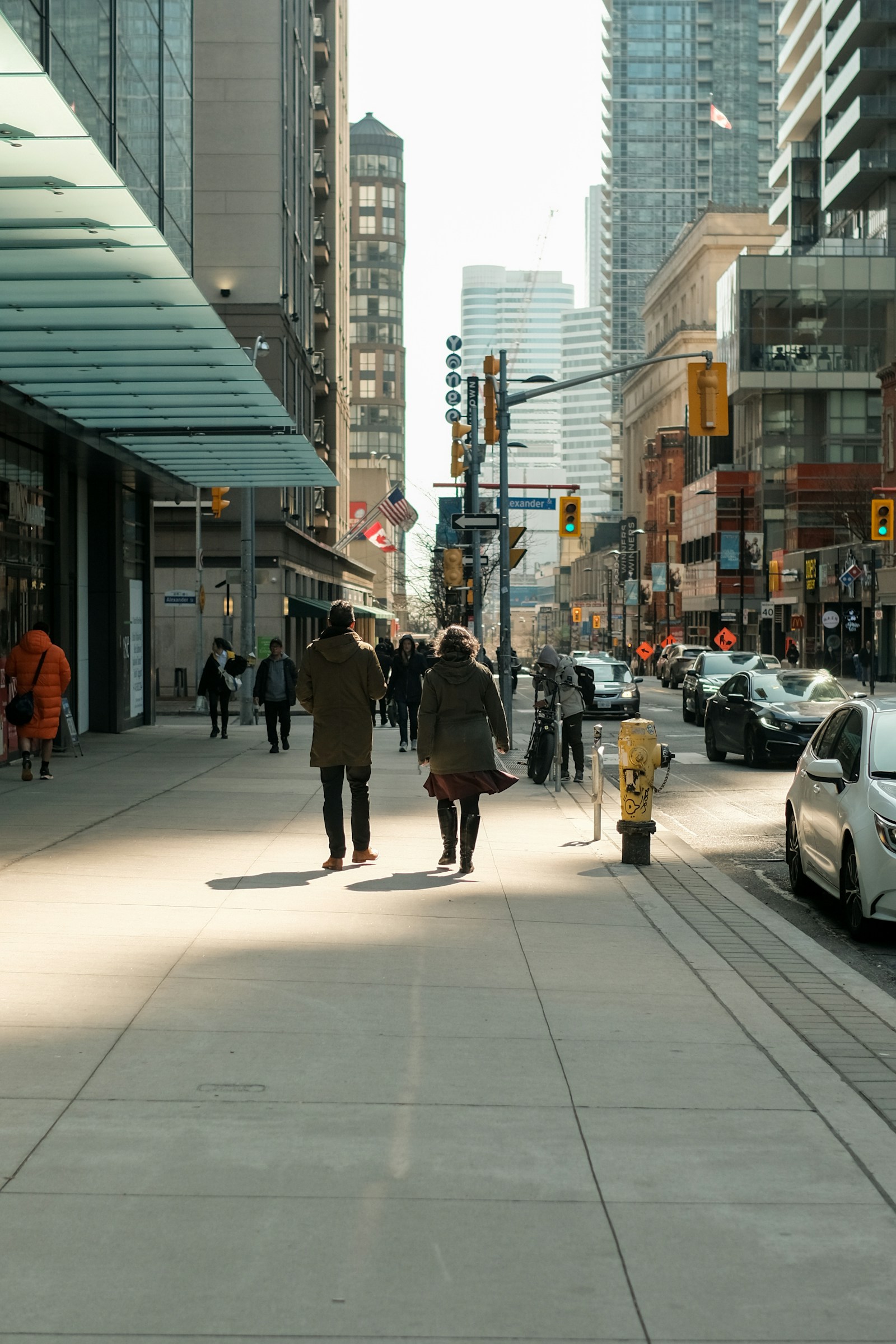
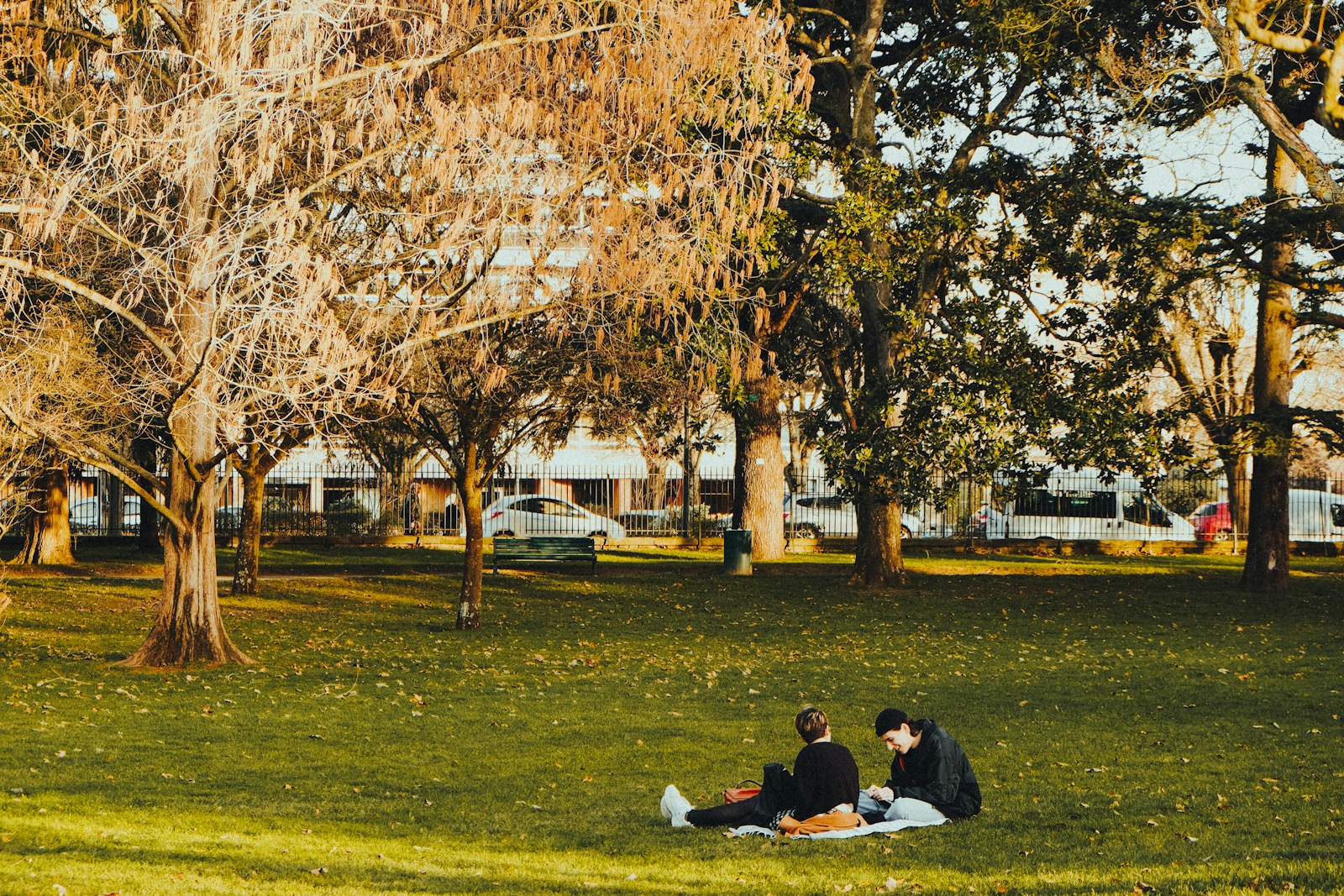
Read
Categories:   $400k | $500k | $50k Savings | $600k | $700k | $800k | 105 Champagne Ave | 2026 | Activities | Advice | Affordable | AI | AirBnB | Ajax | Algonquin College | Ali Realty Group | All Four Seasons | All you can eat | Alta Vista | Another Province | Apartment | Arnprior | Arnprior Real Estate | August | Autumn | Available Programs | AYCE | Back to School | Bakery | Bank of Canada Rate Announcement | Barrhaven | Barrhaven Downtown, Barrhaven - Strandherd Real Estate | Barrhaven East | Barrhaven West | Bayshore | Beacon Hill South | Beechwood Village | Beers | Best | Best Beer | Best Biking Paths | Best Cities To Live | Best Coffee Shops in Ottawa | Best IndianDesi Food | Best Local | Best Neighbourhoods | Best Patio | Best Pizza | Best Schools | Best Study Spots | Best Taco Spots | Best Travel Destinations 2026 | Best Walking Paths | Bidding Wars | Bilingual | Birthday | Boom City | Booming | Boring | Boundary Expansion | Brampton | Branding | Britannia Village | BRRRR Strategy | Bucket List | Budget | Budgeting | Build-to-Rent | Building | Bungalow | Burlington | Busing | Buyers Market | Buying | Byward Market | Byward Market, Lower Town Real Estate | Byward Market/Lower Town, Sandy Hill Real Estate | Cafe | Calgary | Canada Day | Cap Rates | Car-Free | Caribbean Food | Carleton Place | Carleton University | Carlington | Carlsbad Springs | Carp | Celebrations | Central 1 | Centretown | Centretown West | Centretown, Ottawa Centre Real Estate | CFB Rockcliffe and Area, Manor Park - Cardinal Glen and A Real Estate | CFB Rockcliffe and Area, Manor Park - Cardinal Glen Real Estate | Changing | Changing Real Estate | Chapel Hill | Cheapest Places | Checklist | CHEO | Childcare | Chinatown | Christmas | Civc Hospital | Civic Hospital | Clients | Climate Goals | Closing Costs | Coffee Shop | Communities | Commuting | Compared | Condo Fees | Condos | Confluence Park | Convent Glen and Area, Orleans Real Estate | Cost of Living | Cottage | Country | Cozy | Credit Score | Date Night | Day in the Life | Decoration | Detached Home | Divorce | Dog Friendly | Dow's Lake | Dow's Lake/Little Italy, Dow's Lake/Little Italy Real Estate | Dow's Lake/Little Italy, West Centre Town Real Estate | Dow's Lake/Little Italy/Civic Hospital and Area, West Centre Town Real Estate | Down Payment | Downsizing | Downtown | Dows Lake - Civic Hospital and Area (4502 - West Centre Town) Real Estate | Dows Lake/Little Italy, West Centre Town Real Estate | Drake | Driving | Duplex | East End | Eco-Friendly | Embrun | Expenses | Expensive | Fall | Fall Colours | Family | Family Friendly | Farmer's Market | Fastest Growing Neighbourhoods | Ferrari | Final Walkthrough | Finance | Findlay Creek | Findlay Creek, Leitrim Real Estate | First Apartment | First-Time Buyer | Fitness Studio | Fixer-Upper | Flipping Homes | Food | For Sale | Foreclosure | Freehold | French-Friendly | Friends | Fun | Future | Gatineau | Glebe | Gloucester Glen | Golden Triangle | Good | Gotham | Government Worker | Greely | Growing | GTHA | Guide | Gym | Half Moon Bay | Half Moon Bay - Strandherd, Barrhaven Real Estate | Halloween | Hamilton | Happy Hour | Heat | Heat Pump | Hidden Gems | Hiking Trails | Hintonburg | Hiring a real estate agent | Historic | History Ottawa | Holiday Spirit | Holidays | Home Business | Home Inspection | Home Office | Home Staging | Homes | Homes on the Canal | Housing Correction | How Much Income Is Needed? | How much is my Ottawa Home Worth? | How To Get Around The City | How to Stay Cool | HST Rebate | Hunt Club | Hurdman | Immigrants | Immigration | In-Person Showings | Income Needed | Infrastructure | Instagram | Interest Rates | International Student | Investing | Investment Property | Kanata | KBBQ | Kemptville | Korean BBQ | Labour Day | Land Transfer Tax (LTT) | Land Values | Landlords | Lawyer | Layout | Leads | Lease | Lebreton Flats | Legal Checklist | Life in Ottawa | Lifestyle | Listing | Little Italy | Living Alone | Living Along | Living Comfortable | Living Costs | Living In | Living in Ottawa | Local | Lowertown | Lowertown/Byward Market, Lowertown/Byward Market Real Estate | LRT | Luxury Homes | Luxury Living | Manotick | Market | Market Advice | Market Data | Market Trends | Market Update | Mechanicsville | Meeting Clients | Mississauga | Mistakes | Mixed-Use | Montreal | Mortgage | Most | Most Overated | Mothers Day | Move | Move-In Ready | Moving | Moving From | Moving To | Multi-Family | Multi-Generational | Munster - Richmond, Stittsville Real Estate | National Day for Truth and Reconciliation | Nature | Negotiation | Neighborhoods | Neighbourhoods | New Canadian | New Construction | New Edinburgh | New Immigrant | New Real Estate Agent | New Realtor | New Resident | New Venue | New-Builds | Newcomer | Next 5 Years | Night Life | North Gower | Nuit Blanche | O-Train | Oakville | October | Old Ottawa East | Old Ottawa South | Old Ottawa West | Oldest | Open House | Orleans | Orleans South | Oshawa | Ottawa | Ottawa Centre, Centretown Real Estate | Ottawa East/Greystone Village, Ottawa East/Greystone Village Real Estate | Ottawa Population | Ottawa rea | Ottawa Real Estate | Ottawa River | Over Pricing | Overbrook | Parents | Parking | Parks | Parkwood Hills | Part-time Jobs | Patio Season | Peaceful | Pet-Friendly | Petrie Island | Photography | Pickering | Places | Playfair Park, Alta Vista Real Estate | Pre-Approval | Pre-Construction | Pre-List | Price Your Home | Privacy | Professionals | Property Tax | Pros & Cons | Protect Your Home | Public Transportation | Queensway Terrace | Questions | Quiet | Raising Kids | Real Estate Agent | Real Estate Broker | Real Estate Brokerage | Real Estate Lawyer | Red Flags | Regret | Relocation | Remote Workers | Renovate | Renovation | Rent vs. Buy | Rental | Renting | Resale | Restaurant | Retirement | Rideau | Rideau Canal | Rinks | Riverside South | Rockcliffe | Rockland | Rowhomes | Rural | Russell | Safe | Sandy Hill | Sandy Hill, Lower Town Real Estate | Save | Savings | Scenic Drives | Schools | Seasons | Secret | Seller | Selling | September | Shawarma | Shopping Mall | Single Family Home | Single Home | Skating | Smart Home | SOBA | Solo | Somerset | South Keys | Southvale | Space | Spooky Szn | Spring | Spring Market | St. Catherines | Starter | Stay | Still Worth It? | Stittsville | Stoney Creek | Stress-Test | Student Housing | Student Rentals | Students | Studying | Suburb | Successful Habits | Summer | Summer Hone | Sunsets | Surprise | Sushi | Switching | Team | Tenants | Thai Food | Thanksgiving | The Bowery | Things To Do | Thunderstorm | Time Management | Tips | To-Do | Top-Producing Realtor | Toronto | Touring | Townhomes | Townhouse | Transit | Transportation | Trends | Tribeca | Tunney's Pasture | University | University of Ottawa | Upgrades | Urban Living | Vacation Rental | Valentines Day | Vancouver | Vanier | Vars | Viewing | Virtual Tours | Vs. | Walkable | Walking | Walks | Wealth | Weekend Getaways | West End | Westboro | WFA | WFH | What $1,000m gets you | What $1.3M Gets You In Ottawa | What are we known for? | What does it get you? | What to do this weekend? | What to know | Where Do Students Live? | Where is Ottawa Building? | Which city is better to live in? | Which is better to live in? | Which is better? | Whitby | Wine | Wing Deals | Wing Night | Winter | Work From Home | Work Life Balance | Workforce Adjustment | Would You Live Here? | Zoning
The trademarks REALTOR®, REALTORS®, and the REALTOR® logo are controlled by The Canadian Real Estate Association (CREA) and identify real estate professionals who are member’s of CREA. The trademarks MLS®, Multiple Listing Service® and the associated logos are owned by CREA and identify the quality of services provided by real estate professionals who are members of CREA. Used under license.
Questions about real estate?Call or text 613-327-0131