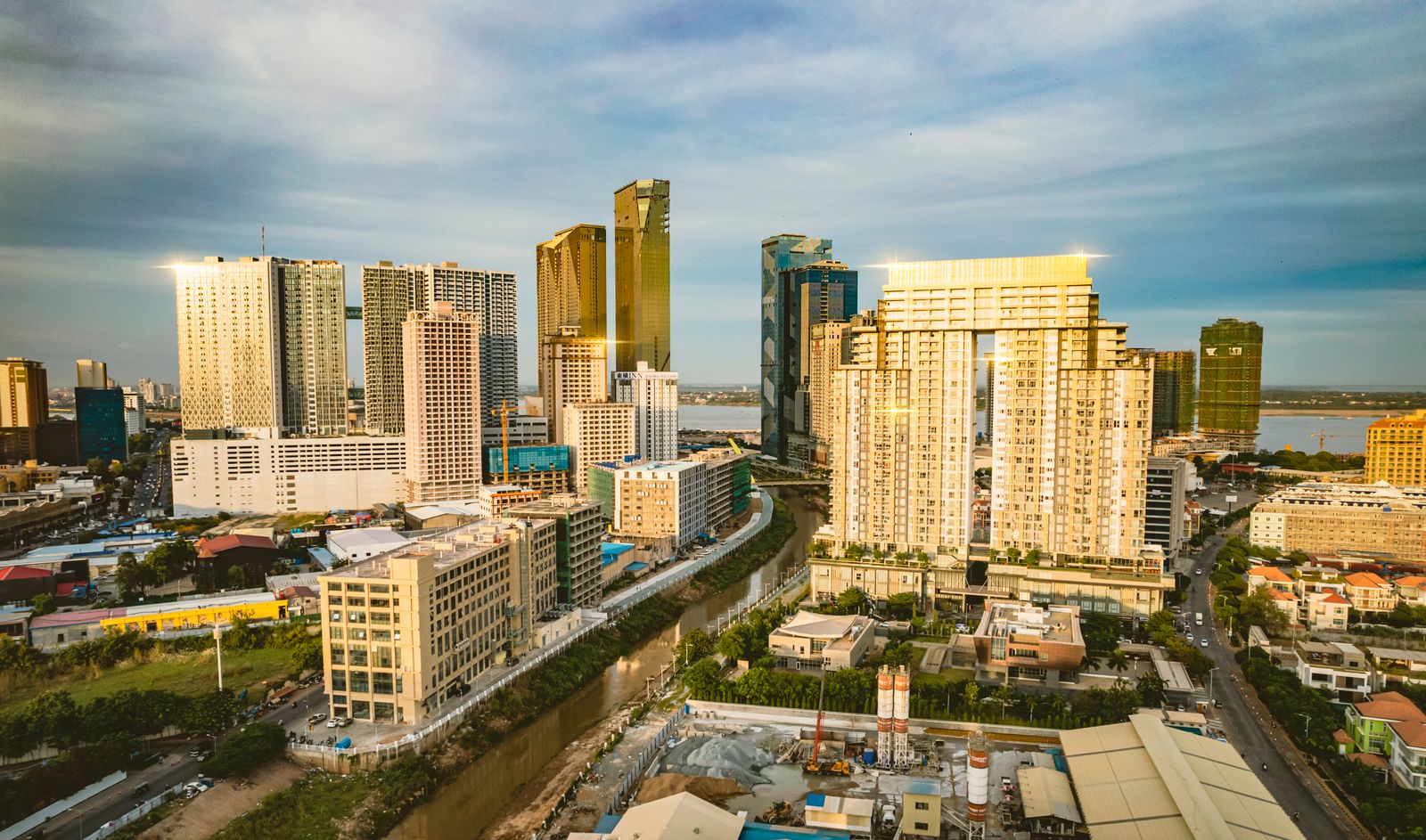
Ottawa is evolving.
While the city has long been known for stability and government employment, the next five years are expected to bring significant residential expansion, infrastructure upgrades, and intensification along transit corridors.
If you’re wondering where growth will concentrate between 2026 and 2031 — whether as a buyer, investor, or future resident — here’s what local trends suggest.
🚆 1️⃣ Orléans – East-End Expansion & Transit Growth
Orléans has been one of Ottawa’s fastest-growing suburban communities for years — and it’s not slowing down.
Why it will grow:
Continued LRT expansion east
New residential subdivisions
Strong appeal for families
More commercial development along Innes Road
Orléans offers relative affordability compared to central neighbourhoods while still providing schools, parks, and retail access.
Growth Type: Suburban housing + infrastructure-driven appreciation
Who it attracts: Families, first-time buyers, newcomers
🌆 2️⃣ Barrhaven – High-Density + Family Demand
Barrhaven continues to absorb significant west-end population growth.
What’s driving it:
New housing developments
Retail and service expansion
South LRT connectivity
Family-friendly reputation
Barrhaven balances newer construction with access to schools and shopping — making it attractive for buyers priced out of more central neighbourhoods.
Growth Type: Master-planned suburban expansion
Who it attracts: Growing families, move-up buyers
🏗️ 3️⃣ LeBreton Flats – Urban Intensification
LeBreton Flats is one of Ottawa’s most talked-about redevelopment areas.
Over the next five years, expect:
Condo towers
Mixed-use development
Waterfront revitalization
Increased downtown density
Its central location makes it a prime candidate for long-term value growth.
Growth Type: Urban condo development
Who it attracts: Professionals, downsizers, investors
🏘️ 4️⃣ Riverside South – Emerging South-End Hub
Riverside South has quietly transformed into a major growth zone.
Why:
LRT connectivity
Proximity to the airport
New schools and amenities
Larger lot sizes compared to downtown
With new transit and ongoing construction, Riverside South is positioned for continued population increases.
Growth Type: Transit-oriented suburban expansion
Who it attracts: Young families, dual-income households
🌳 5️⃣ Kanata North – Tech-Driven Growth
Kanata North remains Ottawa’s technology hub.
Over the next five years:
Tech employment expansion
Mixed residential intensification
Condo and townhome development
As hybrid work models continue, Kanata North will likely see both employment and housing growth.
Growth Type: Employment-driven housing demand
Who it attracts: Tech professionals, investors
🏙️ 6️⃣ Vanier & Overbrook – Quiet Urban Transformation
Vanier and nearby Overbrook are experiencing gradual change.
These areas offer:
Lower entry prices
Proximity to downtown
Increasing redevelopment
Over the next five years, expect:
Infill projects
Semi-detached replacements
Rising investor interest
Growth Type: Gentrification & urban infill
Who it attracts: First-time buyers, builders
🚉 7️⃣ Transit Corridors & LRT Nodes
Growth won’t just be neighbourhood-specific — it will be transit-focused.
Areas near:
New LRT stations
Major bus routes
Walkable mixed-use hubs
…are expected to see higher-density development and condo projects.
Ottawa’s planning strategy increasingly favors:
Intensification over sprawl
Mid-rise developments
Mixed residential-commercial zones
Transit proximity will matter more than ever.
📈 What’s Driving Ottawa’s Growth (2026–2031)
Several factors will shape expansion:
✔ Population Growth
Ottawa continues to attract:
New immigrants
Interprovincial relocations
Federal employees
Tech workers
✔ Relative Affordability
Compared to Toronto and Vancouver, Ottawa remains more accessible.
✔ Work-From-Home Flexibility
Hybrid work allows residents to live farther from downtown without daily commuting stress.
✔ Infrastructure Investment
Transit expansion and intensification policies will reshape density patterns.
🏠 Detached vs Condo Growth Trends
Over the next five years:
Suburbs will continue expanding outward
Central neighbourhoods will grow upward (condos)
Townhomes will remain highly in demand
Large detached inventory may remain limited
Expect price pressure near transit and employment hubs.
🤔 Where Should Buyers Watch Closely?
If you’re considering buying or investing:
Transit-connected suburbs (Orléans, Riverside South)
Emerging urban areas (Vanier, Overbrook)
Central redevelopment zones (LeBreton Flats)
Tech-driven hubs (Kanata North)
These areas align with both population and infrastructure trends.
❓ FAQs
Will Ottawa keep growing over the next 5 years?
Yes — steady population increases and infrastructure investments suggest continued growth.
Will suburbs grow faster than downtown?
Suburbs may see more volume growth, while downtown areas see density growth.
Is now a good time to buy in growing areas?
That depends on interest rates and personal finances — but transit and redevelopment zones often show long-term strength.
Which area has the most upside?
Transit-connected neighbourhoods and redevelopment districts tend to attract sustained demand.
🏁 Final Thoughts
Ottawa’s growth from 2026 to 2031 won’t look explosive — it will look strategic.
Instead of rapid urban sprawl, expect:
Smart intensification
Transit-oriented development
Steady suburban expansion
Targeted redevelopment
The city isn’t trying to become Toronto. It’s evolving into a more connected, balanced version of itself.
For buyers, investors, and residents alike, understanding where Ottawa is heading over the next five years can help you make smarter decisions today.