Why Parking Knowledge Matters in Ottawa
Parking in Ottawa can feel straightforward—until it isn’t. Between winter snow bans, residential permits, downtown restrictions, and ever-changing signage, understanding the city’s parking rules can save residents time, money, and frustration.
Whether you’re new to Ottawa or have lived here for years, this guide breaks down Ottawa parking rules and local tips every resident should know to avoid tickets and park with confidence.
1. Understanding Street Parking in Ottawa
Posted Signs & Time Limits
Ottawa relies heavily on posted signage. Common restrictions include:
One-, two-, or three-hour limits
No parking during rush hours
Overnight restrictions on certain streets
Always read the full sign—not just the first line. Multiple rules can apply to the same spot.
Permit vs Non-Permit Streets
Many residential streets require:
A residential parking permit
Visitor parking permits for guests
Parking on permit-only streets without proper authorization often results in tickets, even during evenings and weekends.
2. Winter Parking Rules & Snow Bans
Winter is where parking catches most residents off guard.
Key winter rules include:
City-wide snow parking bans during storms
No overnight street parking during bans
Increased enforcement for plowing access
Snow bans can be announced with short notice, so residents often rely on city alerts or local news updates.
3. Residential Parking Permits Explained
Residential permits are designed for:
Residents without driveways
Areas with limited on-street parking
Important things to know:
Permits are neighbourhood-specific
Visitor permits have time limits
Permits don’t override snow bans
Permits are essential in dense neighbourhoods like Centretown, The Glebe, and Sandy Hill.
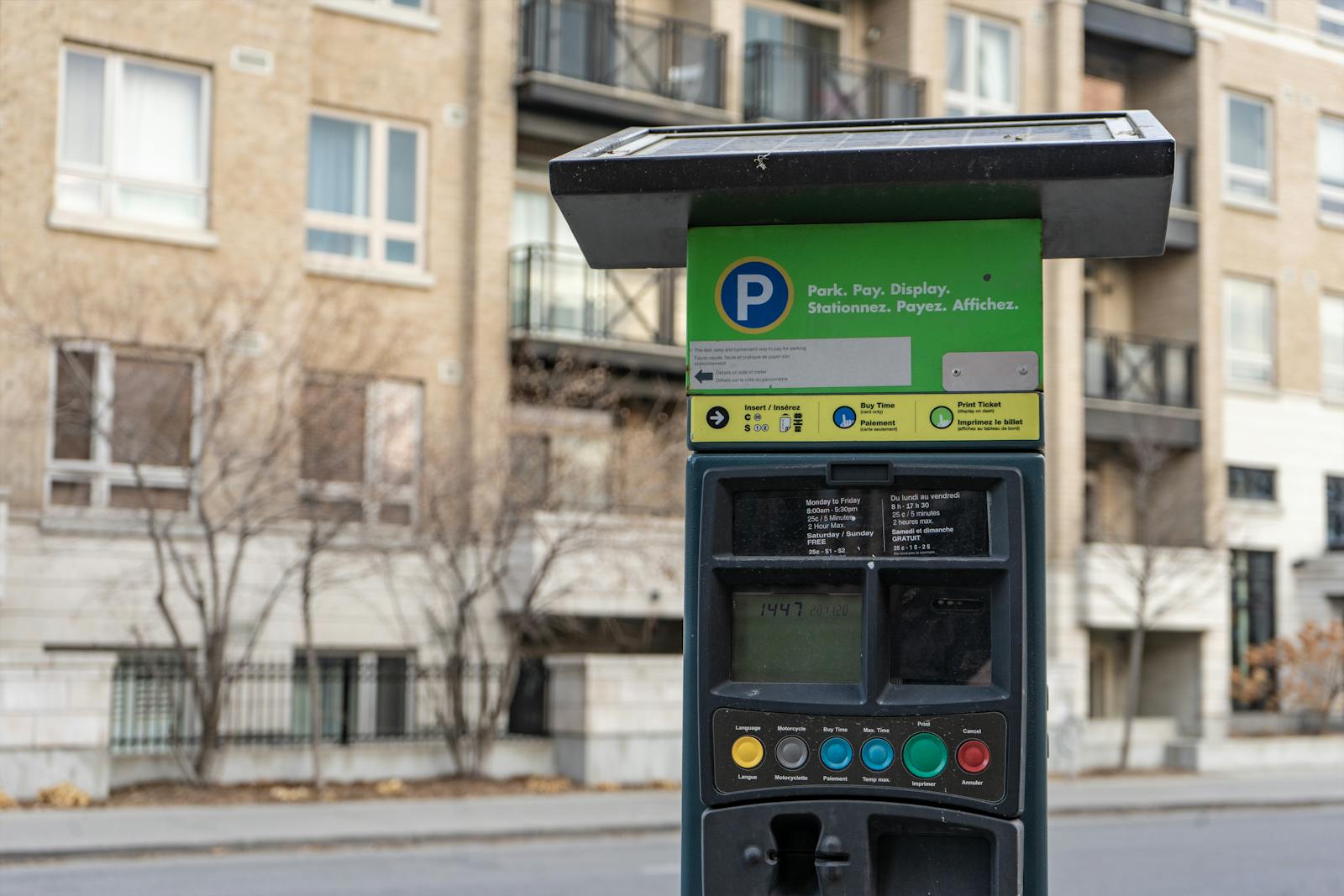
4. Paid Parking Zones & Meters
Paid parking is common in:
Downtown Ottawa
ByWard Market
Near shopping districts
Key tips:
Pay attention to hours of enforcement
Some areas are free evenings or Sundays
Mobile payment apps are widely accepted
Ignoring meter times is one of the fastest ways to get ticketed.
5. Downtown & ByWard Market Parking Tips
Parking downtown requires planning.
Helpful strategies include:
Using parking garages for longer stays
Parking slightly outside core areas and walking
Avoiding peak hours when possible
ByWard Market enforcement is strict, especially during busy evenings and weekends.
6. Parking Near Schools, Hospitals & Transit Stations
High-traffic areas come with stricter rules:
Short time limits
Tow-away zones
No stopping areas
Park-and-ride lots near transit stations are popular but fill quickly during weekdays.
7. Common Parking Mistakes That Lead to Tickets
Residents most often get ticketed for:
Ignoring snow bans
Parking too close to intersections
Exceeding posted time limits
Blocking driveways or fire hydrants
Misunderstanding permit zones
Most tickets are avoidable with careful sign reading.
8. Neighbourhood-Specific Parking Realities
Parking experiences vary widely:
Centretown: Permit-heavy, limited street parking
The Glebe: Strict enforcement, event-based restrictions
Suburbs: More driveway parking, fewer restrictions
Older neighbourhoods: Narrow streets and seasonal challenges
Choosing where to live often impacts daily parking convenience.
FAQs
Q1: Is overnight street parking allowed in Ottawa?
It depends on the street and season—winter bans change everything.
Q2: Do residential permits work city-wide?
No, they’re neighbourhood-specific.
Q3: How do I know when snow bans are active?
Through city alerts and local news.
Q4: Are parking tickets common in Ottawa?
Yes, especially downtown and during winter.
Q5: Can visitors park overnight?
Only with visitor permits and when no snow ban is active.
Q6: Is parking easier in the suburbs?
Generally yes, especially with driveways.
Conclusion
Parking in Ottawa isn’t complicated once you understand the rules—but ignoring them can be costly. From winter snow bans to residential permits and downtown restrictions, knowing how parking works helps residents avoid tickets and stress. Whether you live in the urban core or the suburbs, a little parking knowledge goes a long way in navigating daily life in the city.