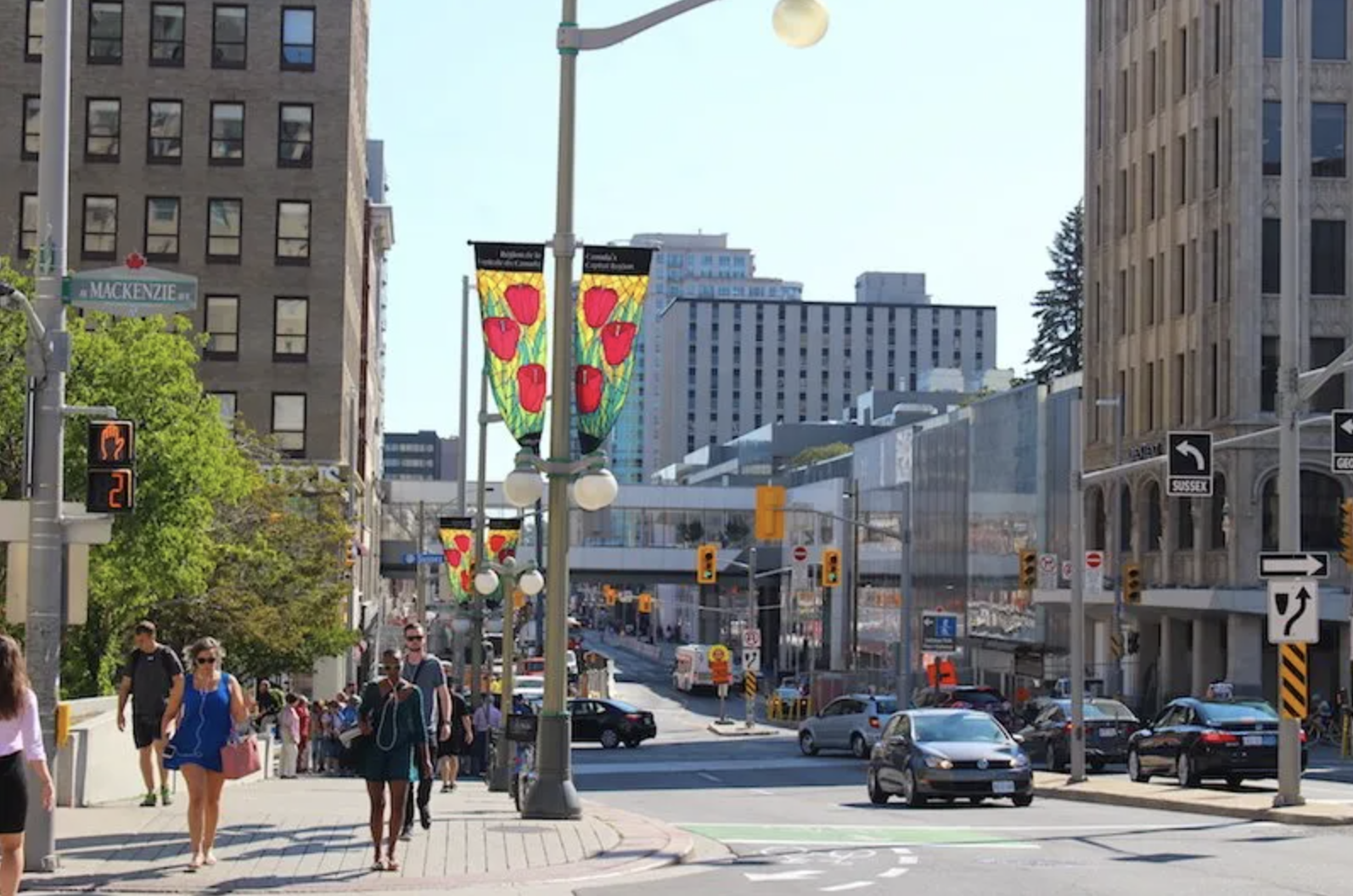
In 2026, one topic is quietly shaping conversations across Ottawa’s core:
Workforce Adjustment (WFA).
With the federal government implementing staffing changes and departmental restructuring, many residents are asking:
Is downtown Ottawa changing because of WFA?
What does it mean for real estate?
Are businesses being affected?
Is the core weakening — or evolving?
Here’s a balanced, local perspective on what’s actually happening.
What Is Workforce Adjustment (WFA)?
Workforce Adjustment (WFA) refers to staffing reductions, reorganizations, and role eliminations within the federal public service.
In a city like Ottawa — where government employment plays a major economic role — even modest changes can have ripple effects.
Unlike private-sector layoffs that happen abruptly, WFA tends to be:
Structured
Phased
Policy-driven
Long-term in planning
But that doesn’t mean it’s invisible.
Why Downtown Ottawa Is Sensitive to WFA
Downtown Ottawa — especially areas like:
Centretown
ByWard Market
Golden Triangle
— has historically depended on federal office workers.
When office density drops, the effects can include:
Reduced weekday foot traffic
Lower lunch-hour business activity
Increased office vacancy
Softer demand for small commercial space
WFA amplifies a shift that was already underway due to hybrid work.
Office Vacancy: A Visible Change
Even before workforce adjustments, hybrid policies reduced daily downtown traffic.
WFA adds another layer of uncertainty.
What we’re seeing in 2026:
Some federal buildings underutilized
Slower leasing activity
Increased discussion about office-to-residential conversions
The downtown skyline hasn’t changed dramatically — but the way buildings are used is evolving.
Real Estate: Impact on Condos & Rentals
Here’s where nuance matters.
Condos
No dramatic collapse
Steady but cautious buyer demand
More negotiation room than peak years
Rental market
Still supported by students and newcomers
Slight softening in premium downtown rents
Stable overall demand due to population growth
Ottawa’s housing market remains more stable than cities like Toronto because it has historically grown at a measured pace.
WFA may slow appreciation — but it hasn’t triggered panic selling.
Local Businesses: Adjusting, Not Disappearing
Restaurants and retailers downtown feel changes faster than residential markets.
What’s happening:
Businesses pivoting toward evening and weekend customers
More focus on residents instead of office workers
New smaller-format shops replacing corporate lunch spots
Downtown feels less corporate and more neighborhood-oriented.
That shift could be a long-term positive — even if short-term adjustment is uncomfortable.
A Shift Toward Residential Living
Ironically, WFA may accelerate a transformation that urban planners have long discussed:
Turning downtown into a true residential core — not just a government district.
We’re seeing:
Increased interest in condo conversions
More emphasis on mixed-use developments
Investment in transit and streetscaping
Projects around LeBreton Flats signal long-term confidence in central growth.
The core may end up more balanced — less dependent on 9-to-5 office workers.
Is Downtown “Declining”?
It depends on how you define decline.
If you measure:
Weekday office density → yes, it’s lower.
Government building utilization → reduced.
Lunch-hour rush → quieter.
But if you measure:
Residential demand → stable.
Infrastructure investment → ongoing.
Long-term city planning → forward-looking.
Then the picture is less alarming.
Ottawa has always been steady rather than volatile. That personality is showing again.
What Could Happen Next?
The trajectory depends on:
Federal hiring policies
Return-to-office requirements
Immigration and population growth
Interest rate movements
Private-sector expansion in tech and innovation
If federal reductions deepen significantly, downtown could face further commercial softness.
If WFA stabilizes and hybrid norms become predictable, the core may gradually recalibrate rather than contract.
The Bigger Picture
Downtown Ottawa is not collapsing.
It’s transitioning.
Workforce Adjustment (WFA) is contributing to a broader evolution that began with remote work and shifting urban preferences.
The long-term question isn’t whether downtown returns to 2019 levels of office density.
It’s whether it becomes something more diversified and residential.
Final Thoughts
Is the downtown Ottawa landscape changing due to Workforce Adjustment?
Yes — but not dramatically overnight.
WFA is:
Reducing office intensity
Influencing commercial activity
Slowing some real estate momentum
But it’s also pushing downtown toward a more balanced, resident-focused identity.
Ottawa rarely moves in extremes.
In 2026, what we’re seeing isn’t a collapse — it’s a recalibration.
And whether that becomes a setback or an opportunity depends on how the city adapts next.