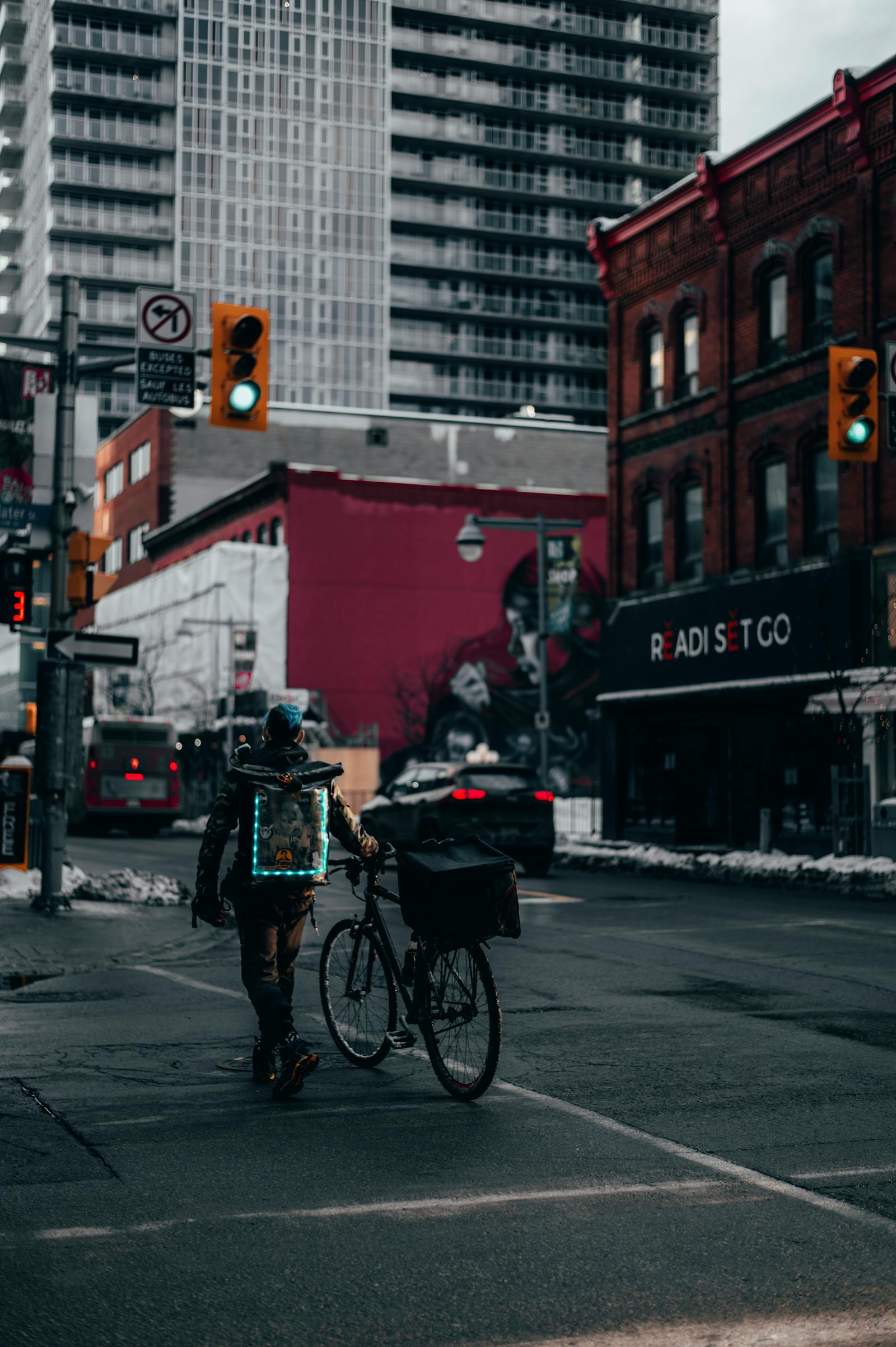
For the past few years, one question has lingered in real estate conversations:
Is downtown Ottawa struggling — or staging a comeback?
With remote work reshaping office culture, changing retail patterns, and growing investment in transit and redevelopment, 2026 feels like a turning point.
Here’s an honest look at whether downtown Ottawa is bouncing back — and what it means for buyers, renters, and investors.
📍 What Counts as “Downtown” in Ottawa?
When people say “downtown Ottawa,” they usually mean areas like:
Centretown
ByWard Market
Sandy Hill
Golden Triangle
These neighbourhoods offer condo living, walkability, transit access, and proximity to Parliament and major employers.
But they’ve also faced real challenges since 2020.
🏢 1️⃣ Office Vacancy & Remote Work Impact
Ottawa’s downtown core historically relied heavily on federal government workers.
With hybrid work now common in 2026:
Office towers remain partially vacant
Weekday foot traffic fluctuates
Lunch-hour retail isn’t what it used to be
This shift slowed downtown momentum — but it also created opportunity.
🏗️ 2️⃣ Residential Growth Is Increasing
While office demand softened, residential demand didn’t disappear.
Developments in and around:
LeBreton Flats
The core condo corridor
Transit-oriented areas
…are adding more people actually living downtown — not just working there.
That matters.
Cities thrive when people live in them full-time, not just commute in and out.
🚉 3️⃣ Transit Investment Is Supporting Density
Ottawa’s LRT expansion continues shaping growth patterns.
Downtown remains the central hub of the transit network.
As more suburban residents gain reliable rail access, downtown becomes more accessible again — which supports:
Condo demand
Rental demand
Commercial redevelopment
Transit-focused planning suggests long-term confidence in the core.
🍽️ 4️⃣ The Restaurant & Patio Scene Is Stabilizing
While some businesses closed in previous years, new restaurants and cafés have opened.
ByWard Market and Elgin Street continue evolving.
The difference in 2026?
More targeted retail
More local-focused businesses
Less reliance on pure office traffic
Downtown feels more residential than corporate — and that’s changing its identity.
🏠 5️⃣ Condo Prices & Rental Trends
Compared to suburban detached homes, downtown condos remain:
More affordable entry points
Popular with investors
Attractive to young professionals
In 2026, many buyers see downtown as:
A lifestyle play
A long-term hold
A rental opportunity
Price growth hasn’t been explosive — but stability is returning.
👥 6️⃣ Who Is Moving Downtown Now?
Downtown Ottawa in 2026 appeals to:
Young professionals
Downsizers
Students
Investors
Remote workers who value walkability
It’s less about daily commuters — more about lifestyle residents.
🤔 So… Is It Really a Comeback?
It depends on what you compare it to.
Downtown Ottawa may not return to:
2019 office density
Packed weekday lunch crowds
But it is:
Becoming more residential
Seeing steady condo absorption
Benefiting from transit-driven planning
Experiencing gradual revitalization
This isn’t a dramatic rebound.
It’s a slow recalibration.
📊 The Bigger Picture
Ottawa has always been a stable-growth city.
Downtown’s recovery reflects that personality:
Controlled
Gradual
Infrastructure-backed
Long-term focused
If you’re expecting Toronto-level intensity, you may feel underwhelmed.
If you’re looking for steady urban evolution, the comeback is happening quietly.
🔮 What to Watch Through 2027–2028
Key factors that will determine downtown’s trajectory:
Federal return-to-office policies
Continued residential conversion projects
Safety and streetscape improvements
Retail and hospitality reinvestment
If these align, downtown Ottawa could feel significantly stronger within the next few years.
🏁 Final Thoughts
Is downtown Ottawa making a comeback?
Yes — but not in a flashy way.
It’s transitioning from a government-heavy office district into a more balanced, residential urban core.
For buyers and investors, that transition could represent opportunity.
For residents, it means downtown Ottawa in 2026 feels different — less corporate, more livable.
And in the long run, that might be exactly what it needs.