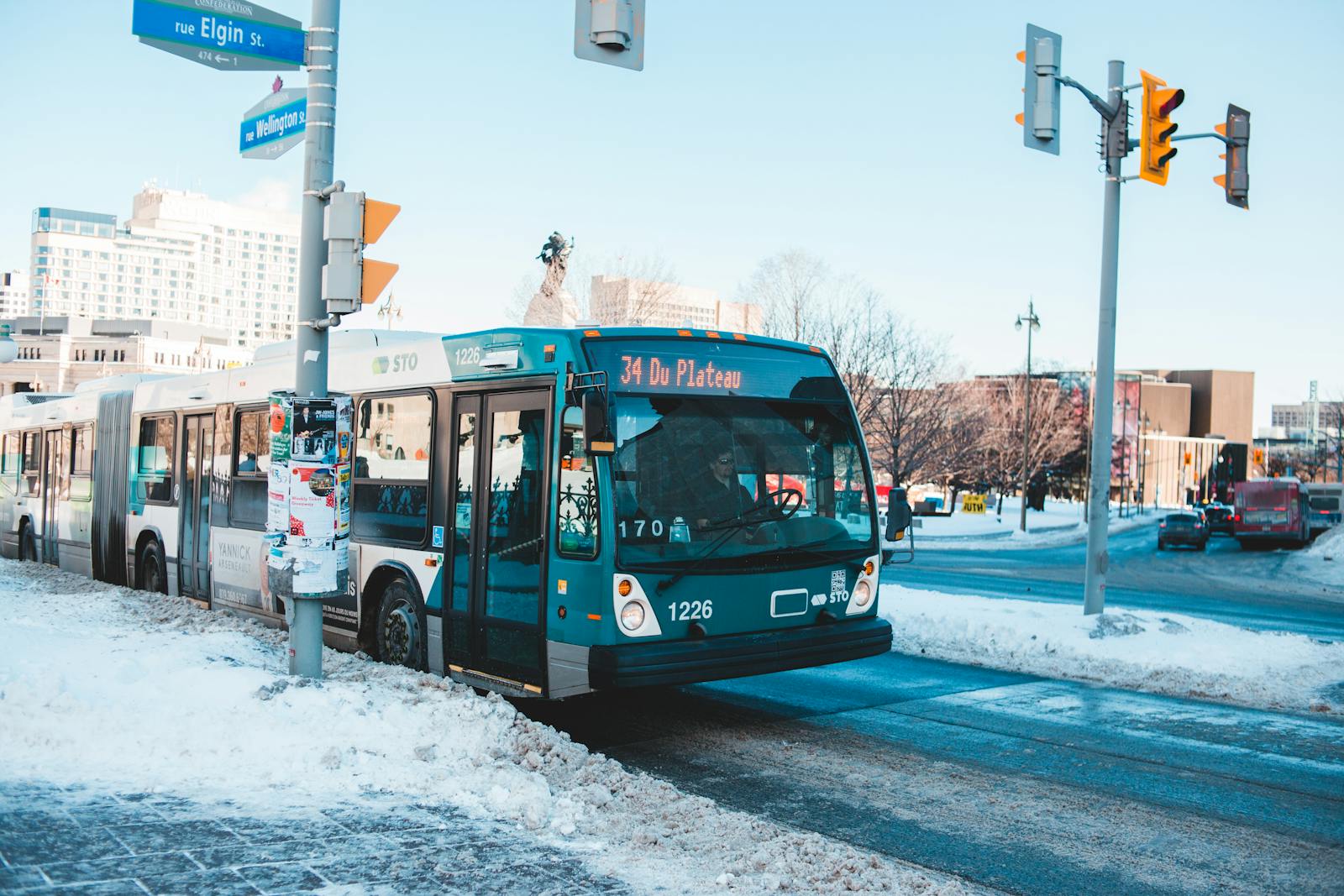
Getting around efficiently is a key part of daily life in Canada’s capital. Whether you're heading downtown for work or traveling across the city, understanding Commuting in Ottawa: LRT, Buses, and Driving can help you choose the best transportation option for your lifestyle.
In Ottawa, commuters rely on a mix of public transit and driving. The city offers a growing light rail system, an extensive bus network, and relatively manageable road traffic compared to larger cities like Toronto.
In this guide, we’ll break down each commuting option, including pros, cons, costs, and tips to help you navigate Ottawa with ease.
Overview of Transportation in Ottawa
Ottawa’s transportation system is built around public transit and major roadways.
The primary public transit provider is OC Transpo, which operates both buses and the city’s Light Rail Transit (LRT) system.
Commuters typically choose between:
Light Rail Transit (LRT)
Bus network
Driving
Each option offers different benefits depending on where you live and work.
Ottawa’s LRT System (O-Train)
The Light Rail Transit system, commonly known as the O-Train, is a major part of Commuting in Ottawa: LRT, Buses, and Driving.
Key Features
Runs east to west through the city
Connects major hubs like downtown and suburbs
Fast and efficient for longer distances
Pros of Using LRT
Avoids road traffic
Reliable travel times
Modern stations and trains
Ideal for downtown commuters
Cons of Using LRT
Limited coverage compared to buses
Transfers may be required
Occasional service disruptions
Best Areas for LRT Commuters
Living near an LRT station can significantly improve commute times.
Popular areas include:
Centretown
Hintonburg
Orleans (with expansion)
Kanata (future expansion plans)
Bus System in Ottawa
Ottawa’s bus network complements the LRT and reaches areas not serviced by rail.
Key Features
Extensive coverage across the city
Feeder routes connecting to LRT stations
Express routes during peak hours
Pros of Taking the Bus
Access to more neighbourhoods
Flexible routes
Cost-effective
Cons of Taking the Bus
Can be slower during peak traffic
Subject to delays
Transfers may increase travel time
When the Bus Is Best
The bus system works well for:
Suburban commuters
Areas without direct LRT access
Short-distance travel
Driving in Ottawa
Driving remains a popular option for many residents, especially those living outside the downtown core.
Road Infrastructure
Ottawa’s main highway, Highway 417, runs through the city and connects key areas.
Pros of Driving
Flexibility and convenience
Faster for certain suburban routes
No reliance on transit schedules
Cons of Driving
Traffic during peak hours
Parking costs downtown
Fuel and maintenance expenses
Parking Considerations
Downtown parking can be expensive and limited.
Many commuters choose park-and-ride options or combine driving with transit.
Comparing LRT, Buses, and Driving
Here’s a simple comparison to help you decide the best option for Commuting in Ottawa: LRT, Buses, and Driving:
Cost of Commuting in Ottawa
Understanding commuting costs is important when choosing your transportation method.
Public Transit Costs
Monthly pass available through OC Transpo
Discounted fares for students and seniors
Driving Costs
Gas prices
Insurance
Parking fees
Vehicle maintenance
Public transit is generally more cost-effective, especially for daily commuters.
Commuting Tips for Ottawa Residents
To make the most of Commuting in Ottawa: LRT, Buses, and Driving, consider these tips:
Live near an LRT station if possible
Use park-and-ride lots to combine driving and transit
Avoid peak rush hours when possible
Check transit apps for real-time updates
Plan alternate routes during winter
Good planning can significantly reduce commute stress.
How Commuting Affects Real Estate Choices
Transportation plays a major role in where people choose to live in Ottawa.
Buyers often prioritize:
Proximity to LRT stations
Easy highway access
Walkability
Homes near transit hubs often have higher demand and resale value.
Future of Transportation in Ottawa
Ottawa continues to invest in transit infrastructure.
Future developments include:
LRT expansions to suburbs
Improved bus routes
Better integration between transit systems
These improvements are expected to make commuting more efficient over time.
Frequently Asked Questions
1. Is public transit reliable in Ottawa?
Generally yes, though occasional delays can occur, especially with the LRT.
2. Do I need a car in Ottawa?
Not necessarily. Many residents rely on public transit, especially near downtown.
3. What is the fastest way to commute in Ottawa?
The LRT is often the fastest option for long-distance travel across the city.
4. Is parking expensive in Ottawa?
Downtown parking can be costly, especially during work hours.
5. Are buses better than LRT?
Buses offer more coverage, while LRT provides faster travel along main routes.
6. Does commuting affect home prices?
Yes. Homes near transit hubs and major routes tend to have higher demand.
Final Thoughts
Understanding Commuting in Ottawa: LRT, Buses, and Driving is essential for choosing the right lifestyle and location in the city. Whether you prefer the speed of the LRT, the flexibility of buses, or the convenience of driving, Ottawa offers options to suit every commuter.
By planning ahead and considering your daily routine, you can find a commuting solution that balances time, cost, and convenience.