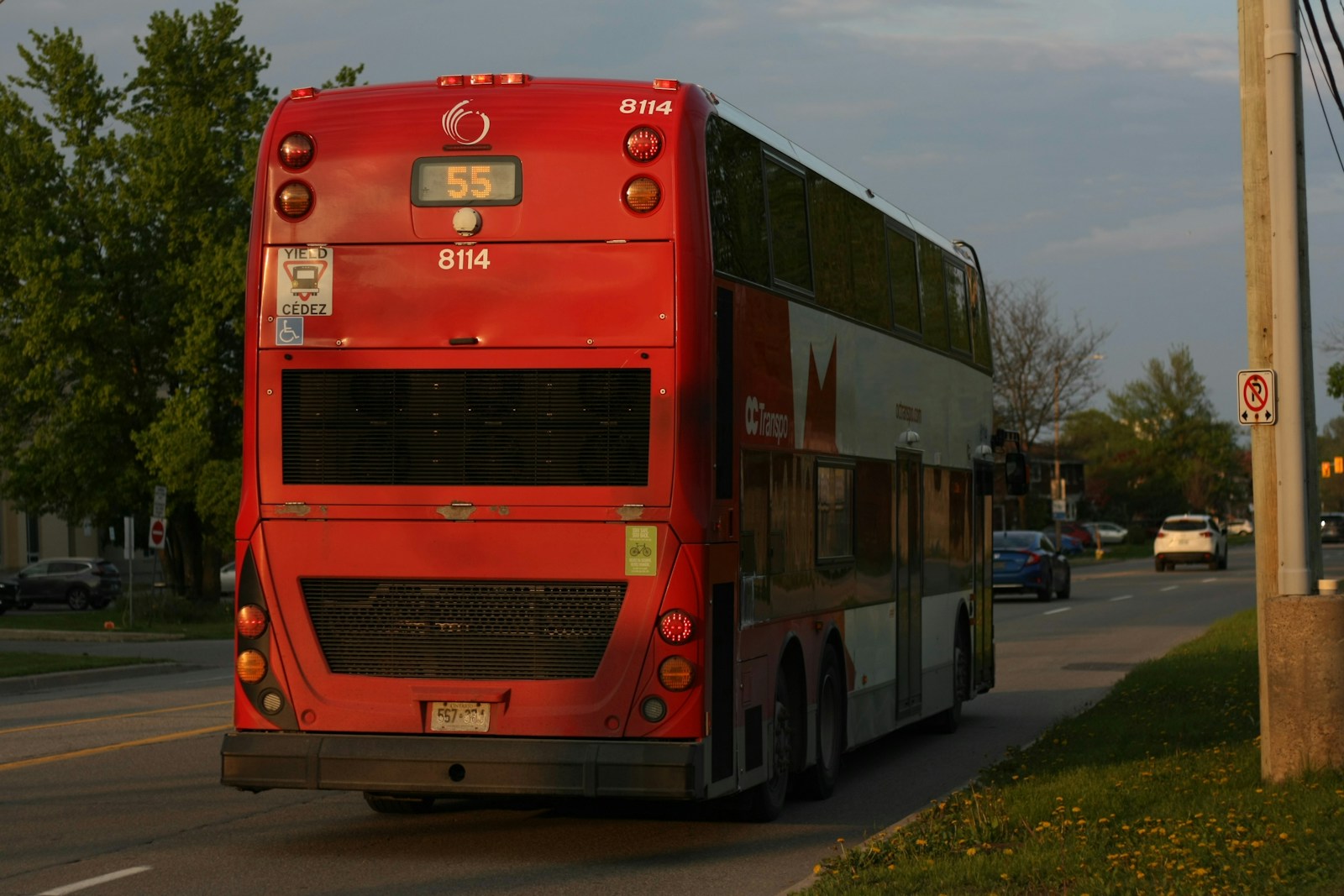
How Commuting Has Changed in Ottawa
Commuting in Ottawa looks very different in 2026 than it did a decade ago. With expanded transit infrastructure, evolving work-from-home policies, and shifting lifestyle priorities, residents now have more flexibility in how they get to work—or whether they commute at all.
Understanding commuting in Ottawa in 2026 means looking beyond rush hour traffic and considering transit, driving, cycling, and remote work together.
1. What the Average Ottawa Commute Looks Like in 2026
Ottawa remains one of Canada’s more commuter-friendly cities.
Key characteristics include:
Shorter average commute times than Toronto or Vancouver
Less congestion outside peak hours
More flexible schedules due to hybrid work
Many residents no longer commute five days a week, which has reshaped traffic patterns across the city.
2. Public Transit in Ottawa – What to Expect
LRT & Bus Network
Public transit continues to play a major role in Ottawa commuting. The light rail system connects key areas, while buses serve neighbourhoods not directly on rail lines.
Transit is commonly used by:
Downtown workers
Students
Residents in transit-oriented communities
Reliability & Coverage
While reliability has improved, transit experiences vary by location. Proximity to stations and major routes greatly affects convenience, making neighbourhood choice an important factor for transit users.
3. Driving in Ottawa – Is It Still Practical?
Traffic Patterns
Driving remains a popular commuting option in Ottawa. Compared to other major cities, congestion is manageable, especially outside the downtown core.
Peak traffic typically occurs:
During morning and afternoon rush hours
On major east-west corridors
Parking & Costs
Parking availability depends on location:
Downtown parking can be costly
Suburban areas offer easier parking
Many employers offer partial or flexible parking solutions
For many residents, driving remains practical and predictable.
4. Cycling & Active Transportation
Ottawa is one of Canada’s most bike-friendly cities.
Cycling infrastructure includes:
Dedicated bike lanes
Multi-use pathways
Scenic routes along waterways
Many residents choose cycling for short commutes, especially in warmer months, while others combine biking with transit.
5. Work-From-Home & Hybrid Work in 2026
Work-from-home is now a permanent part of Ottawa’s work culture.
Common arrangements include:
Hybrid schedules
Fully remote roles
Flexible start and end times
This shift has reduced daily congestion and allowed residents to prioritize neighbourhoods based on lifestyle rather than proximity to downtown offices.
6. Best Neighbourhoods for Easy Commuting
Neighbourhoods with convenient commuting often share:
Access to major roads or transit lines
Walkable amenities
Short travel times to employment hubs
Transit-oriented developments and centrally located communities remain popular choices in 2026.
7. How Commuting Impacts Quality of Life
Commute length and flexibility directly affect daily life.
Shorter or less frequent commutes allow for:
More family time
Improved work-life balance
Reduced stress
Greater participation in local activities
Ottawa’s commuting options support a lifestyle that values balance over burnout.
8. Tips to Reduce Commute Stress
Ottawa residents recommend:
Choosing housing near work or transit
Considering hybrid work options
Avoiding peak hours when possible
Using active transportation seasonally
Planning routes in advance
Small adjustments can significantly improve the commuting experience.
FAQs
Q1: Is commuting in Ottawa stressful?
Generally less stressful than in larger cities.
Q2: Do you need a car in Ottawa?
Not always—it depends on location and lifestyle.
Q3: Is public transit reliable in 2026?
Improving, but reliability varies by route.
Q4: Is biking realistic year-round?
Many bike seasonally; winter cycling is possible with preparation.
Q5: Are commute times increasing?
Not significantly, thanks to hybrid work.
Q6: Does commuting affect housing choice?
Yes—commute convenience remains a top priority.
Conclusion
Commuting in Ottawa in 2026 offers flexibility, choice, and balance. Whether you rely on transit, drive, bike, or work from home, the city supports multiple commuting styles without the extreme congestion seen elsewhere. As work patterns continue to evolve, Ottawa’s manageable commute remains one of its strongest quality-of-life advantages.