RSS

Why Mechanicsville Is Ottawa’s Next Big Condo Market

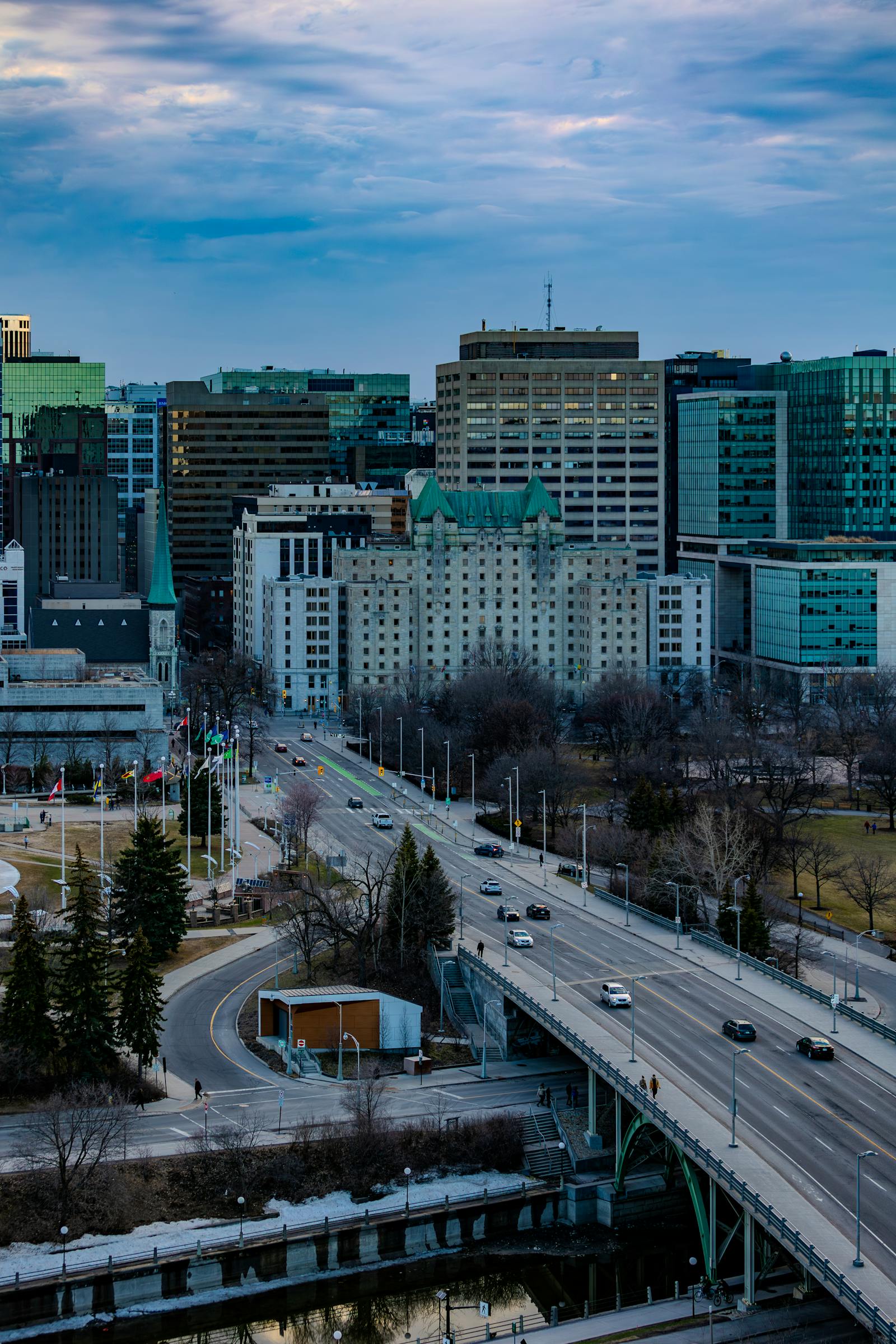
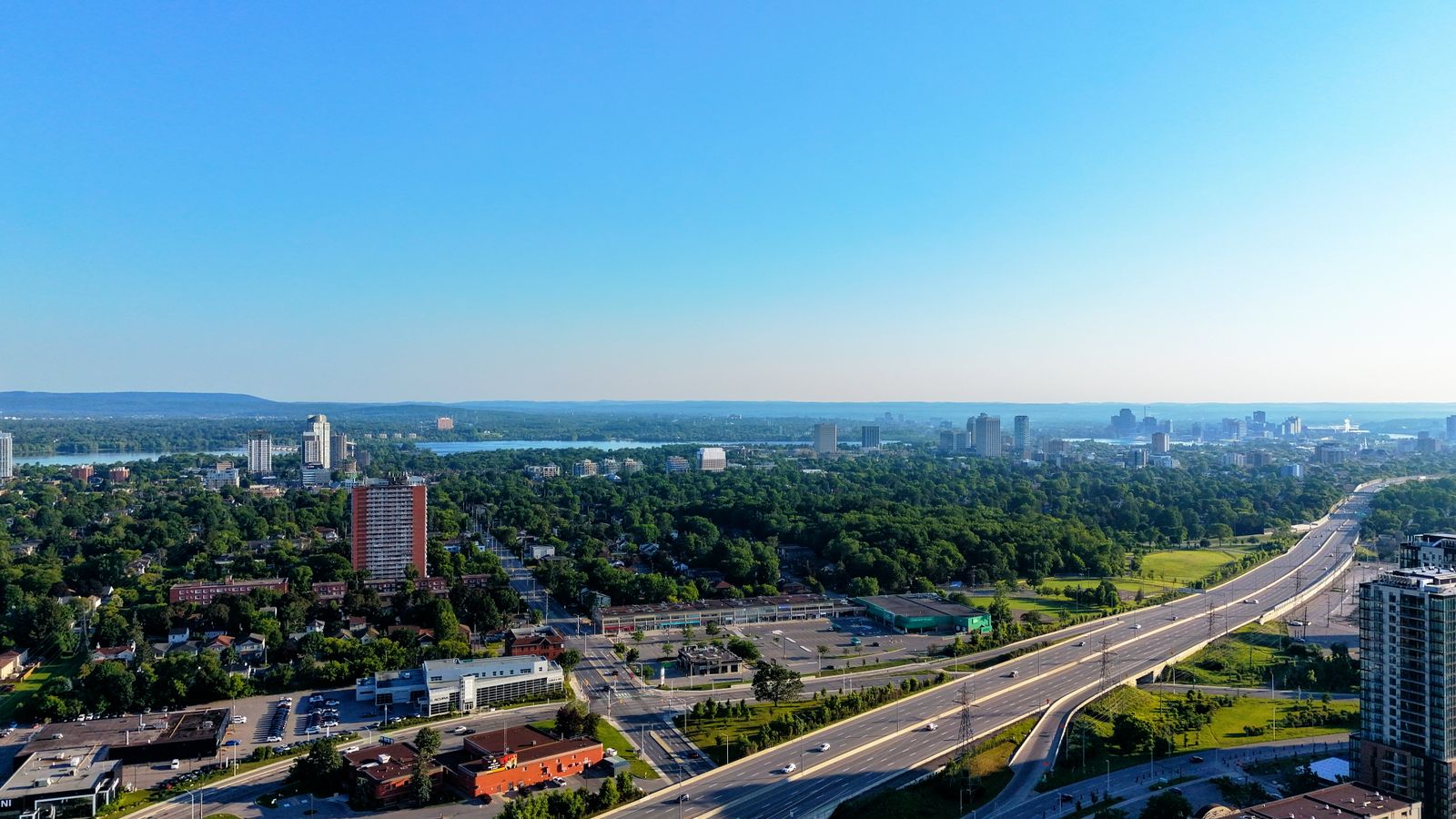
In recent years, Mechanicsville has started shedding its reputation as an overlooked pocket and is emerging as one of Ottawa’s hottest new condo markets. Wedged between trendy Hintonburg, Tunney’s Pasture, and the Ottawa River, this neighborhood combines affordability, location, and transit access — three things today’s buyers and investors are hungry for.

As Ottawa continues to grow, Mechanicsville is quickly becoming a smart urban alternative for first-time buyers, downsizers, and condo investors. Here’s why 2025 may be the year this once-underrated area steps into the spotlight.


1. Location, Location, Location

Mechanicsville sits just west of downtown Ottawa, bordered by Scott Street, Parkdale Avenue, and the Ottawa River. Its position is enviable:

  • A 5-minute walk to Hintonburg, with its coffee shops, restaurants, and artsy vibe.

  • Steps from the Ottawa River Pathway, perfect for biking, jogging, or weekend strolls.

  • Close to Tunney’s Pasture, a major federal employment hub.

For buyers priced out of Hintonburg or Westboro, Mechanicsville offers the same urban convenience at a more accessible entry point.


2. The LRT Advantage

Transit is one of Mechanicsville’s biggest selling points. The Bayview and Tunney’s Pasture LRT stations are both within easy reach, connecting residents to downtown in minutes and eventually across the full city once the Stage 2 expansion is complete.

For professionals working in the core — or students commuting to uOttawa or Carleton — Mechanicsville’s transit accessibility makes car-free living realistic. This factor alone is pushing condo developers and investors to take a serious look at the neighborhood.


3. Affordable Urban Living

Compared to nearby Hintonburg, Westboro, and Little Italy, condo prices in Mechanicsville are still relatively affordable. While Ottawa’s urban condo market has heated up in recent years, buyers can often find units here at a lower price point, making it:

  • Attractive for first-time buyers looking to break into the market.

  • Appealing to downsizers who want central living without paying Westboro premiums.

  • A smart choice for investors, with potential for appreciation as the area develops further.

In short, Mechanicsville offers a way to get into Ottawa’s urban market without overextending budgets.


4. Condo Development Momentum

While Mechanicsville has historically been known for older low-rise rentals and modest homes, new condo projects are starting to transform the landscape. Developers see Mechanicsville as the natural next step after Hintonburg’s boom, thanks to:

  • Transit proximity.

  • Affordable land compared to neighboring areas.

  • Increasing demand for modern, compact living spaces near downtown.

As more projects launch, Mechanicsville will likely attract young professionals, students, and small families seeking stylish yet affordable homes.


5. Lifestyle Appeal: Urban Living with a Local Feel

Mechanicsville is benefiting from the spillover effect of Hintonburg and Wellington West, where trendy cafes, microbreweries, yoga studios, and boutiques have flourished. While the neighborhood itself is still quieter and more residential, residents enjoy:

  • Easy access to Hintonburg’s dining and nightlife scene.

  • Walkability to parks like Laroche Park and the Ottawa River.

  • A growing community vibe, with redevelopment projects bringing new life to older streets.

It offers just enough urban buzz without the congestion of downtown or the higher prices of trendier districts.


6. Strong Rental Potential

For investors, Mechanicsville offers not just affordability but also strong rental demand. Its location near:

  • Federal workplaces (Tunney’s Pasture).

  • The Ottawa Hospital redevelopment project (just east).

  • Transit connections to universities.

…makes it an excellent spot for attracting reliable tenants, whether students, young professionals, or government workers.

With Ottawa’s rental market tightening, owning a condo in a central, transit-oriented neighborhood like Mechanicsville positions investors for both steady income and long-term appreciation.


Pros & Cons of Mechanicsville’s Condo Market

Pros

  • Affordable entry compared to nearby neighborhoods.

  • Excellent LRT access for commuters.

  • Proximity to Hintonburg lifestyle and amenities.

  • Strong rental demand and appreciation potential.

Cons

  • Still developing, so amenities within Mechanicsville itself are limited.

  • Some older housing stock and industrial pockets may deter certain buyers.

  • Rising interest from developers could quickly push up prices.


Final Thoughts: Why Mechanicsville Is Worth Watching

Mechanicsville is no longer just a pass-through neighborhood — it’s becoming a prime location for Ottawa condo buyers and investors. With affordability, location, and future growth potential, it offers a rare chance to get in early before prices match its trendy neighbors.

For anyone considering urban living in Ottawa, Mechanicsville should be on your radar in 2025.

Read

Living in Findlay Creek: Ottawa’s Fastest-Growing Family Suburb

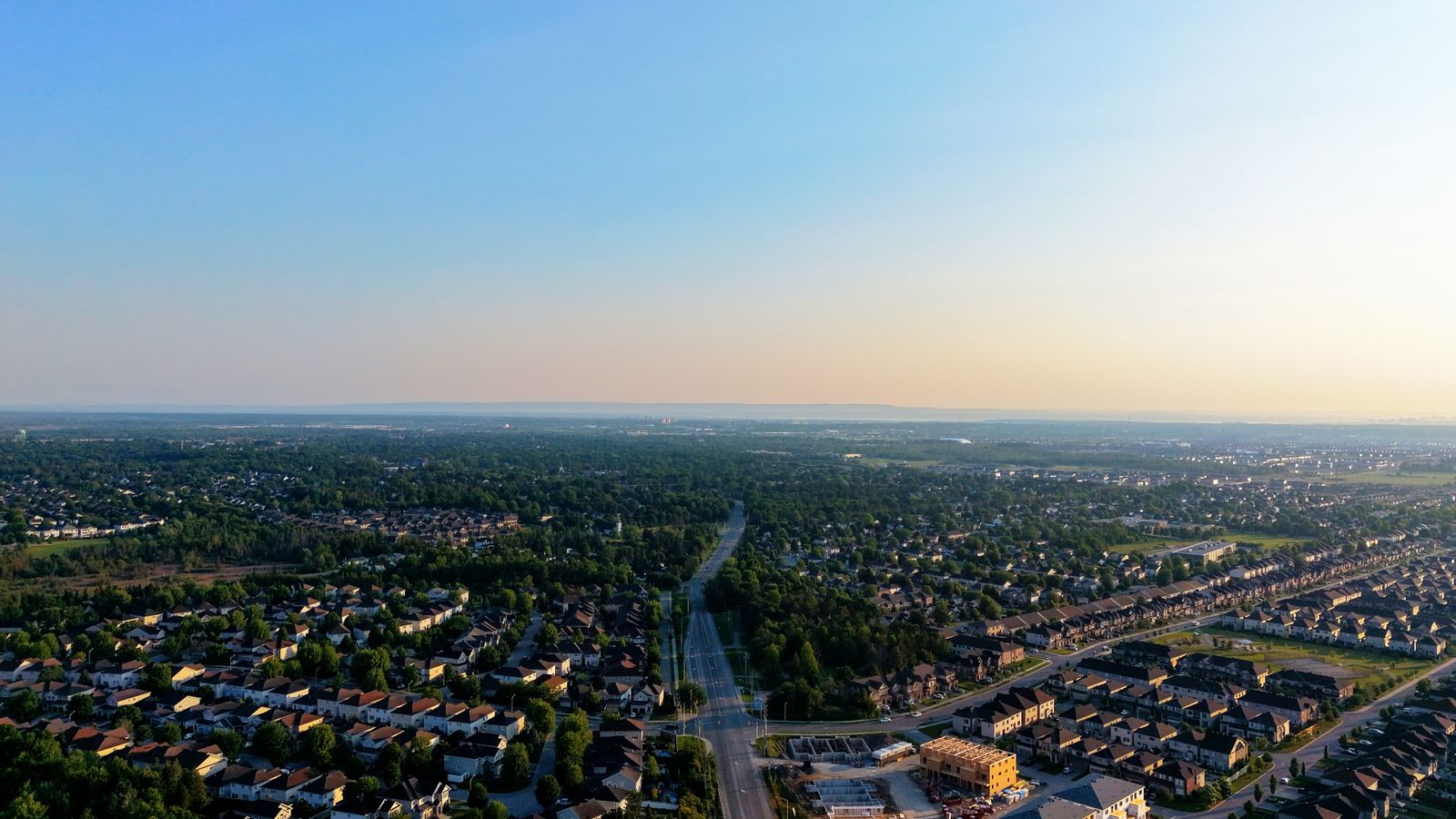
Over the past decade, Findlay Creek has transformed from quiet farmland into one of Ottawa’s most vibrant and fastest-growing suburban communities. Located in the south end near Bank Street and Leitrim Road, this master-planned neighborhood has become a magnet for young families, first-time buyers, and newcomers looking for modern homes, family-friendly amenities, and room to grow.

In 2025, Findlay Creek continues to boom — with new builds, expanding schools, and plenty of suburban conveniences. Here’s why more families are choosing to call it home.


A Hub of New Builds and Modern Homes

One of the biggest attractions of Findlay Creek is its selection of new-build homes. Unlike older Ottawa suburbs, most of the housing here has been constructed within the last 15 years, offering:

  • Detached Homes with open layouts, energy-efficient systems, and spacious yards.

  • Townhomes ideal for first-time buyers and young professionals who want affordability without sacrificing space.

  • Semi-detached options that balance cost and comfort.

Developers like Tamarack and Tartan continue to expand the community, so buyers still have opportunities to purchase pre-construction homes or move-in-ready builds. This makes Findlay Creek especially appealing for those who want modern finishes without the need for renovations.


Schools and Family-Friendly Appeal

Families are the heartbeat of Findlay Creek. The community has already welcomed brand-new elementary schools with both English and French options, and more schools are planned as the population grows.

Parents love Findlay Creek for:

  • Safe, quiet residential streets.

  • Playgrounds and splash pads throughout the community.

  • Easy access to École secondaire catholique Franco-Cité and other nearby secondary schools.

It’s not unusual to see kids biking to school, parents pushing strollers, or neighbors gathering at local parks — making Findlay Creek feel like a true family-centered suburb.


Suburban Amenities Close to Home

Despite being a newer suburb, Findlay Creek has quickly built up its own amenities. Residents enjoy:

  • Findlay Creek Centre – Home to groceries, restaurants, fitness studios, and coffee shops.

  • Medical and dental clinics – Conveniently located for growing families.

  • Community events hosted by the Findlay Creek Community Association.

For larger shopping trips, residents head to South Keys or Hunt Club, just a short drive away.


Green Spaces and Outdoor Living

Findlay Creek may be growing fast, but it hasn’t lost its connection to nature. The community is bordered by the Leitrim Wetlands, offering trails and birdwatching opportunities. Local parks and walking paths are integrated throughout the neighborhood, encouraging an active lifestyle.

For families who value outdoor space, Findlay Creek provides the best of both worlds — suburban comfort and access to nature.


Transportation and Commute

Findlay Creek is conveniently located near Bank Street and Leitrim Road, making it easy to access downtown Ottawa in about 25–35 minutes by car.

Transit options are expanding too:

  • OC Transpo routes connect the community to South Keys and beyond.

  • The future Leitrim LRT station (part of Ottawa’s Stage 2 expansion) will provide faster, car-free access to downtown, making Findlay Creek even more attractive for commuters.


Who’s Moving to Findlay Creek in 2025?

This neighborhood attracts:

  • Young families upgrading from condos or townhouses.

  • First-time buyers looking for new builds at competitive prices.

  • New Canadians seeking a welcoming, multicultural community.

  • Investors drawn to the area’s strong rental demand from families.

The diversity of Findlay Creek makes it one of Ottawa’s most inclusive and dynamic suburbs.


Pros & Cons of Living in Findlay Creek

Pros

  • New-build homes with modern layouts and energy efficiency.

  • Family-focused community with growing schools and parks.

  • Strong sense of neighborhood connection.

  • Upcoming LRT access at Leitrim Station.

Cons

  • Still developing, so some amenities are a work in progress.

  • Commute downtown can be longer during rush hour.

  • Higher demand can make homes sell quickly, reducing buyer choice.


Final Thoughts: Why Families Love Findlay Creek

Findlay Creek has become Ottawa’s fastest-growing family suburb for good reason. It offers modern housing, excellent schools, green spaces, and a welcoming community spirit, all within reach of the city’s core.

For buyers who want the comfort of suburban living with the promise of continued growth and new amenities, Findlay Creek is a neighborhood worth watching — and moving into.

Read

Life in Lowertown: Old Ottawa Charm Meets ByWard Buzz

Lowertown is one of Ottawa’s oldest and most storied neighborhoods — and in 2025, it’s still full of life, character, and undeniable appeal. Nestled just east of Parliament Hill and bordered by the Rideau River, this historic district blends French-Canadian roots with modern vibrancy, thanks to its proximity to the ByWard Market, cultural institutions, and walkable streets.

For buyers, renters, and investors, Lowertown offers a unique balance of heritage housing, urban lifestyle, and cultural richness that few other Ottawa neighborhoods can match. Let’s dive into what makes this community so special today.


Historic Housing with Character

One of Lowertown’s biggest draws is its mix of housing styles. You’ll find everything from 19th-century brick homes and historic rowhouses to charming duplexes and modern infill projects.

  • Heritage Homes – Many Lowertown houses date back to Ottawa’s earliest days, with exposed brick, original woodwork, and unique architectural details. These homes often appeal to buyers who want history with personality.

  • Condos & Apartments – For those who prefer convenience, Lowertown has plenty of condos near Sussex Drive and Rideau Street, often popular with young professionals.

  • Investment Properties – Because of its proximity to uOttawa and the ByWard Market, duplexes and triplexes are in steady rental demand.

Housing here tends to be more affordable than the Glebe or New Edinburgh, while still offering walkability and heritage charm.


French Heritage & Cultural Roots

Lowertown has long been a cornerstone of Ottawa’s Francophone community, with French-Canadian families shaping its culture for generations. This heritage is still visible today:

  • École élémentaire catholique Sainte-Anne, one of the city’s oldest French schools, sits at the heart of the neighborhood.

  • French-speaking services and cultural groups are woven into community life, making it a welcoming place for bilingual families.

  • Historic churches and landmarks, like the Notre-Dame Cathedral Basilica, add to its sense of place.

For buyers seeking a neighborhood with cultural richness and a strong sense of history, Lowertown checks every box.


Walkability & ByWard Buzz

Living in Lowertown means being just steps away from Ottawa’s most vibrant destinations:

  • ByWard Market – Ottawa’s culinary and nightlife hub, with farmers’ markets, cafes, and rooftop patios.

  • Rideau Centre – The city’s largest shopping mall, perfect for retail and transit connections.

  • Parliament Hill & Downtown – Government offices and major employers are within walking or biking distance.

  • Parks & Green Spaces – Despite being urban, Lowertown has green escapes like Bordeleau Park along the Rideau River.

For people who value a car-free lifestyle, Lowertown is one of Ottawa’s most walkable neighborhoods. Transit is also excellent, with LRT access at Rideau Station just minutes away.


Who’s Moving to Lowertown in 2025?

Lowertown attracts a diverse mix of residents, including:

  • Young professionals working downtown who want to walk to the office.

  • Students from the University of Ottawa, drawn to affordable rentals.

  • Investors who see value in multi-unit properties with strong rental demand.

  • Downsizers who want condo living but still crave urban vibrancy.

The neighborhood’s blend of heritage homes, urban conveniences, and cultural depth makes it a rare find in Ottawa’s real estate market.


Pros & Cons of Living in Lowertown

Pros

  • Rich history and cultural identity.

  • Walking distance to ByWard Market, Rideau Centre, and Parliament Hill.

  • Strong rental demand for investors.

  • More affordable than nearby Glebe or Sandy Hill.

Cons

  • Some streets experience late-night noise due to ByWard nightlife.

  • Older homes may require more maintenance.

  • Limited parking options in heritage sections.


Final Thoughts: Why Lowertown Stands Out

If you’re looking for a neighborhood that combines history, culture, and modern urban living, Lowertown is hard to beat. With its French-Canadian heritage, proximity to Ottawa’s cultural core, and walkable lifestyle, it appeals to everyone from first-time buyers to seasoned investors.

As Ottawa continues to grow, Lowertown’s mix of charm and convenience ensures it will remain one of the city’s most distinctive and desirable communities.


Read

Is Rural Ottawa the Next Big Thing? Country Living Close to the City

For years, Ottawa’s real estate spotlight has focused on urban hotspots like Westboro, Hintonburg, and the Glebe. But in 2025, a quieter trend is emerging: more buyers are turning their eyes to rural Ottawa. With affordability, space, and lifestyle top of mind, country living near the capital is quickly becoming one of the city’s most attractive real estate opportunities.

So, is rural Ottawa the next big thing? Let’s explore what makes country living close to the city appealing—and whether it’s the right choice for today’s buyers.


1. The Push for Space and Affordability

One of the biggest reasons families and professionals are looking beyond the core is cost and space.

  • Lower prices: In rural Ottawa communities, buyers can often find detached homes with large lots for the same price as a condo downtown.

  • More land: Acreages, hobby farms, and multi-acre estates are within reach.

  • Bigger homes: Spacious properties with extra bedrooms, finished basements, and outdoor amenities appeal to growing families.

Compared to downtown’s premium price-per-square-foot, rural Ottawa offers undeniable value.


2. Remote Work is Here to Stay

Since the pandemic, remote and hybrid work has shifted buyer priorities. Many professionals no longer need to commute daily.

  • Buyers are willing to trade shorter commutes for home offices, bigger yards, and peaceful surroundings.

  • With reliable internet now more accessible across rural Ottawa, working from home isn’t the challenge it once was.

  • A growing number of buyers see rural homes as the best way to balance career and lifestyle.


3. Popular Rural Communities in Ottawa

Several rural neighborhoods are drawing increased attention in 2025:

  • Manotick – A picturesque village on the Rideau River with luxury estates and small-town charm.

  • Greely – Known for large custom homes on oversized lots, just 20 minutes from downtown.

  • Carp – Offers a mix of rural charm and modern amenities, plus easy highway access.

  • Cumberland – East-end living with river views and a family-friendly vibe.

  • Osgoode & Metcalfe – Affordable options for buyers seeking space, peace, and a strong community feel.

Each offers something different—whether it’s luxury, affordability, or lifestyle amenities.


4. The Lifestyle Appeal of Country Living

Living rural doesn’t mean giving up modern conveniences. Instead, it’s about enhancing quality of life.

  • Outdoor activities: Hiking, biking, fishing, and boating are right at your doorstep.

  • Privacy and tranquility: Larger lots mean more peace and less noise.

  • Community spirit: Rural villages often have strong local networks, markets, and community events.

  • Family-focused living: Bigger yards and safer streets are ideal for raising children.

For many, rural Ottawa offers a slower pace of life without being disconnected from the city.


5. Challenges of Rural Ottawa Living

Of course, rural living comes with considerations:

  • Longer commutes: While hybrid work helps, some professionals still face travel time.

  • Limited public transit: Most rural areas require driving.

  • Higher utility costs: Homes may rely on wells, septic systems, or propane heating.

  • Resale considerations: While demand is growing, resale can sometimes take longer compared to hot urban neighborhoods.

Buyers should weigh lifestyle perks against these practical challenges before making the move.


6. Who’s Buying Rural in 2025?

  • Families seeking bigger homes and yards.

  • Young professionals who work remotely but want more space for hobbies.

  • Retirees looking for peace, quiet, and affordable downsizing options.

  • Investors exploring multi-acre properties for secondary units or future development.

Rural Ottawa is no longer just a niche market—it’s becoming a mainstream choice.


7. The Future of Rural Ottawa

As Ottawa grows, rural communities are seeing more infrastructure investment, schools, and services.

  • Transit expansions and improved road networks are making rural living more convenient.

  • Mixed-use developments are popping up, bringing more shops and amenities closer to these communities.

  • With Ottawa’s population expected to continue climbing, rural areas may become the new frontier of growth.


Final Thoughts

So, is rural Ottawa the next big thing? The answer is yes—for the right buyer. With affordability, space, and lifestyle on its side, rural living is becoming increasingly attractive in 2025.

For families, retirees, and professionals craving a balance between city access and country charm, rural Ottawa might just be the perfect place to call home.


Read

Luxury Living in Ottawa: Mansions, Riverfront Estates, and More

Ottawa isn’t just Canada’s capital—it’s also home to some of the country’s most exclusive luxury real estate. From stately Rockcliffe mansions to sleek Westboro penthouses, Ottawa’s high-end market offers options that combine elegance, privacy, and location.

Whether you’re an executive, diplomat, or investor, here’s an inside look at what luxury living in Ottawa means in 2025.


1. Rockcliffe Park: Timeless Prestige

When it comes to luxury in Ottawa, Rockcliffe Park sets the standard.

  • Heritage and history – Home to embassies, political figures, and prominent families.

  • Large estates – Expansive properties with mature trees, private driveways, and gated entrances.

  • River views – Many homes offer panoramic views of the Ottawa River.

If you’re seeking prestige and discretion, Rockcliffe remains Ottawa’s most iconic luxury neighborhood.


2. New Edinburgh: Historic Charm Meets Modern Upgrades

Nestled beside Rockcliffe, New Edinburgh offers heritage homes and riverfront appeal.

  • Elegant Victorian and Georgian architecture blended with high-end renovations.

  • Proximity to downtown – Just minutes from Parliament Hill and Rideau Hall.

  • Community appeal – Tree-lined streets, boutique shops, and riverfront walking trails.

For buyers who want both history and lifestyle, New Edinburgh offers understated elegance.


3. Westboro: Trendy Luxury by the River

Not all luxury in Ottawa is traditional. Westboro blends upscale living with a modern, urban vibe.

  • Luxury condos & penthouses with breathtaking river views.

  • Trendy retail and dining on Richmond Road, making it a lifestyle hub.

  • Walkability – Steps from shops, cafes, and the riverfront pathway.

Westboro attracts professionals and downsizers who want modern design, convenience, and a vibrant social scene.


4. The Glebe: Heritage Luxury in the Heart of the City

The Glebe is known for its historic homes, but it’s also a hotspot for high-end buyers.

  • Restored century homes with modern interiors.

  • Lansdowne Park lifestyle – Access to restaurants, shops, and sports events.

  • Rideau Canal access – Luxury living steps from Ottawa’s most iconic attraction.

The Glebe’s charm and central location make it ideal for buyers who want walkable, historic luxury.


5. Riverfront Estates: The Pinnacle of Exclusivity

For many luxury buyers, nothing compares to waterfront living. Ottawa’s riverfront homes offer privacy, scenery, and exclusivity.

  • Private docks and direct water access.

  • Panoramic views of the Ottawa River.

  • Custom architecture blending modern design with natural landscapes.

These estates often sit outside the downtown core, offering tranquility within reach of the city.


6. Manotick: Luxury in a Village Setting

South of downtown, Manotick has become a magnet for high-net-worth families.

  • Sprawling custom homes on oversized lots.

  • Riverside Drive estates offering space and privacy.

  • Community charm with boutique shops, fine dining, and golf clubs nearby.

Manotick appeals to buyers who want luxury with space—and don’t mind a short commute.


7. Kanata Lakes: High-End Suburban Living

For buyers in Ottawa’s tech hub, Kanata Lakes delivers upscale suburban luxury.

  • Executive homes with golf course views.

  • Family-oriented amenities like parks, trails, and schools.

  • Proximity to Kanata’s tech sector, making it convenient for executives and professionals.

Kanata Lakes combines comfort, prestige, and convenience in Ottawa’s west end.


8. What Defines Luxury in Ottawa in 2025?

Luxury real estate in Ottawa goes beyond square footage. Today’s buyers look for:

  • Smart home technology – Security, lighting, and climate control at your fingertips.

  • Custom finishes – Imported stone, designer kitchens, spa-style bathrooms.

  • Outdoor living – Pools, landscaped gardens, and outdoor kitchens.

  • Privacy & exclusivity – Gated entrances, larger lots, or boutique condo settings.

In 2025, luxury means a tailored lifestyle, not just a large house.


Final Thoughts

Luxury living in Ottawa is diverse, ranging from historic mansions in Rockcliffe Park to modern riverfront condos in Westboro. Whether you’re drawn to the prestige of heritage neighborhoods, the convenience of central living, or the privacy of riverfront estates, Ottawa’s luxury market has something unique to offer.

For those seeking a balance of sophistication, space, and lifestyle, Ottawa remains one of Canada’s most attractive luxury real estate destinations.


Read

Buying a Home Near Ottawa’s Hospitals: Civic, CHEO, and General Campus Hot Spots

Ottawa’s healthcare sector is one of the city’s largest employers, drawing professionals from across Canada and abroad. For doctors, nurses, researchers, and support staff, living close to Ottawa’s major hospitals—The Ottawa Hospital Civic Campus, CHEO (Children’s Hospital of Eastern Ontario), and The General Campus—offers huge lifestyle benefits. Shorter commutes, access to top-tier medical facilities, and vibrant surrounding neighborhoods make these areas some of the city’s most in-demand housing markets.

If you’re a healthcare worker relocating to Ottawa, here’s a breakdown of the best communities around each major hospital.


Living Near The Ottawa Hospital – Civic Campus (Carling Ave.)

The Civic Campus is undergoing a major redevelopment, set to transform it into one of Canada’s largest and most modern hospitals. This has made nearby neighborhoods extremely attractive for buyers looking to invest in both lifestyle and long-term value.

Top Neighborhoods Near the Civic Campus

  • Civic Hospital / Carlington – A mix of charming detached homes and bungalows. The Civic Hospital neighborhood, in particular, is highly sought-after for its proximity, tree-lined streets, and prestige.

  • Hintonburg – Trendy and walkable, full of cafés, craft breweries, and character homes. Perfect for young professionals.

  • Little Italy – A cultural hotspot with new condos, townhomes, and great dining along Preston Street.

  • Westboro (a bit further west) – Higher price point but offers river access, shops, and a great lifestyle.

Price Snapshot (2025): Expect to pay $750K–$1.2M for detached homes in Civic Hospital, while Hintonburg and Little Italy offer a mix of $500K–$800K condos and townhouses.


Living Near CHEO (Children’s Hospital of Eastern Ontario)

CHEO sits in Alta Vista, alongside the Ottawa General and Rehabilitation campuses. Families relocating here often want larger homes with backyards and excellent schools nearby.

Top Neighborhoods Near CHEO

  • Alta Vista – Established, leafy community with large lots and a strong family-friendly feel. Many homes are mid-century bungalows and two-storey houses.

  • Riverview Park – A quieter residential area with easy access to the hospital. Popular with doctors and staff who want to walk or bike to work.

  • Billings Bridge / Heron Gate (nearby condos and townhouses) – More affordable options for younger professionals.

Price Snapshot (2025): Alta Vista detached homes generally range $750K–$1.3M, while Riverview Park and Billings Bridge offer $450K–$700K townhouses and condos.


Living Near The Ottawa Hospital – General Campus

Located right beside CHEO in Alta Vista, the General Campus is one of Ottawa’s busiest hospitals, specializing in trauma, cancer care, and surgery. Many healthcare workers living nearby choose the same communities as those who work at CHEO.

Top Neighborhoods Near the General Campus

  • Alta Vista (again, closest option) – Premium choice for families who want proximity and community feel.

  • Elmvale Acres – Affordable bungalows and semi-detached homes, still within a quick drive to the hospital.

  • Overbrook (just across the Rideau River) – More urban and diverse, with a mix of older homes and newer infill properties.

Price Snapshot (2025): Detached homes in Elmvale Acres average $600K–$800K, while Overbrook offers a mix of $500K–$900K homes and modern infills.


Why Healthcare Workers Choose to Live Near Ottawa’s Hospitals

  • Shorter Commutes – Shift work can mean odd hours; living close reduces stress.

  • Strong Resale Value – Homes near hospitals hold value well thanks to constant demand from staff, students, and medical professionals.

  • Family-Friendly Amenities – Excellent schools, parks, and community centers are common near these neighborhoods.

  • Future Growth – The Civic Campus redevelopment is expected to drive property values up significantly.


Tips for Buying Near Ottawa Hospitals

  1. Act Quickly – Inventory is limited, and homes in these areas often sell fast.

  2. Consider Condos – For younger professionals, condo living in Little Italy or Hintonburg offers lifestyle and convenience.

  3. Plan for the Future – Even if you move hospitals later, these areas remain attractive for resale or renting.

  4. Check Commute Times – If budget pushes you further out, make sure transit or LRT access works with your schedule.


Conclusion

For healthcare workers relocating to Ottawa, buying a home near The Civic Campus, CHEO, or The General Campus offers unmatched convenience, lifestyle perks, and solid long-term investment potential. Whether you want the urban vibe of Hintonburg, the family comfort of Alta Vista, or the cultural energy of Little Italy, Ottawa’s hospital-adjacent neighborhoods give you plenty of options to fit your lifestyle and career.


Read

Living by the Rideau Canal: Ottawa’s Most Scenic Neighborhoods

When you think of Ottawa, one of the first images that comes to mind is the Rideau Canal. Winding its way through the heart of the city, this UNESCO World Heritage Site is more than just a landmark—it’s a lifestyle. From skating on the world’s largest rink in the winter to cycling and kayaking in the summer, living by the canal offers a rare combination of natural beauty, recreational opportunities, and urban convenience.

For homebuyers in 2025, neighborhoods along the Rideau Canal remain some of Ottawa’s most sought-after. Whether you’re drawn to charming heritage homes, luxury waterfront condos, or family-friendly enclaves, these communities blend prestige, walkability, and scenic appeal.

Let’s take a closer look at the top neighborhoods by the Rideau Canal and why they continue to capture buyers’ attention.


1. The Glebe: Heritage Meets Modern Living

The Glebe is one of Ottawa’s most iconic neighborhoods, and its proximity to the Rideau Canal only adds to its charm. With a mix of century homes, stylish infill properties, and boutique condos, it attracts families, professionals, and downsizers alike.

Lifestyle highlights in the Glebe:

  • Bank Street shops and cafés offering local charm.

  • Lansdowne Park for sports, concerts, and farmers’ markets.

  • Walking and cycling paths along the canal right at your doorstep.

Homes here don’t stay on the market long, as the Glebe is considered both prestigious and community-oriented.


2. Old Ottawa South: Riverside Charm

Just south of the Glebe, Old Ottawa South combines small-town character with easy access to downtown. With tree-lined streets, heritage brick homes, and a close-knit vibe, it’s popular with professionals, retirees, and young families.

Why people love Old Ottawa South:

  • Proximity to Carleton University, making it attractive for investors and academics.

  • Charming shops and eateries along Bank Street.

  • River and canal access for outdoor activities.

This neighborhood’s walkability and historic homes make it one of Ottawa’s most desirable communities.


3. Dow’s Lake & Little Italy: Scenic and Vibrant

The Dow’s Lake area blends waterfront tranquility with a lively cultural scene. Bordering Little Italy, it’s perfect for those who want canal views without giving up nightlife and dining.

Lifestyle perks in Dow’s Lake and Little Italy:

  • Dow’s Lake Pavilion for boating, dining, and paddle rentals.

  • Tulip Festival views every spring.

  • Easy access to Preston Street’s Italian restaurants and cafés.

Condos and luxury homes dominate this area, appealing to professionals, downsizers, and investors.


4. Centretown & Golden Triangle: Walkable Urban Living

For those who want to be in the heart of downtown Ottawa while enjoying canal-side living, Centretown and the Golden Triangle are excellent options. With a mix of apartments, condos, and converted heritage homes, these neighborhoods are popular with professionals who value a car-free lifestyle.

Why buyers choose Centretown and Golden Triangle:

  • Steps from the Canal pathways for running and cycling.

  • Elgin Street dining and nightlife nearby.

  • Easy access to Parliament Hill and the ByWard Market.

If you want urban energy with scenic tranquility, this is the place.


5. Old Ottawa East: A Community on the Rise

Across the canal from the Glebe, Old Ottawa East has been undergoing a quiet transformation. With Greystone Village and other modern developments, it’s attracting buyers who want contemporary living in a scenic, established area.

Lifestyle advantages in Old Ottawa East:

  • Direct canal access for skating, jogging, and paddling.

  • New cafés and local shops revitalizing the area.

  • Quick commute to both downtown and the University of Ottawa.

It’s a neighborhood that balances heritage charm with modern growth.


Why Buyers Love Living by the Rideau Canal

No matter which neighborhood you choose, living near the canal comes with perks that few other Ottawa locations can match:

  • Year-round recreation: Skating in winter, cycling, kayaking, and jogging in summer.

  • Prestige factor: Properties along the canal carry long-term value.

  • Scenic lifestyle: Daily walks with stunning waterfront views.

  • Walkability: Access to restaurants, shopping, and cultural landmarks.

It’s the ultimate balance between urban convenience and natural beauty.


Final Thoughts: Is Living by the Rideau Canal Worth It?

If you’re considering buying in Ottawa, neighborhoods along the Rideau Canal offer lifestyle, investment stability, and prestige. From the vibrant energy of Dow’s Lake to the heritage charm of Old Ottawa South, each community brings something unique.

For buyers who want a home that’s not just a property but a lifestyle upgrade, living by the canal remains one of Ottawa’s best choices in 2025.


Read

Living in Hintonburg in 2025: Ottawa’s Hippest Neighborhood?

Introduction

If there’s one Ottawa neighborhood that’s consistently been on the rise, it’s Hintonburg. Once a working-class district, this community has evolved into one of the city’s trendiest hotspots. Known for its blend of character homes, indie cafes, galleries, and easy transit access, Hintonburg is often seen as Ottawa’s answer to Toronto’s Queen West or Montreal’s Plateau. But is it the right fit for you in 2025? Let’s take a closer look.


The Character of Hintonburg

Hintonburg has managed to hold onto its charm while embracing modern growth. Walking through the neighborhood, you’ll find:

  • Historic red-brick homes and classic wartime houses.

  • Converted lofts and new condos catering to young professionals.

  • Murals, galleries, and creative spaces that give it an artsy, urban edge.

It’s a place where old-world Ottawa blends with new-school energy.


Walkability and Transit Appeal

One of Hintonburg’s biggest selling points is its walkability.

  • Residents can stroll to bakeries, yoga studios, and independent shops.

  • The O-Train Confederation Line runs right through the area, making downtown commutes quick and car-free.

  • Cyclists love the easy access to Ottawa River pathways and major bike routes.

In short, it’s an ideal neighborhood for buyers who value convenience and lifestyle over long commutes.


The Coffee, Food, and Craft Scene

If you’re a foodie or café-hopper, Hintonburg might be your dream neighborhood. In 2025, it’s packed with:

  • Third-wave coffee shops serving expertly brewed lattes.

  • Local breweries and pubs for craft beer lovers.

  • Restaurants and eateries ranging from vegan comfort food to fine dining.

  • The Parkdale Market, where locals shop for fresh produce, flowers, and artisanal goods.

This community thrives on supporting small, independent businesses — giving it an authentic, neighborhood-first vibe.


Housing Market in 2025

In recent years, Hintonburg has seen rapid appreciation, driven by its location and lifestyle perks. Here’s what buyers can expect today:

  • Character homes: Semi-detached and detached properties with unique charm, though often needing updates.

  • Modern infills and condos: Popular with young professionals and downsizers.

  • Investment appeal: Strong rental demand from students, young professionals, and car-free residents.

Prices are higher than in nearby Mechanicsville or Carlington, but many buyers see Hintonburg as a long-term value play thanks to its vibrancy.


Community Vibe

Despite its rapid gentrification, Hintonburg has retained a community-oriented feel. It’s the kind of neighborhood where:

  • Farmers’ markets, art crawls, and festivals are regular events.

  • Neighbors bump into each other at the local bakery or dog park.

  • Families, artists, professionals, and retirees all coexist in a colorful mix.


Who Is Hintonburg Best For?

  • Young professionals who want to live in a lively, walkable area.

  • Downsizers looking for character and convenience without moving downtown.

  • Investors who see long-term value in transit-oriented growth.

  • Families who enjoy the neighborhood but don’t mind smaller lot sizes compared to suburban options.


Conclusion

So, is Hintonburg Ottawa’s hippest neighborhood in 2025? Many would argue yes. With its artsy culture, thriving food scene, excellent walkability, and strong community, it’s no wonder buyers are flocking here. If you’re looking for character and convenience in one package, Hintonburg should be on your shortlist.

Read

🚆 Living in Tunney’s Pasture: Transit Hub Meets Urban Living

Introduction – Convenience at the Core of the Capital

For Ottawa residents who want it all—access to transit, urban lifestyle, and professional opportunitiesTunney’s Pasture checks every box. Nestled just west of downtown and anchored by a major LRT station and federal employment hub, this neighborhood has rapidly evolved from government-only territory into a vibrant, mixed-use community.

Whether you’re a condo-seeking professional, a downsizer, or a federal employee, here’s why living in Tunney’s Pasture in 2025 is a smart and strategic choice.


📍 Where Is Tunney’s Pasture?

Tunney’s Pasture is located in Ottawa’s west end, bordered by Wellington West to the south, Mechanicsville to the east, and Scott Street to the north. It’s minutes from downtown, with a front-row seat to the Ottawa River and the city’s expanding LRT system.

It’s also home to one of the largest federal office complexes in Canada—housing thousands of public servants and drawing daily commuters from across the city.


🏢 Why Tunney’s Pasture Appeals to Condo Buyers

1. Direct Access to Transit

  • Tunney’s Pasture Station is the western hub of the LRT Confederation Line, offering quick connections to downtown, the University of Ottawa, and beyond.

  • Bus routes and protected bike lanes offer excellent alternative commuting options.

2. Modern Condo Developments

  • New high-rises and boutique buildings are popping up, offering:

    • 1- and 2-bedroom suites

    • Underground parking

    • Rooftop patios and gyms

  • Great for young professionals, singles, and downsizers looking for low-maintenance, well-located homes.

3. Government Proximity = Stability

  • Many federal departments are based here, offering excellent rental potential and resale value.

  • Ideal for civil servants wanting to live close to work—and avoid long commutes.


🌇 Lifestyle & Community Vibe

Living in Tunney’s Pasture today means walkable access to cafés, grocery stores, and recreation, all within a few blocks. The neighborhood offers:

  • Urban calm: Less traffic than downtown but still central

  • Walkability: Close to Wellington Village, Parkdale Market, and Westboro

  • Nature escapes: Bike paths, riverside trails, and nearby Tunney’s Pasture Park

  • Local spots: Independent coffee shops, bakeries, and takeout options

It’s a great alternative to downtown living—without giving up location, amenities, or convenience.


🏘️ Housing Snapshot (2025)

Property TypeTypical Price Range
1-bed Condo$425K – $525K
2-bed Condo$525K – $750K+
Condo Townhouse$600K – $800K
Rentals (1–2 bed)$1,900 – $2,700/month

Inventory here tends to move quickly—particularly in new or well-maintained buildings near the LRT.


👥 Who’s Moving Here?

  • Federal workers wanting to cut their commute to zero

  • Young professionals drawn to transit and modern condos

  • Downsizers leaving larger suburban homes for convenient city life

  • Investors targeting strong rental demand and future appreciation


🚧 What’s Coming Next?

Tunney’s Pasture is part of ongoing redevelopment plans that will eventually include:

  • More housing (including mixed-use buildings and rentals)

  • Public plazas and retail

  • Pedestrian-friendly green space

  • Increased walkability and urban integration

This makes the area not only livable today—but full of potential for future growth.


Frequently Asked Questions

Q: Is Tunney’s Pasture only government offices?
Not anymore. While still a federal hub, the area is seeing major residential and commercial growth.

Q: Is it noisy with transit nearby?
Despite the LRT and bus hub, the area remains relatively quiet—especially with newer, well-insulated condo builds.

Q: Are there grocery stores and essentials close by?
Yes. Metro, Farm Boy, and many other shops are nearby, especially along Wellington Street.

Q: Is it a good area for investment?
Yes. Its central location, government presence, and transit access make it one of the most reliable spots for long-term value.

Q: What makes it different from Westboro or Hintonburg?
Tunney’s Pasture is quieter and more commuter-focused, but with quick access to both of those lively neighborhoods.


Conclusion – Tunney’s Pasture: Smart, Central, and Evolving

Living in Tunney’s Pasture means choosing convenience, community, and connection. It offers the transit access of downtown, the walkability of Wellington West, and the stability of Ottawa’s federal backbone—making it an ideal choice for buyers who want more than just a place to live. Whether you're investing, downsizing, or starting your career, this neighborhood is poised to shine in 2025 and beyond.


Read

🌆 Life in Vanier: From Rough Reputation to Rising Star

Introduction – A Neighborhood Reinventing Itself

Once overlooked, Vanier is now one of Ottawa’s most talked-about neighborhoods. Located just across the Rideau River from downtown, Vanier has shaken off its old reputation and is emerging as a cultural, economic, and real estate success story.

With its blend of affordability, walkability, and vibrant diversity, Vanier is attracting first-time buyers, developers, artists, and investors who see what’s coming next. Here’s why life in Vanier is worth a serious second look in 2025.


📍 Where Is Vanier?

Vanier lies just east of downtown Ottawa, bordered by the Rideau River, Beechwood Avenue, and Montreal Road. It’s minutes from ByWard Market, the University of Ottawa, and Rideau Centre—but historically stood apart due to its working-class roots and Francophone culture.

Today, Vanier is a neighborhood in transition—rapidly gentrifying while holding tight to its community spirit.


🏘️ Real Estate Snapshot (2025)

Property TypeTypical Price Range
2-Bed Condos$400K – $550K
Renovated Semis$600K – $800K
Detached Homes$700K – $950K
Income Properties$800K – $1.2M+

Vanier still offers one of the best price-per-square-foot values this close to downtown. Renovators and investors are especially drawn to older homes with rental potential or lots suited for infill development.


💼 Gentrification & Growth: What’s Fueling the Change?

  1. Proximity to Downtown

    • Just minutes by car, bike, or bus to Parliament Hill and major employers

    • Attractive to young professionals and urban commuters

  2. Ongoing Redevelopment

    • Montreal Road revitalization includes widened sidewalks, bike lanes, and landscaping

    • Modern condos and mixed-use developments are rising throughout the area

  3. Affordability (for now)

    • Compared to the Glebe or Hintonburg, Vanier still offers entry points for buyers and strong ROI for landlords

  4. Cultural Vibrancy

    • Home to Ottawa’s largest Francophone population

    • Bursting with diverse food, arts, festivals, and faith communities


🌎 Cultural Diversity & Community Feel

Vanier remains one of Ottawa’s most ethnically and linguistically diverse neighborhoods. Residents include:

  • Francophone families with deep roots

  • New Canadians from around the world

  • Young professionals and creatives

  • Seniors and multi-generational households

The result? A welcoming, walkable community where you’ll find African groceries, Middle Eastern cafés, French bakeries, and community centres all within a few blocks.


🛍️ Lifestyle & Amenities

  • Montreal Road: New sidewalks, shops, and restaurants transforming into a main-street hub

  • Beechwood Village: Trendy cafés, wine bars, and boutique stores just next door

  • River trails & parks: Rideau River pathways, Riverain Park, and hidden green spaces

  • Transit: Excellent OC Transpo access, and walkable to future LRT stops at St-Laurent or Rideau


🔍 Who’s Moving to Vanier in 2025?

  • First-time buyers priced out of the Glebe or Centretown

  • Investors & renovators looking for duplex conversions or infill lots

  • Young professionals seeking walkability and cultural richness

  • Artists, creatives, and community builders who value authenticity over polish


Frequently Asked Questions

Q: Is Vanier still considered a “rough” area?
Not anymore. While it’s still in transition, crime rates have dropped significantly, and infrastructure improvements continue to reshape the area.

Q: Is it a good place to invest?
Yes. With rising home values, strong rental demand, and continued redevelopment, Vanier offers solid long-term ROI.

Q: Are there good schools nearby?
Yes—both French and English public and Catholic options serve the area, including École secondaire publique De La Salle.

Q: What kind of housing is most common?
A mix of older detached homes, duplexes, infill semis, and newer condo builds—something for every buyer type.

Q: Is it family-friendly?
Yes. With parks, community programs, and affordable housing, many young families are choosing to stay and grow here.


Conclusion – Vanier’s Moment Has Arrived

Life in Vanier is all about evolution—where old meets new, and community meets opportunity. If you’re looking for a neighborhood with personality, proximity, and potential, Vanier may just be your smartest move in 2025. It’s not just rising in value—it’s rising in relevance.

Read

🚇 Living in Bayshore in 2025: Transit Access and Future Promise

Introduction – Where Affordability Meets Opportunity

Long known for its shopping center and high-rises, Bayshore is entering a new chapter. In 2025, this west-end Ottawa neighborhood is emerging as an affordable, transit-connected community with big development plans and growing appeal.

With a strategic location near the Ottawa River, LRT stations, and major west-end employers, Bayshore is attracting first-time buyers, young families, and investors who see its value—and future potential.


📍 Where Is Bayshore?

Bayshore is located in Ottawa’s west end, just south of the Ottawa River and west of Britannia. It’s bordered by Richmond Road, Woodridge Crescent, and Highway 417, making it well-connected to Kanata, Nepean, and downtown Ottawa.

At the heart of the neighborhood sits Bayshore Shopping Centre, one of the city’s largest malls, surrounded by a mix of condos, rental towers, townhomes, and greenspace.


🏢 Housing Snapshot (2025)

Bayshore is still one of the most affordable west-end neighborhoods in Ottawa, with a wide range of home types ideal for budget-conscious buyers and investors.

Property TypeTypical Price Range
1-Bed Condos$290K – $400K
2-Bed Condos$375K – $475K
Townhomes$450K – $600K
Rentals (1–2 bed)$1,700 – $2,400/month

While some older buildings show their age, many units have been updated—and prices remain attractive compared to nearby neighborhoods like Westboro or Britannia.


🚆 Transit Access: A Key Advantage

Bayshore Station (LRT Stage 2)

Set to become a major hub in the west-end transit network, Bayshore Station will connect the area to downtown, Moodie, and Orleans via the O-Train Confederation Line extension.

  • Fast access to downtown (25 minutes by train)

  • Direct service to Tunney’s Pasture and Algonquin College

  • Improved bus routes and park-and-ride options

  • Game-changer for car-free commuters and students


🛍️ Lifestyle & Amenities

Despite its humble reputation, Bayshore delivers solid everyday convenience:

  • Bayshore Shopping Centre: Over 190 stores, services, and a large food court

  • Pinecrest Shopping Corridor: Nearby IKEA, grocery stores, and box stores

  • Schools and daycare centers: Public and Catholic options within walking distance

  • Healthcare access: Close to Queensway-Carleton Hospital and community clinics

  • Greenspace: Parks, bike paths, and the nearby Ottawa River shoreline


🌱 Future Promise: Redevelopment on the Horizon

The next few years will bring significant transformation to Bayshore:

  • Transit-oriented development (TOD): Mid- and high-rise condos near the LRT hub

  • Mall-area intensification: Plans to reimagine underused land around Bayshore Shopping Centre

  • Public realm improvements: Better pedestrian infrastructure and urban landscaping

  • Increased housing supply: Ideal for investors and first-time buyers seeking future equity growth


👥 Who’s Living in Bayshore?

  • First-time homebuyers priced out of more central or trendy areas

  • New Canadians and families looking for space and affordability

  • Students and young professionals commuting via LRT to school or work

  • Investors eyeing high rental demand near transit and retail


Frequently Asked Questions

Q: Is Bayshore a safe place to live?
Yes—like any urban area, it has pockets of varying reputation, but overall safety has improved, especially with new developments and LRT investment.

Q: Is it a good area for condo ownership?
Yes. Bayshore offers some of the most affordable condos in the west end, with potential for value growth as the area improves.

Q: What schools are nearby?
Multiple elementary and high schools serve the area, including both English and French public and Catholic options.

Q: Is there parking and green space?
Most condos and townhomes offer on-site parking. Bayshore Park and the Ottawa River path offer ample outdoor space.

Q: What’s the commute like to downtown?
With the new LRT extension, travel time to downtown will be around 25 minutes by train, making it a great option for transit users.


Conclusion – Bayshore Is Poised for Progress

Living in Bayshore today means enjoying affordable homeownership with access to transit, shopping, and essential services—and a front-row seat to one of Ottawa’s most promising redevelopment zones. With major improvements underway, this west-end neighborhood offers not just a home, but a smart investment in the city's future.

Read

🚚 Moving from Montreal to Ottawa: What to Expect and How to Settle In

Introduction – From La Belle Province to the Nation’s Capital

Considering a move from Montreal to Ottawa? You’re not alone. Every year, more Quebecers make the jump to Ontario’s capital in search of career opportunities, a calmer lifestyle, and affordable homeownership.

Whether you’re relocating for work, school, family, or a fresh start, this guide walks you through what to expect, where to live, and how daily life differs—so you can land confidently on your feet in Ottawa.


🏙️ Why People Are Leaving Montreal for Ottawa

1. Career Growth and Government Jobs

Ottawa’s economy is stable, public sector-heavy, and English-friendly, making it a strong draw for bilingual professionals in government, tech, and health care.

2. Bilingual but Less Bureaucratic

While Ottawa is proudly bilingual, it doesn’t require you to operate in French in most everyday situations—something many former Montrealers appreciate.

3. Clean, Calm, and Green

Ottawa is known for its organized infrastructure, low crime rate, and abundant green space. It’s a slower pace of life compared to Montreal’s hustle, making it great for families or people seeking more balance.

4. Homeownership is More Attainable

Ottawa offers a slightly more expensive housing market, but in return, you get newer homes, more space, and stronger long-term value—especially in suburban areas like Orleans, Barrhaven, or Riverside South.


📦 What to Expect When You Move

CategoryMontrealOttawa
LanguageFrench-dominantEnglish-dominant, bilingual-friendly
TransitMetro + STM busLRT + OC Transpo buses
Housing MarketCheaper downtown condosBetter value in suburbs
Pace of LifeFast, lively, spontaneousCalm, clean, scheduled
Culture & NightlifeLate-night dining, festivals, creativeMore family-focused, quieter evenings
ServicesMore bureaucracy, especially in FrenchStreamlined processes, mostly English

🏘️ Best Neighborhoods for Montreal Transplants

1. Sandy Hill

  • Close to uOttawa, walkable, historic

  • Feels European in layout, ideal for students and professionals

2. Vanier / Beechwood

  • Diverse, Francophone presence, great for French speakers

  • Affordable with character homes and condos

3. Centretown & Glebe

  • Urban, walkable, great for those used to Plateau living

  • Access to culture, farmers markets, and downtown

4. Orleans

  • East-end suburb with strong Francophone schools and services

  • Ideal for families relocating from Laval or North Shore


🏠 Housing & Rental Differences

  • Ottawa rentals are generally larger and newer, but fewer units are purpose-built apartments.

  • Expect more townhomes, basement suites, and owner-occupied duplexes.

  • Tenant laws are similar (Ontario’s RTA vs Quebec’s Civil Code), but Ottawa has less red tape and fewer rent control exemptions.


💡 Tips for a Smooth Transition

  1. Secure a Job Before Moving (especially for non-remote roles)

  2. Line Up Housing 6–8 Weeks in Advance

  3. Update Driver’s License & Health Card Quickly

  4. Choose Bilingual Schools if Needed (Ottawa offers strong French-language and immersion options)

  5. Connect with Local Francophone Communities in Vanier or Orleans


Frequently Asked Questions

Q: Will I need to speak English fluently to live in Ottawa?
English is dominant, but many services and communities are bilingual. You’ll manage just fine with basic English and strong French.

Q: Are taxes lower in Ottawa?
Property taxes are similar, but income and business taxes are generally lower in Ontario. Quebec has more social benefits but higher deductions.

Q: Can I keep my car and license?
You must exchange your Quebec license and vehicle registration within 60 days of moving.

Q: Is Ottawa boring compared to Montreal?
Not boring—just different. Ottawa is more structured and family-oriented, but still offers great dining, festivals, museums, and outdoor fun.

Q: How long is the drive between the cities?
About 2 hours by car on Highway 417, or 2.5 hours by train or bus.


Conclusion – A Smart Move with Big Lifestyle Perks

Moving from Montreal to Ottawa means trading in some of the buzz for more balance—but you gain a city that’s safe, green, career-friendly, and full of long-term potential. Whether you’re buying your first home or looking for a fresh start, Ottawa offers stability without sacrificing culture.

Read
Categories:   $500k | $600k | $700k | $800k | 2026 | Activities | Advice | Affordable | AirBnB | Algonquin College | All Four Seasons | Alta Vista | Another Province | Apartment | Arnprior Real Estate | Autumn | Available Programs | AYCE | Bakery | Bank of Canada Rate Announcement | Barrhaven | Barrhaven Downtown, Barrhaven - Strandherd Real Estate | Barrhaven East | Barrhaven West | Bayshore | Beacon Hill South | Beechwood Village | Best | Best Cities To Live | Best Coffee Shops in Ottawa | Best Local | Best Neighbourhoods | Best Study Spots | Best Taco Spots | Bidding Wars | Bilingual | Boom City | Booming | Boring | Boundary Expansion | Britannia Village | BRRRR Strategy | Bucket List | Budgeting | Build-to-Rent | Building | Bungalow | Buying | Byward Market | Byward Market, Lower Town Real Estate | Byward Market/Lower Town, Sandy Hill Real Estate | Calgary | Cap Rates | Car-Free | Carleton Place | Carleton University | Carlington | Carlsbad Springs | Carp | Central 1 | Centretown | Centretown West | Centretown, Ottawa Centre Real Estate | Chapel Hill | CHEO | Childcare | Chinatown | Christmas | Civc Hospital | Civic Hospital | Climate Goals | Closing Costs | Coffee Shop | Communities | Commuting | Compared | Condo Fees | Condos | Convent Glen and Area, Orleans Real Estate | Cost of Living | Cottage | Country | Credit Score | Date Night | Decoration | Detached Home | Divorce | Dog Friendly | Dow's Lake | Dow's Lake/Little Italy, Dow's Lake/Little Italy Real Estate | Dow's Lake/Little Italy, West Centre Town Real Estate | Dow's Lake/Little Italy/Civic Hospital and Area, West Centre Town Real Estate | Down Payment | Downsizing | Downtown | Dows Lake - Civic Hospital and Area (4502 - West Centre Town) Real Estate | Dows Lake/Little Italy, West Centre Town Real Estate | Duplex | East End | Eco-Friendly | Embrun | Expensive | Fall | Family | Family Friendly | Farmer's Market | Fastest Growing Neighbourhoods | Final Walkthrough | Finance | Findlay Creek | Findlay Creek, Leitrim Real Estate | First-Time Buyer | Fitness Studio | Fixer-Upper | Flipping Homes | Food | For Sale | Foreclosure | Freehold | French-Friendly | Friends | Fun | Future | Gatineau | Glebe | Gloucester Glen | Golden Triangle | Good | Gotham | Government Worker | Greely | Growing | Guide | Gym | Half Moon Bay | Half Moon Bay - Strandherd, Barrhaven Real Estate | Heat Pump | Hidden Gems | Hintonburg | Historic | Holiday Spirit | Holidays | Home Business | Home Inspection | Home Office | Home Staging | Homes | Homes on the Canal | Housing Correction | How Much Income Is Needed? | Hunt Club | Hurdman | Immigrants | Immigration | In-Person Showings | Income Needed | Infrastructure | Instagram | Interest Rates | International Student | Investing | Investment Property | Kanata | Kemptville | Land Transfer Tax (LTT) | Land Values | Landlords | Lawyer | Layout | Lease | Lebreton Flats | Legal Checklist | Life in Ottawa | Lifestyle | Little Italy | Living Along | Living Comfortable | Living Costs | Living In | Living in Ottawa | Local | Lowertown | Lowertown/Byward Market, Lowertown/Byward Market Real Estate | LRT | Luxury Homes | Luxury Living | Manotick | Market Advice | Mechanicsville | Mistakes | Mixed-Use | Montreal | Mortgage | Most | Most Overated | Move | Move-In Ready | Moving | Moving From | Moving To | Multi-Family | Multi-Generational | Munster - Richmond, Stittsville Real Estate | Nature | Negotiation | Neighborhoods | Neighbourhoods | New Canadian | New Construction | New Edinburgh | New Immigrant | New Resident | New-Builds | Newcomer | Next 5 Years | Night Life | North Gower | O-Train | Old Ottawa East | Old Ottawa South | Old Ottawa West | Oldest | Open House | Orleans | Orleans South | Ottawa | Ottawa Centre, Centretown Real Estate | Ottawa East/Greystone Village, Ottawa East/Greystone Village Real Estate | Ottawa Population | Ottawa Real Estate | Ottawa River | Overbrook | Parents | Parking | Parks | Parkwood Hills | Peaceful | Pet-Friendly | Photography | Places | Pre-Approval | Pre-Construction | Pre-List | Price Your Home | Professionals | Property Tax | Pros & Cons | Queensway Terrace | Questions | Quiet | Raising Kids | Real Estate Broker | Red Flags | Regret | Relocation | Remote Workers | Renovation | Rental | Renting | Resale | Restaurant | Retirement | Rideau | Rideau Canal | Rinks | Riverside South | Rockcliffe | Rockland | Rowhomes | Rural | Russell | Safe | Sandy Hill | Sandy Hill, Lower Town Real Estate | Savings | Schools | Seasons | Secret | Selling | Shawarma | Shopping Mall | Single Home | Skating | Smart Home | SOBA | Somerset | South Keys | Southvale | Spring | Stay | Still Worth It? | Stittsville | Stress-Test | Student Housing | Student Rentals | Students | Suburb | Summer | Summer Hone | Sunsets | Surprise | Sushi | Tenants | The Bowery | Things To Do | Tips | To-Do | Toronto | Touring | Townhomes | Townhouse | Transit | Trends | Tribeca | Tunney's Pasture | University | University of Ottawa | Upgrades | Urban Living | Vacation Rental | Valentines Day | Vancouver | Vanier | Vars | Viewing | Virtual Tours | Vs. | Walkable | Walks | Wealth | Weekend Getaways | West End | Westboro | WFA | WFH | What does it get you? | What to know | Where Do Students Live? | Where is Ottawa Building? | Wing Deals | Wing Night | Winter | Work From Home | Workforce Adjustment | Would You Live Here? | Zoning
The trademarks REALTOR®, REALTORS®, and the REALTOR® logo are controlled by The Canadian Real Estate Association (CREA) and identify real estate professionals who are member’s of CREA. The trademarks MLS®, Multiple Listing Service® and the associated logos are owned by CREA and identify the quality of services provided by real estate professionals who are members of CREA. Used under license.