RSS

From Basement Units to Coach Houses: Ottawa’s Secondary Suite Boom

As housing affordability challenges grow in Ottawa, more homeowners are exploring ways to add secondary suites—whether that means finishing a basement apartment, building a garden suite, or constructing a modern coach house. In 2025, these options are becoming not only more common but also a key strategy for families, investors, and the city itself in addressing housing demand.

Let’s break down Ottawa’s secondary suite boom, what’s driving it, and how homeowners can legally and strategically expand their properties.


1. Why Secondary Suites Are Surging in Ottawa

  • Affordability pressures: Buyers are looking for ways to offset high mortgage payments with rental income.

  • City incentives: Ottawa has been revising zoning bylaws to allow more flexibility for secondary units.

  • Changing family dynamics: Multi-generational households are increasingly common, with in-laws, adult children, or caregivers living under one roof.

  • Rental demand: Students, young professionals, and newcomers to Canada are all seeking smaller, more affordable rental options.


2. What Counts as a Secondary Suite in Ottawa?

Secondary units come in different forms, each with its own set of regulations:

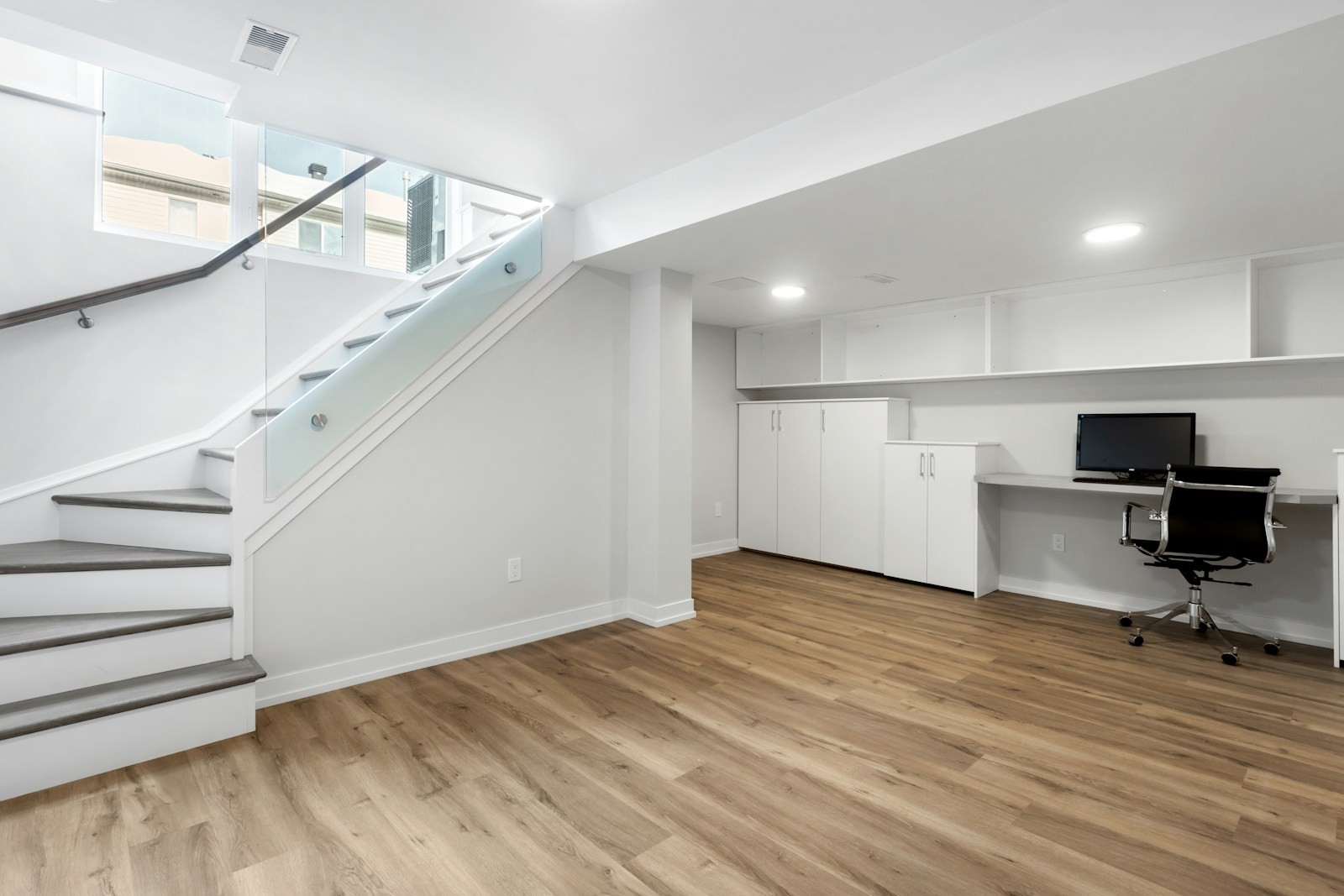
  • Basement apartments: The most common option, converting unused basement space into a self-contained rental unit.

  • Garden suites (tiny backyard homes): Detached dwellings on the same property, ideal for families who want separation but proximity.

  • Coach houses: Built above garages or as standalone structures, often more spacious than garden suites.

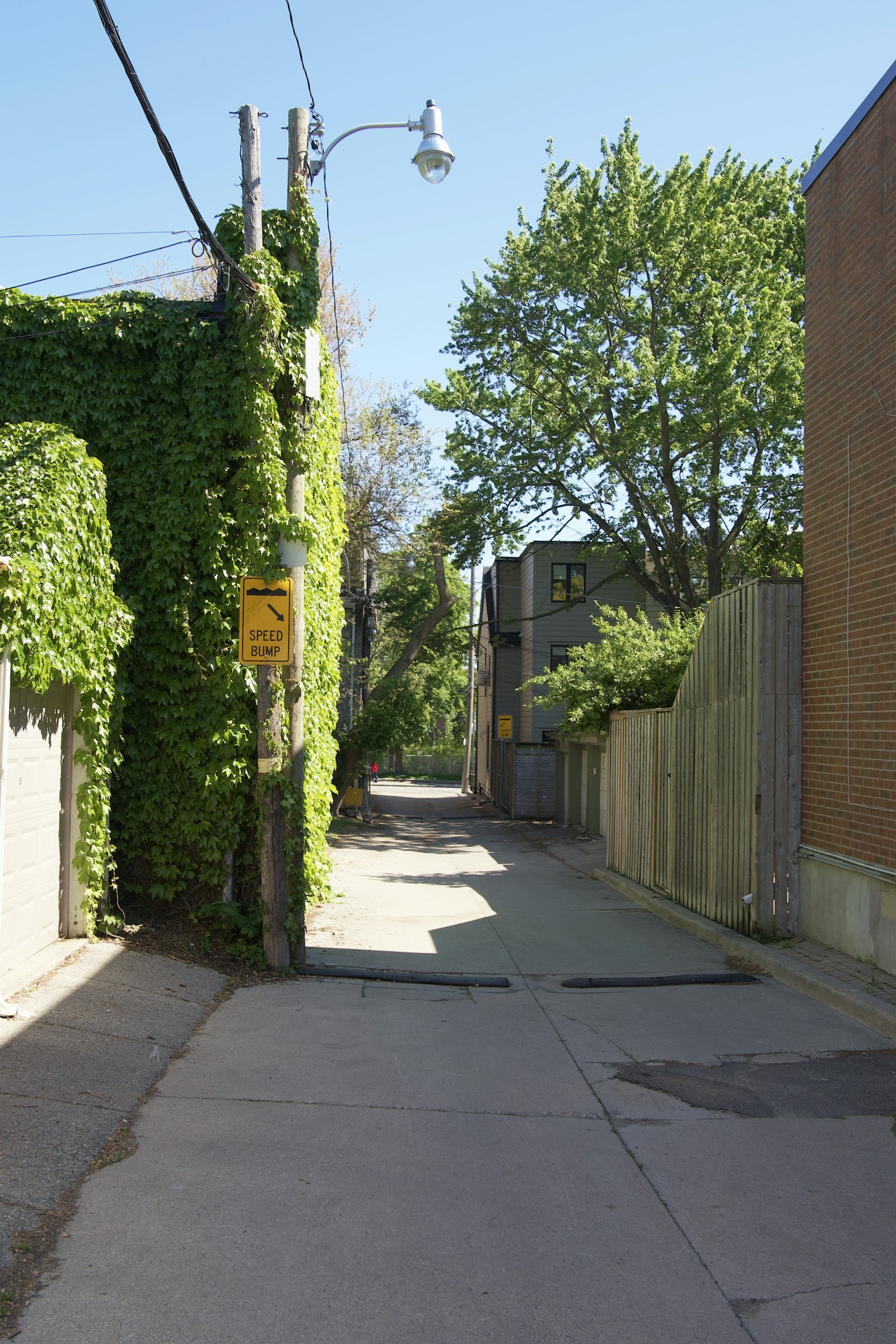
  • Laneway homes: A newer category being explored, especially in urban neighborhoods with rear alley access.


3. The Legal Pathways: Zoning & Bylaws in 2025

Ottawa allows secondary suites under specific conditions, but homeowners must meet zoning and safety requirements.

  • Zoning rules: Most residential zones now permit one secondary unit, but lot size, setbacks, and height restrictions apply.

  • Parking: In some cases, additional parking space must be provided unless the property is well-served by transit.

  • Building code compliance: Fire separation, proper exits, ceiling height, and ventilation are mandatory.

  • Permits required: All secondary units need building permits and, in some cases, site plan approval.


4. Benefits for Homeowners

Creating a legal secondary suite can:

  • Generate rental income to help cover mortgages.

  • Boost property value by making the home more versatile.

  • Provide housing flexibility for family members, especially in multi-generational households.

  • Contribute to Ottawa’s housing supply, supporting city-wide affordability efforts.


5. Common Challenges Homeowners Face

While appealing, secondary suites aren’t without hurdles:

  • Upfront costs: Basement conversions typically range from $50K–$100K, while coach houses can cost $200K+.

  • Permitting delays: Approvals can take weeks or even months.

  • Neighborhood resistance: Some communities push back on higher density.

  • Ongoing management: Being a landlord comes with responsibilities, from tenant screening to maintenance.


6. Secondary Suites as an Investment Strategy

For Ottawa investors, adding a secondary unit can significantly improve cash flow:

  • A duplexed property may rent for $3,500–$4,500/month total, compared to $2,200–$2,800 for a single-family unit.

  • Coach houses and garden suites, while costly upfront, allow for separate rental streams and can boost resale value.

  • With Ottawa’s rising rents, secondary suites provide a hedge against inflation and market swings.


7. Where in Ottawa Are They Most Feasible?

Not all neighborhoods are equally suited for secondary suites. Key hot spots include:

  • Sandy Hill & Old Ottawa East: Student demand makes basement apartments highly profitable.

  • Kanata & Barrhaven: Larger suburban lots are perfect for coach houses and garden suites.

  • Vanier & Carlington: Affordable entry prices make secondary suite investments more accessible.

  • Downtown core: Strong rental demand, especially for smaller units catering to young professionals.


8. Tips for Success in 2025

  • Get pre-approval: Speak to the city before starting work to confirm zoning eligibility.

  • Work with experts: Hire architects or contractors familiar with Ottawa’s secondary suite bylaws.

  • Think long-term: Consider not just immediate rental income, but also how the suite impacts resale value.

  • Keep it tenant-friendly: Separate entrances, good lighting, and modern finishes will help attract higher-quality tenants.


Final Thoughts

From basement apartments to coach houses, Ottawa’s secondary suite boom represents one of the most important shifts in the city’s housing landscape. Whether you’re a homeowner looking for mortgage relief or an investor seeking to maximize returns, secondary suites offer a path forward—provided you navigate the legal and financial considerations carefully.

In 2025, secondary suites are more than just an add-on; they’re becoming a mainstream solution to affordability, family living, and investment growth in Ottawa.
Read

From Offer to Keys: How Long Does It Really Take to Buy in Ottawa?

For many first-time buyers in Ottawa, one of the most nerve-wracking questions is: “How long will this process actually take?” The journey from making an offer to holding your new house keys is exciting—but it can also feel overwhelming if you don’t know what to expect.

While timelines can vary depending on the property, financing, and conditions, most buyers in Ottawa can expect the process to take 30 to 90 days after their offer is accepted. Let’s break it down step by step so you know what happens along the way.


1. The Offer Stage (1–3 Days)

Once you’ve found the home you love, your real estate agent helps draft an offer. Here’s what happens:

  • Offer Submitted – This outlines your price, closing date, and any conditions (like financing or inspection).

  • Negotiation – The seller may accept, reject, or counter your offer.

  • Acceptance – Once both parties agree, the offer becomes a legally binding Agreement of Purchase and Sale.

👉 Timeline Tip: In Ottawa’s competitive market, offers often move quickly. Sometimes homes sell within hours, especially in hot neighborhoods.


2. Conditional Period (5–10 Days)

Most offers in Ottawa include a conditional period. This gives you time to confirm key details before finalizing the purchase. Common conditions include:

  • Financing Approval – Even if pre-approved, lenders want to confirm the property fits their requirements.

  • Home Inspection – A professional checks for structural or maintenance issues.

  • Status Certificate (for condos) – Outlines financial health of the condo corporation.

👉 Timeline Tip: Most conditions are cleared within a week, but unexpected inspection issues or financing delays can extend this phase.


3. Firm Sale to Closing Day (30–60 Days)

Once all conditions are satisfied, your offer becomes firm, and now it’s a countdown to closing. During this period:

  • Your lawyer reviews the property title to ensure no liens or legal complications.

  • The bank finalizes your mortgage documents and prepares funds for closing.

  • You arrange home insurance (required before closing).

  • Final walkthrough happens a day or two before closing to confirm the home’s condition hasn’t changed.

👉 Timeline Tip: Closing dates are negotiable, but in Ottawa, 30–60 days is most common. For vacant homes, closing might be quicker. For seller-occupied homes, sellers may request more time.


4. Closing Day (1 Day)

This is the big day! On closing:

  • Your lawyer transfers the money to the seller’s lawyer.

  • The property title is officially transferred into your name.

  • You pick up your keys—usually by late afternoon.

👉 Timeline Tip: Closings typically happen during business hours. If you’re planning movers, schedule them for later in the day or the following morning.


5. Factors That Can Speed Up or Delay the Process

Not every Ottawa purchase follows the exact same timeline. Here’s what might impact it:

Faster Closing (2–3 weeks possible if):

  • You’re paying cash.

  • The property is vacant.

  • No complex conditions are attached.

Delays May Happen If:

  • Financing approval takes longer than expected.

  • Title or legal issues need resolution.

  • Seller requests a longer closing to align with their move.


6. Average Ottawa Buyer Timeline (2025 Snapshot)

StageTypical Duration
Offer & Negotiation1–3 Days
Conditional Period5–10 Days
Firm Sale to Closing Day30–60 Days
Closing Day1 Day
Total Timeline30–90 Days

Final Thoughts

For most buyers in Ottawa, the process from offer to keys takes about 1–3 months. While that might feel like forever when you’re eager to move in, remember: this time ensures financing, inspections, and legal work are done properly to protect your investment.

If you’re house hunting in 2025, knowing the step-by-step timeline can help calm nerves, set realistic expectations, and keep your move as smooth as possible.


Read

Laneway & Garden Suites in Ottawa: The Next Rental Opportunity in 2025?

As housing affordability challenges continue in Ottawa, laneway and garden suites are emerging as one of the city’s most promising solutions. These small, self-contained rental units—built in backyards or on laneways—are now possible thanks to recent zoning changes. For homeowners and investors, they represent a new way to generate rental income, increase property value, and support Ottawa’s growing housing demand.

So, what exactly are laneway and garden suites, and why are they becoming a hot topic in 2025? Let’s break it down.


1. What Are Laneway and Garden Suites?

  • Laneway Suites: Built on residential properties that back onto a laneway, these units typically replace a garage or occupy the rear portion of a lot.

  • Garden Suites: Detached, self-contained units located in the backyard of a primary residence, even without laneway access.

Both types are fully independent dwellings with kitchens, bathrooms, and private entrances. Think of them as small rental apartments—just in your yard.


2. Ottawa’s New Zoning Rules (2025 Update)

Ottawa has expanded its zoning bylaws to encourage more gentle density in existing neighborhoods. Here’s what’s allowed:

  • Eligibility: Most urban residential lots can now build a garden or laneway suite, subject to size and setback rules.

  • Maximum Size: Generally capped at around 40% of the backyard area or a set square footage limit (varies by lot).

  • Height Restrictions: Typically one to two stories, depending on neighborhood zoning.

  • Parking: Many areas no longer require additional parking spaces for these units, especially near transit.

  • Permits: Homeowners must apply for building permits and meet all safety and utility requirements.

This policy shift makes it easier than ever for homeowners to add a secondary dwelling unit (SDU) to their property.


3. Why Laneway & Garden Suites Appeal to Ottawa Investors

For landlords and investors, these units check a lot of boxes:

  • Rental Income Boost: Adding a suite can turn a single-family property into a duplex-style income property without subdivision.

  • High Demand Tenants: Perfect for students, young professionals, or downsizers seeking affordable rentals in established neighborhoods.

  • Future Resale Value: A property with an income-generating suite is instantly more attractive to future buyers.

  • Flexible Use: Rent it out, use it as a home office, or house extended family members.

💡 Example: A homeowner in Old Ottawa East could build a one-bedroom garden suite and rent it for $1,500–$2,000/month—all while keeping their main residence intact.


4. Cost of Building a Laneway or Garden Suite

While the opportunity is exciting, the upfront investment is significant.

  • Construction Costs: $200,000–$400,000 depending on size, finishes, and utility connections.

  • Permitting & Design Fees: Expect an additional $10,000–$20,000 for planning, permits, and architectural work.

  • Financing Options: Many owners use home equity loans or refinancing to cover the build.

Return on investment (ROI) depends on rental income vs. financing costs, but in many cases, suites can pay themselves off within 8–12 years.


5. Potential Challenges to Consider

Laneway and garden suites aren’t a guaranteed win. Here are some hurdles:

  • High Upfront Cost: Not every homeowner can access the funds to build.

  • Construction Delays: Permitting and contractor availability can stretch timelines.

  • Neighborhood Pushback: Some communities resist increased density, leading to appeals or restrictions.

  • Utility Hookups: Adding water, sewer, and hydro to a backyard unit can be more complex than expected.


6. Where in Ottawa Will These Work Best?

Laneway and garden suites are especially appealing in:

  • Established neighborhoods with large lots (e.g., Alta Vista, Westboro, Glebe Annex).

  • Transit-accessible areas near the LRT or bus corridors.

  • High-rent districts where secondary units generate strong monthly income.

As zoning continues to evolve, more suburban properties may also become eligible.


Final Thoughts: Is This the Next Big Rental Opportunity?

Laneway and garden suites won’t replace traditional rentals or condos, but they represent a new layer of opportunity in Ottawa’s housing market. For homeowners with the space and budget, they’re a way to:

  • Create additional income,

  • Increase property value, and

  • Help address Ottawa’s housing shortage.

In 2025, they’re less of a “niche experiment” and more of a mainstream rental strategy that’s here to stay.

Read

Airbnb Rules in Ottawa: Can Short-Term Rentals Still Make You Money in 2025?

Short-term rentals like Airbnb and Vrbo have exploded in popularity over the past decade, offering property owners the chance to earn higher-than-average income from furnished stays. But in Ottawa, strict rules and licensing requirements have reshaped what’s possible for hosts in 2025.

If you’re thinking of starting (or continuing) a short-term rental in Ottawa, it’s crucial to understand the current regulations, earning potential, and risks before jumping in. Here’s what you need to know.


1. Ottawa’s Short-Term Rental Rules in 2025

The City of Ottawa introduced regulations in 2021 that continue to impact hosts today:

  • Principal Residence Only: You can only rent out your primary home or part of it (e.g., a spare room, basement apartment). Investment properties and second homes are not eligible for short-term rental licensing.

  • Host Permit Required: Every host must apply for a short-term rental permit from the city, which must be renewed annually.

  • Platform Registration: Airbnb, Vrbo, and other platforms are required to only list properties with valid host permit numbers.

  • Insurance & Safety Requirements: Hosts must have proper liability insurance and meet safety standards (working smoke detectors, emergency exits, etc.).

  • Fines for Non-Compliance: Operating without a permit can lead to significant fines, sometimes in the thousands.

💡 Key takeaway: If you don’t live in the property full-time, you can’t legally run it as an Airbnb in Ottawa.


2. How This Impacts Investors

For investors, these rules have closed the door on most short-term rental strategies. Buying a condo or house solely for Airbnb use is no longer allowed. Instead, investors are shifting to:

  • Long-term rentals (12+ months) for stable income.

  • Medium-term rentals (30+ days) targeting relocating professionals, government workers, or students.

  • House-hacking strategies where owners live in one unit and short-term rent another (e.g., basement suites).

This makes Ottawa less attractive for “Airbnb-only” investors but still viable for owners looking to supplement income from their principal residence.


3. ROI: Can You Still Make Money with Airbnb in Ottawa?

The answer: Yes, but only under the right conditions.

Factors that boost profitability:

  • Location matters: Downtown condos near Parliament Hill, ByWard Market, and Lansdowne attract the most guests.

  • Tourism & government demand: Events, conferences, and seasonal travel still drive strong booking potential.

  • Longer stays: Medium-term rentals (30–90 days) often bring in higher occupancy and less turnover stress than nightly rentals.

On average, a permitted host renting a private room or basement suite might make $1,200–$2,500/month, depending on seasonality. A fully licensed downtown condo could earn more—but only if it’s your principal residence.


4. Risks to Consider Before Jumping In

Running an Airbnb in Ottawa isn’t without challenges:

  • Stricter enforcement: The city actively monitors platforms to ensure compliance. Illegal listings risk fines and removal.

  • HOA/Condo Board Restrictions: Many Ottawa condo boards have banned short-term rentals entirely.

  • Seasonal Demand: Winter months see lower tourism activity, meaning inconsistent income compared to long-term rentals.

  • High Competition: With limited legal supply, top listings get booked—but newcomers may struggle to stand out.


5. Alternatives for Investors

If your goal is strong ROI but Airbnb doesn’t fit, consider:

  • Student rentals near uOttawa or Carleton.

  • Government relocation housing (medium-term leases, often fully furnished).

  • Traditional buy-and-hold real estate in growing neighborhoods benefiting from the new LRT extensions.

These strategies provide consistent cash flow without regulatory headaches.


Final Thoughts: Is Airbnb Still Worth It in Ottawa?

For most investors, the answer is no—at least not in the traditional “buy a condo and run it as a hotel” model. Ottawa’s 2025 rules make Airbnb more of a side-income opportunity for homeowners rather than a core investment strategy.

That said, if you live in a desirable neighborhood, have a finished basement, or travel frequently, Airbnb can still be a smart way to offset mortgage costs. Just be sure to get your permit, follow the rules, and run the numbers carefully.


Read

How Ottawa Investors Can Use BRRRR Strategy Successfully in 2025

If you’ve been following real estate investing trends, you’ve probably come across the term BRRRR Strategy—short for Buy, Renovate, Rent, Refinance, Repeat. In 2025, as Ottawa’s housing market evolves, this approach is gaining traction with savvy investors who want to scale their portfolios while minimizing the amount of new capital they put in each deal.

Whether you’re a first-time investor or a seasoned landlord, Ottawa’s unique mix of stable rental demand, growing population, and diverse housing stock makes it an ideal city to apply BRRRR. But success depends on understanding the market, the math, and the risks. Let’s break down how you can use the BRRRR method successfully in Ottawa in 2025.


Step 1: Buy – Finding the Right Property in Ottawa

The first step is identifying a property that has value-add potential. Not every home is suitable for BRRRR. In Ottawa, target neighborhoods where homes are older but rental demand is strong.

🔑 Best property types for BRRRR in Ottawa:

  • Bungalows and post-war homes in areas like Carlington, Overbrook, or Elmvale Acres.

  • Multi-unit conversions (duplex/triplex) in Centretown, Sandy Hill, and Hintonburg.

  • Fixer-uppers in emerging suburbs like Orleans, Barrhaven, or South Keys.

Look for motivated sellers, estate sales, or homes sitting longer on the market. Remember: profit is made at the time of purchase, not the sale.


Step 2: Renovate – Adding Value Strategically

Renovations are where you unlock equity. But in 2025, with material costs still high, smart investors focus on high-impact, cost-effective upgrades.

✅ Renovations that add the most value in Ottawa rentals:

  • Basement apartment conversions (secondary dwelling units are in high demand).

  • Kitchen & bathroom updates (appealing to tenants and appraisers).

  • Energy efficiency upgrades (windows, insulation—bonus for eco-conscious renters).

  • Modern flooring & paint for a quick refresh that boosts rental appeal.

Be mindful of Ottawa’s zoning bylaws and permits when making changes. Illegal suites can ruin your BRRRR play.


Step 3: Rent – Locking in Strong Tenants

Once renovated, it’s time to rent at market rates. Ottawa’s rental market remains tight in 2025, with vacancy rates hovering near historic lows. This works in investors’ favor.

🎯 Tips for Ottawa landlords during the Rent stage:

  • Target professionals, students, or small families depending on location.

  • Offer modern finishes to justify higher rents.

  • Use thorough tenant screening—credit checks, references, employment verification.

  • Consider furnished rentals in areas near uOttawa, Carleton, or the hospitals for higher monthly income.

The higher the rent, the stronger the refinance appraisal will look.


Step 4: Refinance – Unlocking Your Equity

Here’s where the BRRRR magic happens. After boosting the property’s value, you refinance with a lender to pull out your equity.

Key refinance considerations in 2025:

  • Appraisal accuracy matters – choose lenders familiar with Ottawa neighborhoods.

  • Interest rates are more stable than the spikes of recent years, but still higher than pre-2020s. Run your numbers conservatively.

  • Loan-to-value (LTV) typically allows up to 80% refinancing.

Example:

  • Purchase: $500,000

  • Renovation: $50,000

  • Total: $550,000

  • Appraised value post-reno: $700,000

  • New mortgage (80% LTV): $560,000

  • You’ve essentially pulled out most of your invested capital while keeping a cash-flowing rental.


Step 5: Repeat – Scaling Your Ottawa Portfolio

The final step? Do it all again. BRRRR works because it lets you recycle your capital into the next deal without needing massive new cash injections.

Ottawa investors who succeed at BRRRR in 2025:

  • Focus on neighborhoods before they peak.

  • Build strong contractor and realtor relationships.

  • Track cash flow and appreciation trends closely.

With LRT extensions, new immigration targets, and a tech/public sector job base, Ottawa’s fundamentals support long-term rental growth.


Risks and Red Flags for BRRRR in Ottawa

While powerful, BRRRR isn’t without risks:

  • Overpaying on the buy – kills future profits.

  • Renovation overruns – common with older Ottawa housing stock.

  • Tenant turnover or arrears – protect yourself with careful screening.

  • Appraisal surprises – sometimes values don’t come in as high as expected.

Smart investors build in buffers, plan for delays, and keep cash reserves.


Final Thoughts: Why BRRRR Works in Ottawa in 2025

The BRRRR strategy thrives in markets like Ottawa where rental demand is strong, property values are steady, and value-add opportunities still exist. If you approach it with discipline—buying right, renovating wisely, and managing tenants effectively—you can build serious wealth and scale your portfolio without constantly raising new capital.

For investors in 2025, Ottawa isn’t just Canada’s capital—it’s a capital of opportunity.

Read

What Every First-Time Ottawa Buyer Should Do Before House Hunting

Buying your first home in Ottawa is exciting—but it can also feel overwhelming. Between navigating mortgage pre-approvals, figuring out your budget, and understanding the local market, it’s easy to feel lost before you even step into your first open house.

The good news? A little preparation goes a long way. By taking the right steps before house hunting, you’ll save time, reduce stress, and increase your chances of landing the perfect home in Ottawa’s competitive 2025 market.

Here’s a step-by-step guide to what every first-time buyer in Ottawa should do before they start looking.


1. Get Pre-Approved for a Mortgage

If you do nothing else, do this first.

Why it matters:

  • A pre-approval tells you exactly how much you can afford.

  • Sellers take you more seriously when you’re pre-approved.

  • It helps you lock in an interest rate, protecting you from potential increases.

Tip: Don’t just rely on online calculators. Speak with a mortgage broker or bank to get a real picture of what lenders will offer you.


2. Understand All the Costs of Buying

The down payment is just the beginning.

Upfront costs include:

  • Down payment (minimum 5% in Canada, higher if over $500K).

  • Closing costs (land transfer tax, legal fees, title insurance, etc.—typically 3–4% of purchase price).

  • Home inspection (a few hundred dollars but worth every penny).

Ongoing costs include:

  • Property taxes.

  • Utilities and insurance.

  • Condo fees (if buying a condo).

  • Maintenance and repairs.

Tip: Make a monthly budget that factors in both mortgage and living expenses—you don’t want to be house-rich but cash-poor.


3. Check Your Credit Score

Your credit score plays a big role in the mortgage rate you’ll get.

Why it matters:

  • Higher scores mean better rates and lower monthly payments.

  • Poor credit can limit your options or increase costs.

Fix it before house hunting:

  • Pay down debts.

  • Avoid new credit applications.

  • Correct any errors on your credit report.


4. Research Ottawa’s Neighborhoods

Ottawa is a city of diverse neighborhoods—each with its own vibe, price point, and amenities.

Popular areas for first-time buyers:

  • Orleans & Barrhaven – Family-friendly suburbs with more space.

  • Kanata – Tech hub with newer builds and good schools.

  • Centretown & Hintonburg – Walkable, urban living for professionals.

  • Vanier – Affordable, up-and-coming area close to downtown.

Tip: Make a list of what matters most: commute time, schools, transit, walkability, or future growth potential.


5. Know Your Non-Negotiables

House hunting without a plan can waste time.

Questions to ask yourself:

  • Do you want a condo, townhouse, or detached home?

  • How many bedrooms and bathrooms do you need?

  • Is outdoor space important?

  • Would you trade space for location (or vice versa)?

Having a clear list helps you stay focused and prevents impulse decisions.


6. Learn About the Ottawa Market in 2025

Real estate markets shift year to year. In Ottawa right now:

  • Interest rates remain a key factor for affordability.

  • Suburbs are offering better value compared to downtown.

  • Competition is strongest for entry-level homes under $600K.

Tip: Attend a few open houses early just to observe. You’ll get a feel for pricing and competition before you’re ready to make an offer.


7. Assemble Your Support Team

Buying your first home is smoother when you have experts guiding you.

People you’ll need:

  • Realtor – to help you navigate neighborhoods, pricing, and negotiations.

  • Mortgage broker/lender – to secure financing.

  • Lawyer – to handle contracts and closing.

  • Home inspector – to flag issues before you buy.


Conclusion: Start Smart, Stress Less

Buying your first Ottawa home doesn’t have to be intimidating. By getting pre-approved, budgeting properly, checking your credit, researching neighborhoods, and defining your needs, you’ll be better prepared when you step into the market.

The more you prepare now, the smoother your journey will be—and the sooner you’ll be unlocking the door to your very first home in Ottawa.

Read

Landlord Tips for Managing Ottawa Rentals Without a Property Manager

Introduction – Why Go DIY?

Hiring a property manager can make rental ownership easier—but it can also take 8–12% of your monthly rent. Many Ottawa landlords, especially those with one or two units, are choosing to self-manage their rentals to save money and stay in control.

If you’re considering managing your property yourself, here’s how to do it efficiently, legally, and without losing sleep.


1. Know the Legal Framework

Before you collect a single rent cheque, make sure you understand:

  • Residential Tenancies Act (RTA): Sets out landlord and tenant rights in Ontario.

  • Landlord and Tenant Board (LTB): Handles disputes, rent increases, and eviction notices.

  • Rent Control Rules: Many Ottawa rentals are subject to annual rent increase limits.

  • Required Forms: N1 for rent increases, N4 for non-payment notices, N12 for landlord use.

Pro Tip: Keep updated on legislative changes—Ontario’s rental rules evolve regularly.


2. Screen Tenants Thoroughly

Good tenant selection is your best defense against headaches. Check:

  • Credit reports for payment history

  • Employment verification to confirm income stability

  • References from past landlords

  • In-person or video interviews to gauge communication style and fit

Always follow human rights laws—never discriminate based on protected grounds like age, religion, or family status.


3. Set Clear Lease Terms

A strong lease should cover:

  • Rent amount, due date, and payment method

  • Maintenance responsibilities

  • Rules on smoking, pets, and subletting

  • Late payment penalties and procedures

  • Any included utilities or services

Use Ontario’s Standard Lease Agreement as your foundation—it’s mandatory for most rentals.


4. Stay Organized with Tools

Managing rentals on your own doesn’t mean drowning in paperwork. Use:

  • Spreadsheets or accounting software for rent tracking

  • Cloud storage for leases, inspection reports, and receipts

  • Tenant communication apps for maintenance requests and announcements

  • Calendar reminders for rent due dates, inspections, and renewal notices


5. Conduct Regular Inspections

Check your property:

  • At move-in and move-out with a signed condition report

  • Once or twice a year to spot maintenance issues early

  • Immediately if tenants report leaks, mold, or safety concerns

Keep inspection records—these can protect you in disputes.


6. Plan for Maintenance and Emergencies

Build a network of:

  • Plumbers, electricians, and handymen

  • Snow removal and lawn care services (if applicable)

  • Appliance repair technicians

Have an emergency fund—unexpected repairs can quickly eat into your rental income.


7. Enforce Rules Fairly and Consistently

If a tenant breaks the lease terms or misses rent:

  • Send official notices promptly (e.g., N4 for non-payment)

  • Keep all communication professional and documented

  • Follow the legal eviction process—never try to remove a tenant yourself


8. Keep Learning

The rental market and laws are always changing. Stay informed by:

  • Joining landlord associations

  • Attending workshops or webinars

  • Following news updates on Ontario housing policy


Conclusion – You Can Do This

Managing an Ottawa rental without a property manager isn’t for everyone—but with organization, good tenants, and knowledge of the law, it’s entirely possible to run a profitable and stress-free operation on your own.

Read

Living Near Ottawa’s Future LRT Extensions: Neighborhoods Poised for Growth

Introduction

Ottawa’s Light Rail Transit (LRT) system continues to expand in 2025, with new extensions set to transform commuting patterns and boost neighborhood desirability. For homebuyers and investors, this means certain areas could see significant appreciation and rental demand in the coming years. Let’s explore which communities are set to benefit most.


Why the LRT Matters for Real Estate

Proximity to reliable public transit is a key selling feature for many buyers. Properties within walking distance to stations often:

  • Sell faster

  • Command higher prices

  • Attract stable, long-term tenants


West Extension Highlights

  • Bayshore & Pinecrest: Currently affordable with a mix of condos and townhouses. The LRT connection will make them much more attractive to downtown commuters.

  • Moodie: Poised to become a tech-worker hub due to its proximity to Kanata’s business parks.


East Extension Highlights

  • Orleans Town Centre: The LRT will cut commute times, making this family-friendly area even more desirable.

  • Jeanne d’Arc & Trim Road areas: Expect new development and commercial growth once transit is fully operational.


South Extension Highlights

  • Riverside South: Already seeing pre-construction activity, the upcoming LRT will turn it into a prime choice for professionals.

  • Barrhaven East: While not yet fully served, planned transit improvements are increasing interest.


Investment Outlook

Buying near future LRT stations can mean:

  • Early entry pricing before values jump

  • High tenant demand for car-free living

  • Long-term value resilience


Conclusion

If you’re planning to buy in Ottawa in 2025, looking at neighborhoods along the upcoming LRT lines could give you a head start on future appreciation and convenience.

Read

🏢 Condo vs Freehold for Ottawa Landlords: Pros, Cons, and ROI

Introduction – Which Investment Property Is Right for You?

If you're planning to become a landlord in Ottawa—or expand your existing portfolio—one of the first decisions you'll face is whether to buy a condo or a freehold property. Each comes with different responsibilities, costs, and rental strategies, and the best choice depends on your goals, risk tolerance, and how hands-on you want to be.

This guide breaks down the pros, cons, and ROI potential of condos vs freeholds for landlords in Ottawa’s 2025 real estate landscape.


🏙️ What’s the Difference?

Condo (Condominium)

You own the interior unit, but not the land or common areas. A condo board handles exterior maintenance, and you pay monthly condo fees.

Freehold

You own the entire property—inside and out. No condo board, no monthly fees, but you’re responsible for all maintenance, repairs, and landscaping.


📊 Comparison at a Glance

FeatureCondoFreehold
Purchase PriceTypically lowerHigher upfront cost
Monthly FeesYes (condo fees)None
MaintenanceMostly handled by condo corp100% landlord responsibility
Rent ControlExempt if built after Nov 15, 2018Subject to Ontario rent control laws
Tenant AppealUrban professionals, studentsFamilies, long-term renters
ROI PotentialSteady cash flow, less effortHigher appreciation, higher risk

✅ Pros of Condo Rentals

  1. Low Maintenance
    The condo board handles exterior repairs, snow removal, landscaping, and common areas—perfect for hands-off investors.

  2. Lower Entry Cost
    Many Ottawa condos are priced between $350K–$700K, making it easier to get started or diversify.

  3. Attractive Locations
    Condos are often located near LRT, universities, hospitals, and downtown—ensuring high rental demand.

  4. Built After 2018 = No Rent Control
    If the unit was first occupied after November 15, 2018, it may be exempt from Ontario rent increase limits.


🚫 Cons of Condo Rentals

  1. Condo Fees Eat Into Cash Flow
    Fees can range from $300 to $800+ per month and may include heat, water, and amenities.

  2. Less Control
    You’re bound by condo rules—some may restrict short-term rentals, pets, or unit alterations.

  3. Special Assessments & Reserve Fund Risks
    If the condo board hasn’t budgeted well, you may face surprise costs for major repairs.

  4. Slower Appreciation
    Condos generally appreciate more slowly than freehold homes in Ottawa, though location can offset this.


✅ Pros of Freehold Rentals

  1. More Control
    You choose how to manage, renovate, or structure the lease. Great for value-add or multi-unit strategies.

  2. Higher Appreciation
    Detached homes and townhomes often see better long-term price growth—especially in gentrifying areas.

  3. No Monthly Fees
    All income is yours after regular operating costs—no third-party board collecting a share.

  4. Better for Multi-Unit Conversions
    Freeholds are ideal for duplexes, triplexes, or legal secondary units—boosting ROI through added density.


🚫 Cons of Freehold Rentals

  1. All Maintenance Is on You
    Roof leaks? Furnace breaks? It’s your responsibility—expect more ongoing costs and time.

  2. Higher Purchase Price & Entry Costs
    Even modest freeholds in Ottawa’s core now start around $700K–$900K+.

  3. Subject to Rent Control (Usually)
    Most freeholds are older and fall under Ontario’s rent control rules, limiting annual increases.

  4. Harder to Find in Prime Locations
    Freeholds in walkable, transit-rich areas are expensive and often snapped up fast.


📈 ROI Potential in Ottawa (2025 Snapshot)

Investment TypeExpected Cash FlowAppreciation PotentialEase of Management
Downtown CondoLow to ModerateModerateEasy
Suburban FreeholdModerateHighModerate
Multi-Unit FreeholdHighHighDemanding

Tip: A condo may offer more predictable income, while a freehold offers more growth upside—but also more responsibility.


Frequently Asked Questions

Q: Are condo fees tax-deductible?
Yes, for landlords—condo fees are a deductible expense on your rental income.

Q: Can I do short-term rentals in a condo?
It depends on the building’s bylaws and municipal rules. Many Ottawa condos restrict short-term leases.

Q: Are freeholds harder to rent out?
Not necessarily. In family-oriented neighborhoods, freeholds are in high demand from long-term tenants.

Q: Which is better for a first-time investor?
Condos offer less risk and easier management. Freeholds offer more flexibility and return—but require hands-on effort.

Q: What if I want to house hack?
Freeholds are better for house hacking, where you live in one part and rent the rest.


Conclusion – Choose Based on Your Strategy

Both condos and freeholds have a place in Ottawa’s rental market. If you want low-maintenance cash flow in a prime location, a condo could be perfect. If you're chasing higher returns and long-term appreciation, a freehold might be worth the extra work. Know your goals, run your numbers, and choose the path that aligns with how involved you want to be.

Read

💰 What $750K Gets You in Ottawa’s Real Estate Market This Year

Introduction – A Mid-Range Budget in a Varied Market

In 2025, $750,000 sits at a pivotal price point in Ottawa’s real estate market. It’s no longer considered “entry-level,” but it’s also not quite luxury. This budget gives buyers a surprising range of options—depending on location, property type, and lifestyle preferences.

From walkable downtown condos to spacious suburban family homes, here’s a side-by-side comparison of what $750K can buy you in Ottawa across neighborhoods and home styles.


🏙️ Central Ottawa: Urban Convenience, Compact Living

Neighborhoods: Centretown, Hintonburg, Little Italy, Lowertown

  • What You Can Get:

    • 2-bedroom condos in modern high-rises or boutique buildings

    • Older semis or small rowhomes with some updates

  • Pros:

    • Walkable lifestyle

    • Transit, nightlife, and shopping at your doorstep

  • Cons:

    • Smaller square footage (800–1,200 sq ft)

    • Limited private outdoor space or parking

Example: A 2-bed, 2-bath condo with a balcony in Little Italy or Centretown, with high-end finishes and underground parking.


🏡 Suburban Sweet Spots: Space, Comfort, and Family Focus

Neighborhoods: Barrhaven, Orleans, Riverside South, Chapel Hill

  • What You Can Get:

    • 3- to 4-bedroom detached homes (2,000+ sq ft)

    • Modern townhomes with finished basements and garages

  • Pros:

    • Larger homes and lots

    • Family-friendly with schools, parks, and newer builds

  • Cons:

    • Longer commute times

    • Car-dependent

Example: A 3-bedroom detached home in Riverside South with a fenced yard, double garage, and finished basement—move-in ready.


🌆 The Glebe & Old Ottawa South: Character and Charm (on a Budget)

  • What You Can Get:

    • Compact heritage semis or older townhomes (often 2 beds)

    • Some homes may need updates or have “quirky” layouts

  • Pros:

    • Walkable to schools, Lansdowne, and the Canal

    • Historic charm and tight-knit communities

  • Cons:

    • Limited inventory

    • Premium per square foot

Example: A 2-bed, 1-bath semi-detached home with original hardwood and parking pad near Bank Street.


🛠️ Emerging Neighborhoods: More House, More Potential

Neighborhoods: Carlington, Overbrook, Vanier, Britannia

  • What You Can Get:

    • Fully detached homes (sometimes renovated, sometimes not)

    • Larger lots or income-suite potential

  • Pros:

    • Value upside

    • Central proximity with increasing community investment

  • Cons:

    • Some areas still gentrifying

    • Mix of housing quality on each block

Example: A 3-bed bungalow with basement suite in Carlington—ideal for buyers wanting to live and rent or renovate over time.


🏢 Newer Condos in Transit Hubs

Neighborhoods: Westboro, Tunney’s Pasture, Beechwood, Blair

  • What You Can Get:

    • 2-bedroom condos in newer or luxury buildings

    • Some with river or skyline views, concierge, and gym

  • Pros:

    • Modern finishes and amenities

    • Ideal for professionals or downsizers

  • Cons:

    • Monthly condo fees ($400–$700+)

    • Less long-term appreciation than freeholds

Example: A high-floor condo in Westboro with river views, 2 full baths, balcony, and walkable access to LRT.


🏘️ Freehold Townhomes in the $700K Range

  • Best Found In: Kanata, Stittsville, Avalon, Findlay Creek

  • What You Can Expect:

    • 3 beds, 3 baths, finished basements, garage parking

    • Built within the last 10–15 years

  • Great For: Families, upsizers, or young couples looking for suburban comfort and minimal renovations


📊 Summary Table – What $750K Buys You by Area

AreaTypeFeatures
Centretown / Little Italy2-bed CondoBalcony, parking, near LRT
Barrhaven / Orleans3–4-bed DetachedYard, garage, move-in ready
Glebe / Old Ottawa South2-bed SemiHeritage charm, walkable
Carlington / Vanier3-bed DetachedRental suite potential, central location
Westboro / Beechwood2-bed CondoViews, new finishes, strong rental appeal
Kanata / Findlay Creek3-bed TownhomeSuburban, finished basement, garage

Frequently Asked Questions

Q: Is $750K enough for a detached home in Ottawa?
Yes—in most suburban areas and some central fringe neighborhoods. Downtown core prices are typically higher.

Q: Will a condo at this price appreciate well?
Depends on location and building age. Westboro, Hintonburg, and near transit stations typically see strong demand.

Q: What if I want a rental property at this price?
Look in Vanier, Carlington, or older parts of Orleans for duplexes or homes with basement suite potential.

Q: Should I prioritize space or location?
That depends on your lifestyle. Urban buyers prioritize walkability, while families often choose space and schools.

Q: Can I still negotiate at this price point?
Yes—especially if the property has been on the market for a few weeks or needs cosmetic updates.


Conclusion – Your Budget, Your Strategy

With $750K to spend in Ottawa, you have options—but not everywhere and not for everything. In 2025, this budget gets you quality, flexibility, and choice, especially if you’re open to exploring different neighborhoods and property types. Whether it’s a condo downtown or a detached home in the suburbs, the key is to align your purchase with your goals—whether that’s lifestyle, appreciation, or rental income.


Read

🌆 Life in Vanier: From Rough Reputation to Rising Star

Introduction – A Neighborhood Reinventing Itself

Once overlooked, Vanier is now one of Ottawa’s most talked-about neighborhoods. Located just across the Rideau River from downtown, Vanier has shaken off its old reputation and is emerging as a cultural, economic, and real estate success story.

With its blend of affordability, walkability, and vibrant diversity, Vanier is attracting first-time buyers, developers, artists, and investors who see what’s coming next. Here’s why life in Vanier is worth a serious second look in 2025.


📍 Where Is Vanier?

Vanier lies just east of downtown Ottawa, bordered by the Rideau River, Beechwood Avenue, and Montreal Road. It’s minutes from ByWard Market, the University of Ottawa, and Rideau Centre—but historically stood apart due to its working-class roots and Francophone culture.

Today, Vanier is a neighborhood in transition—rapidly gentrifying while holding tight to its community spirit.


🏘️ Real Estate Snapshot (2025)

Property TypeTypical Price Range
2-Bed Condos$400K – $550K
Renovated Semis$600K – $800K
Detached Homes$700K – $950K
Income Properties$800K – $1.2M+

Vanier still offers one of the best price-per-square-foot values this close to downtown. Renovators and investors are especially drawn to older homes with rental potential or lots suited for infill development.


💼 Gentrification & Growth: What’s Fueling the Change?

  1. Proximity to Downtown

    • Just minutes by car, bike, or bus to Parliament Hill and major employers

    • Attractive to young professionals and urban commuters

  2. Ongoing Redevelopment

    • Montreal Road revitalization includes widened sidewalks, bike lanes, and landscaping

    • Modern condos and mixed-use developments are rising throughout the area

  3. Affordability (for now)

    • Compared to the Glebe or Hintonburg, Vanier still offers entry points for buyers and strong ROI for landlords

  4. Cultural Vibrancy

    • Home to Ottawa’s largest Francophone population

    • Bursting with diverse food, arts, festivals, and faith communities


🌎 Cultural Diversity & Community Feel

Vanier remains one of Ottawa’s most ethnically and linguistically diverse neighborhoods. Residents include:

  • Francophone families with deep roots

  • New Canadians from around the world

  • Young professionals and creatives

  • Seniors and multi-generational households

The result? A welcoming, walkable community where you’ll find African groceries, Middle Eastern cafés, French bakeries, and community centres all within a few blocks.


🛍️ Lifestyle & Amenities

  • Montreal Road: New sidewalks, shops, and restaurants transforming into a main-street hub

  • Beechwood Village: Trendy cafés, wine bars, and boutique stores just next door

  • River trails & parks: Rideau River pathways, Riverain Park, and hidden green spaces

  • Transit: Excellent OC Transpo access, and walkable to future LRT stops at St-Laurent or Rideau


🔍 Who’s Moving to Vanier in 2025?

  • First-time buyers priced out of the Glebe or Centretown

  • Investors & renovators looking for duplex conversions or infill lots

  • Young professionals seeking walkability and cultural richness

  • Artists, creatives, and community builders who value authenticity over polish


Frequently Asked Questions

Q: Is Vanier still considered a “rough” area?
Not anymore. While it’s still in transition, crime rates have dropped significantly, and infrastructure improvements continue to reshape the area.

Q: Is it a good place to invest?
Yes. With rising home values, strong rental demand, and continued redevelopment, Vanier offers solid long-term ROI.

Q: Are there good schools nearby?
Yes—both French and English public and Catholic options serve the area, including École secondaire publique De La Salle.

Q: What kind of housing is most common?
A mix of older detached homes, duplexes, infill semis, and newer condo builds—something for every buyer type.

Q: Is it family-friendly?
Yes. With parks, community programs, and affordable housing, many young families are choosing to stay and grow here.


Conclusion – Vanier’s Moment Has Arrived

Life in Vanier is all about evolution—where old meets new, and community meets opportunity. If you’re looking for a neighborhood with personality, proximity, and potential, Vanier may just be your smartest move in 2025. It’s not just rising in value—it’s rising in relevance.

Read

🚇 Living in Bayshore in 2025: Transit Access and Future Promise

Introduction – Where Affordability Meets Opportunity

Long known for its shopping center and high-rises, Bayshore is entering a new chapter. In 2025, this west-end Ottawa neighborhood is emerging as an affordable, transit-connected community with big development plans and growing appeal.

With a strategic location near the Ottawa River, LRT stations, and major west-end employers, Bayshore is attracting first-time buyers, young families, and investors who see its value—and future potential.


📍 Where Is Bayshore?

Bayshore is located in Ottawa’s west end, just south of the Ottawa River and west of Britannia. It’s bordered by Richmond Road, Woodridge Crescent, and Highway 417, making it well-connected to Kanata, Nepean, and downtown Ottawa.

At the heart of the neighborhood sits Bayshore Shopping Centre, one of the city’s largest malls, surrounded by a mix of condos, rental towers, townhomes, and greenspace.


🏢 Housing Snapshot (2025)

Bayshore is still one of the most affordable west-end neighborhoods in Ottawa, with a wide range of home types ideal for budget-conscious buyers and investors.

Property TypeTypical Price Range
1-Bed Condos$290K – $400K
2-Bed Condos$375K – $475K
Townhomes$450K – $600K
Rentals (1–2 bed)$1,700 – $2,400/month

While some older buildings show their age, many units have been updated—and prices remain attractive compared to nearby neighborhoods like Westboro or Britannia.


🚆 Transit Access: A Key Advantage

Bayshore Station (LRT Stage 2)

Set to become a major hub in the west-end transit network, Bayshore Station will connect the area to downtown, Moodie, and Orleans via the O-Train Confederation Line extension.

  • Fast access to downtown (25 minutes by train)

  • Direct service to Tunney’s Pasture and Algonquin College

  • Improved bus routes and park-and-ride options

  • Game-changer for car-free commuters and students


🛍️ Lifestyle & Amenities

Despite its humble reputation, Bayshore delivers solid everyday convenience:

  • Bayshore Shopping Centre: Over 190 stores, services, and a large food court

  • Pinecrest Shopping Corridor: Nearby IKEA, grocery stores, and box stores

  • Schools and daycare centers: Public and Catholic options within walking distance

  • Healthcare access: Close to Queensway-Carleton Hospital and community clinics

  • Greenspace: Parks, bike paths, and the nearby Ottawa River shoreline


🌱 Future Promise: Redevelopment on the Horizon

The next few years will bring significant transformation to Bayshore:

  • Transit-oriented development (TOD): Mid- and high-rise condos near the LRT hub

  • Mall-area intensification: Plans to reimagine underused land around Bayshore Shopping Centre

  • Public realm improvements: Better pedestrian infrastructure and urban landscaping

  • Increased housing supply: Ideal for investors and first-time buyers seeking future equity growth


👥 Who’s Living in Bayshore?

  • First-time homebuyers priced out of more central or trendy areas

  • New Canadians and families looking for space and affordability

  • Students and young professionals commuting via LRT to school or work

  • Investors eyeing high rental demand near transit and retail


Frequently Asked Questions

Q: Is Bayshore a safe place to live?
Yes—like any urban area, it has pockets of varying reputation, but overall safety has improved, especially with new developments and LRT investment.

Q: Is it a good area for condo ownership?
Yes. Bayshore offers some of the most affordable condos in the west end, with potential for value growth as the area improves.

Q: What schools are nearby?
Multiple elementary and high schools serve the area, including both English and French public and Catholic options.

Q: Is there parking and green space?
Most condos and townhomes offer on-site parking. Bayshore Park and the Ottawa River path offer ample outdoor space.

Q: What’s the commute like to downtown?
With the new LRT extension, travel time to downtown will be around 25 minutes by train, making it a great option for transit users.


Conclusion – Bayshore Is Poised for Progress

Living in Bayshore today means enjoying affordable homeownership with access to transit, shopping, and essential services—and a front-row seat to one of Ottawa’s most promising redevelopment zones. With major improvements underway, this west-end neighborhood offers not just a home, but a smart investment in the city's future.

Read
Categories:   $400k | $500k | $50k Savings | $600k | $700k | $800k | 105 Champagne Ave | 2026 | Activities | Advice | Affordable | AirBnB | Algonquin College | All Four Seasons | All you can eat | Alta Vista | Another Province | Apartment | Arnprior Real Estate | Autumn | Available Programs | AYCE | Bakery | Bank of Canada Rate Announcement | Barrhaven | Barrhaven Downtown, Barrhaven - Strandherd Real Estate | Barrhaven East | Barrhaven West | Bayshore | Beacon Hill South | Beechwood Village | Best | Best Biking Paths | Best Cities To Live | Best Coffee Shops in Ottawa | Best IndianDesi Food | Best Local | Best Neighbourhoods | Best Schools | Best Study Spots | Best Taco Spots | Best Walking Paths | Bidding Wars | Bilingual | Boom City | Booming | Boring | Boundary Expansion | Britannia Village | BRRRR Strategy | Bucket List | Budgeting | Build-to-Rent | Building | Bungalow | Busing | Buying | Byward Market | Byward Market, Lower Town Real Estate | Byward Market/Lower Town, Sandy Hill Real Estate | Cafe | Calgary | Cap Rates | Car-Free | Caribbean Food | Carleton Place | Carleton University | Carlington | Carlsbad Springs | Carp | Central 1 | Centretown | Centretown West | Centretown, Ottawa Centre Real Estate | CFB Rockcliffe and Area, Manor Park - Cardinal Glen and A Real Estate | Chapel Hill | Cheapest Places | Checklist | CHEO | Childcare | Chinatown | Christmas | Civc Hospital | Civic Hospital | Climate Goals | Closing Costs | Coffee Shop | Communities | Commuting | Compared | Condo Fees | Condos | Convent Glen and Area, Orleans Real Estate | Cost of Living | Cottage | Country | Credit Score | Date Night | Decoration | Detached Home | Divorce | Dog Friendly | Dow's Lake | Dow's Lake/Little Italy, Dow's Lake/Little Italy Real Estate | Dow's Lake/Little Italy, West Centre Town Real Estate | Dow's Lake/Little Italy/Civic Hospital and Area, West Centre Town Real Estate | Down Payment | Downsizing | Downtown | Dows Lake - Civic Hospital and Area (4502 - West Centre Town) Real Estate | Dows Lake/Little Italy, West Centre Town Real Estate | Driving | Duplex | East End | Eco-Friendly | Embrun | Expensive | Fall | Family | Family Friendly | Farmer's Market | Fastest Growing Neighbourhoods | Final Walkthrough | Finance | Findlay Creek | Findlay Creek, Leitrim Real Estate | First Apartment | First-Time Buyer | Fitness Studio | Fixer-Upper | Flipping Homes | Food | For Sale | Foreclosure | Freehold | French-Friendly | Friends | Fun | Future | Gatineau | Glebe | Gloucester Glen | Golden Triangle | Good | Gotham | Government Worker | Greely | Growing | Guide | Gym | Half Moon Bay | Half Moon Bay - Strandherd, Barrhaven Real Estate | Happy Hour | Heat Pump | Hidden Gems | Hiking Trails | Hintonburg | Hiring a real estate agent | Historic | Holiday Spirit | Holidays | Home Business | Home Inspection | Home Office | Home Staging | Homes | Homes on the Canal | Housing Correction | How Much Income Is Needed? | How much is my Ottawa Home Worth? | How To Get Around The City | HST Rebate | Hunt Club | Hurdman | Immigrants | Immigration | In-Person Showings | Income Needed | Infrastructure | Instagram | Interest Rates | International Student | Investing | Investment Property | Kanata | KBBQ | Kemptville | Korean BBQ | Land Transfer Tax (LTT) | Land Values | Landlords | Lawyer | Layout | Lease | Lebreton Flats | Legal Checklist | Life in Ottawa | Lifestyle | Little Italy | Living Alone | Living Along | Living Comfortable | Living Costs | Living In | Living in Ottawa | Local | Lowertown | Lowertown/Byward Market, Lowertown/Byward Market Real Estate | LRT | Luxury Homes | Luxury Living | Manotick | Market Advice | Market Trends | Mechanicsville | Mistakes | Mixed-Use | Montreal | Mortgage | Most | Most Overated | Mothers Day | Move | Move-In Ready | Moving | Moving From | Moving To | Multi-Family | Multi-Generational | Munster - Richmond, Stittsville Real Estate | Nature | Negotiation | Neighborhoods | Neighbourhoods | New Canadian | New Construction | New Edinburgh | New Immigrant | New Resident | New-Builds | Newcomer | Next 5 Years | Night Life | North Gower | O-Train | Old Ottawa East | Old Ottawa South | Old Ottawa West | Oldest | Open House | Orleans | Orleans South | Ottawa | Ottawa Centre, Centretown Real Estate | Ottawa East/Greystone Village, Ottawa East/Greystone Village Real Estate | Ottawa Population | Ottawa rea | Ottawa Real Estate | Ottawa River | Overbrook | Parents | Parking | Parks | Parkwood Hills | Part-time Jobs | Peaceful | Pet-Friendly | Photography | Places | Pre-Approval | Pre-Construction | Pre-List | Price Your Home | Professionals | Property Tax | Pros & Cons | Public Transportation | Queensway Terrace | Questions | Quiet | Raising Kids | Real Estate Broker | Real Estate Lawyer | Red Flags | Regret | Relocation | Remote Workers | Renovate | Renovation | Rent vs. Buy | Rental | Renting | Resale | Restaurant | Retirement | Rideau | Rideau Canal | Rinks | Riverside South | Rockcliffe | Rockland | Rowhomes | Rural | Russell | Safe | Sandy Hill | Sandy Hill, Lower Town Real Estate | Savings | Schools | Seasons | Secret | Selling | Shawarma | Shopping Mall | Single Family Home | Single Home | Skating | Smart Home | SOBA | Somerset | South Keys | Southvale | Spring | Spring Market | Starter | Stay | Still Worth It? | Stittsville | Stress-Test | Student Housing | Student Rentals | Students | Studying | Suburb | Summer | Summer Hone | Sunsets | Surprise | Sushi | Tenants | Thai Food | The Bowery | Things To Do | Tips | To-Do | Toronto | Touring | Townhomes | Townhouse | Transit | Transportation | Trends | Tribeca | Tunney's Pasture | University | University of Ottawa | Upgrades | Urban Living | Vacation Rental | Valentines Day | Vancouver | Vanier | Vars | Viewing | Virtual Tours | Vs. | Walkable | Walking | Walks | Wealth | Weekend Getaways | West End | Westboro | WFA | WFH | What $1,000m gets you | What $1.3M Gets You In Ottawa | What does it get you? | What to do this weekend? | What to know | Where Do Students Live? | Where is Ottawa Building? | Which city is better to live in? | Which is better to live in? | Which is better? | Wing Deals | Wing Night | Winter | Work From Home | Workforce Adjustment | Would You Live Here? | Zoning
The trademarks REALTOR®, REALTORS®, and the REALTOR® logo are controlled by The Canadian Real Estate Association (CREA) and identify real estate professionals who are member’s of CREA. The trademarks MLS®, Multiple Listing Service® and the associated logos are owned by CREA and identify the quality of services provided by real estate professionals who are members of CREA. Used under license.