RSS

Should You Buy New Construction or Resale in Ottawa (2026)?

If you’re buying a home in Ottawa in 2026, one of the first real decisions you’ll face is this:

Do you buy new construction — or a resale home?

Both options can work.
Both come with trade-offs.
And the “right” answer depends less on price than most buyers expect.

This guide breaks down how the two compare in real life — not just on paper.


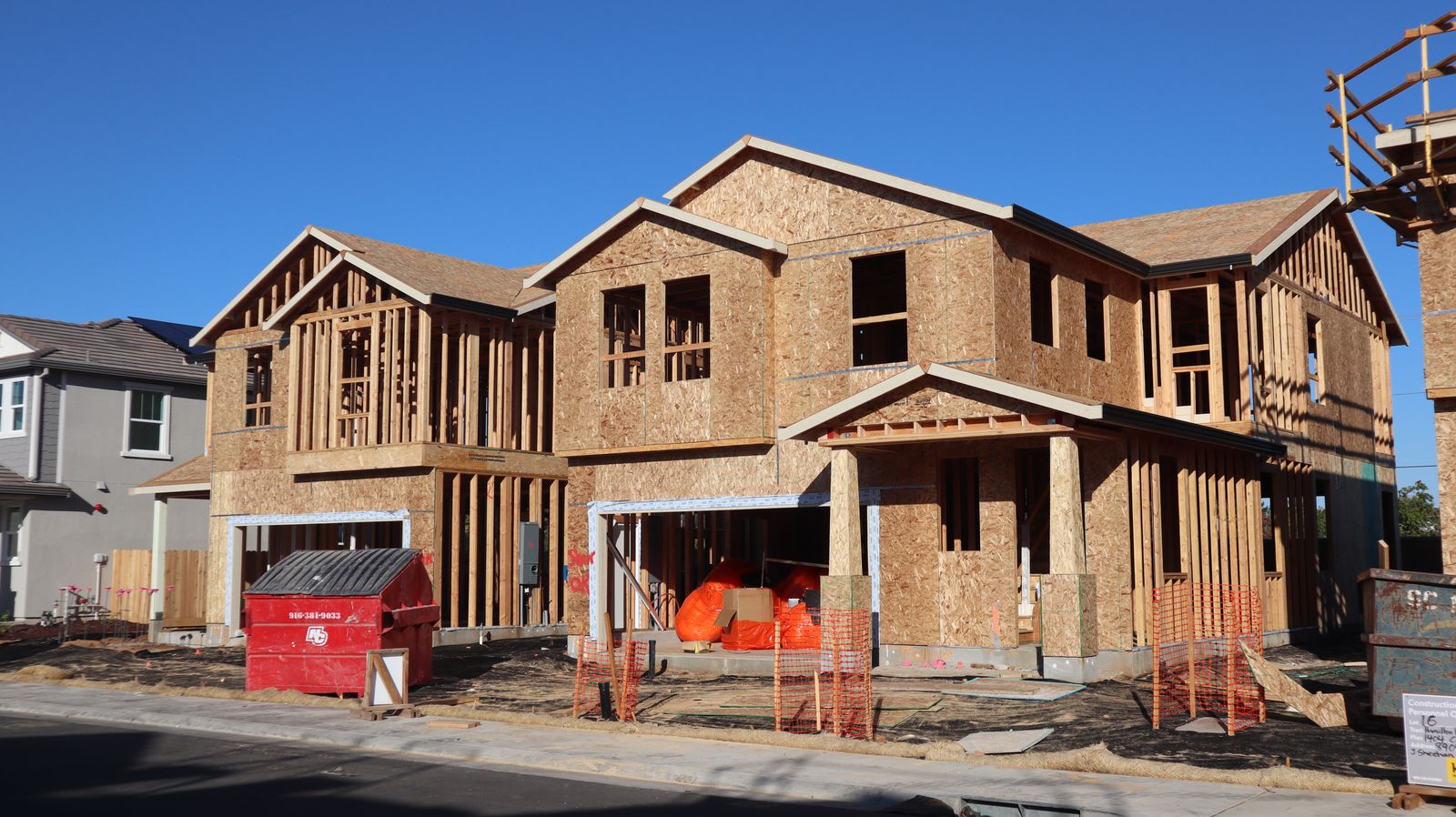
What “New Construction” Means in Ottawa

In Ottawa, new construction typically refers to:

  • Pre-construction or recently completed homes in expanding suburbs

  • Townhomes, semis, and detached houses built by large developers

  • Some new mid-rise and high-rise condos

These homes are often located in areas like:

  • Barrhaven

  • Stittsville

  • Riverside South

  • Orléans

  • Parts of Kanata

You’re buying something that hasn’t been lived in — or barely has.


What “Resale” Really Means

A resale home is any property that’s been owned before.

In Ottawa, resale properties often offer:

  • Established neighbourhoods

  • Larger lots

  • Mature trees

  • Proximity to downtown, transit, or employment hubs

They range widely — from well-maintained homes to properties that need immediate work.


The Case for Buying New Construction

New homes attract buyers for good reasons.

1. Predictability (At First)

With new construction:

  • Everything is new

  • Maintenance costs are low early on

  • Major repairs are unlikely in the first few years

For buyers who value simplicity, that peace of mind matters.


2. Modern Layouts & Energy Efficiency

New homes are designed for how people live now:

  • Open layouts

  • Larger kitchens

  • Better insulation

  • Newer heating and cooling systems

Utility costs are often lower, especially in the early years.


3. Deposit Structure

Many new builds allow:

  • Staggered deposits

  • Time to save before closing

This can help buyers who aren’t quite ready to buy immediately.


The Trade-Offs With New Construction

This is where expectations need adjusting.

1. Price vs Location

New construction often means:

  • Paying a premium

  • Being farther from downtown

  • Less walkability

You’re often trading location for novelty.


2. Closing Costs Surprise

New builds can come with:

  • Development charges

  • Tarion fees

  • Utility hook-ups

  • Landscaping not included

These costs can add tens of thousands if not planned for.


3. Build Quality Varies

“New” doesn’t always mean “better.”

Some buyers discover:

  • Thin walls

  • Rushed finishes

  • Minor issues that take years to fully resolve

Warranties help — but they don’t eliminate inconvenience.


The Case for Buying Resale

Resale homes shine in different ways.

1. Location & Character

Resale properties often offer:

  • Central neighbourhoods

  • Mature streets

  • Larger lots

  • Better access to transit, schools, and amenities

For many buyers, this outweighs having something brand new.


2. Transparent Pricing

With resale:

  • You see the final price upfront

  • No development charges after the fact

  • Fewer surprise line items at closing

What you offer is what you pay.


3. Proven Neighbourhoods

You can evaluate:

  • Traffic

  • Noise

  • Parking

  • Neighbours

  • Seasonal issues

Nothing is theoretical — you can observe it all.


The Trade-Offs With Resale

Resale isn’t risk-free.

1. Maintenance Costs

Older homes may need:

  • Roofs

  • Windows

  • HVAC systems

  • Plumbing or electrical updates

These costs are real — and often arrive sooner than buyers expect.


2. Competitive Offers

Well-priced resale homes in desirable areas:

  • Still attract strong demand

  • Can lead to bidding pressure

Emotion and competition can push buyers beyond their comfort zone.


Financial Comparison: New vs Resale

New Construction

  • Higher purchase price

  • Higher closing costs

  • Lower early maintenance

  • Often higher property taxes initially

Resale

  • Potentially lower purchase price

  • Predictable closing costs

  • Higher maintenance over time

  • Established tax history

The “cheaper” option depends on how long you plan to stay.


Which Option Makes Sense in 2026?

New construction may be better if:

  • You plan to stay long-term

  • You value low early maintenance

  • You’re comfortable with suburban growth areas

Resale may be better if:

  • Location matters more than finishes

  • You want walkability or transit access

  • You prefer known costs over future estimates

There’s no universal winner — only better alignment.


The Bottom Line

Buying new construction vs resale in Ottawa isn’t about right or wrong.

It’s about trade-offs:

  • Time vs convenience

  • Location vs modernity

  • Predictability vs character

The best decision is the one that fits your lifestyle, risk tolerance, and time horizon — not just today’s market.


Thinking About Making a Move?

If you’re weighing specific new builds against resale options, comparing total ownership cost — not just purchase price — is where clarity usually shows up.

That’s often the difference between a home that looks good on paper and one that feels right long-term.

Read

How Mortgage Stress Tests Affect Ottawa Buyers (2026)

If you’re planning to buy a home in Ottawa in 2026, one term you’ve probably heard a lot is “mortgage stress test.”

But what is it really, and how does it affect your buying power?

This guide breaks down how mortgage stress tests work in Canada, what they mean specifically for Ottawa buyers, and how to navigate them to make the best buying decision.


🧠 What Is a Mortgage Stress Test?

A mortgage stress test is a rule that ensures buyers can handle higher interest rates than the one they qualify for today.

It’s meant to:

  • Prevent buyers from overextending

  • Reduce default risk

  • Keep the housing market stable

Even if current rates are low, lenders must confirm you could handle a stress-tested rate, which is usually higher than the contract rate.


📊 How Stress Tests Are Calculated in 2026

For most buyers in Canada:

  1. High-ratio mortgages (less than 20% down, CMHC insured)

    • Must qualify at the greater of:
      • Bank of Canada’s benchmark rate
      • Current contract rate + 2%

  2. Conventional mortgages (20%+ down)

    • Must qualify at the benchmark rate, which is set by OSFI

In 2026, the benchmark rate is slightly higher than historical lows, meaning buyers may qualify for smaller mortgages than they think based on advertised rates.


🔹 Why Stress Tests Matter for Ottawa Buyers

1. They Limit Borrowing Power

Even if your income would technically cover a mortgage at today’s rate, lenders may approve less once stress-tested.

Example:

  • Home you can afford at 5% interest → Stress test at 7% → May reduce approved mortgage by $50K–$75K

2. Impact on Entry-Level Buyers

First-time buyers in Ottawa:

  • Often target $500K–$600K homes

  • Stress tests can shift affordability to smaller condos or townhomes

3. Affecting Choice Between Condo and Freehold

  • Condos carry monthly fees, which are partly counted toward your debt load

  • Stress tests reduce the mortgage you qualify for when condo fees are included

This means some buyers may qualify for a slightly higher-priced freehold without fees than a condo with significant fees.


💡 Tips for Buyers to Navigate Stress Tests

1. Know the Benchmark Rate

  • Use the current benchmark or contract + 2% to calculate realistic affordability

2. Increase Your Down Payment

  • Larger down payments reduce stress on your debt ratios

  • More room for rate fluctuations

3. Reduce Other Debt

  • Car loans, credit cards, and lines of credit reduce the amount you qualify for

4. Shop Multiple Lenders

  • Each lender may have slight variations in stress-testing methodology

  • Brokers can help find the most favorable qualification scenario

5. Don’t Stretch to the Limit

  • Even if you qualify, consider leaving a financial buffer for rising interest rates or unexpected costs


🏁 Bottom Line: Stress Tests Are a Reality in 2026

Stress tests in Ottawa:

  • Limit your maximum mortgage

  • Ensure affordability if rates rise

  • Affect choices between condos and freehold homes

Understanding them before you start shopping avoids disappointment and lets you focus on properties you can realistically buy.


📞 Want a Personalized Ottawa Stress Test?

Stress tests can feel abstract until you see numbers for your exact situation.

If you want a personalized stress test scenario, showing what you can afford for condos vs freehold in Ottawa in 2026, I can run the numbers for you — including mortgage, taxes, fees, and buffer for future rate increases.

Happy to help you plan your purchase confidently.

Read

What Credit Score Do You Need to Buy a Home in Ottawa (2026)?

When you’re thinking about buying a home in Ottawa, one of the first financial questions you probably ask yourself is:

“What credit score do I need to qualify for a mortgage?”

The short answer isn’t a single number — because lenders look at your full financial picture. But your credit score is one of the biggest factors in:

  • Whether you get approved

  • How much you can borrow

  • What interest rate you’ll pay

This guide breaks down how credit scores impact home buying in Ottawa in 2026 — and what real buyers should aim for.


🧠 What Lenders Use Your Credit Score For

Your credit score tells lenders how reliably you’ve managed debt in the past.
It directly affects:

  • Mortgage approval odds

  • Interest rate tier

  • Size of mortgage you can afford

In Canada, credit scores typically range from 300 to 900 — higher is better.


📊 Minimum Credit Score Guidelines in 2026

There’s no universal rule, but typical expectations for buyers in Ottawa are:

🔹 Conventional Mortgage (20%+ down)

  • Recommended: 680+

  • Acceptable: 650–679 (more scrutiny)

🔹 High-Ratio Mortgage (Less than 20% down, insured)

  • Minimum required: 600 (by Canada Mortgage and Housing Corporation rules)
    — below this, most lenders won’t insure your mortgage

🔹 Best Rates & Terms

  • 700+ typically qualifies you for stronger rates and options

If your score is below 600, getting approved is much harder — not impossible, but it will usually require:

  • A co-signer

  • Larger down payment

  • Subprime mortgage program (often higher rates)


📉 How Credit Score Affects Your Mortgage Rate

All else equal:

  • Higher score → lower interest rate

  • Lower score → higher rate + stricter conditions

Example (illustrative, not exact numbers):

  • 720+ → top-tier rate

  • 650–719 → mid-tier rate

  • 600–649 → higher rate (approval possible with conditions)

Even a 0.25–0.50% difference in rate can add thousands of dollars in interest over time — so credit score really matters.


🛠 What Else Lenders Look At

Credit score is important — but it’s not the whole story. Lenders also consider:

💼 Income & Employment

  • Stable, documented income helps

  • Gaps in employment can raise questions

💳 Debt Levels

Lenders calculate:

  • Gross Debt Service (GDS)

  • Total Debt Service (TDS)

High car payments or student loans can reduce how much you qualify for.

💰 Down Payment Amount

Larger down payments:

  • Lower risk for the lender

  • Help offset lower credit scores

🏦 Credit History Depth

A long history of on-time payments helps even if your score isn’t ultra-high.


✅ Tips to Improve Your Credit Score Before Buying

If your score isn’t where you want it to be, here are realistic steps that make a big difference:

1️⃣ Pay Bills on Time (every time)

Payment history is the single biggest driver of your score.

2️⃣ Reduce Credit Card Balances

High utilization (close to your limit) hurts your score.

3️⃣ Avoid New Credit Right Before Applying

Multiple inquiries can lower your score temporarily.

4️⃣ Fix Errors on Your Credit Report

Dispute inaccuracies — they hurt scores more than you expect.

5️⃣ Keep Older Accounts Open

Length of credit history matters.

Even 3–6 months of focused improvement can move your score enough to change your rate tier.


🧩 How This Applies in Ottawa in 2026

Ottawa’s market isn’t the cheapest — lenders are still mindful of risk.
If you’re a first-time buyer with:

  • Credit score 680+

  • Stable income

  • Manageable debts

You’ll qualify for competitive rates and good mortgage options.

If your score is below 650, it’s worth taking time to raise it before applying — even a small improvement can:

  • Lower monthly payments

  • Expand your borrowing power

  • Save money over the life of the mortgage


🏁 Bottom Line

There’s no single “magic number” — but:

Aim for a credit score of at least ~680 to qualify comfortably and get good rates.
Scores between 600–679 may still work, but expect:

  • Stricter review

  • Higher rates

  • More documentation required

Improving your score before you buy can make a big financial difference.


📞 Need a Personalized Credit & Mortgage Plan?

Numbers and guidelines are great — but your situation is unique.

If you want a personal assessment of your credit and mortgage readiness for Ottawa home buying in 2026, I can help you:

  • Understand your current standing

  • Identify specific ways to improve

  • Project realistic approval scenarios

Just let me know!

Read

Is 2026 a Good Time to Buy in Ottawa? (Pros & Cons)

If you’re thinking about buying a home in Ottawa in 2026, you’re not alone — and you’re probably asking the same question as many other buyers:

Is 2026 actually a good time to buy, or should I wait?

The honest answer isn’t a simple yes or no. It depends on your finances, your timeline, and what you’re buying. This guide breaks down the real pros and cons of buying in Ottawa in 2026, without hype.


The Ottawa Market Context in 2026

Ottawa remains one of Canada’s more stable housing markets due to:

  • Government and tech employment

  • Limited land supply in central areas

  • Consistent population growth

That stability means Ottawa rarely sees dramatic crashes — but it also doesn’t offer many "perfect" buying windows.


✅ Pros of Buying in Ottawa in 2026

1. Less Frenzied Competition (Compared to Peak Years)

Buyers in 2026 are generally facing:

  • Fewer bidding wars than 2021–2022

  • More time to review properties

  • Better chances to include conditions

This creates a healthier environment for first-time and move-up buyers.


2. More Negotiation Power

With balanced conditions in many segments:

  • Price negotiations are more realistic

  • Repair credits or price adjustments are possible

  • Buyers can walk away without panic

This wasn’t possible during peak seller markets.


3. Selection Has Improved

Compared to ultra-tight years, buyers in 2026 often see:

  • More listings at any given time

  • Better variety by neighbourhood and price

  • Fewer rushed decisions

Choice matters when making a long-term purchase.


4. Rent vs Buy Math Is Shifting

Rents in Ottawa remain high, which means:

  • Carrying costs of ownership may be closer to rent

  • Buyers start building equity instead of absorbing rent increases

For long-term holders, this is a meaningful factor.


❌ Cons of Buying in Ottawa in 2026

1. Interest Rates Still Matter

Even if rates stabilize or ease slightly, they are higher than historic lows.

This means:

  • Monthly payments are more sensitive to price

  • Buyers must be conservative with budgets

Affordability is still a real constraint.


2. Prices Haven’t “Reset” Dramatically

Ottawa has not experienced deep price corrections.

Buyers waiting for a major crash may be disappointed — especially in desirable neighbourhoods.


3. Carrying Costs Are Less Forgiving

Property taxes, insurance, utilities, and condo fees continue to rise.

Buyers need a buffer — stretching too far increases stress.


Buying in 2026 vs Waiting

Waiting can make sense if:

  • Your income is unstable

  • Your down payment is still growing

  • You plan to move within 2–3 years

Buying in 2026 can make sense if:

  • You plan to stay 5+ years

  • Your budget works comfortably today

  • You find a home that fits both lifestyle and finances

Timing the perfect market matters less than buying the right home.


What Type of Buyer Benefits Most in 2026?

  • First-time buyers who value conditions and less pressure

  • Move-up buyers with equity and flexibility

  • Long-term owners focused on stability, not short-term gains

Short-term speculators may find fewer opportunities.


Common Buyer Mistake in 2026

Waiting for certainty.

Real estate decisions always involve trade-offs. Buyers who wait for perfect clarity often miss homes that would have worked well long-term.


So — Is 2026 a Good Time to Buy in Ottawa?

For many buyers, yes — if the numbers work and the plan is long-term.

Ottawa rewards:

  • Patience

  • Conservative budgeting

  • Thoughtful buying decisions

It does not reward rushing or stretching beyond comfort.


Want a Personal “Buy Now vs Wait” Breakdown?

Online advice can’t account for your income, goals, or risk tolerance.

If you’re unsure whether buying in Ottawa in 2026 makes sense for you, a personalized scenario comparison (buy now vs wait) can bring clarity.

Happy to walk through it with you.

Read

How Much Income Do You Need to Buy a Condo vs Freehold in Ottawa (2026)?

One of the most practical questions Ottawa buyers ask in 2026 isn’t just “How much income do I need to buy a home?” — it’s:

How much income do I need to buy a condo vs a freehold home?

While condos often have lower purchase prices, freehold homes avoid condo fees. The result is that income requirements can be closer than many buyers expect.

This guide compares condo vs freehold income requirements in Ottawa in 2026, using realistic lending factors and buyer scenarios.


How Lenders Look at Income (Quick Refresher)

Lenders don’t qualify you based on price alone. They look at:

  • Mortgage payment (at the stress-test rate)

  • Property taxes

  • Heating costs

  • Condo fees (50% counted for qualification)

  • Other debts (car loans, credit cards, student loans)

This is why two homes with similar prices can require different incomes.


Condo Income Requirements in Ottawa (2026)

Why Condos Often Look Easier

  • Lower purchase price

  • Smaller down payment needed

  • Often newer finishes and locations

But condo fees change the math.

What Impacts Income Most for Condos

  • Monthly condo fees

  • Property taxes (can still be high in central areas)

  • Parking costs if not included

Even moderate condo fees reduce how much mortgage you qualify for.


Freehold Income Requirements in Ottawa (2026)

Why Freeholds Look Harder

  • Higher purchase price

  • Larger down payment required

  • Higher maintenance responsibility

Where Freeholds Can Win

  • No condo fees counted in debt ratios

  • More predictable long-term costs

  • Stronger resale demand

In many cases, a modest freehold townhome requires similar income to a higher-priced condo with fees.


Side-by-Side Income Comparison (Conceptual)

While exact numbers depend on rates and debts, the pattern in Ottawa often looks like this:

  • Lower-priced condo + high fees → higher income than expected

  • Mid-priced freehold + no fees → comparable income requirement

This surprises many first-time buyers.


Single Income vs Dual Income Households

  • Single buyers often qualify more easily for condos, but must watch fees closely

  • Dual-income households may find freehold townhomes more attainable than expected

Stability and consistency of income matter as much as total earnings.


Down Payment’s Role in Income Requirements

A larger down payment:

  • Reduces monthly payments

  • Improves qualification

  • Creates more flexibility between condo vs freehold

Buyers with stronger down payments often have more property-type choice.


Lifestyle vs Income Reality

Sometimes the decision isn’t purely financial.

Ask yourself:

  • Do I value location over space?

  • Am I comfortable with shared ownership?

  • Do I want predictable maintenance or full control?

The best option is the one that fits your budget and lifestyle without stress.


Common Buyer Mistake: Comparing Prices Only

Many buyers compare condo and freehold prices — but ignore fees and taxes.

Income qualification depends on monthly obligations, not just the sticker price.


So, Which Requires More Income in Ottawa?

There’s no universal answer.

  • Some condos require more income than expected due to fees

  • Some freeholds require less income than expected due to no fees

This is why personalized calculations matter.


Want a Personalized Condo vs Freehold Income Breakdown?

Online calculators don’t account for condo fees, Ottawa tax differences, or lender treatment.

If you’re deciding between a condo and a freehold in Ottawa in 2026, a side-by-side income and affordability breakdown using real listings can make the decision much clearer.

Happy to walk through the numbers with you.

Read

First-Time Buyer Mistakes in Ottawa (2026): What to Avoid

Buying your first home in Ottawa is exciting — and in 2026, it’s also easy to make costly mistakes if you rely on outdated advice or internet shortcuts.

Most first-time buyer mistakes aren’t dramatic. They’re quiet decisions that seem reasonable at the time and only hurt later — through higher monthly costs, missed opportunities, or buyer’s remorse.

This guide breaks down the most common first-time buyer mistakes in Ottawa in 2026 and how to avoid them.


1️⃣ Focusing Only on the Purchase Price

Many buyers fixate on the list price and ignore the true monthly cost.

What gets missed:

  • Property taxes

  • Condo fees

  • Utilities

  • Maintenance reserves

Two homes with the same price can feel very different month to month. Always evaluate affordability holistically.


2️⃣ Waiting for the “Perfect” Market

Trying to time the Ottawa market often leads to missed opportunities.

In 2026:

  • Prices fluctuate by neighbourhood

  • Interest rates change faster than prices

  • Lifestyle needs don’t wait for headlines

The right time to buy is when your finances and timeline align, not when the news turns optimistic.


3️⃣ Underestimating Closing Costs

First-time buyers often budget for the down payment — and forget the rest.

Commonly overlooked costs include:

  • Legal fees

  • Title insurance

  • Adjustments

  • Inspections

Plan for 1.5–3% of the purchase price beyond your down payment to avoid last-minute stress.


4️⃣ Stretching the Budget to “Get In”

Just because a lender approves a certain amount doesn’t mean it’s comfortable.

Stretching too far can:

  • Eliminate savings

  • Increase stress

  • Limit lifestyle flexibility

A sustainable purchase should still allow room for life.


5️⃣ Ignoring Neighbourhood Fit

Buying the wrong neighbourhood is harder to fix than buying the wrong floor plan.

Mistakes include:

  • Underestimating commute times

  • Overlooking future development

  • Choosing price over livability

In Ottawa, neighbourhood choice often matters more than the property itself.


6️⃣ Skipping a Proper Condo Review

Condo buyers sometimes assume all buildings are similar.

What gets missed:

  • Reserve fund health

  • Upcoming special assessments

  • Age of major components

A cheap condo can become expensive quickly if the building isn’t well managed.


7️⃣ Not Understanding Resale Before Buying

First-time buyers often think resale is a “future problem.”

In reality:

  • Layout matters

  • Parking matters

  • Location within the neighbourhood matters

Thinking one step ahead protects you later.


8️⃣ Relying Too Heavily on Online Calculators

Online tools are useful — but incomplete.

They rarely account for:

  • Ottawa-specific taxes

  • Condo fees

  • Lender preferences

  • Neighbourhood pricing differences

Real decisions need real numbers.


9️⃣ Choosing Speed Over Due Diligence

In competitive situations, buyers sometimes rush.

Skipping steps like inspections or document reviews can lead to expensive surprises.

Smart speed beats reckless speed.


10️⃣ Not Getting Advice Early Enough

Many first-time buyers wait until they’re “ready” to talk to a professional.

In reality, early guidance:

  • Saves time

  • Prevents mistakes

  • Improves confidence

You don’t need pressure — you need clarity.


How to Buy Smarter in Ottawa in 2026

Avoiding mistakes isn’t about being perfect. It’s about being prepared.

The strongest first-time buyers:

  • Understand their numbers

  • Choose neighbourhoods intentionally

  • Buy within their comfort zone


Want a Mistake-Proof Buying Plan?

Every buyer’s situation is different. What’s a mistake for one person may be smart for another.

If you’re planning to buy your first home in Ottawa in 2026, a clear, step-by-step plan based on your income, timeline, and goals can help you move forward with confidence.

Happy to help you avoid the common traps and buy with clarity.

Read

Best Ottawa Neighbourhoods for First-Time Buyers (2026 Edition)

Buying your first home in Ottawa is exciting — but choosing the right neighbourhood can feel overwhelming. Prices, commute times, lifestyle, and future resale value all matter, especially when you’re working within a first-time buyer budget.

In 2026, Ottawa continues to offer solid options for first-time buyers who want a balance of affordability, liveability, and long-term value. Below are some of the best neighbourhoods to consider, based on pricing, growth trends, transit access, and buyer demand.


What First-Time Buyers Should Look for in a Neighbourhood

Before diving into specific areas, it helps to know what usually matters most to first-time buyers:

  • Entry-level pricing and manageable monthly costs

  • Access to transit or reasonable commute times

  • Everyday amenities nearby (groceries, schools, services)

  • Strong resale demand for the future

Neighbourhoods that check these boxes tend to remain popular even as market conditions change.


1️⃣ Barrhaven

Barrhaven remains one of Ottawa’s top choices for first-time buyers.

Why it works:

  • Large supply of townhomes and newer builds

  • Family-friendly layout with schools and parks

  • Growing transit connectivity

Barrhaven offers predictability and space, making it ideal for buyers planning to stay put for several years.

Best for: Buyers seeking value, space, and long-term stability.


2️⃣ Orléans

Orléans continues to attract first-time buyers looking for affordability without sacrificing access to the city.

Why it works:

  • More competitive pricing than many west-end suburbs

  • LRT expansion improving commute options

  • Strong community feel

Orléans provides a good balance of space, pricing, and future growth potential.

Best for: Buyers who want suburban comfort with improving transit access.


3️⃣ Riverside South

Riverside South has shifted from an emerging area to a well-established option for buyers.

Why it works:

  • Newer housing stock

  • LRT expansion boosting demand

  • Mix of townhomes and single-family homes

As infrastructure catches up with development, Riverside South continues to appeal to first-time buyers priced out of central areas.

Best for: Buyers thinking ahead and comfortable buying in a growing community.


4️⃣ Alta Vista / South Keys Area

This area offers a blend of affordability and proximity to downtown.

Why it works:

  • Central location with transit access

  • Mix of condos, townhomes, and older freehold homes

  • Established amenities and services

Buyers willing to consider slightly older housing stock can often find solid value here.

Best for: Buyers prioritizing location and commute time.


5️⃣ Kanata (South & West)

Kanata remains a strong option for first-time buyers working in tech or west-end employment hubs.

Why it works:

  • Proximity to major employers

  • Newer developments offering modern layouts

  • Strong resale demand

Kanata offers a good long-term play for buyers focused on career stability and future upgrades.

Best for: Tech professionals and west-end commuters.


Condo vs Townhome vs Freehold: What First-Time Buyers Should Consider

Many first-time buyers debate housing type as much as neighbourhood.

  • Condos: Lower entry price, predictable monthly costs, less maintenance

  • Townhomes: Balance between space and affordability

  • Freehold homes: Higher purchase price but no condo fees

The right choice depends on budget, lifestyle, and long-term plans.


How These Neighbourhoods Perform Long Term

Neighbourhoods popular with first-time buyers tend to perform well because:

  • Entry-level demand stays consistent

  • Buyers often upgrade within the same area

  • Transit and infrastructure improvements support value

Buying in a neighbourhood with strong first-time buyer demand today often means easier resale tomorrow.


Ready to Buy Your First Home in Ottawa?

Your first purchase doesn’t need to be perfect — it needs to be right for your budget, lifestyle, and future plans.

If you’re thinking about buying your first home in Ottawa in 2026 and want help comparing neighbourhoods, pricing, and housing types, a local, data-driven approach can help you avoid costly mistakes.

Reach out anytime for a personalized first-time buyer neighbourhood breakdown.

Read

Ottawa vs Toronto vs Montreal: Where First-Time Buyers Get the Most Value in 2026

For first-time buyers in Canada, choosing the right city can matter just as much as choosing the right home. Ottawa, Toronto, and Montreal are often compared because they offer strong job markets, urban amenities, and long-term demand — but affordability, lifestyle, and buying power vary significantly.

If you’re buying your first home in 2026, this guide breaks down where first-time buyers get the most value — without hype, and with a realistic look at costs, quality of life, and long-term potential.


Home Prices: Entry Points Matter

Toronto

Toronto remains Canada’s most expensive major housing market.

What first-time buyers face:

  • High purchase prices

  • Larger required down payments

  • Intense competition for entry-level homes

For many first-time buyers, Toronto ownership often means smaller condos, longer commutes, or relying heavily on family support.


Vancouver (context note)

While Vancouver is often part of this conversation, it is excluded here due to affordability constraints that place it outside reach for most first-time buyers in 2026.


Montreal

Montreal offers a lower price point than Toronto, particularly for condos and older housing stock.

Key considerations:

  • Language requirements in many workplaces

  • Higher provincial taxes

  • Strong rental culture

Montreal appeals to buyers prioritizing lifestyle, culture, and walkability, but long-term ownership costs can vary depending on income structure.


Ottawa

Ottawa sits between Toronto and Montreal on price — and often ahead on balance.

Why Ottawa stands out:

  • More attainable purchase prices than Toronto

  • Strong employment stability

  • Mix of urban and suburban options

First-time buyers in Ottawa often have more flexibility to choose between condos, townhomes, and even some freehold options depending on location.


Income, Employment & Stability

Toronto

Toronto offers:

  • The largest job market

  • Higher average salaries

  • Greater employment volatility in certain sectors

Career upside can be strong, but housing costs often absorb much of that income growth.


Montreal

Montreal provides:

  • Diverse industries

  • Lower wages on average

  • Higher income and consumption taxes

Buyers should consider net income, not just housing prices, when comparing affordability.


Ottawa

Ottawa’s economy is anchored by:

  • Federal government employment

  • Healthcare and education

  • Growing tech sector

This creates predictable income and lower employment risk — a major advantage for first-time buyers carrying a mortgage.


Cost of Living Beyond Housing

Toronto

Higher costs across:

  • Transportation

  • Childcare

  • Dining and entertainment

Even buyers who secure housing may feel long-term budget pressure.


Montreal

Lower housing costs are partially offset by:

  • Higher provincial taxes

  • Utility and insurance considerations

Lifestyle can be affordable, but financial planning is key.


Ottawa

Ottawa offers:

  • Moderate property taxes

  • Manageable commute costs

  • Strong public services

Overall monthly carrying costs tend to be more predictable for homeowners.


Lifestyle & Liveability

Toronto

Best suited for buyers who prioritize:

  • Career mobility

  • Dense urban living

  • Cultural diversity

Less ideal for buyers seeking space or quieter neighbourhoods early on.


Montreal

Appeals to buyers who value:

  • Culture, food, and arts

  • Walkable neighbourhoods

  • European-style urban living

Homeownership can involve older buildings and unique maintenance considerations.


Ottawa

Ottawa is often chosen for:

  • Family-friendly neighbourhoods

  • Access to green space

  • Balanced urban-suburban lifestyle

It offers flexibility as life stages change.


Long-Term Value for First-Time Buyers

When evaluating long-term value, first-time buyers should consider:

  • Ability to upgrade within the same city

  • Employment stability

  • Carrying costs over time

  • Resale demand

Ottawa consistently ranks well across all four factors, making it a strong option for buyers focused on stability and long-term ownership.


So, Which City Offers the Best Value in 2026?

  • Toronto: Best for career-first buyers with high incomes and long-term earning upside

  • Montreal: Best for lifestyle-focused buyers comfortable navigating tax and language factors

  • Ottawa: Best overall balance of affordability, stability, and liveability for first-time buyers

Value isn’t just about price — it’s about what your budget allows you to own, not just where you can live.


Thinking About Buying Your First Home?

Your first purchase sets the foundation for everything that comes next. Choosing the right city, neighbourhood, and housing type matters more than timing the market perfectly.

If you’re considering buying in Ottawa and want a clear comparison based on your income, goals, and lifestyle, local guidance can help you make a confident decision.

Reach out anytime for a personalized first-time buyer strategy.

Read

Ottawa’s Most Overlooked Rental Markets (That Still Cash Flow)

Ottawa’s Rental Reality in 2025

Ottawa’s rental market has seen record demand in recent years, driven by population growth, limited housing supply, and rising interest rates. For investors, however, the challenge isn’t finding tenants — it’s finding properties that still cash flow. While hot spots like Centretown and Westboro grab headlines, several overlooked Ottawa neighborhoods continue to deliver steady rental income and long-term appreciation.

If you’re an investor seeking balance between affordability, tenant demand, and growth potential, these hidden gems deserve a closer look.


Why Cash Flow Matters More Than Ever

In a high-rate environment, positive cash flow is the difference between holding power and financial strain. Many new investors focus too heavily on appreciation, but in 2025’s market, steady monthly income is key to surviving short-term fluctuations.

Strong cash flow comes from:

  • Lower purchase prices relative to rental income

  • Stable tenant demand (students, families, professionals)

  • Low vacancy rates and predictable maintenance costs

Ottawa’s lesser-known suburbs and transitional neighborhoods often check all three boxes.


1. Vanier: Inner-City Affordability Meets Growth

Vanier, long known for its working-class roots, is quietly becoming a rental hotspot. Its proximity to downtown, new infill housing, and cultural diversity attract a mix of tenants — from young professionals to new Canadians.

Why It Works for Investors:

  • Lower entry price points than Sandy Hill or Centretown

  • Strong rental demand due to central location

  • Ongoing revitalization projects improving streetscapes and safety

Average Rent (2025): $1,900 for a 1-bedroom, $2,600 for a 2-bedroom
Investment Tip: Look for duplex or triplex conversions with modern updates — they’re in high demand among professionals.


2. Carlington: The Quietly Booming West-End

Carlington offers older housing stock ripe for value-add renovations. Located between Westboro and Experimental Farm, it provides excellent access to the city core without the premium price.

Why It Works for Investors:

  • Affordable entry prices for detached homes and bungalows

  • Increasing interest from young families priced out of central areas

  • Potential for secondary suites under Ottawa’s gentle density policies

Average Rent (2025): $2,400 for a main-level 3-bedroom
Investment Tip: Add a legal basement suite to maximize ROI — Carlington’s lot sizes make this feasible.


3. Britannia & Whitehaven: Hidden Waterfront Value

These adjacent west-end neighborhoods near Britannia Beach offer a mix of mid-century homes and condos with excellent transit access. While prices remain moderate, rental demand has climbed thanks to nearby LRT stations and recreation options.

Why It Works for Investors:

  • Access to waterfront living at non-premium pricing

  • Close to Algonquin College and the Queensway

  • Rising appeal among remote workers and young professionals

Average Rent (2025): $1,800–$2,400 depending on proximity to LRT
Investment Tip: Watch for older condo buildings with solid management — they often yield better net returns than new construction.


4. Overbrook: Transformation in Progress

Overbrook borders the Rideau River and is minutes from downtown, yet remains one of Ottawa’s most undervalued central areas. Investors are taking notice as new infill and townhome projects reshape the neighborhood’s image.

Why It Works for Investors:

  • Lower price per square foot compared to nearby New Edinburgh

  • Steady tenant pool of students, families, and downtown workers

  • Easy access to St. Laurent Shopping Centre and LRT stations

Average Rent (2025): $2,100 for a semi-detached 3-bedroom
Investment Tip: Seek side-by-side semis or duplexes to generate dual income streams on one lot.


5. South Keys & Hunt Club: Transit, Shopping, and Stability

For investors seeking suburban stability, South Keys and Hunt Club remain underappreciated. With direct LRT access, major shopping hubs, and diverse housing stock, these areas cater to long-term tenants and families.

Why It Works for Investors:

  • Strong cash flow from lower purchase prices

  • High occupancy due to proximity to employment and schools

  • Multicultural community with strong rental demand

Average Rent (2025): $2,500 for a detached 3-bedroom home
Investment Tip: Townhouses and semi-detached homes perform well here — low maintenance, reliable tenants, and quick re-rental cycles.


6. Orleans (Older Sections): East-End Reliability

While new developments in Orleans get most of the attention, older sections like Chapel Hill and Convent Glen offer solid cash flow potential. Tenants appreciate the mature trees, larger homes, and suburban calm — all within commuting distance of downtown.

Why It Works for Investors:

  • Family-oriented neighborhoods with long-term tenants

  • Lower property taxes and stable resale values

  • Upcoming LRT expansion improving east-end access

Average Rent (2025): $2,600 for a detached family home
Investment Tip: Focus on homes with secondary suite potential to boost returns before prices catch up to Barrhaven.


How to Evaluate Ottawa’s Rental Opportunities

When assessing any neighborhood for cash flow, consider these key investor metrics:

MetricTarget RangeWhy It Matters
Gross Rent Multiplier (GRM)Under 18Quick snapshot of value vs. income
Vacancy RateBelow 3%Ensures steady tenant demand
Rent-to-Price Ratio0.7%–1% per monthIndicates healthy cash flow
Appreciation Forecast3–5% annuallyBalances short-term cash with long-term value

Perform due diligence, verify zoning for secondary units, and factor in condo fees or renovation costs before purchase.


Conclusion: Cash Flow Still Exists — If You Know Where to Look

Ottawa’s rental market in 2025 remains competitive, but smart investors can still find strong returns by looking beyond the obvious hotspots. Areas like Vanier, Carlington, and South Keys combine affordability, transit access, and growing demand — the perfect recipe for steady income and future appreciation.

With the city’s population continuing to grow and LRT expansion reshaping access, these overlooked neighborhoods could be tomorrow’s investment goldmines.

Read

Top 10 Things Ottawa Homebuyers Forget to Budget For (2025)

Buying a home in Ottawa is one of life’s biggest milestones — and biggest financial commitments. Between saving for a down payment and securing mortgage approval, it’s easy to assume you’ve planned for everything.

But here’s the truth: many Ottawa homebuyers underestimate the real cost of homeownership.

Beyond the purchase price, there are dozens of extra expenses — some expected, others surprising — that can catch you off guard if you’re not ready. In this guide, we’ll cover the top 10 hidden costs that homebuyers in Ottawa often forget to budget for, plus smart tips to help you plan ahead and protect your wallet.


1. Land Transfer Tax (LTT)

The Ontario Land Transfer Tax is one of the biggest upfront costs after your down payment. It’s calculated as a percentage of your home’s purchase price and must be paid on closing day.

For example, a $700,000 home in Ottawa could cost you over $10,000 in LTT.

Tip: First-time buyers may qualify for a rebate up to $4,000. Be sure to confirm eligibility with your lawyer before closing.


2. Legal Fees and Title Insurance

Every home purchase in Ottawa requires a real estate lawyer to review the agreement, handle closing, and transfer ownership. Expect to pay between $1,500 and $2,500 for these services.

Most buyers also add title insurance, which protects against issues like fraud, unpaid liens, or survey errors. That’s another $300–$500 — but it’s a small price for peace of mind.

Tip: Always ask your lawyer for a written quote that includes disbursements (courier fees, document searches, etc.) to avoid surprises.


3. Home Inspection Costs

A professional home inspection is optional but strongly recommended, even in Ottawa’s competitive market. It can reveal issues like foundation cracks, roof damage, or plumbing problems before you commit.

Most inspections cost $400–$700, depending on the home’s size and age.

Tip: Don’t skip the inspection, even on newer homes — hidden issues can lead to costly repairs later.


4. Property Taxes

Ottawa’s property tax rates are relatively moderate compared to other Canadian cities, but they still add up.

In 2025, the average homeowner pays between $4,000 and $6,000 per year, depending on property value and neighborhood.

Tip: Check the City of Ottawa’s property tax estimator before making an offer so you can include it in your monthly budget.


5. Utility Setup and Connection Fees

Once you move in, you’ll need to connect hydro, gas, water, internet, and waste services. Many providers charge activation or setup fees ranging from $50–$200 each.

Tip: Contact utility providers at least two weeks before closing to avoid service delays — especially during busy moving months.


6. Moving Costs

Whether you hire professionals or rent a truck, moving costs can easily reach $1,000–$3,000, depending on distance and amount of furniture.

And don’t forget packing supplies, cleaning services, and storage units, if needed.

Tip: Compare quotes from local movers early, and ask about weekday or off-peak discounts.


7. Immediate Repairs or Upgrades

Even if your new home seems move-in ready, expect at least a few post-purchase fixes. That could mean new locks, painting, replacing outdated light fixtures, or upgrading appliances.

Budget at least 1% of your purchase price for initial updates — that’s around $5,000–$8,000 for most Ottawa homes.

Tip: Ask the seller for maintenance records to anticipate near-term expenses (like an aging roof or furnace).


8. Home Insurance

Mortgage lenders require you to have home insurance in place before closing. Premiums vary widely, but most Ottawa homeowners pay $1,000–$1,800 per year, depending on coverage and location.

Tip: Bundle your home and auto insurance for potential discounts of up to 15%.


9. Condo or HOA Fees (If Applicable)

If you’re buying a condo or a townhome with a shared community, you’ll likely pay monthly maintenance or HOA fees. These can range from $250–$800 per month, depending on amenities and building age.

Tip: Always review the status certificate for condos before purchasing — it shows the financial health of the building and upcoming expenses.


10. Ongoing Maintenance and Emergency Funds

Owning a home means ongoing upkeep — from landscaping to furnace filters to snow removal. Experts recommend setting aside 1–3% of your home’s value each year for maintenance and unexpected repairs.

That’s around $5,000–$15,000 annually for most properties in Ottawa.

Tip: Create a home maintenance fund and automate small monthly contributions to stay prepared.


Bonus: Furniture and Décor Costs

While not a “hidden fee,” furnishing your new home can quickly become one of the most expensive parts of moving in. Even modest furniture upgrades — a sofa, bed, dining set, curtains — can easily reach $5,000–$10,000.

Tip: Prioritize essentials first. You can decorate and upgrade gradually as your budget allows.


How to Plan Ahead for These Hidden Costs

Here’s a quick summary of how to stay financially prepared:

  1. Add 3–5% to your budget beyond your down payment for closing costs.

  2. Keep a $5,000–$10,000 cushion for post-closing expenses.

  3. Review all fees with your real estate agent and lawyer before signing.

  4. Use online calculators for taxes, utilities, and insurance to estimate monthly expenses.

  5. Avoid maxing out your mortgage approval — leave breathing room for the extras.


FAQs About Hidden Homebuying Costs in Ottawa

1. Can I include closing costs in my mortgage?
In most cases, no. You’ll need to pay them separately on closing day.

2. Are land transfer taxes the same across Ontario?
Yes, except for Toronto — it has an extra municipal tax. Ottawa buyers pay only the provincial one.

3. Do new-build homes have extra costs?
Yes. Expect development fees, HST, and potential upgrades not included in the base price.

4. How can I reduce moving costs?
Book early, pack yourself, and move mid-week or mid-month for better rates.

5. How much should I save before buying?
Besides your down payment, aim to have at least 5% of the home’s price saved for closing and moving costs.


Conclusion

Buying a home in Ottawa is an exciting step — but it’s also a complex financial journey.

By planning for these hidden costs upfront, you’ll avoid last-minute stress and ensure your new home fits both your dreams and your budget.

From taxes and legal fees to small but sneaky expenses like utilities and furniture, knowing what’s coming helps you make smarter, more confident decisions in 2025’s real estate market.

Read

Should You Buy a Single Home or Townhome in Ottawa’s 2025 Market? A Smart Buyer’s Comparison

In Ottawa’s fast-changing real estate market, one of the biggest questions buyers face in 2025 is this: Should you buy a detached house or a townhome?

Both options have their perks — and trade-offs. Detached homes offer more privacy and space, while townhomes bring affordability and convenience, especially as prices across the city climb.

If you’re house-hunting this year, this guide breaks down how Ottawa’s 2025 housing trends impact your choice, with a close look at costs, lifestyle factors, and investment potential.


The Market Context: Ottawa Real Estate in 2025

Ottawa’s real estate market in 2025 is defined by balance, affordability pressure, and rising suburban demand. Detached home prices remain high, averaging around $750,000 to $850,000, depending on location, while townhomes hover closer to $600,000.

Interest rates have steadied, and more buyers are returning to the market — especially first-time and move-up buyers looking for long-term value.

With LRT expansion, new suburban developments, and renewed investor interest, the choice between a house and a townhome has never been more strategic.


Detached Homes: The Classic Ottawa Dream

There’s a reason detached homes remain a top aspiration for many buyers.

Pros of Buying a Detached Home

  1. Privacy and Space – You have your own walls, yard, and often a larger lot — perfect for families, pets, and entertaining.

  2. Customization Freedom – No shared walls or condo board rules; renovations are entirely your call.

  3. Long-Term Appreciation – Detached homes typically gain more value over time due to limited supply and high demand.

  4. Multi-Generational Potential – Easier to expand or create rental units (like basement suites).

Cons of Buying a Detached Home

  1. Higher Price Tag – Both upfront and ongoing costs (maintenance, taxes, and insurance).

  2. More Maintenance – Lawn care, snow removal, and repairs are all on you.

  3. Location Trade-Offs – More affordable detached options are often farther from downtown or transit lines.

In short: detached homes deliver freedom and future value, but they demand higher commitment — both financially and practically.


Townhomes: Ottawa’s Rising Favorite

Townhomes have become the sweet spot for first-time buyers and busy professionals, offering a balance between affordability and lifestyle.

Pros of Buying a Townhome

  1. Affordability – Townhomes cost less upfront, often saving buyers $100K–$200K compared to detached homes.

  2. Low Maintenance – Many come with shared services like lawn care or snow removal — ideal for those who value convenience.

  3. Modern Design – New builds often feature open layouts, energy-efficient systems, and smart-home tech.

  4. Strong Community Feel – Townhome developments tend to attract young families and professionals, creating tight-knit neighborhoods.

  5. Better Urban Access – You’ll find more townhomes near transit lines and city amenities.

Cons of Buying a Townhome

  1. Less Privacy – Shared walls and smaller yards limit quiet and personal space.

  2. Association Fees – Some townhomes have monthly fees for shared maintenance.

  3. Limited Customization – You may face restrictions on exterior changes.

  4. Slower Appreciation – Historically, detached homes outpace townhomes in long-term equity gains.

In essence: townhomes offer comfort, convenience, and cost savings, making them Ottawa’s go-to choice for modern living — especially for buyers under 40.


Cost Comparison: Detached vs. Townhome in 2025

FeatureDetached HomeTownhome
Average Price (2025)$750K–$850K$550K–$650K
Average Lot Size40–60 ft frontage20–25 ft frontage
Monthly UtilitiesHigherModerate
Maintenance CostsHigh (DIY or hire-out)Shared or lower
Property TaxesHigherLower
Appreciation PotentialStrongerModerate
Transit AccessOften suburbanOften closer to city/LRT
Ideal BuyerFamilies, upsizers, investorsFirst-time buyers, professionals

Lifestyle Considerations: Which Suits You Best?

Buy a Detached Home If:

  • You want space to grow, both inside and outside.

  • You prefer privacy and control over your property.

  • You plan to stay long-term or build equity for future investment.

Buy a Townhome If:

  • You want to enter the market without overextending your budget.

  • You value low-maintenance living and community feel.

  • You’re drawn to urban convenience and proximity to transit.


Neighborhood Insights: Where Each Option Shines

  • Detached Home Hotspots (2025):

    • Manotick, Stittsville, Orleans, Greely — space and newer builds.

    • Kanata North & Riverside South — family-friendly with LRT connections coming.

  • Townhome Hotspots (2025):

    • Barrhaven, Findlay Creek, Hintonburg, and Westboro — strong value and location.

    • Orleans and Riverside South — booming new developments with modern designs.

Whether you lean suburban or urban, location dictates lifestyle — and both home types are thriving in different corners of Ottawa.


Investment Outlook: 2025 and Beyond

From an investment standpoint:

  • Detached homes still offer the best appreciation potential, especially in limited-supply neighborhoods.

  • Townhomes, on the other hand, provide strong rental demand and lower vacancy risk, making them ideal for investor entry points.

For buyers eyeing future resale or rental income, the LRT expansion and Ottawa’s population growth make both types solid bets — just with different timelines and returns.


FAQs About Buying a House or Townhome in Ottawa

1. Are townhomes harder to resell?
Not necessarily. In popular areas like Barrhaven or Riverside South, townhomes sell quickly due to high demand from first-time buyers.

2. Do all townhomes have condo fees?
No — some are “freehold” townhomes, meaning you own the land and maintain it yourself.

3. Are detached homes always better investments?
They typically appreciate faster, but townhomes can outperform in high-demand, transit-accessible areas.

4. Which is better for families?
Detached homes offer more room and privacy, but modern townhomes with three bedrooms and nearby parks are also family-friendly.

5. How will LRT expansion affect this decision?
Townhomes near new LRT stops are expected to see significant value gains as transit access improves.


Conclusion

So — should you buy a house or a townhome in Ottawa’s 2025 market?

If you crave space, independence, and long-term equity, a detached home might be worth the stretch. But if your goal is financial flexibility, convenience, and location, a townhome could be the smarter play for the next five years.

In the end, the “right” choice depends less on the property type — and more on how it fits your budget, lifestyle, and future goals.

Whichever you choose, 2025 is shaping up to be a year where both houses and townhomes in Ottawa hold strong appeal for savvy buyers ready to make a move.

Read

Should You Wait or Buy Now? Ottawa Real Estate Predictions for 2026

Ottawa Buyers Are Asking the Big Question

As 2025 draws to a close, many potential homebuyers in Ottawa are wondering: “Should I buy now, or wait until 2026?”

With fluctuating interest rates, housing supply challenges, and a market that’s been stabilizing after years of record growth, timing your purchase has never felt more complicated.

The good news? Ottawa’s market fundamentals — strong employment, population growth, and steady demand — remain solid. But the best strategy depends on your goals, finances, and how 2026’s market trends unfold.

Let’s break down what’s expected in the year ahead and whether waiting or buying now makes the most sense for you.


1. A Quick Recap: Where Ottawa’s Real Estate Market Stands in 2025

Ottawa’s 2025 real estate market has been defined by moderation and recalibration:

  • Average home prices have leveled off after the post-pandemic surge.

  • Interest rates have stabilized, though borrowing costs remain higher than pre-2020 levels.

  • Inventory has improved slightly, giving buyers more choice.

  • Condos and townhomes are attracting renewed interest from first-time buyers priced out of detached homes.

The market is neither fully “buyer” nor “seller” dominated — it’s a balanced market, where negotiation and timing matter more than ever.


2. Ottawa Real Estate Forecast: What’s Expected for 2026

Analysts expect gradual growth, not a boom. Here’s what current projections suggest:

Market Factor2025 Trend2026 Outlook
Home PricesFlat to +2%+3% to +5% modest rise
Interest RatesStabilizingPossible small cuts mid-2026
Housing InventoryIncreasing slightlyRemains below long-term average
New ConstructionSlowing slightlyModerate increase in completions
Buyer DemandImproving with rate cutsStrengthening into spring/summer 2026

In short: Ottawa’s market is expected to warm up in 2026, driven by small rate reductions and continued immigration-fueled demand.


3. Interest Rates: The Key Factor in Your Decision

Interest rates have been the main driver of buyer hesitation since 2022.
The Bank of Canada is signaling a slow return to lower rates by mid-to-late 2026.

What That Means for Buyers:

  • Buying now: You lock in slightly higher rates but gain equity sooner.

  • Waiting: You may get a better rate later — but face higher home prices if demand rebounds.

If rates drop even 0.5%, the resulting buyer surge could reignite bidding wars, especially in mid-range price brackets ($500K–$800K).


4. Population Growth Will Keep Ottawa’s Market Strong

Ottawa continues to attract:

  • New Canadians seeking government jobs and stable neighborhoods,

  • Tech workers from Toronto and Montreal chasing affordability, and

  • Students and young professionals staying post-graduation.

Population growth — expected to exceed 1.1 million by 2031 — ensures long-term housing demand remains healthy. Even if prices stabilize short-term, supply will stay tight in desirable districts like Westboro, Barrhaven, and The Glebe.


5. If You’re Thinking About Buying Now (End of 2025)

Here’s why acting sooner might make sense:

✅ Less Competition Right Now

Winter and early 2025 are quieter seasons — fewer bidding wars and more negotiating room.

✅ Opportunity in Slower Segments

Luxury listings, older homes, and condos have more flexibility in price — a win for patient buyers.

✅ Build Equity Sooner

Even a modest price increase in 2026 means today’s buyers get an early start on appreciation.

✅ Rate Renewal Advantage

If you buy at a slightly higher rate now, you can refinance later when rates drop, locking in long-term savings.


6. If You’re Thinking About Waiting Until 2026

There are still valid reasons to wait:

✅ Better Rate Outlook

A lower mortgage rate could improve your buying power by 5–10%.

✅ More Listings Expected

Builders and sellers who sat out 2024–2025 are expected to list in 2026, expanding your options.

✅ Market Stability

The chaos of the last few years is fading. Waiting might help you buy with more confidence and less pressure.

However, waiting too long could mean paying more for the same property once the rate cuts take effect.


7. Ottawa Neighborhoods to Watch in 2026

Certain neighborhoods are especially well-positioned for growth:

AreaWhy It’s Poised for Growth
Lebreton FlatsMassive redevelopment, new arena plans
Hintonburg / MechanicsvilleLRT access and condo demand
Riverside SouthO-Train expansion boosting values
Orléans / Chapel HillFamily affordability and new schools
StittsvilleFast-growing with tech worker migration from Kanata

These communities combine infrastructure investment with affordable entry points, making them ideal for 2026 buyers.


8. Investment Perspective: What Savvy Buyers Should Know

Real estate investors in Ottawa are adapting strategies for stability:

  • Cash flow is tighter, but long-term appreciation remains promising.

  • Secondary suites and laneway homes are gaining traction for rental income.

  • Transit-oriented properties near the LRT remain top picks for value retention.

If you’re investing, 2026 will reward those who think long-term and focus on location quality over speculation.


9. First-Time Buyers: Timing Tips

If you’re a first-time buyer, focus less on predicting the market and more on readiness:

  • Get mortgage pre-approval to lock in a rate for up to 120 days.

  • Save for closing costs (land transfer tax, legal fees, inspections).

  • Explore first-time buyer incentives like the First Home Savings Account (FHSA).

Even if you decide to wait, you’ll be ready to move quickly when the right property appears.


10. Should You Wait or Buy Now? (Verdict)

Here’s the truth: there’s no one-size-fits-all answer.

  • If you value stability, selection, and negotiating power, buying now can work in your favor.

  • If you’re focused on rate sensitivity and affordability, waiting until mid-2026 may offer slight savings.

However, Ottawa’s fundamentals — job stability, population growth, and limited housing supply — suggest that prices are more likely to rise than fall over the next year.

So if you find a home that fits your needs and budget today, waiting for “perfect timing” may cost you more in the long run.


FAQs: Ottawa Real Estate Predictions for 2026

1. Will Ottawa home prices drop in 2026?
Unlikely. Prices are expected to rise moderately by 3–5%, following stabilization in 2025.

2. Are interest rates going down?
Economists predict small cuts by mid-2026, improving affordability slightly.

3. Will condos or houses perform better?
Condos may see faster growth due to affordability pressures, while detached homes will maintain steady value.

4. Is Ottawa still a good place to invest?
Yes — consistent government employment and population growth make it a resilient long-term market.

5. What’s the biggest risk for buyers waiting until 2026?
Renewed demand after rate cuts could reignite bidding wars, offsetting any savings from lower interest rates.


Conclusion: Make Your Move with a Plan, Not Panic

Whether you buy now or in 2026, the key is strategy over speculation. Ottawa’s market is evolving — not collapsing, not exploding.

Buy when your finances, lifestyle, and property goals align. The right home, in the right neighborhood, bought at the right time for you, will always outperform waiting for the “perfect” market.

Read
Categories:   $500k | $600k | $700k | 2026 | Activities | Advice | Affordable | AirBnB | Algonquin College | All Four Seasons | Alta Vista | Another Province | Apartment | Arnprior Real Estate | Autumn | Available Programs | Bakery | Bank of Canada Rate Announcement | Barrhaven | Barrhaven Downtown, Barrhaven - Strandherd Real Estate | Barrhaven East | Barrhaven West | Bayshore | Beacon Hill South | Beechwood Village | Best Cities To Live | Best Neighbourhoods | Bidding Wars | Bilingual | Boundary Expansion | Britannia Village | BRRRR Strategy | Bucket List | Budgeting | Build-to-Rent | Building | Bungalow | Buying | Byward Market | Byward Market, Lower Town Real Estate | Byward Market/Lower Town, Sandy Hill Real Estate | Calgary | Car-Free | Carleton Place | Carleton University | Carlington | Carlsbad Springs | Carp | Centretown | Centretown West | Centretown, Ottawa Centre Real Estate | Chapel Hill | CHEO | Childcare | Chinatown | Christmas | Civc Hospital | Civic Hospital | Climate Goals | Closing Costs | Coffee Shop | Communities | Commuting | Compared | Condo Fees | Condos | Convent Glen and Area, Orleans Real Estate | Cost of Living | Cottage | Country | Credit Score | Decoration | Detached Home | Divorce | Dog Friendly | Dow's Lake | Dow's Lake/Little Italy, Dow's Lake/Little Italy Real Estate | Dow's Lake/Little Italy, West Centre Town Real Estate | Down Payment | Downsizing | Downtown | Dows Lake - Civic Hospital and Area (4502 - West Centre Town) Real Estate | Dows Lake/Little Italy, West Centre Town Real Estate | Duplex | Eco-Friendly | Embrun | Expensive | Fall | Family | Family Friendly | Farmer's Market | Fastest Growing Neighbourhoods | Final Walkthrough | Finance | Findlay Creek | Findlay Creek, Leitrim Real Estate | First-Time Buyer | Fitness Studio | Fixer-Upper | Flipping Homes | Food | Foreclosure | Freehold | French-Friendly | Friends | Future | Glebe | Gloucester Glen | Golden Triangle | Good | Greely | Guide | Gym | Half Moon Bay | Half Moon Bay - Strandherd, Barrhaven Real Estate | Heat Pump | Hidden Gems | Hintonburg | Historic | Holiday Spirit | Holidays | Home Business | Home Inspection | Home Office | Home Staging | Homes | Homes on the Canal | How Much Income Is Needed? | Hunt Club | Hurdman | Immigrants | Immigration | In-Person Showings | Income Needed | Instagram | International Student | Investing | Investment Property | Kanata | Kemptville | Land Transfer Tax (LTT) | Land Values | Landlords | Lawyer | Layout | Lease | Lebreton Flats | Life in Ottawa | Lifestyle | Little Italy | Living Along | Living Comfortable | Living Costs | Living In | Local | Lowertown | Lowertown/Byward Market, Lowertown/Byward Market Real Estate | LRT | Luxury Homes | Luxury Living | Manotick | Market Advice | Mechanicsville | Mistakes | Mixed-Use | Montreal | Mortgage | Most | Move-In Ready | Moving | Moving From | Moving To | Multi-Family | Multi-Generational | Munster - Richmond, Stittsville Real Estate | Nature | Negotiation | Neighborhoods | New Canadian | New Construction | New Edinburgh | New Immigrant | New Resident | New-Builds | Newcomer | Night Life | North Gower | O-Train | Old Ottawa East | Old Ottawa South | Old Ottawa West | Oldest | Open House | Orleans | Orleans South | Ottawa | Ottawa Centre, Centretown Real Estate | Ottawa East/Greystone Village, Ottawa East/Greystone Village Real Estate | Ottawa Population | Ottawa Real Estate | Ottawa River | Overbrook | Parents | Parking | Parks | Parkwood Hills | Peaceful | Pet-Friendly | Photography | Places | Pre-Approval | Pre-Construction | Pre-List | Price Your Home | Professionals | Property Tax | Pros & Cons | Queensway Terrace | Questions | Quiet | Real Estate Broker | Red Flags | Relocation | Renovation | Rental | Renting | Resale | Retirement | Rideau | Rideau Canal | Rinks | Riverside South | Rockcliffe | Rockland | Rural | Russell | Safe | Sandy Hill | Sandy Hill, Lower Town Real Estate | Savings | Schools | Seasons | Secret | Selling | Shopping Mall | Single Home | Skating | Smart Home | Somerset | South Keys | Southvale | Spring | Still Worth It? | Stittsville | Stress-Test | Student Housing | Student Rentals | Students | Suburb | Summer | Summer Hone | Tenants | Things To Do | Tips | To-Do | Toronto | Touring | Townhouse | Transit | Trends | Tunney's Pasture | University | University of Ottawa | Upgrades | Urban Living | Vacation Rental | Vancouver | Vanier | Vars | Viewing | Virtual Tours | Walkable | Walks | Wealth | Weekend Getaways | Westboro | WFH | What to know | Winter | Work From Home | Zoning
The trademarks REALTOR®, REALTORS®, and the REALTOR® logo are controlled by The Canadian Real Estate Association (CREA) and identify real estate professionals who are member’s of CREA. The trademarks MLS®, Multiple Listing Service® and the associated logos are owned by CREA and identify the quality of services provided by real estate professionals who are members of CREA. Used under license.