RSS

🏡 Exploring Chapel Hill: East Ottawa’s Best-Kept Suburban Secret

Introduction – The Allure of Chapel Hill

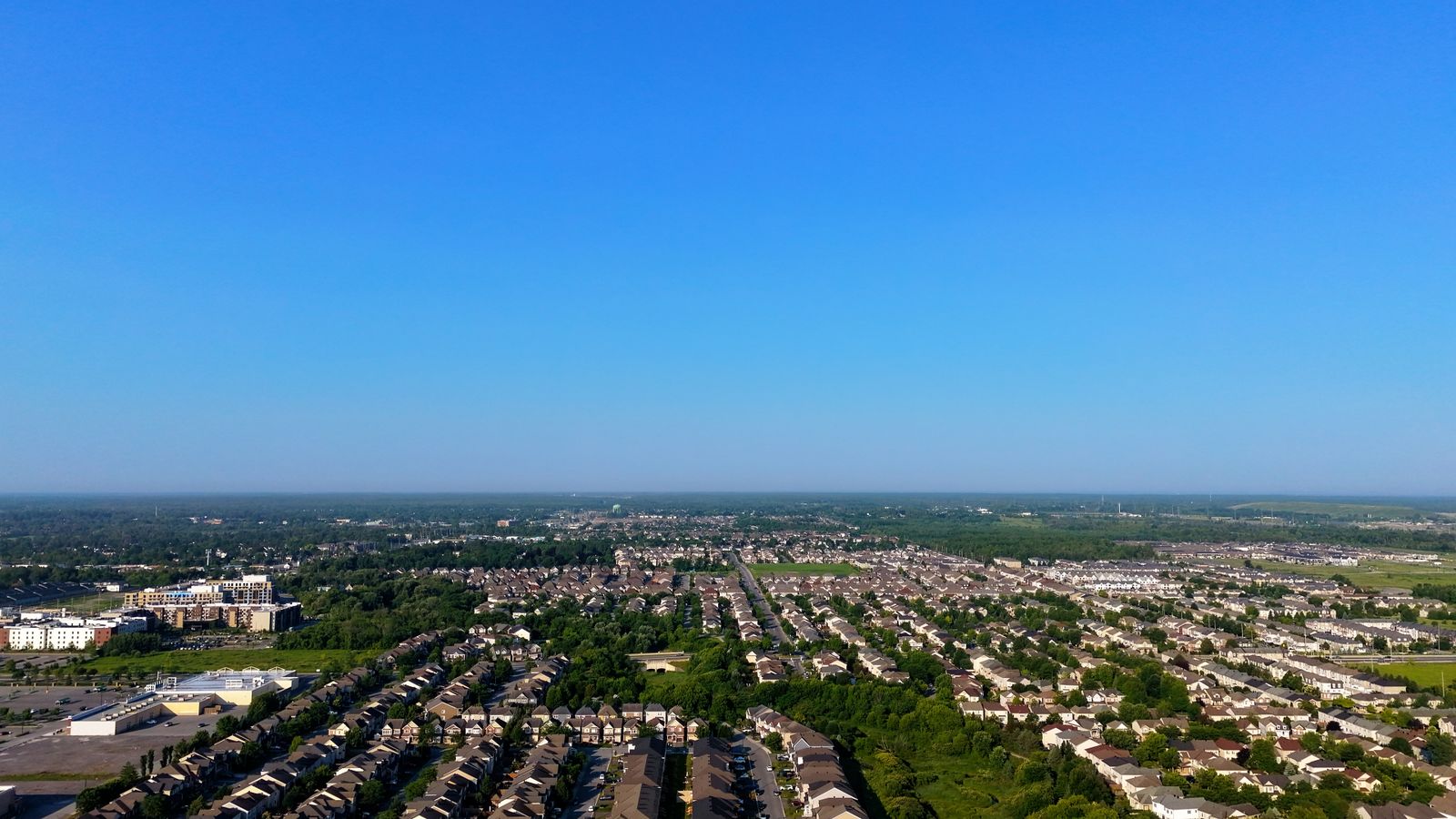
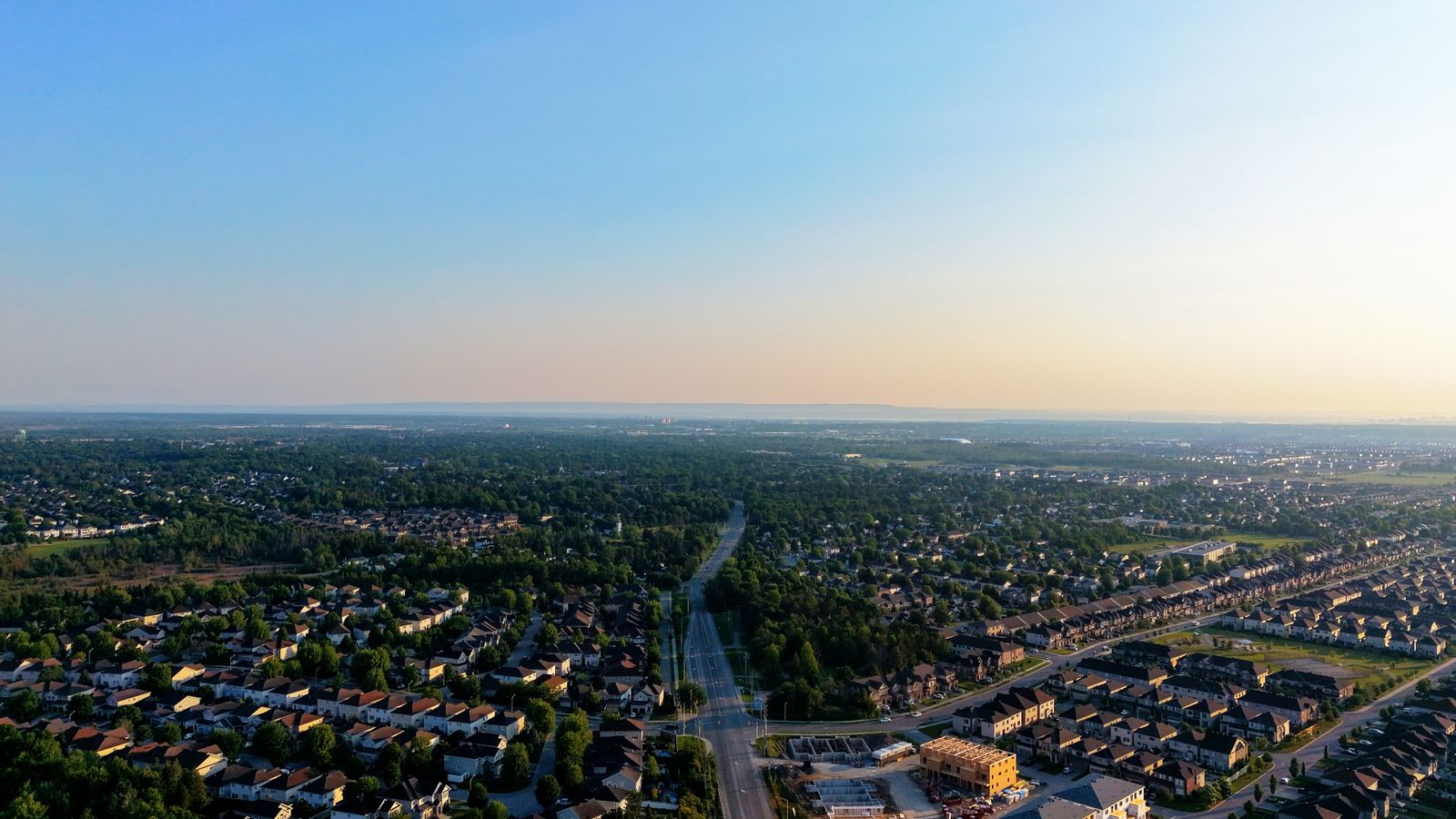
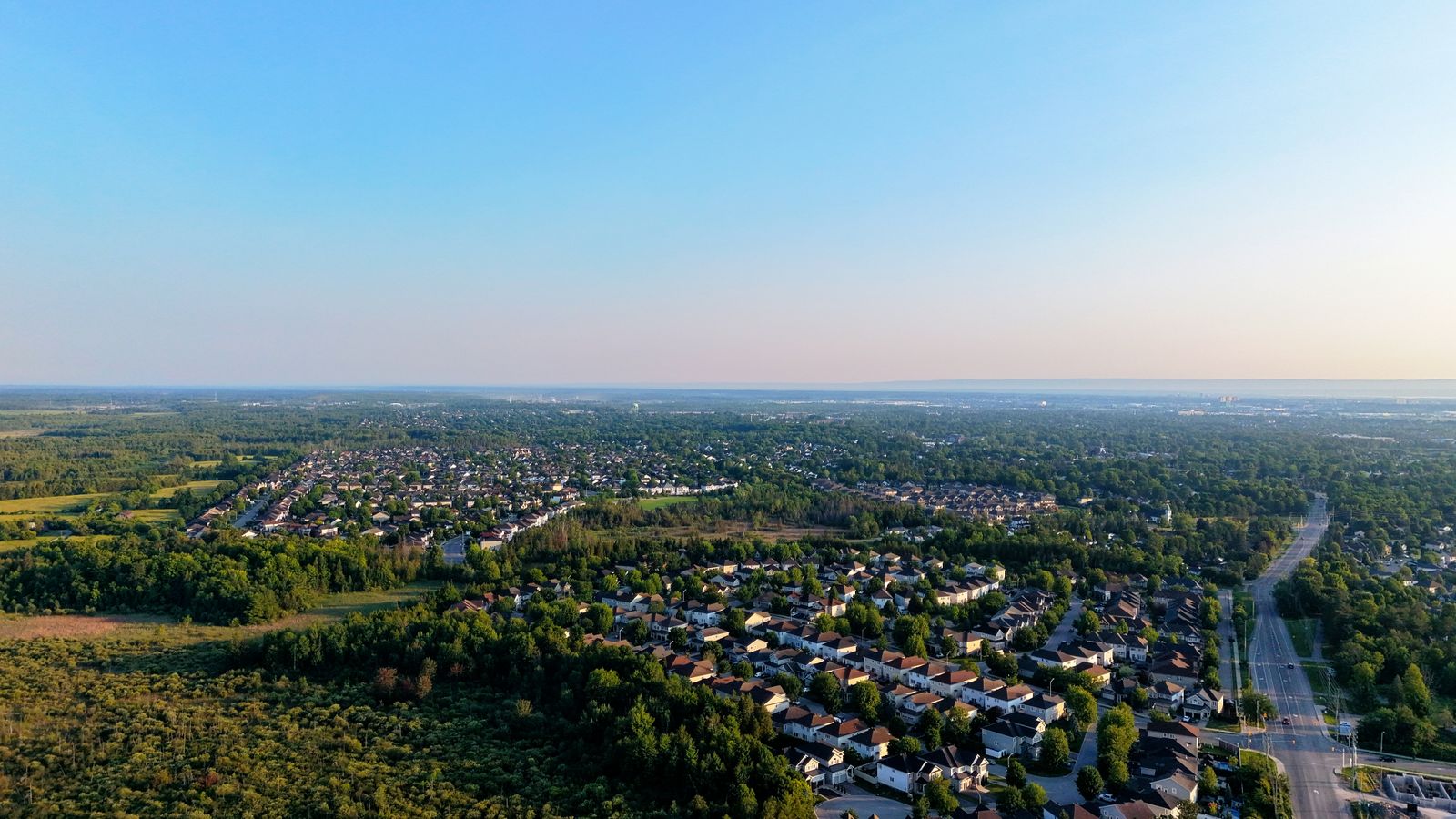
Chapel Hill, located in Orleans just 15 minutes east of downtown Ottawa, offers the perfect blend of family-friendly serenity, generous yard spaces, and access to nature—all within a suburban setting that’s growing in popularity.


A Community Designed for Families

Chapel Hill features primarily single-family homes and townhouses from builders like Ashcroft, Minto, and Richcraft, creating a modern, cohesive streetscape integrated with the surrounding greenbelt. The area’s naming—split between Chapel Hill North and South—reflects its thoughtfully planned development alongside woodland trails and parks .


Spacious Homes and Strong Market Performance

  • Average home prices for Chapel Hill hover around $742K, with single-family homes averaging $841K and townhouses around $620K.

  • The real estate market is stable with modest annual gains above 1%, reflecting steady demand and neighborhood appeal .


Nature Integration: Where Green is Central

  • Bordered by the NCC Greenbelt, Chapel Hill offers trail networks and green spaces right outside your doorstep, perfect for walking, biking, and dog walking

  • Neighborhood names reflect the lush setting—‘Enchanting Woodland Community' isn’t just marketing—it’s the real deal


Schools & Recreation for Every Age

Families love the variety of educational options:

  • English schools: Covent Glen, Forest Valley, Chapel Hill Catholic

  • French options: École élémentaire publique Le Prélude, Notre‑Dame‑des‑Champs

  • Nearby secondary schools include Collège catholique Mer Bleue

Recreation is abundant: playfields at local parks, Ray Friel Recreation Complex, and nearby Place d'Orléans for shopping and dining.


Transit & Commute Convenience

While Chapel Hill is largely car-dependent, it's supported by robust OC Transpo routes. And with the upcoming Jeanne d’Arc LRT station, travel times to downtown will shorten further.


Pros & Cons of Living in Chapel Hill

Pros⚠️ Cons
Spacious, family-oriented homesWeekend errands require driving (limited walkable retail)
Abundant green spaces and trailsLimited nightlife or dining options within immediate neighborhood
Excellent school options and community vibeCommute to downtown via car or bus until LRT fully launched
Up-and-coming real estate market

Who Chapel Hill Is Perfect For

  • Growing families craving yard space, schools, and green surroundings

  • First-time buyers seeking value in a safe, nurturing community

  • Empty-nesters looking to downsize without giving up comfort or connection


Real Estate Snapshot

  • Single-family homes: Typically 3–4 bedrooms, 1,500–2,500 sq ft, $800K+

  • Townhouses: 1,500–2,000 sq ft with modern layouts, averaging ~$620K

  • Condos: From mid-$400K for low-rise units
    Plus new builds like 3‑bed townhomes from ~$650K


Frequently Asked Questions

Q1: Is Chapel Hill expensive?
Homes average around $740K, which is mid-range for Orleans and offers good value for space and quality .

Q2: Are there good schools?
Excellent. English, French, and Catholic elementary schools plus good secondary options nearby.

Q3: Is it walkable?
Limited: you’ll likely drive to schools, shops, and transit stops. Trails and parks are walkable internally.

Q4: How’s the commute?
About 20 minutes to downtown by car or bus, improving as LRT opens.

Q5: Is it family-friendly?
Yes—parks, schools, playgrounds, and community events make it ideal for families and pet owners.

Q6: What’s the development outlook?
Growing demand spawns new infill builds, modern townhomes, and improved amenities. LRT extension will boost connectivity.


Conclusion – Why Chapel Hill Is East Ottawa’s Best-Kept Secret

If you're hunting for a peaceful, green, family-centric neighborhood that offers space, good schools, and a stable property market—with easy access to city amenities—Chapel Hill deserves a spot on your shortlist.

Read

✅ 10 Questions to Ask During Your Ottawa Final Walkthrough

Introduction – Why the Final Walkthrough Matters

Protecting Your Investment

The final walkthrough is your last chance to verify the home is in the agreed-upon condition before taking possession. In Ottawa’s evolving 2025 market, it ensures you’re not left with unpleasant surprises—like broken appliances or missing inclusions.

When and How It Happens

Typically scheduled 24–48 hours before closing, the walkthrough takes 30–60 minutes and is usually attended by the buyer and their real estate agent.


Final Walkthrough vs Home Inspection – What’s the Difference?

Purpose and Timing

  • Home Inspection: Happens during the conditional offer phase; uncovers defects.

  • Final Walkthrough: Happens after deal is firm; confirms condition and that obligations were met.

Who Should Attend

You (the buyer) should always attend. Bring your agent, a checklist, and your agreement of purchase and sale.


The 10 Questions to Ask Before You Take Possession

1. Has anything changed since the inspection?

Visually scan for new water stains, cracks, or damaged areas. Ottawa’s fluctuating weather can reveal new issues in basements or roofs.

2. Are all agreed-upon repairs completed?

Bring your repair list from the agreement. Ask for receipts or visual confirmation.

3. Are all appliances and systems working?

Run:

  • Dishwasher

  • Washer/dryer

  • Stove burners & oven

  • Fridge & freezer

  • HVAC system

4. Is there any damage from the seller moving out?

Check walls, stairs, and floors for scuffs, scratches, or damage from moving furniture.

5. Are all inclusions still there?

Review the listing:

  • Light fixtures

  • Window blinds

  • Mounted TVs or brackets

  • Garage shelving

If any are missing, notify your agent immediately.

6. Are all lights, plumbing, and HVAC functioning?

  • Flush toilets

  • Turn on faucets (hot and cold)

  • Test lights and ceiling fans

  • Check furnace or A/C

7. Is the home clean and debris-free?

Sellers are required to leave the home “broom clean”. Check closets, cabinets, fridge, and yard.

8. Are garage openers, keys, remotes available?

Ensure all access devices are left behind, and confirm how/when they’ll be handed over if not already.

9. Are smoke and CO detectors installed and working?

Ottawa homes are legally required to have working smoke and carbon monoxide detectors. Check placement and test if allowed.

10. Are all windows, doors, and locks functional?

  • Open and close all doors and windows

  • Test exterior locks and security systems

  • Check for any signs of breakage or missing screens


Ottawa-Specific Final Walkthrough Tips

Checking Sump Pumps and Basements

In areas like Orleans or Barrhaven, sump pumps are common. Check the pit is clear, the float rises, and the pump activates.

What to Look for After Winter

  • Water damage from snow melt

  • Icy or clogged gutters

  • Damage to steps, driveways, or patios from freezing

What to Do If Something’s Wrong

Contacting Your Agent

If you discover missing items, damage, or incomplete repairs, document everything with photos and immediately notify your real estate agent. They will contact the seller’s agent and attempt to resolve the issue before closing.

Holding Back Funds or Delaying Closing

If the issue is significant, your lawyer can recommend:

  • Holding back funds until the problem is fixed

  • Amending the agreement to account for repairs

  • Delaying the closing in serious cases, though this is rare and requires legal coordination

Most issues can be resolved through negotiation or minor financial adjustments.


Frequently Asked Questions

Q1: Can I skip the walkthrough?
You shouldn’t. Even in brand-new homes, unexpected issues can arise—damage from move-out, uncompleted repairs, or missing fixtures.

Q2: Should my agent be with me?
Yes. Your agent can help check items against your agreement and advocate for you if something is off.

Q3: What if issues arise after closing?
Once the home closes, you take on full responsibility. This is why it’s critical to document issues before signing final documents.

Q4: What if the seller hasn’t fully moved out?
Notify your agent immediately. Sellers must vacate before possession unless otherwise agreed upon.

Q5: How long should it take?
Usually 30–60 minutes, depending on property size and complexity.

Q6: Should I test outlets and appliances?
Yes. Bring a phone charger or small device to check outlets, and run all major appliances briefly to confirm function.


Conclusion – Be Proactive, Not Reactive Before You Get the Keys

Your final walkthrough in Ottawa is your last line of defense before becoming a homeowner. By asking the right questions and doing a thorough check, you can start your new chapter with peace of mind—knowing the home is in the condition you agreed to buy. Bring your checklist, your agent, and a critical eye—it’s one hour that can save you thousands and a lot of stress.


Read

🏠 5 Red Flags to Watch for When Touring a Home in Ottawa

ntroduction – Why Touring with a Sharp Eye Saves You Thousands

The Value of Being a Savvy Home Shopper

In today’s competitive Ottawa housing market, it's easy to fall in love with a house at first glance. But don’t let granite countertops and fresh paint distract you—hidden red flags can turn your dream home into a renovation nightmare.

Why Ottawa’s Climate Makes Some Issues More Likely

From freezing winters to damp spring thaws, Ottawa’s climate puts homes under unique pressure. That’s why it's critical to spot problems early—before you make an offer.


Red Flag #1 – Foundation Cracks or Uneven Floors

What It Might Indicate

Cracks wider than 1/4 inch, sloping floors, or sticking doors can point to structural movement or settling. In extreme cases, it may signal serious foundation issues.

Ottawa’s Soil and Climate Impact

Ottawa’s clay-heavy soil and freeze-thaw cycles can shift foundations. Be especially cautious in older neighborhoods like the Glebe or Sandy Hill where homes date back over a century.


Red Flag #2 – Water Stains or Musty Smells

Signs of Past or Ongoing Water Damage

Look for:

  • Brown rings on ceilings

  • Efflorescence (white powder) on basement walls

  • Musty odours in lower levels or closed rooms

These may indicate past flooding, roof leaks, or poor drainage.

Where to Look: Basements, Ceilings, and Bathrooms

  • Inspect under sinks and around toilets

  • Look near windows and foundation corners

  • Ask if a sump pump is installed and functional


Red Flag #3 – Old Electrical Panels or Exposed Wiring

Why Aluminum Wiring Still Exists in Older Homes

Homes built in the 1960s–70s may have aluminum wiring, which can be a fire hazard if not properly upgraded. Knob-and-tube wiring may still exist in some pre-1950s homes in Ottawa.

The Cost and Safety Implications

Updating electrical systems can cost $5,000–$15,000+, depending on the scope. Improper wiring may also prevent you from getting home insurance.


Red Flag #4 – Recent Paint Jobs in Isolated Areas

Covering Up Issues vs Renovation

A fresh coat of paint is normal—but be cautious if only specific spots are painted, like one ceiling panel or a basement wall. It could be hiding water stains, mold, or patch repairs.

What to Ask the Seller or Agent

  • When was the work done and why?

  • Can you see before-and-after photos or receipts?

  • Has the issue that caused it been resolved?


Red Flag #5 – Roof Age and Visible Wear

Curling Shingles, Sagging Eaves, Ice Dams

Signs of roof wear include:

  • Shingles curling or cracking

  • Missing or mismatched shingles

  • Gutter damage or sagging fascia

  • Stains on soffits or inside attic spaces

Ottawa Winters and Roof Life Expectancy

With heavy snowfall and frequent freeze-thaw cycles, most Ottawa roofs last 15–20 years. A full roof replacement may cost $8,000–$15,000, so it’s worth inspecting.

Bonus: Additional Warning Signs Worth Noting

While the top five red flags are critical, keep an eye out for these secondary signs that might still cost you down the road:

Windows That Don’t Open

Poorly functioning windows may indicate settling, moisture swelling, or simply old hardware. Replacing windows in Ottawa can be costly, especially if you need multiple units replaced at once.

Sloping Yards with Poor Drainage

Yards that slope toward the house can cause water pooling and foundation leaks. Check for:

  • Soil erosion near the foundation

  • Downspouts draining too close to the home

  • Soft or muddy spots near exterior walls

DIY Renovations Without Permits

If you see unusual room additions, non-matching finishes, or oddly placed outlets, ask if the seller obtained permits. Unpermitted renovations can lead to insurance issues, fines, or major costs to bring them up to code.


What to Do If You Spot a Red Flag

Don’t Panic—Call an Inspector

Spotting a red flag doesn’t mean you should walk away immediately. Instead, bring in a qualified home inspector who can assess the situation. Their report will help you decide if it’s:

  • Minor and manageable

  • Negotiable for a price reduction

  • A deal-breaker

Use It to Renegotiate or Walk Away

If issues are confirmed, you can:

  • Ask for repairs or credits

  • Negotiate a lower price

  • Back out of the offer (if you have a home inspection condition)


Frequently Asked Questions

Q1: Can I inspect these on my own?
You can spot signs, but only a licensed home inspector can fully assess the risks and provide a professional report.

Q2: What’s normal wear vs red flag?
Peeling paint or worn carpet is normal. Water damage, electrical hazards, or structural cracks are red flags worth investigating.

Q3: Should I always hire an inspector?
Yes, especially in Ottawa where climate can hide serious problems behind walls or under snow.

Q4: Can red flags lower the price?
Absolutely. Inspection findings often lead to price reductions or repair agreements, saving you thousands.

Q5: Do sellers have to disclose issues?
In Ontario, sellers must disclose known material defects. But if they’re unaware, it’s up to you and your inspector to uncover them.

Q6: Are new builds always safe?
Not always. Even new homes can have construction shortcuts or issues with grading, insulation, or finishes. A pre-delivery inspection (PDI) is still essential.


Conclusion – Trust Your Eyes, Then Verify with Experts

Spotting red flags during a home tour doesn't make you paranoid—it makes you smart. In Ottawa’s varied real estate market, being an informed buyer gives you leverage, protects your budget, and ensures your dream home doesn’t turn into a money pit. Always trust your instincts, then confirm with professional inspections before signing on the dotted line.

Read

How to Buy and Sell at the Same Time in Ottawa Without Losing Your Mind

Introduction – Why This Process Can Feel Overwhelming

The Dilemma of Buying and Selling at Once

You’re ready to upgrade—but you're stuck in the classic conundrum: do I buy first or sell first? For many Ottawa homeowners, this dual-process feels like a juggling act with financial and emotional risks on both sides.

Why It’s Especially Tricky in Ottawa’s Market

In 2025, Ottawa’s market is steady but competitive. Homes can sell quickly in hot neighborhoods while new listings are tight in others. If you don't plan properly, you might end up homeless for a few weeks—or stuck carrying two mortgages.


Step 1: Know Your Finances Before You List or Look

Get Pre-Approved and Know Your Budget

Before even browsing listings, talk to your mortgage broker or bank. Get pre-approved for your next home while factoring in the equity you’ll have from your current property.

Understand Your Equity and Net Proceeds

Ask your REALTOR® for a net proceeds estimate: the price your home is likely to sell for minus closing costs, mortgage balance, legal fees, and commissions. This helps determine what you can afford on the buy side.


Step 2: Decide Which to Do First – Buy or Sell?

Pros and Cons of Selling First

Advantages:

  • You know exactly how much equity you have

  • No risk of carrying two mortgages

Challenges:

  • You may feel rushed to find your next home

  • Might need temporary housing if closings don’t align

When Buying First Makes Sense

If you're buying in a low-inventory area, purchasing first may be smarter. You can then list your current home once your new one is secured—just ensure your finances allow for bridge financing or a larger deposit.


Step 3: Time the Transactions Strategically

Conditional Offers and Flexibility

Work with your agent to write conditional offers, such as:

  • Purchase conditional on the sale of your home

  • Sale conditional on securing a new property

These clauses protect you while giving both parties confidence.

Using Bridge Financing or Extended Closings

Bridge financing lets you access the equity in your current home before it sells—ideal when there's a gap between closings. Alternatively, ask for flexible or extended closings to give you more time.


Step 4: Hire the Right Real Estate Agent

Why Dual-Transaction Experience Matters

This isn’t a basic buy or sell—this is both. You need an agent who can coordinate listings, showings, negotiations, and closings without missing a beat.

One Agent for Both vs Two Specialists

Ideally, one experienced agent will handle both sides. But if you're moving from one market to another (e.g., rural to urban), collaborating with two specialists may offer stronger results.


Step 5: Prepare Your Home for a Quick Sale

Declutter, Stage, and Price Right

To sell fast, your home needs to shine from day one. Declutter, depersonalize, and hire a professional stager if possible. Your agent will run a Comparative Market Analysis (CMA) to help you price aggressively yet realistically—vital for a fast, clean sale in Ottawa’s 2025 market.

Marketing to Maximize Momentum

Professional photos, drone shots, 3D tours, and a strong online presence (Realtor.ca, social media, Google) can drastically reduce days on market. A well-marketed home sells faster—and gives you the flexibility to move forward confidently.


Step 6: Be Ready to Move Fast on a Purchase

Set Alerts and Pre-Tour Options

Ask your agent to set up instant MLS alerts and be ready to view properties the day they’re listed. Ottawa homes, especially in popular areas like Westboro, Barrhaven, and Kanata, can move quickly.

Leverage Your Agent for Off-Market Deals

Experienced agents often know of pocket listings (homes not yet listed publicly). Tapping into these gives you a leg up over other buyers while reducing pressure on your timeline.


Step 7: Use Legal & Financial Professionals Wisely

Coordinating Lawyers and Lenders

Choose a real estate lawyer who can handle both transactions seamlessly, and a mortgage advisor who understands the risks of buying before selling. They’ll help coordinate mortgage discharge, title transfers, and closing fund flows.

Aligning Closing Dates Seamlessly

When possible, aim to close on your new purchase one day after your home sale. This overlap allows time to receive funds and reduces stress from same-day closings—which can be risky if there's any delay in your sale.


Bonus Tips for Smooth Transitioning

Temporary Housing Options

If the stars don’t align, don’t panic. Consider:

  • Short-term rentals (Airbnb or corporate housing)

  • Staying with family

  • Negotiating post-closing occupancy where you rent your sold home for a few days from the buyer

Storage Solutions for Overlap Periods

Book a portable storage unit (like PODS) or a local facility. This simplifies moving day logistics and reduces clutter in your interim space.


Frequently Asked Questions

Q1: What if my current home doesn’t sell in time?
You may need to reduce your price, improve staging, or renegotiate your purchase closing date. In worst-case scenarios, bridge financing or renting your home temporarily can help.

Q2: Can I write a purchase offer conditional on my sale?
Yes—this is a common clause. However, in a seller’s market, it may weaken your offer. Your agent will guide you on how and when to use it strategically.

Q3: How does bridge financing work in Ottawa?
It’s a short-term loan that lets you access equity from your current home before it sells. Most lenders require a firm sale agreement before approval.

Q4: Should I rent before buying again?
This can give you more flexibility and reduce financial stress—but may involve two moves and rental costs.

Q5: What if I get a low offer?
Don’t panic. You can counter or improve your home’s appeal. If time allows, wait for stronger buyers—pricing and presentation are key.

Q6: How long should I expect each transaction to take?

  • Selling: 2–4 weeks to receive offers + 30–60 days to close

  • Buying: 1–4 weeks to find a home + 30–60 days to close
    Plan for 3–4 months total from start to finish.


Conclusion – Buy and Sell with Strategy, Not Stress

Buying and selling at the same time doesn’t have to be chaotic. With a well-planned strategy, the right professionals, and a clear timeline, you can transition smoothly between homes—without sacrificing peace of mind. Ottawa’s market offers opportunities for smart sellers and savvy buyers. Make your next move confidently, knowing you’re prepared for every step.

Read

🏠 What to Expect During a Home Inspection in Ottawa: A Buyer’s Guide

Introduction – Why Home Inspections Are a Must in Ottawa

The Role of Inspections in the Homebuying Process

Whether you’re buying a cozy townhouse in Barrhaven or a historic home in The Glebe, a home inspection is one of the most important steps before closing the deal. It helps you understand exactly what you're buying—inside and out—so you can move forward with confidence (or walk away wisely).

Local Conditions Buyers Should Watch For

Ottawa’s weather extremes—cold winters, humid summers, and clay-heavy soils—can cause issues like foundation cracking, insulation gaps, and roof deterioration. That’s why local experience matters when hiring a home inspector.


What is a Home Inspection, and Why Does It Matter?

What It Includes (And Doesn’t)

A home inspection is a non-invasive, visual examination of a home’s major components. It typically includes:

  • Roof and attic

  • Foundation and structure

  • Plumbing and electrical systems

  • Windows and doors

  • HVAC systems

  • Visible mold, moisture, and pests

It does not include tearing into walls, septic inspections, or chimneys (unless arranged separately).

How It Protects Buyers

An inspection protects you from buying a home with serious, unseen issues. It also gives you leverage to:

  • Renegotiate the sale price

  • Request repairs

  • Plan for future maintenance costs


What Ottawa Inspectors Typically Check

Structure and Foundation

Inspectors look for:

  • Wall and ceiling cracks

  • Uneven floors or door frames

  • Water damage or signs of settling

Plumbing and Electrical Systems

Common checks include:

  • Leaky faucets or poor water pressure

  • Type and condition of wiring

  • Electrical panel safety and grounding

Roofing, Attic, and Insulation

Expect them to evaluate:

  • Roof shingles and flashing

  • Attic ventilation and insulation levels

  • Evidence of leaks or pests

HVAC and Water Heaters

They’ll test:

  • Furnace and A/C function

  • Thermostat calibration

  • Hot water temperature and tank age

Exterior: Siding, Decks, Windows

Inspectors assess:

  • Condition of siding and soffits

  • Stability of decks and porches

  • Window seals, sills, and efficiency


The Home Inspection Timeline

When It Happens in the Buying Process

Home inspections occur after your offer is accepted, typically within 5–7 business days during the conditional period. This gives time to back out or renegotiate if issues arise.

How Long It Takes and Who Attends

  • The process takes 2–3 hours, depending on size and condition.

  • Buyers are encouraged to attend and ask questions.

  • Your real estate agent may join, but the inspector leads the walkthrough.


What to Bring and Ask During the Inspection

Key Questions to Ask

  • “Is this issue cosmetic or structural?”

  • “How urgent is this repair?”

  • “What does this cost to fix?”

  • “What’s considered normal wear?”

What Buyers Should Watch For

  • Roof age and condition

  • Evidence of past water damage

  • Signs of DIY electrical or plumbing work

  • Foundation cracks or mold around basement walls

Understanding the Home Inspection Report

Red Flags vs. Cosmetic Issues

The home inspection report breaks down the home’s components into critical, moderate, and minor issues. Key things to pay attention to:

  • Red Flags: Foundation issues, electrical hazards, roof leaks, or signs of mold. These may require immediate attention or justify backing out of the deal.

  • Cosmetic Issues: Chipped paint, worn carpet, or outdated fixtures. These won’t affect function but may impact future renovation costs.

When to Walk Away

If major structural or mechanical problems are discovered and the seller refuses to make concessions or repairs, walking away might be the smartest move. It’s far better than inheriting a financial headache.


Using the Inspection to Negotiate Better Terms

Price Reductions and Repair Credits

A solid inspection report gives you negotiating power. You can:

  • Request the seller reduce the price to cover repairs

  • Ask for a repair credit or allowance

  • Have the seller complete key repairs before closing

In Ottawa’s market, especially during slower seasons, sellers may be more willing to accommodate reasonable requests.

Renegotiation Strategies That Work in Ottawa

  • Provide quotes from licensed contractors to support your asks

  • Focus on safety or functional issues (not just cosmetic concerns)

  • Use your agent to communicate calmly and professionally with the listing agent


How Much Does a Home Inspection Cost in Ottawa?

Typical Price Ranges

Most standard home inspections in Ottawa range from $450–$650, depending on size, age, and complexity of the property.

Extra Costs for Specialized Testing

You may want to add:

  • Radon testing: ~$150–$250

  • Mold testing: ~$250+

  • Septic inspections: ~$300–$500 (for rural properties)

  • Chimney or WETT inspections (for wood-burning systems): ~$150–$300

Always ask your inspector for a full pricing list before booking.


Pre-Listing Inspections: Should Sellers Do One Too?

Pros and Cons for Sellers

A pre-listing inspection can make your home more attractive by proving it’s well-maintained. It also:

  • Helps you price the home more accurately

  • Reduces last-minute surprises

  • Builds buyer trust

The downside? You'll need to disclose known issues, which could scare off buyers if repairs aren't addressed.

When It Can Help With Faster Sales

If you're in a buyer’s market or listing an older home, pre-inspections can help streamline negotiations and set your property apart from others.


Frequently Asked Questions

Q1: Are inspections mandatory?
No, but highly recommended—especially in older homes. They protect your investment and provide peace of mind.

Q2: What if I’m buying a new build?
New homes often have Tarion warranties, but inspections can still reveal builder shortcuts or early wear.

Q3: Can I skip it to make a stronger offer?
Waiving an inspection can make your offer more competitive, but it carries serious risks. Only do this with newer homes or when you’re comfortable with the condition.

Q4: What are common issues found in Ottawa homes?

  • Foundation cracks (due to clay soil)

  • Poor insulation

  • Roofing issues

  • Outdated aluminum wiring (in older homes)

Q5: Do condos need inspections?
Yes. Inspectors still check plumbing, electrical, HVAC (if inside the unit), and windows. They don’t inspect shared areas but can help spot unit-specific concerns.

Q6: How long is the report valid?
It’s a snapshot in time. If the closing is delayed for months, consider a follow-up or updated walkthrough.


Conclusion – Be an Informed Buyer with a Professional Inspection

A home inspection is one of the smartest investments you’ll make during the buying process. It gives you clarity, negotiating power, and protection against unexpected costs. Whether you're buying your first condo or upgrading to a family home, understanding the inspection process helps you move forward with confidence—and without costly surprises.

Read

🏡 Carlington: Ottawa’s Next Hot Housing Market?

Introduction – Why Carlington is Turning Heads

A Neighborhood in Transition

Carlington, once overshadowed by nearby neighborhoods like Westboro and The Glebe, is rapidly emerging as Ottawa’s next real estate hotspot. With affordable housing, green spaces, and urban proximity, it’s attracting a diverse mix of residents and investors ready to gain early.

Who’s Moving to Carlington in 2025

In 2025, the area is welcoming first-time homebuyers, young families, downsizers, and real estate investors—all seeking value, growth, and proximity to city amenities without downtown prices.


Location & Accessibility

Central but Affordable

Nestled just west of downtown, Carlington offers the rare combination of central convenience and starter-home prices. It’s bordered by Parkdale and Civic Hospital, with quick access to Carling Avenue and Parkdale Avenue.

Transit, Cycling, and Commute Times

  • Served by OC Transpo Routes 11, 74, and frequent bus service to downtown and the O-Train.

  • Bicycle routes along Carling Avenue and adjacent scenic Parkway paths.

  • Typical commute to Parliament Hill is 10–15 minutes by car or transit.


Real Estate Snapshot

What You Can Buy and at What Price

  • Bungalows and semi-detached homes from $600K–$800K

  • Townhomes and condo conversions from $450K–$600K

  • Vacant lots and infill sites for savvy renovators

Prices remain below the Ottawa average, offering attractive entry points into central living.


Upgrades, Developments & Investment

Renovated Homes & Condo Conversions

A trend of homeowners renovating or converting larger homes into duplexes and condos reflects rising demand and investment potential. These updated homes often offer modern finishes, open layouts, and better energy efficiency.

Why Investors Are Paying Attention

With projected price gains, rental demand, and small-scale redevelopment, Carlington is drawing savvy investors looking for quality yields and future resale value.


Community & Lifestyle Features

Parks, Schools & Recreation

  • Carlington Park: playgrounds, soccer fields, walking trails

  • Carleton Heights Public School and Collège catholique Mer Bleue

  • Close to Civic Hospital, recreational centres, and bike/walking trails along the Rideau Canal Parkway

Arts, Culture & Dining Spots

The local scene is growing—expect multicultural takeout, family eateries, cafés, and weekend wind-down spots on nearby Parkdale or Richmond Road. Proximity to Westboro adds even more dining and shopping options.


Pros & Cons of Buying in Carlington

✅ Pros

  • Affordability within a central location

  • Strong upside due to renovations/redevelopments

  • Is excellent for first-time and investor buyers

  • Green and walkable streets

  • Convenient transit and highway access

⚠️ Cons

  • Infrastructure upgrades needed on some roads and sidewalks

  • Limited nightlife or trendy retail compared to adjacent neighborhoods

  • Modest grocery and amenity options—though growing fast


Who Should Consider Carlington?

  1. First-Time Buyers seeking entry into a central, improving market

  2. Young Families & Downsizers wanting green space and residential calm

  3. Investors targeting renovation potential and rental income


Frequently Asked Questions

Q1: Is Carlington safe?
Yes—crime rates are moderate and decreasing as community involvement increases.

Q2: Are schools good?
Local schools are solid, with options for public, Catholic, and French immersion.

Q3: How’s transit connectivity?
Good—frequent buses to downtown and O-Train, improving infrastructure, bike routes.

Q4: What’s the resale potential?
High: the combination of location, renovation, and redevelopment drives demand.

Q5: Are there active community events?
Yes—community associations host park cleanups, summer BBQs, and seasonal festivals.

Q6: How fast is Carlington appreciating?
Home prices have appreciated ~6–8% annually in recent years—slightly above city average.


Conclusion – Carlington’s Moment Has Arrived

Carlington offers a rare chance to get into central Ottawa living at affordable prices, enjoy green, community-focused streets, and benefit from renovation-boosted equity. For a growing market with lifestyle convenience and strong upside, Carlington is emerging as Ottawa’s next housing hotspot. If you're looking to buy or invest, it’s time to take a closer look.

Read

🏡 Living in Alta Vista, Ottawa: Space, Schools, and Suburban Calm

Introduction – Why Alta Vista Feels Like Home

A Leafy, Central Refuge

Alta Vista is a refreshing oasis in central Ottawa—where expansive properties, tree-lined streets, and quiet residential ambiance meet urban convenience. Nestled just south of the Rideau River, it offers families and professionals a serene retreat without compromising access to city life.

Who’s Choosing Alta Vista in 2025

In 2025, Alta Vista continues to draw growing families, mid-career professionals, and empty-nesters seeking spacious homes, reputable schools, and a calming suburban atmosphere close to downtown.


Location & Accessibility

Central but Quiet

Alta Vista is conveniently located just 10–15 minutes from downtown Ottawa while retaining a suburban feel. Its borders include Russell Road, Bank Street, and the Rideau River Parkway, providing both connection and calm.

Transit, Driving, and Bikeways

  • Multiple OC Transpo routes cross the area, linking to LRT stations like Greenboro and Billings Bridge.

  • Major routes like Bank Street and Smyth Road provide smooth drives downtown.

  • Cyclists enjoy access to river pathways and quiet side streets—making biking a viable commuting option.


Real Estate & Space

Home Styles and Lot Sizes

Alta Vista is known for its mid-century charm—featuring:

  • Bungalows on spacious lots

  • Two-storey family homes

  • Semi-detached houses and selective newer infills

Many properties boast yards large enough for gardens, workshops, and pool potential.

Price Ranges and Market Trends

  • Detached family homes in Alta Vista typically range from $900K to $1.4M.

  • Bungalows start around $850K, while renovated and newer homes can exceed $1.5M.

  • Steady demand continues thanks to limited supply and strong family appeal.


Schools & Family Amenities

Excellent Public, Catholic, and French Schools

Alta Vista is served by highly rated schools, including:

  • General Vanier Public

  • Lester B. Pearson Catholic Elementary

  • Colonel By Secondary School

  • Access to French-immersion options adds to its family-friendly reputation.

Parks, Rec Centres, and Family Resources

  • Bob MacQuarrie Recreation Complex offers pools, rinks, fitness classes, and children’s camps.

  • Parks like Billings Bridge Park, Alta Vista Park, and riverfront green spaces host playgrounds, sports fields, and summer events.


Green Spaces & Outdoor Lifestyle

Rideau River Paths and Trails

Residents love walking and biking along the Rideau River Pathway, a scenic green corridor ideal for family outings or weekday commutes by bike.

Neighbourhood Parks and Nature

From Alta Vista Park to hidden neighborhood greenspaces, there's a walkable park within five minutes of most homes—perfect for daily fresh air.


Community Amenities & Shopping

Alta Vista Shopping Centre

The compact plaza features grocery stores, pharmacies, eateries, and services—making day-to-day life easy.

Cafés, Services, and Local Hubs

Coffee joints, dental offices, gyms, and boutique shops are scattered along Bank and Smyth streets—perfect for quick errands and friendly interactions.


Pros & Cons of Living in Alta Vista

Pros

  • Spacious homes and mature lots

  • High-quality schools and family support

  • Quiet streets with suburban charm

  • Proximity to downtown without high-rise density

Cons

  • Commutes can be slower during rush hours

  • Limited transit frequency at night/weekends

  • Older homes may require renovation

  • Limited high-density development or nightlife


Who Should Move to Alta Vista?

Growing Families

Looking for space, greenery, and excellent schools in a stable neighborhood.

Mid-Career Professionals

Want a peaceful base close to downtown offices and transit—but with quieter evenings.

Empty-Nesters

Seeking a walkable, community-focused suburb with mature trees and low-rise charm.


Frequently Asked Questions

Q1: Is Alta Vista expensive?
Yes—Alta Vista is pricier than suburban areas but offers great value in space and school quality.

Q2: How good are the schools?
Schools consistently rate well, and local recreation resources support family life.

Q3: Is it walkable?
Moderately—some areas require car commutes for school or screens, but many shops and parks are within walking distance.

Q4: How long is the commute?
By car: 10–15 minutes off-peak, 20–30 in rush hour
By transit: 20–35 minutes to downtown, depending on route and time

Q5: Are there new developments?
Mostly infill of townhomes and semi-detached, but traditional character is largely preserved.

Q6: What about community events?
Annual events like outdoor concerts, farmer’s markets at the rec complex, and school fundraisers bring neighbors together.


Conclusion – Why Alta Vista is Ottawa’s Quiet Gem

If you're seeking room to grow, a strong school system, and a peaceful environment without sacrificing city access, Alta Vista is a top-tier choice. Its mature charm, suburban tranquility, and central location make it one of Ottawa’s most beloved—and perhaps underrated—neighborhoods for families and professionals alike.

Read

🏡 Living in New Edinburgh: Ottawa’s Historic Hideaway with River Views

Introduction – Heritage Charm Meets Quiet Prestige

New Edinburgh is a picturesque, heritage-rich neighborhood nestled between the Ottawa and Rideau Rivers, just northeast of downtown Ottawa. With stately homes, tree-lined streets, and prestigious landmarks like Rideau Hall and 24 Sussex Drive, it offers buyers an exclusive mix of historical elegance and riverside serenity.


A Storied Past Rooted in Community

Founded in 1829 by Thomas McKay, one of the Rideau Canal’s early builders, New Edinburgh began as an industrial village before evolving into a distinguished residential enclave. Its rich heritage is reflected in the 19th-century Gothic Revival, Queen Anne, and Second Empire homes—many designated as part of a Heritage Conservation District.


Natural Beauty & Riverside Lifestyle

Surrounded on three sides by water, New Edinburgh shines for outdoor lovers. Stanley Park, New Edinburgh Park, and Rideau Falls Park offer scenic playgrounds, river pathways, sports fields, and splash pads. It's a haven for families, dog walkers, runners, and cyclists alike.


Day-to-Day: Quiet Village Feel, Urban Convenience

Beechwood Avenue provides local charm with boutique cafés like Union Street Kitchen and The Scone Witch, plus galleries, retail shops, and essential services. A short commute connects you to ByWard Market, Rideau Canal, and downtown’s amenities—walkable and connected.


Who Lives Here & What Homes Are Available

Homeowners include diplomats, professionals, families, and retirees who prize elegance, community, and green spaces. Housing options span lavish heritage estates, luxury townhomes, and select modern condos priced from $600K (smaller units) to over $2M for grand riverfront homes.


Community Spirit & Local Culture

The New Edinburgh Community Alliance hosts heritage walks, festivals, and advocacy for neighborhood preservation. Despite its quiet atmosphere, there’s a vibrant community vibe—neighbors chatting, kids biking, and gatherings at local parks.


Pros & Cons of Living in New Edinburgh

✅ Pros

  • Prestigious heritage architecture and ambiance

  • Riverside living with excellent outdoor access

  • Quiet, secure neighborhood with high walkability

  • Proximity to downtown without sacrificing calm

⚠️ Cons

  • Higher home prices and limited inventory

  • Some restrictions on renovations in heritage zones

  • Fewer nightlife or entertainment venues compared to central neighborhoods


Ideal Residents for New Edinburgh

  • Heritage lovers & history buffs

  • Families who value parks, green space, and schools

  • Professionals and diplomats seeking prestige and privacy

  • Retirees who desire tranquility near urban services


Frequently Asked Questions

Q: Is New Edinburgh affordable?
It’s among Ottawa’s pricier neighborhoods—small condos start at $600K+, with larger homes exceeding $1M.

Q: Are schools nearby?
Yes—quality options include Fern Hill, Brigid, and Immaculata, plus prestigious private institutions like Ashbury and Elmwood.

Q: Is transit accessible?
Several OC Transpo routes serve the area, and key downtown destinations are a short bus ride or 15-minute cycle away.

Q: Is the area safe?
Yes—it's a quiet, secure neighborhood in the Rideau-Rockcliffe Ward with low crime rates and a population that values community.

Q: Can I renovate a heritage home?
Yes, but major exterior changes require approval within the Heritage Conservation District guidelines.


Conclusion – New Edinburgh: A Classic Choice for Timeless Living

New Edinburgh offers the rare combination of historical grandeur, natural beauty, and urban convenience. It’s perfect for buyers seeking a serene, prestigious community with riverside charm and family-friendly amenities. If you value architecture, green space, and genuine neighborhood pride, New Edinburgh is Ottawa's hidden gem.

Read

🏡 Is Orleans Ottawa’s Most Underrated Suburb? A Deep Dive for Buyers in 2025

Introduction – Why Orleans Deserves More Attention

Suburban Ottawa’s Hidden Gem

Orleans, located in the city's east end, has steadily grown from a quiet suburb to a thriving community packed with parks, schools, and suburban charm. Yet it’s often overlooked in favor of more central or popular neighborhoods—despite its excellent value and amenities.

Who’s Considering Orleans in 2025

Today, Orleans is drawing attention from growing families, first-time buyers, and retirees who want more home for less money, without sacrificing access to city life.


Location & Accessibility

East‑End Suburb with Easy Highway Access

Orleans sits approximately 20 km east of downtown Ottawa, with direct access to the 417 Highway and newer routes like Regional Road 174, making weekend and commuter travel smooth and reliable.

OC Transpo, O‑Train Expansion & Commute

Well-connected by OC Transpo bus routes, including rapid service to downtown, Orleans is also a key node in the upcoming O-Train extension, offering future rail access. As of 2025, the average commute is 30–40 minutes by car or bus.


Real Estate Market Overview

Home Prices and Lot Sizes

Orleans offers spacious homes on generous lots—an appealing contrast to downtown’s condos. Typical pricing:

  • Detacheds: $650K–$850K

  • Townhomes: $500K–$650K

  • Condos: $400K–$550K

These options yield better square footage and yard space at a lower cost per square foot than central areas.

New Developments vs Established Neighbourhoods

  • Established areas like Avalon and Orléans Woods feature mature trees and schools.

  • Newer communities like Navan, Fallingbrook, and Orléans South offer modern builds with green spaces and family-friendly layouts.


Family-Friendly Lifestyle

Schools, Sports & Rec Centres

Orleans is renowned for its strong education system—both public and Catholic boards, plus French immersion. Local amenities include:

  • Riverview, Earl of March, Gloucester high schools

  • Popular rec centres: Bob MacQuarrie, Ray Friel, Minto

  • Sports fields, arenas, and community leagues

Parks, Trails & Outdoor Life

Families benefit from lush natural spaces like:

  • Petrie Island with beach access

  • Larose Forest walks and biking

  • Bike paths along the Ottawa River and Greenbelt


Amenities & Shopping

Orleans Place, Petrie Island & Local Plazas

  • Orleans Place and Navan Road plazas serve daily needs—groceries, banking, dining

  • Petrie Island: a summer hotspot offering sand beaches and swimming

Upcoming Retail and Dining

Continued expansion includes big-box stores, restaurants, and cafes adding to community convenience and local economy.


Community & Culture

Demographics and Neighborhood Feel

Orleans is a mosaic of young families, multicultural residents, and retirees. The vibe is friendly, welcoming, and community-first—run your kids to school, stop by the rec centre, and run into neighbors.

Festivals, Farmers’ Markets & Local Events

Key events include:

  • Orléans Craft Beer Festival

  • Weekly summer farmers’ markets

  • Community-organized events like outdoor cinemas and seasonal fairs


Pros and Cons of Living in Orleans

Space, Affordability, and Convenience

  • Larger homes and yards for the money

  • Excellent schools, parks, and family amenities

  • Growing transit infrastructure and development

Longer Commute, Transit Limits

  • Commute times longer than inner-city living

  • Transit still evolving (LRT pending), so car dependency is common


Who Should Consider Moving to Orleans

Growing Families

Orleans delivers safe streets, quality schools, and wide-open spaces—the perfect environment for kids.

First-Time Homebuyers

For those wanting detached homes and yard space without downtown prices, Orleans is a smart entry point.

Retirees and Downsizers

If you’re planning for retirement, Orleans offers single-story homes, low property taxes, and community amenities at affordable costs.


Frequently Asked Questions

Q1: Is Orleans affordable?
Yes—it provides more space and value compared to central Ottawa.

Q2: Are the schools good?
Absolutely—public, Catholic, French-immersion, and alternative schools are all well-rated.

Q3: How long is the drive downtown?
About 30–40 minutes depending on traffic.

Q4: Is there nightlife?
Limited—more family-style dining and pubs than bars or clubs.

Q5: What public transit is available?
OC Transpo bus and express routes; future O‑Train expansion planned.

Q6: What parks are nearby?
Petrie Island, Navan Forest, Larose Forest, and multiple community parks.


Conclusion – Should You Move to Orleans in 2025?

Orleans may not make flashy headlines, but it delivers real suburban value—larger homes, strong schools, vibrant community, and smart growth. For families, first-time buyers, or retirees who want room to grow and live well, Orleans should be at the top of your list. It’s quietly becoming Ottawa’s most underrated suburb.

Read

🎨 Living in Hintonburg, Ottawa: Artsy, Edgy, and Up‑and‑Coming

Introduction – Hintonburg’s Rise on Ottawa's Cultural Map

From Industrial Roots to Creative Hub

Once a quiet industrial neighborhood west of downtown, Hintonburg has undergone a dramatic transformation in the past decade. Today, it pulses with creativity—brimming with murals, galleries, and independent businesses. It's no longer a secret; Hintonburg is recognized as one of Ottawa's most exciting places to live.

Who’s Moving Here in 2025

In 2025, Hintonburg attracts young professionals, artists, tech workers, couples, and small families who crave urban convenience, authentic character, and unexpected flair.


A Central Location with Personality

Proximity to Downtown & Parkdale Market

The neighborhood is located just 5–10 minutes from Parliament Hill and within walking distance to the vibrant Parkdale Market. Its central position makes it perfect for work, play, and community connection.

Transit, Biking, and Walkability

With OC Transpo bus routes and easy access to the O-Train at Tunney’s Pasture, commuting is simple. Add bike lanes, bike-share options, and a Walk Score above 90, and you’ve got a neighborhood built for urban lifestyles.


Real Estate Landscape

Home Types & Price Trends

Hintonburg offers a blend of:

  • Heritage bungalows & semis

  • Renovated century homes

  • New low- to mid-rise condos

As of 2025, average prices are around $850K for detached homes, while condos and townhouses range from $450K–$650K—still more affordable than Westboro or the Glebe.

New Builds vs Historic Homes

New condo projects provide modern convenience and energy efficiency. Meanwhile, heritage homes offer character, high ceilings, and charm, often attracting artists and families seeking authentic living.


Arts, Music, and Cultural Scene

Galleries, Murals, and Studios

Local murals brightening alleyways, artist-run galleries like Gallery 22, and pop-up studios make Hintonburg a canvas for public art. The creative pulse is always visible.

Live Music Venues and Events

Venues like Pressed, The Hintonburg Public House, and Cafe Nostalgica host regular live music nights. Annual events include Hintonburg Happening, which combines art, music, and street culture in one vibrant festival.


Foodie Haven – Cafés, Restaurants, and Breweries

Must-Try Spots

  • Art-Is-In Bakery – Known for its wood-fired bread and cakes

  • Winston’s – For brunch with a twist

  • Equator Coffee – Community coffee and work-friendly space

  • Abigail's Brewing Co. – Local craft beer, welcoming taproom

Supporting Local Culinary Talent

Hintonburg is home to chefs and restaurateurs experimenting with menus and gathering community support—supporting sustainability and craft is part of the neighborhood identity.


Community Vibe and People

Creatives, Entrepreneurs & Food Lovers

Hintonburg feels like a startup-meets-art-studio—a gathering of independent spirits with a shared focus on culture, innovation, and community wellbeing.

Local Festivals & Pop‑ups

Events like Hintonburg Farmers Market, Happening Festival, and rotating street pop-ups create a strong sense of belonging and local pride.


Parks, Recreation & Green Spaces

Wellington Street Park

A cozy neighborhood green space with playgrounds, benches, and community interaction—perfect for casual breaks and family time.

Proximity to the Canal & Bike Paths

Just a short walk away, the Rideau Canal Pathway offers miles of summer walking and winter skating, connecting Hintonburg to the rest of the city’s lifestyle offerings.


Pros and Cons of Hintonburg Living

Creative Energy & Walkability

  • Endless creativity, daily inspiration

  • Walkable and transit-rich

  • Support for local businesses

Gentrification, Parking & Price Growth

  • Rising costs as demand grows

  • Limited driveway and street parking available

  • Occasional noise from events or restaurants


Who Should Consider Hintonburg?

Artists & Freelancers

A supportive environment with spaces and inspiration for creative work

Young Professionals

Close to work, hip culture, and social energy

Starter Families & Downsizers

Good schools, community, and manageable home sizes


Frequently Asked Questions

Q1: Is Hintonburg expensive?
More so than some suburbs, but still more affordable than downtown-core areas like the Glebe or Westboro.

Q2: How safe is it?
Generally safe with active neighborhood watch groups—some nighttime noise near popular venues.

Q3: Are there good schools?
Yes. Options include Ipswich Public School and Tovernant Junior School, with French immersion available nearby.

Q4: Is parking available?
Street permits and infill garages help, but parking is still limited—many residents walk or cycle.

Q5: Is it noisy?
Some noise near restaurants and festival zones—but homes on quieter side streets remain peaceful.

Q6: What’s coming next in development?
Look for more low-rise condos, retail pop-ups, and potential bike infrastructure expansion.


Conclusion – Why Hintonburg Is Worth the Hype

Hintonburg has emerged as a trendsetter in Ottawa's urban landscape—where creativity, community, and convenience converge. If you’re drawn to a lively arts scene, walkable lifestyle, and affordable urban charm, Hintonburg is worth exploring. It’s more than a neighborhood—it’s a thriving cultural crossroads.H

Read

🏙️ Moving to Ottawa from Toronto: What to Expect and Where to Live

Introduction – Why Torontonians Are Choosing Ottawa in 2025

Urban Quality of Life with Lower Cost

In 2025, increasing housing costs, traffic congestion, and a desire for a more balanced lifestyle are prompting many Torontonians to relocate to Ottawa. The capital offers:

  • More affordable housing options

  • Faster commutes and less traffic

  • A thriving yet relaxed cultural scene

Who’s Making the Move

Expect to see:

  • Young professionals seeking tech or government work

  • Growing families looking for better schools and communities

  • Downsizers pursuing slower-paced suburban life

  • Remote workers valuing stability and lifestyle over big‑city hustle


Cost of Living Comparison: Toronto vs Ottawa

Housing and Rent Savings

  • Detached homes in Ottawa average $850K–$1.2M, compared to Toronto’s $1.4M+

  • One-bedroom downtown condos in Ottawa list at $350K–$450K, versus $600K+ in Toronto

  • Rentals are roughly 20–30% cheaper in comparable areas

Transportation, Utilities, and Taxes

  • Parking, transit, and insurance costs are typically lower

  • Utility rates—such as electricity and water—tend to be more manageable

  • Property taxes in Ottawa are often lower than in suburban Toronto


Lifestyle Differences and Pace of Life

City Size & Commute

  • Ottawa’s population is less than half of Toronto's, which means less traffic, shorter waits, and faster commutes (often under 25 minutes by car or transit)

Cultural, Dining & Green Spaces

  • While not as flashy as Toronto, Ottawa offers:

    • A growing food scene (Westboro, Glebe, Chinatown)

    • Museum life (Museum of Nature, National Gallery)

    • River and park access for outdoor lovers year-round


Top Ottawa Neighborhoods for Toronto Transplants

Centretown & Downtown Core

Walkable, vibrant, great condos, and amenities everywhere—optimal for those craving city living at a reduced cost.

Westboro & Hintonburg

Artistic, trendy, full of independent shops and restaurants; ideal for those who love walkable neighborhood culture and character homes.

Alta Vista & Orleans

Spacious, calm, and school-rich places suited for families leaving Toronto’s cramped streets.

Kanata & Barrhaven

Perfect for tech professionals, with newer homes and planned communities—excellent value for families and commuters.


Job Market & Economic Landscape

Government, Tech, and Startup Roles

Ottawa is home to federal government offices, plus growing sectors in tech and cybersecurity, with many roles in Kanata's tech park and downtown offices.

Networking & Industry Growth

While smaller than Toronto's ecosystem, Ottawa has active meetups, coworking spaces, and government-industry collaboration hubs—especially for tech talent and startups.


Schools, Healthcare & Community Services

Ontario School Boards & French Immersion

Families can choose from OCDSB, OCSB, and French immersion throughout the city. School quality is strong across neighborhoods like Alta Vista and Orleans.

Healthcare Access & Family Supports

  • Plenty of family clinics, hospitals like The Ottawa Hospital, and more pediatric services than many Toronto suburbs

  • Community centres and family hubs are available in each neighborhood


Transportation & Connectivity

Public Transit, Car Commuting & LRT

Ottawa’s OC Transpo system includes buses and the expanding O-Train LRT network, with service throughout the city and new stations set to open in 2025. For drivers, major roads like the 417 and 174 make commuting simple, especially in suburbs like Kanata and Orleans.

Unlike Toronto, where parking and gridlock are daily struggles, Ottawa offers faster drive times, more parking availability, and fewer headaches for motorists.

Cycling & Walkability Options

Ottawa is Canada’s #1 cycling city, offering over 600 km of bike paths, including routes along the Rideau Canal, Ottawa River, and through core neighborhoods like Centretown, Hintonburg, and Glebe.


Tips for a Smooth Relocation

Hiring Movers & Packing Smart

Consider long-distance movers that specialize in GTA-to-Ottawa routes. Compare quotes, read reviews, and book early, especially during peak summer seasons. Downsizing or decluttering before you move can save money and stress.

Setting Up Banking, Utilities & Services

  • Most Ontario banks offer seamless transfers of accounts and services

  • Set up utilities through Hydro Ottawa, Enbridge Gas, and Bell or Rogers for internet

  • Update your driver’s license, OHIP address, and vehicle registration within 60 days of moving


Frequently Asked Questions

Q1: Is Ottawa more affordable than Toronto?
Yes. Housing, rentals, insurance, parking, and lifestyle costs are all notably lower, making Ottawa a top choice for value-conscious movers.

Q2: Where do young professionals live?
Areas like Hintonburg, Westboro, Centretown, and parts of Little Italy are popular with professionals looking for nightlife, transit, and community.

Q3: Is the job market strong?
Yes, especially in public service, tech, healthcare, and education. Ottawa is home to Shopify, multiple federal departments, and tech parks in Kanata.

Q4: How easy is it to live downtown?
Very. Walkability is high in Centretown, ByWard Market, and the Glebe. Rent and condo costs are far lower than comparable areas in Toronto.

Q5: Where are the best schools?
Alta Vista, Orleans, Kanata, and Barrhaven have highly rated schools across public, Catholic, and French boards.

Q6: How’s winter compared to Toronto?
Ottawa winters are colder and snowier, but the city is well-equipped with snow-clearing, winter recreation, and indoor amenities.


Conclusion – Why Ottawa Might Be the Move You Need

Ottawa offers a powerful mix of affordability, green space, career opportunity, and community feel—without sacrificing city perks. For Torontonians tired of soaring costs and urban pressure, Ottawa provides room to breathe, grow, and thrive. Whether you're seeking downtown energy or suburban calm, there’s a neighborhood here with your name on it.

Read

🏡 Living in The Glebe, Ottawa: Heritage Charm Meets Modern Living

Introduction – Why The Glebe is One of Ottawa’s Most Beloved Neighbourhoods

From Historic District to Modern Hotspot

The Glebe is where Ottawa’s historic elegance meets modern living. With its early 20th-century architecture, trendy boutiques, and vibrant community life, this neighborhood has transformed into one of the capital’s most desirable areas. Yet, it still retains the charm and character that make it unique.

Who’s Choosing The Glebe in 2025

In 2025, The Glebe continues to attract young professionals, families, downsizers, and empty nesters looking for walkable, stylish, and character-filled living in the heart of the city. If you value heritage, culture, and location, it’s hard to beat.


Location and Walkability

Where is The Glebe?

Located just south of downtown Ottawa, The Glebe is bordered by Bank Street to the west, Queen Elizabeth Drive to the east, and wraps around Lansdowne Park and the Rideau Canal. It's one of the city's most central and connected residential neighborhoods.

Walking Distance to Everything

Living in The Glebe means being just steps away from shops, dining, the canal, TD Place Stadium, and the downtown core. The Walk Score is consistently above 90—making it ideal for car-free living.


Real Estate in The Glebe

Types of Homes Available

The Glebe is best known for its:

  • Heritage single-family homes

  • Fully renovated century homes

  • Upscale townhouses

  • Modern condos near Lansdowne

Pricing Trends and Market Demand

As of 2025, average prices for detached homes hover around $1.2M–$1.6M, with townhouses and condos ranging between $600,000–$950,000. While prices are premium, demand remains high due to limited supply and timeless appeal.

Why The Glebe Holds Its Value

Its central location, school district reputation, and architectural beauty ensure The Glebe consistently ranks among Ottawa’s most stable and valuable neighborhoods for real estate investment.


Heritage and Architecture

Restored Edwardian and Craftsman Homes

The Glebe’s streets are lined with Edwardian, Arts and Crafts, and Victorian-style homes—many lovingly restored with modern interiors while preserving their historical facades and features like stained glass, crown molding, and original fireplaces.

Tree-Lined Streets with Century-Old Charm

Shady boulevards, mature trees, and brick sidewalks create a picture-perfect streetscape, ideal for morning walks, evening jogs, or simply enjoying your front porch.


Dining and Food Scene

Top-Rated Restaurants and Cafés

Foodies love The Glebe. You’ll find everything from trendy vegan spots to classic bistros, including:

  • The Rowan – Upscale comfort food with craft cocktails

  • Kettleman’s Bagel Co. – A local institution for Montreal-style bagels

  • Craft Beer Market – Huge selection of brews with rooftop seating

Glebe Central Pub, Kettleman’s, and More

For casual nights out, locals head to Glebe Central Pub or grab a snack from Stella Luna Gelato Café. The variety ensures something for every palate.


Shopping on Bank Street

Independent Boutiques and Artisans

The Glebe’s Bank Street is packed with locally owned boutiques, bookstores, fashion shops, and artisan gift stores. It's a shopper’s paradise with zero mall energy.

Glebe Merchants and Seasonal Sidewalk Sales

Events like the Great Glebe Garage Sale and seasonal sidewalk sales bring the whole community outdoors for bargains, browsing, and bonding.

Continuing the article “Living in The Glebe, Ottawa: Heritage Charm Meets Modern Living” from where we left off:


Parks, Waterways, and Outdoor Recreation

Rideau Canal Pathways

Living in The Glebe puts you steps from the Rideau Canal, a UNESCO World Heritage Site. Residents enjoy walking, running, cycling, and—come winter—skating along the world’s longest skating rink. It’s a lifestyle perk you simply won’t find in most neighborhoods.

Lansdowne Park and Community Events

Lansdowne is The Glebe’s community anchor. It offers:

  • TD Place Stadium (home of the Ottawa Redblacks & Ottawa 67’s)

  • Cineplex VIP Theatres

  • Whole Foods, Sporting Life, and other urban retailers

  • Seasonal events like Night Markets, outdoor yoga, and Winter Lights Festival

With farmers’ markets every Sunday and tons of green space, Lansdowne merges city living with community comfort.


Lifestyle and Community Vibe

Who Lives Here?

The Glebe is home to a well-educated, socially engaged mix of:

  • Professionals working in government, education, and tech

  • Families with children enrolled in top-tier schools

  • Retirees enjoying proximity to culture and health care

  • Students from Carleton University just across the canal

Festivals, Farmer’s Markets, and Local Culture

The community celebrates its vibrancy through:

  • The Ottawa Farmers’ Market (Lansdowne)

  • The Glebe Art in Our Gardens Tour

  • Annual Great Glebe Garage Sale—a beloved, citywide event

  • Pop-up art exhibits and local performance nights

These events showcase the tight-knit and culturally rich identity of the neighborhood.


Education and Family Life

Schools in The Glebe

Families are drawn to The Glebe for its top schools:

  • Glebe Collegiate Institute – One of Ottawa’s most respected public high schools

  • First Avenue Public School – Elementary with French immersion options

  • Several Catholic and Montessori schools within walking distance

Libraries, Museums, and Activities for Kids

Nearby, you’ll find:

  • Ottawa Public Library (Sunnyside branch)

  • Canadian Museum of Nature – Just across from the neighborhood

  • Arts camps, dance schools, and music lessons—ideal for active kids


Transportation and Commuting

Transit Options

The Glebe is well-served by OC Transpo, with regular buses on Bank Street connecting you downtown, to uOttawa, Carleton, and Lansdowne. The LRT is accessible within a short commute for broader travel.

Biking and Accessibility

With protected bike lanes, canal paths, and sidewalks, The Glebe is a cyclist- and pedestrian-friendly community. It’s also one of Ottawa’s most accessible neighborhoods for seniors and residents with mobility concerns.


Pros and Cons of Living in The Glebe

What Residents Love

  • Walkable urban lifestyle

  • Architectural beauty and tree-lined streets

  • Local shopping and dining without needing a car

  • Proximity to nature and recreation

  • Active, involved community vibe

What to Consider Before Moving In

  • Home prices are high—it’s a premium market

  • Parking can be limited, especially on older streets

  • Traffic on Bank Street can be busy during rush hours and events


Who Should Consider Living in The Glebe?

Young Professionals

If you want city living with character, The Glebe offers stylish condos, social scenes, and easy commutes to downtown or university campuses.

Families

Top schools, safe streets, and community engagement make The Glebe one of Ottawa’s most family-friendly neighborhoods.

Retirees and Downsizers

With nearby healthcare, walkable services, and low-maintenance condo options, it’s also ideal for those seeking a vibrant retirement lifestyle.


Frequently Asked Questions

Q1: Is The Glebe expensive?
Yes. It’s one of Ottawa’s most desirable and expensive areas, but many say the location and lifestyle are well worth the investment.

Q2: What’s traffic like?
Bank Street can be congested during peak hours, especially near Lansdowne events, but side streets are quieter and well-connected.

Q3: Can you walk to the canal?
Absolutely. Most homes are within a 5–10 minute walk of the Rideau Canal.

Q4: Are the homes modern inside?
Many homes have been fully renovated inside while retaining historic charm outside. You’ll find modern kitchens, HVAC systems, and smart tech in many listings.

Q5: What’s the community vibe?
Friendly, inclusive, and highly engaged. There’s always something happening—art, culture, and neighborhood pride thrive here.

Q6: Is there new development happening?
Yes, especially near Lansdowne, with new condos and mixed-use spaces offering more modern options.


Conclusion – The Glebe: Timeless Style with Urban Energy

The Glebe is more than a neighborhood—it’s a lifestyle. With its rare blend of historic architecture, modern amenities, and community spirit, it’s no wonder The Glebe remains one of Ottawa’s most beloved places to live. Whether you're drawn to its vibrant Bank Street scene, its proximity to the canal, or its family-focused environment, The Glebe offers something few other neighborhoods can match: elegance with energy.

Read
Categories:   $400k | $500k | $50k Savings | $600k | $700k | $800k | 105 Champagne Ave | 2026 | Activities | Advice | Affordable | AirBnB | Ajax | Algonquin College | All Four Seasons | All you can eat | Alta Vista | Another Province | Apartment | Arnprior | Arnprior Real Estate | Autumn | Available Programs | AYCE | Bakery | Bank of Canada Rate Announcement | Barrhaven | Barrhaven Downtown, Barrhaven - Strandherd Real Estate | Barrhaven East | Barrhaven West | Bayshore | Beacon Hill South | Beechwood Village | Beers | Best | Best Beer | Best Biking Paths | Best Cities To Live | Best Coffee Shops in Ottawa | Best IndianDesi Food | Best Local | Best Neighbourhoods | Best Patio | Best Schools | Best Study Spots | Best Taco Spots | Best Travel Destinations 2026 | Best Walking Paths | Bidding Wars | Bilingual | Boom City | Booming | Boring | Boundary Expansion | Brampton | Britannia Village | BRRRR Strategy | Bucket List | Budget | Budgeting | Build-to-Rent | Building | Bungalow | Burlington | Busing | Buyers Market | Buying | Byward Market | Byward Market, Lower Town Real Estate | Byward Market/Lower Town, Sandy Hill Real Estate | Cafe | Calgary | Canada Day | Cap Rates | Car-Free | Caribbean Food | Carleton Place | Carleton University | Carlington | Carlsbad Springs | Carp | Central 1 | Centretown | Centretown West | Centretown, Ottawa Centre Real Estate | CFB Rockcliffe and Area, Manor Park - Cardinal Glen and A Real Estate | CFB Rockcliffe and Area, Manor Park - Cardinal Glen Real Estate | Changing | Chapel Hill | Cheapest Places | Checklist | CHEO | Childcare | Chinatown | Christmas | Civc Hospital | Civic Hospital | Clients | Climate Goals | Closing Costs | Coffee Shop | Communities | Commuting | Compared | Condo Fees | Condos | Convent Glen and Area, Orleans Real Estate | Cost of Living | Cottage | Country | Credit Score | Date Night | Decoration | Detached Home | Divorce | Dog Friendly | Dow's Lake | Dow's Lake/Little Italy, Dow's Lake/Little Italy Real Estate | Dow's Lake/Little Italy, West Centre Town Real Estate | Dow's Lake/Little Italy/Civic Hospital and Area, West Centre Town Real Estate | Down Payment | Downsizing | Downtown | Dows Lake - Civic Hospital and Area (4502 - West Centre Town) Real Estate | Dows Lake/Little Italy, West Centre Town Real Estate | Driving | Duplex | East End | Eco-Friendly | Embrun | Expenses | Expensive | Fall | Family | Family Friendly | Farmer's Market | Fastest Growing Neighbourhoods | Ferrari | Final Walkthrough | Finance | Findlay Creek | Findlay Creek, Leitrim Real Estate | First Apartment | First-Time Buyer | Fitness Studio | Fixer-Upper | Flipping Homes | Food | For Sale | Foreclosure | Freehold | French-Friendly | Friends | Fun | Future | Gatineau | Glebe | Gloucester Glen | Golden Triangle | Good | Gotham | Government Worker | Greely | Growing | GTHA | Guide | Gym | Half Moon Bay | Half Moon Bay - Strandherd, Barrhaven Real Estate | Hamilton | Happy Hour | Heat | Heat Pump | Hidden Gems | Hiking Trails | Hintonburg | Hiring a real estate agent | Historic | Holiday Spirit | Holidays | Home Business | Home Inspection | Home Office | Home Staging | Homes | Homes on the Canal | Housing Correction | How Much Income Is Needed? | How much is my Ottawa Home Worth? | How To Get Around The City | How to Stay Cool | HST Rebate | Hunt Club | Hurdman | Immigrants | Immigration | In-Person Showings | Income Needed | Infrastructure | Instagram | Interest Rates | International Student | Investing | Investment Property | Kanata | KBBQ | Kemptville | Korean BBQ | Land Transfer Tax (LTT) | Land Values | Landlords | Lawyer | Layout | Leads | Lease | Lebreton Flats | Legal Checklist | Life in Ottawa | Lifestyle | Listing | Little Italy | Living Alone | Living Along | Living Comfortable | Living Costs | Living In | Living in Ottawa | Local | Lowertown | Lowertown/Byward Market, Lowertown/Byward Market Real Estate | LRT | Luxury Homes | Luxury Living | Manotick | Market Advice | Market Data | Market Trends | Market Update | Mechanicsville | Mississauga | Mistakes | Mixed-Use | Montreal | Mortgage | Most | Most Overated | Mothers Day | Move | Move-In Ready | Moving | Moving From | Moving To | Multi-Family | Multi-Generational | Munster - Richmond, Stittsville Real Estate | Nature | Negotiation | Neighborhoods | Neighbourhoods | New Canadian | New Construction | New Edinburgh | New Immigrant | New Real Estate Agent | New Realtor | New Resident | New-Builds | Newcomer | Next 5 Years | Night Life | North Gower | O-Train | Oakville | Old Ottawa East | Old Ottawa South | Old Ottawa West | Oldest | Open House | Orleans | Orleans South | Oshawa | Ottawa | Ottawa Centre, Centretown Real Estate | Ottawa East/Greystone Village, Ottawa East/Greystone Village Real Estate | Ottawa Population | Ottawa rea | Ottawa Real Estate | Ottawa River | Over Pricing | Overbrook | Parents | Parking | Parks | Parkwood Hills | Part-time Jobs | Patio Season | Peaceful | Pet-Friendly | Petrie Island | Photography | Pickering | Places | Playfair Park, Alta Vista Real Estate | Pre-Approval | Pre-Construction | Pre-List | Price Your Home | Privacy | Professionals | Property Tax | Pros & Cons | Protect Your Home | Public Transportation | Queensway Terrace | Questions | Quiet | Raising Kids | Real Estate Agent | Real Estate Broker | Real Estate Brokerage | Real Estate Lawyer | Red Flags | Regret | Relocation | Remote Workers | Renovate | Renovation | Rent vs. Buy | Rental | Renting | Resale | Restaurant | Retirement | Rideau | Rideau Canal | Rinks | Riverside South | Rockcliffe | Rockland | Rowhomes | Rural | Russell | Safe | Sandy Hill | Sandy Hill, Lower Town Real Estate | Save | Savings | Scenic Drives | Schools | Seasons | Secret | Seller | Selling | Shawarma | Shopping Mall | Single Family Home | Single Home | Skating | Smart Home | SOBA | Solo | Somerset | South Keys | Southvale | Space | Spring | Spring Market | St. Catherines | Starter | Stay | Still Worth It? | Stittsville | Stoney Creek | Stress-Test | Student Housing | Student Rentals | Students | Studying | Suburb | Successful Habits | Summer | Summer Hone | Sunsets | Surprise | Sushi | Switching | Team | Tenants | Thai Food | The Bowery | Things To Do | Thunderstorm | Tips | To-Do | Top-Producing Realtor | Toronto | Touring | Townhomes | Townhouse | Transit | Transportation | Trends | Tribeca | Tunney's Pasture | University | University of Ottawa | Upgrades | Urban Living | Vacation Rental | Valentines Day | Vancouver | Vanier | Vars | Viewing | Virtual Tours | Vs. | Walkable | Walking | Walks | Wealth | Weekend Getaways | West End | Westboro | WFA | WFH | What $1,000m gets you | What $1.3M Gets You In Ottawa | What are we known for? | What does it get you? | What to do this weekend? | What to know | Where Do Students Live? | Where is Ottawa Building? | Which city is better to live in? | Which is better to live in? | Which is better? | Whitby | Wine | Wing Deals | Wing Night | Winter | Work From Home | Workforce Adjustment | Would You Live Here? | Zoning
The trademarks REALTOR®, REALTORS®, and the REALTOR® logo are controlled by The Canadian Real Estate Association (CREA) and identify real estate professionals who are member’s of CREA. The trademarks MLS®, Multiple Listing Service® and the associated logos are owned by CREA and identify the quality of services provided by real estate professionals who are members of CREA. Used under license.