RSS

How Rising Immigration Is Reshaping Ottawa’s Rental Market (2025)

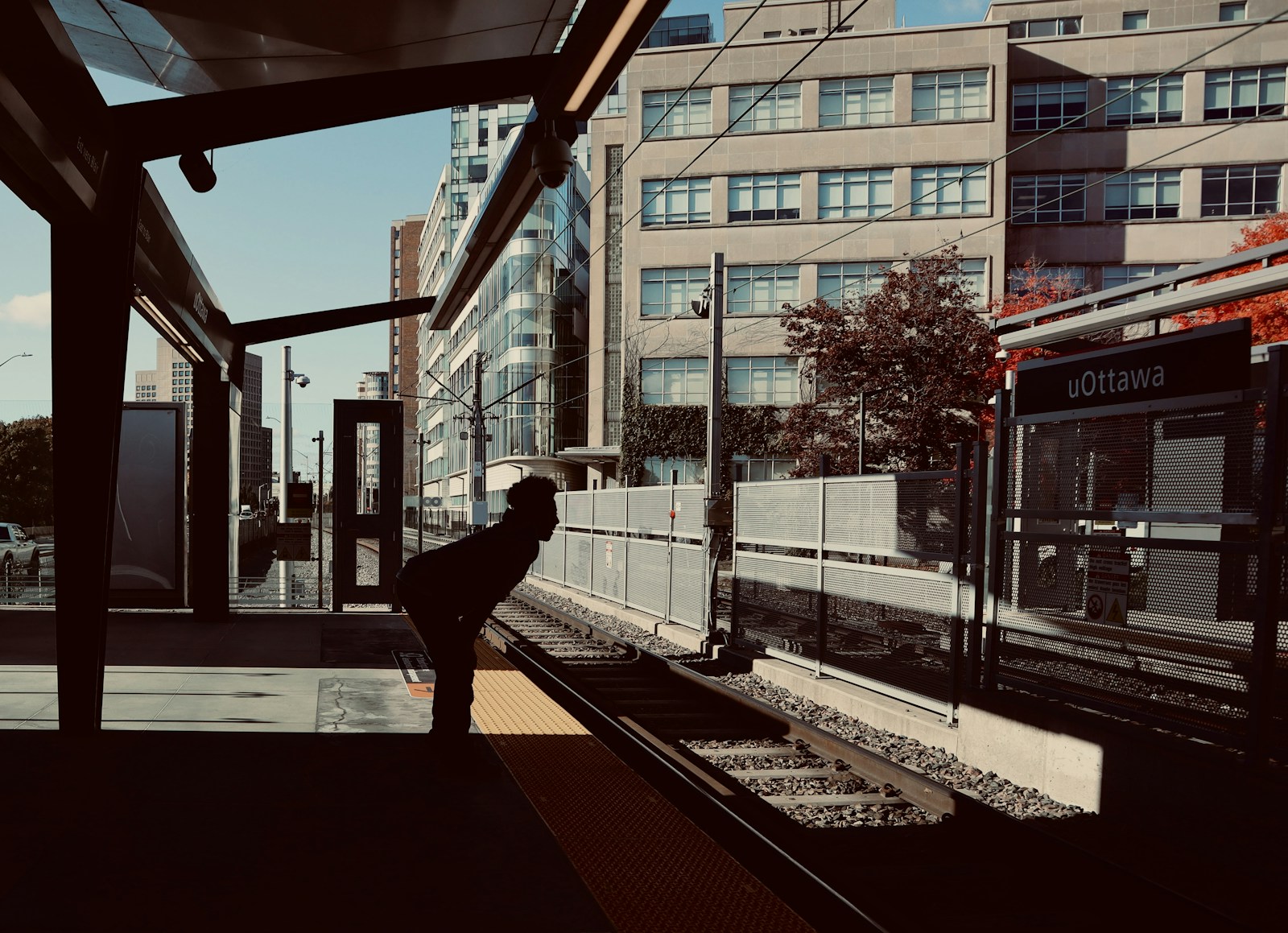
Ottawa has always been known as a government and tech city, but in 2025, it’s also becoming a magnet for newcomers to Canada. With Canada’s federal immigration targets set at historic highs, Ottawa is welcoming more international students, skilled workers, and families than ever before.

This wave of immigration is reshaping the city’s rental market, driving demand in specific neighborhoods, influencing rent prices, and creating new opportunities for landlords and investors. Let’s explore how these changes are unfolding—and what they mean for Ottawa’s housing future.


Why Immigration Is Driving Ottawa’s Rental Demand

Ottawa attracts newcomers for several reasons:

  • Strong employment base – Federal government jobs, expanding tech hubs, and healthcare opportunities.

  • Educational institutions – uOttawa, Carleton University, and Algonquin College bring thousands of international students annually.

  • Cultural diversity – Ottawa is one of Canada’s most bilingual and multicultural cities.

  • Quality of life – Safe neighborhoods, good schools, and a balance of urban and suburban living.

Most immigrants rent first before buying, making them a driving force in the local rental market.


Neighborhoods in Ottawa Most Impacted by Immigration

1. Vanier

  • Why newcomers choose it: Affordable rents compared to central Ottawa, proximity to downtown, and improving reputation.

  • Rental trend: Small apartments and duplexes are in high demand.

2. Centretown & Sandy Hill

  • Why newcomers choose it: Walking distance to jobs, public transit, and cultural amenities.

  • Rental trend: Condos and apartments near the University of Ottawa are filling quickly with international students.

3. Barrhaven & Riverside South

  • Why newcomers choose it: Family-friendly suburbs with schools, shopping, and growing multicultural communities.

  • Rental trend: Townhouses and single-family rentals see strong competition.

4. Orleans

  • Why newcomers choose it: Large bilingual (English-French) population, affordable housing, and suburban lifestyle.

  • Rental trend: Bigger homes suitable for multi-generational living are in demand.

5. Kanata

  • Why newcomers choose it: Tech sector jobs attract skilled workers from abroad.

  • Rental trend: Condos and townhomes near major employers are leasing quickly.


How Immigration Is Changing Ottawa’s Rental Market

  1. Higher Rents – Increased demand means landlords can command higher rents, especially near schools and transit.

  2. More Multi-Generational Living – Many newcomer families rent larger homes to accommodate extended family.

  3. Shift Toward Transit-Friendly Areas – New immigrants often rely on public transit, boosting demand near LRT lines and major bus routes.

  4. Student Rental Growth – International student enrollment is fueling demand in Sandy Hill, Centretown, and Little Italy.

  5. Cultural Amenities Rising – Areas with ethnic grocery stores, places of worship, and community services see faster rental growth.


Opportunities for Ottawa Landlords and Investors

  • Focus on affordability: Well-priced rentals move the fastest.

  • Offer flexible spaces: Homes with finished basements or multiple bedrooms attract larger families.

  • Invest near transit: LRT-connected neighborhoods will remain rental hot spots.

  • Target student housing: Proximity to uOttawa, Carleton, or Algonquin ensures steady demand.

  • Build long-term relationships: Many immigrants rent first, then buy—landlords may gain loyal tenants who eventually become buyers.


Conclusion

Rising immigration is one of the most significant forces shaping Ottawa’s rental market in 2025. As newcomers settle across the city, demand is surging for affordable, family-friendly, and transit-accessible rentals.

For landlords and investors, this presents a clear opportunity: by understanding where and how immigrants are choosing to live, you can position your properties for strong cash flow and long-term success.

Read

The Impact of Ottawa’s New Development Charges on Investors (2025 Edition)

In 2025, Ottawa’s real estate landscape isn’t just being shaped by housing demand and interest rates—it’s also being influenced by development charges. These fees, levied by the city, play a critical role in funding the infrastructure needed for growth, but they also affect the cost of building, buying, and investing in Ottawa properties.

For investors—whether in pre-construction condos, rental projects, or custom builds—understanding Ottawa’s development charges is essential to calculating true ROI. Let’s break down what these charges are, why they’re rising, and what they mean for buyers and investors.


What Are Development Charges?

Development charges (often called DCs) are fees the City of Ottawa collects from builders when they create new residential or commercial properties.

They help fund:

  • Roads and transit expansion

  • Water and sewage infrastructure

  • Parks, recreation, and libraries

  • Emergency services (fire, police, paramedics)

In short, DCs ensure that new growth pays for itself instead of relying solely on taxpayers.


Recent Changes to Development Charges in Ottawa (2025)

Ottawa, like many growing cities, has been raising development charges to keep pace with infrastructure costs.

Key updates for 2025 include:

  • Higher rates for suburban developments (Barrhaven, Orleans, Riverside South) due to new LRT expansions and road projects.

  • Increased charges for high-density builds (downtown condos and infill projects), reflecting demand on city services.

  • Additional fees tied to green building initiatives, pushing developers toward sustainability.

These charges can add tens of thousands of dollars per unit to a project’s cost.


How Development Charges Affect Investors

1. Pre-Construction Condo Buyers

  • Impact: Developers often pass DC costs directly to buyers as part of closing adjustments.

  • Result: Investors may face higher-than-expected final closing costs, sometimes in the $8,000–$20,000 range per unit.

2. Builders and Developers

  • Impact: Rising DCs increase upfront project costs, making land acquisition and construction more expensive.

  • Result: Some projects get delayed, downsized, or canceled, reducing supply and pushing resale values higher.

3. Rental Property Investors

  • Impact: Higher development charges can push up rents as landlords try to recover costs.

  • Result: Ottawa’s tight rental market means many tenants accept higher rents, but affordability concerns may impact turnover.

4. Custom Home Builders

  • Impact: Even individual lot builds are subject to DCs.

  • Result: Costs for a custom build in Ottawa have risen significantly, often by $30K–$50K in fees alone.


Strategies for Ottawa Investors in 2025

  1. Budget for closing adjustments – If buying pre-construction, account for potential DC costs when calculating ROI.

  2. Look for capped clauses – Some developers offer contracts that cap development charge pass-throughs.

  3. Factor DCs into rental income projections – Ensure rents can realistically cover higher ownership costs.

  4. Focus on established neighborhoods – Infill projects in areas like Carlington or Hintonburg may face lower infrastructure-driven DC hikes.

  5. Leverage long-term appreciation – While DCs add to upfront costs, limited housing supply could boost property values over time.


Conclusion

Ottawa’s new development charges in 2025 are reshaping the economics of real estate investment. While they increase short-term costs for buyers and builders, they also ensure that Ottawa grows sustainably—with transit, infrastructure, and services keeping pace.

For investors, the key is understanding these fees upfront, planning for them in your budget, and recognizing that in the long run, Ottawa’s strong fundamentals still make it a competitive and stable market for real estate growth.

Read

Townhouse Living in Ottawa: Why It’s the Middle Ground Between Condo and Detached

For many young families in Ottawa, buying a home in 2025 comes down to balancing budget, space, and lifestyle. Condos are often too small, while detached homes can feel out of reach in today’s market. That’s where townhouses come in—the sweet spot between affordability and functionality.

Townhouses offer the privacy of a house with the lower maintenance of a condo, making them one of the most popular housing options in Ottawa right now. If you’re considering a move, here’s why townhouse living might be the perfect choice.


What Is a Townhouse?

A townhouse is a multi-level home attached to one or two neighboring units. In Ottawa, you’ll find:

  • Condo townhouses – Owners own the unit but share responsibility for exterior maintenance, often with condo fees.

  • Freehold townhouses – Owners are fully responsible for the property, with no condo fees.

Both types are popular with first-time buyers, downsizers, and growing families.


Pros of Townhouse Living in Ottawa

1. Affordability Compared to Detached Homes

Detached homes in Ottawa often start well above $750K, while townhouses typically range between $500K–$650K, making them more accessible for families.

2. More Space Than a Condo

Unlike condos, townhouses usually offer:

  • Multiple bedrooms

  • Private entry

  • A small backyard or patio

  • Basements (finished or unfinished) for storage or play space

3. Family-Friendly Neighborhoods

Most townhouse developments are located in suburban hubs like Barrhaven, Orleans, and Riverside South, areas known for schools, parks, and safe streets.

4. Lower Maintenance

With smaller yards and shared walls, upkeep is less demanding than a detached property. Condo townhouses may even include snow removal and exterior repairs.

5. Strong Resale Demand

Townhouses appeal to a wide buyer pool—first-time buyers, investors, and downsizers—which makes them easier to resell compared to niche properties.


Cons of Townhouse Living in Ottawa

1. Shared Walls

Noise can travel between units, especially in older builds. For families with young children, this can be a consideration.

2. Smaller Yards

While most townhouses have outdoor space, backyards are limited compared to detached homes.

3. Condo Fees (in Some Cases)

Condo townhouses may include monthly fees. While they cover maintenance, they can also add to your housing budget.

4. Parking Limitations

Some developments only include one parking spot. Families with multiple cars may need to plan carefully.

5. Slower Appreciation Than Detached Homes

Detached properties generally grow faster in value over the long term, though townhouses still perform better than condos.


Where to Find Great Townhouses in Ottawa (2025)

  • Barrhaven – Newer developments with family-focused amenities.

  • Orleans – Affordable options with access to the LRT expansion.

  • Kanata – Ideal for tech workers and families wanting schools and parks.

  • Riverside South – Modern townhouses in a fast-growing suburb.

  • Carlington – Older townhouses closer to downtown with good value potential.


Is a Townhouse Right for You?

A townhouse is the ideal middle ground if you:

  • Need more space than a condo but can’t stretch to a detached budget.

  • Want a family-friendly environment without heavy maintenance.

  • Are looking for a property with resale appeal.

For young families, townhouses deliver the right balance of affordability, space, and convenience.


Conclusion

In Ottawa’s 2025 real estate market, townhouse living is the practical solution for families who want room to grow without breaking the bank. With affordable prices, modern layouts, and access to family-focused communities, townhouses continue to be one of the city’s strongest housing options.

Read

Virtual Tours vs. In-Person Showings in Ottawa’s 2025 Market: Which Gets Better Results?

In Ottawa’s ever-evolving real estate market, one of the biggest shifts in how homes are marketed and sold has been the rise of virtual tours. Since the pandemic accelerated the use of digital tools, buyers have grown more comfortable viewing properties online before deciding whether to book an in-person showing.

But in 2025, with both virtual and traditional methods firmly established, sellers and buyers alike are asking: Which one actually works better in Ottawa’s market today?

This article breaks down the pros and cons of virtual tours vs. in-person showings—and why, in most cases, the answer is a smart combination of both.


Why Virtual Tours Have Become Standard in Ottawa

Virtual tours are no longer a luxury add-on—they’re expected. Ottawa buyers want to preview properties online before taking time out of their busy schedules to visit in person.

Benefits of Virtual Tours

  • Wider reach – Great for out-of-town buyers (e.g., from Toronto, Montreal, or internationally).

  • Convenience – Buyers can explore a property anytime, without waiting for an appointment.

  • Fewer “just browsing” showings – Only serious buyers book in-person visits.

  • Transparency – 3D tours and walkthrough videos help buyers spot details photos may not capture.

Limitations of Virtual Tours

  • No real sense of space – Even the best 3D tours can’t fully capture room size or flow.

  • Lacks emotional connection – Buyers often “fall in love” with a home in person, not online.

  • Potential tech gaps – Not every buyer is tech-savvy, and some listings may have poor-quality tours.


Why In-Person Showings Still Matter

Despite digital advances, nothing replaces physically stepping into a home. For many Ottawa buyers, especially first-timers, that moment is essential to making a decision.

Benefits of In-Person Showings

  • Tangible experience – Buyers can feel the layout, lighting, and neighborhood vibe.

  • Spot hidden issues – Smells, noise, or maintenance problems that don’t show up online.

  • Emotional connection – Buyers often imagine their lives in the space during a visit.

  • Stronger offers – Serious interest is typically sparked after an in-person tour.

Limitations of In-Person Showings

  • Time-consuming – Buyers may see several homes in a day, leading to fatigue.

  • Scheduling challenges – Not always flexible for out-of-town or shift workers.

  • More foot traffic – Sellers may find it disruptive, especially with families or pets.


Ottawa Buyer Trends in 2025

  • Hybrid approach is key – Most buyers want to see a virtual tour first and then book an in-person showing for their top picks.

  • Relocation buyers – Professionals moving from Toronto, Vancouver, or abroad often make offers based solely on virtual tours.

  • Local buyers – Ottawa residents typically still want at least one in-person visit before committing.

  • Condo buyers – More likely to buy sight-unseen after a virtual walkthrough, since layouts are standardized.

  • Detached home buyers – Prefer in-person, as yard size, street presence, and neighborhood are harder to judge online.


Which Gets Better Results in Ottawa?

The truth is, both methods work best when combined.

  • Virtual tours attract a larger pool of buyers, increase online engagement, and weed out casual lookers.

  • In-person showings seal the deal by creating confidence and emotional attachment.

Homes in Ottawa that include a professional virtual tour and allow for easy in-person showings consistently sell faster and closer to asking price.


Tips for Sellers in 2025

  1. Invest in professional photography & 3D tours – Poor-quality visuals can hurt your listing more than help.

  2. Highlight key features virtually – Showcase renovated kitchens, spacious basements, or backyard setups.

  3. Stage for both formats – Online staging emphasizes light and angles, while in-person staging creates atmosphere.

  4. Be flexible with showings – Accommodate different buyer types (local and out-of-town).

  5. Work with an agent who embraces tech – A realtor who knows how to market virtually and traditionally gives you the edge.


Conclusion

In Ottawa’s 2025 real estate market, it’s not about choosing between virtual tours vs. in-person showings—it’s about combining them. Virtual tours cast a wide net and bring serious buyers to your door, while in-person showings provide the confidence and emotional spark needed to write an offer.

For sellers, embracing both strategies ensures your home sells faster, for more money, and with less stress.

Read

Ottawa’s Best Starter Homes in 2025: Where First-Time Buyers Should Look

Buying your first home in Ottawa can feel overwhelming, especially in 2025 when affordability, competition, and lifestyle factors are top of mind. For many first-time buyers, the dream is simple: a safe neighborhood, manageable mortgage, and enough space to grow. Luckily, Ottawa still offers several affordable pockets where entry-level buyers can find good value without sacrificing quality of life.

This guide highlights the best neighborhoods in Ottawa for starter homes in 2025, including what to expect in terms of price, amenities, and long-term potential.


Why Ottawa Is Still Great for First-Time Buyers

While housing costs have risen across Canada, Ottawa remains more affordable than cities like Toronto and Vancouver. A few reasons first-time buyers are choosing Ottawa:

  • Stable employment market – Public sector, tech, and healthcare jobs keep the city strong.

  • Steady appreciation – Ottawa homes don’t swing wildly in value, making them lower-risk.

  • Diverse housing stock – From condos and townhomes to small detached houses.

  • Quality of life – Green space, transit, schools, and safety attract young families and professionals.


Best Neighborhoods for Ottawa Starter Homes in 2025

1. Barrhaven

  • Why it’s great: Known as “suburban Ottawa,” Barrhaven offers newer townhouses, stacked condos, and small detached homes.

  • Price point: Townhomes often start in the mid-$500Ks, still competitive for first-time buyers.

  • Lifestyle perks: Family-oriented with schools, parks, and shopping nearby. Great for young couples planning to grow.

2. Orleans (Chapel Hill & Fallingbrook)

  • Why it’s great: East-end affordability with a wide range of starter homes, from townhouses to older detached properties.

  • Price point: Many options under $600K, making it one of the better-value areas.

  • Lifestyle perks: Strong bilingual community, access to the LRT expansion, and lots of green space.

3. Alta Vista (Apartments & Small Homes)

  • Why it’s great: Central location with older condos and smaller bungalows ideal for first-time buyers who want city living.

  • Price point: Condos often available in the $400Ks–$500Ks range.

  • Lifestyle perks: Close to hospitals, schools, and major transit routes—appealing to young professionals.

4. Kanata (Beaverbrook & Katimavik)

  • Why it’s great: A tech hub with many affordable townhomes and older detached houses in mature neighborhoods.

  • Price point: Townhomes around $500K–$600K are still attainable.

  • Lifestyle perks: Walkable neighborhoods, good schools, and close to high-paying tech jobs.

5. Vanier

  • Why it’s great: Long considered underrated, Vanier is transforming with new developments and young families moving in.

  • Price point: Smaller homes and condos can still be found below $500K.

  • Lifestyle perks: Minutes from downtown, growing cultural scene, and potential for long-term value growth.

6. Riverside South

  • Why it’s great: A booming suburb with lots of new construction, perfect for first-time buyers looking for modern layouts.

  • Price point: Newer stacked condos and townhomes in the $450K–$600K range.

  • Lifestyle perks: Planned around the LRT extension, making future commutes easier.

7. Carlington

  • Why it’s great: An up-and-coming area close to downtown, with smaller post-war homes that are ideal starter properties.

  • Price point: Bungalows and semis often in the $550K–$650K range.

  • Lifestyle perks: Good for buyers willing to do light renovations while enjoying city access.


Tips for First-Time Ottawa Buyers in 2025

  1. Get pre-approved early – Rising interest rates make this step essential.

  2. Look at total costs – Don’t just compare purchase prices; factor in condo fees, utilities, and taxes.

  3. Be flexible – If your dream area is out of reach, explore nearby communities with similar amenities.

  4. Consider appreciation – Starter homes in emerging neighborhoods (like Vanier or Carlington) may grow in value faster.

  5. Work with a local agent – Ottawa’s market is neighborhood-specific, and insider knowledge can help you secure a deal.


Conclusion

Buying your first home in Ottawa in 2025 doesn’t have to mean compromising on lifestyle or location. From family-friendly suburbs like Barrhaven and Orleans to up-and-coming inner neighborhoods like Carlington and Vanier, there are still many options for first-time buyers.

The key is to balance affordability with future growth potential, making sure your starter home not only meets your needs today but also supports your long-term financial goals.

Read

Living Along the Ottawa River: Waterfront Communities to Explore

The Ottawa River is one of the city’s most defining natural features, offering breathtaking views, outdoor recreation, and a unique lifestyle. For many buyers, living near the river isn’t just about the scenery—it’s about a lifestyle centered on nature, walkability, and community charm.

From trendy urban pockets to leafy suburban enclaves, several neighborhoods along the Ottawa River are worth exploring if waterfront living is on your wish list. Let’s take a closer look at Westboro, Britannia, Rockcliffe, and Orléans—four riverfront areas with distinct personalities.


Westboro – Trendy Riverside Living

Westboro has transformed into one of Ottawa’s most desirable neighborhoods, and proximity to the Ottawa River is a huge part of its appeal.

  • Lifestyle: Westboro Beach and the Ottawa River Pathway provide endless opportunities for biking, running, and waterside strolls. Cafés, boutiques, and fitness studios create a vibrant, active vibe.

  • Housing Options: A mix of modern condos, renovated century homes, and luxury infill builds. Many properties feature river views, which command premium prices.

  • Best For: Young professionals, families, and downsizers looking for a walkable, upscale community with easy access to both downtown and nature.


Britannia – Relaxed Waterfront Charm

Britannia offers a quieter, more laid-back riverside lifestyle while still being just minutes from the core.

  • Lifestyle: Home to Britannia Beach and Andrew Haydon Park, this area is perfect for families and outdoor enthusiasts. Paddleboarding, kayaking, and community events create a neighborhood feel with a resort-like atmosphere.

  • Housing Options: More affordable than Westboro, with a mix of mid-century homes, townhouses, and some low-rise condos.

  • Best For: Buyers seeking affordability and outdoor living, without sacrificing proximity to the city.


Rockcliffe Park – Ottawa’s Prestigious Waterfront Enclave

Rockcliffe Park is synonymous with prestige and exclusivity, and its riverfront setting enhances that reputation.

  • Lifestyle: Known for its embassies, winding streets, and leafy parks, Rockcliffe offers privacy and sophistication. The Ottawa River pathways here provide stunning views in a serene, estate-like setting.

  • Housing Options: Primarily luxury estates and historic mansions with some of the most expensive real estate in Ottawa.

  • Best For: Diplomats, executives, and those looking for heritage charm, space, and prestige in a tranquil riverfront environment.


Orléans – Suburban River Living

On Ottawa’s east side, Orléans stretches along the Ottawa River, providing families with both space and accessibility.

  • Lifestyle: Petrie Island is a local gem, with sandy beaches and nature trails. The river views here combine with a strong Francophone community and excellent schools, making it family-friendly.

  • Housing Options: A wide variety of affordable detached homes, newer subdivisions, and condos, many within reach of the river.

  • Best For: Families and first-time buyers looking for space, affordability, and nature access, without giving up suburban conveniences.


Why Choose a Riverfront Community in Ottawa?

Living along the Ottawa River comes with perks that go beyond views:

  • Recreation: Access to beaches, trails, and water sports.

  • Community: Vibrant neighborhoods with strong local identities.

  • Lifestyle Balance: The tranquility of nature combined with proximity to the city.

  • Resale Value: Riverfront and near-river properties often hold long-term value due to high demand.


Conclusion

Whether you’re drawn to Westboro’s trendy energy, Britannia’s relaxed charm, Rockcliffe’s exclusivity, or Orléans’ suburban affordability, the Ottawa River offers something for every buyer. Choosing a riverfront community means more than buying a home—you’re investing in a lifestyle built around scenic beauty, outdoor activity, and timeless appeal.

For many Ottawa buyers, the river isn’t just a backdrop—it’s the heart of their daily lives.

Read

Ottawa’s French-Friendly Neighborhoods for Bilingual Families

Ottawa is proudly bilingual, and many families moving here—whether from Quebec, elsewhere in Canada, or abroad—want a neighborhood that supports both English and French lifestyles. From strong French-language schools to Francophone community services and family-friendly housing options, Ottawa has several areas that make settling in seamless for bilingual families.

If you’re searching for the right neighborhood, here’s a guide to the top French-friendly areas in Ottawa for 2025.


Why Bilingual Families Choose Ottawa

Before diving into specific neighborhoods, it’s worth highlighting why Ottawa is such a strong choice for bilingual households:

  • French and English School Boards – Families can access Catholic or public education in either language.

  • Francophone Community Services – Healthcare, childcare, and cultural programs available in French.

  • Cultural Diversity – Ottawa’s bilingual character makes it easier for children to grow up fluent in both languages.

  • Career Opportunities – Many federal and provincial jobs require or strongly prefer bilingual skills.


Top French-Friendly Neighborhoods in Ottawa

1. Orléans – The Francophone Hub of Ottawa

  • Schools & Services: Orléans is home to a high concentration of French Catholic and French public schools, as well as community centers offering French programs.

  • Community Feel: Many families here speak French at home, making it easy for bilingual kids to feel included.

  • Housing Options: A wide range of affordable single-family homes, townhouses, and newer builds, with prices often lower than central Ottawa.

  • Why Families Love It: Safe, suburban, and full of French services, Orléans remains Ottawa’s go-to community for Francophone families.


2. Vanier – Urban Living with Francophone Roots

  • Schools & Services: Historically Ottawa’s Francophone heart, Vanier still offers French schools, daycares, and services.

  • Community Feel: Strong cultural heritage, with events and organizations that celebrate French language and traditions.

  • Housing Options: More affordable urban homes compared to nearby Sandy Hill or Lowertown, plus some newer condos and rentals.

  • Why Families Love It: Close to downtown, vibrant cultural scene, and an authentic Francophone spirit.


3. Barrhaven – Growing Suburb with Bilingual Appeal

  • Schools & Services: Barrhaven has seen major growth in French-language schools and childcare as the population expands.

  • Community Feel: A diverse, family-oriented suburb where French and English households blend seamlessly.

  • Housing Options: Spacious single-family homes, townhouses, and some condos, making it attractive for growing families.

  • Why Families Love It: Newer homes, parks, and modern amenities, all while offering bilingual education choices.


4. Rockland (East of Ottawa) – Affordable and Francophone-Friendly

  • Schools & Services: Though outside Ottawa proper, Rockland has a large Francophone population and excellent access to French-language education.

  • Community Feel: Strong small-town vibe with French widely spoken in daily life.

  • Housing Options: More affordable detached homes and townhouses compared to central Ottawa.

  • Why Families Love It: A great balance of affordability, space, and French cultural presence.


5. Lowertown / Sandy Hill – Central Ottawa with Bilingual Access

  • Schools & Services: Proximity to downtown means quick access to both French and English schools, as well as bilingual daycare centers.

  • Community Feel: A diverse, multicultural mix of professionals, families, and students, with many bilingual households.

  • Housing Options: Mix of heritage homes, townhouses, and condos, appealing to professionals with families.

  • Why Families Love It: Walkable, close to Parliament Hill and University of Ottawa, and rich in bilingual culture.


Factors Bilingual Families Should Consider

When choosing a neighborhood, bilingual families often weigh these factors:

  • Proximity to French Schools – Both French Catholic and French public options matter depending on preference.

  • Community Services – Look for areas with bilingual healthcare clinics, daycares, and community programs.

  • Housing Affordability – Suburbs like Orléans and Barrhaven provide more space, while Vanier and Sandy Hill offer central access.

  • Cultural Environment – Living in areas with active Francophone communities helps children maintain fluency.


Conclusion

For bilingual families, Ottawa offers a rare advantage: a city where both French and English thrive side by side. Whether you’re drawn to the Francophone stronghold of Orléans, the heritage charm of Vanier, or the suburban growth of Barrhaven, you’ll find communities that support your family’s cultural and linguistic needs.

Choosing the right French-friendly neighborhood isn’t just about buying a home—it’s about giving your children the chance to grow up in a community that embraces their bilingual identity.

Read

Buying a Home Near Ottawa’s Hospitals: Civic, CHEO, and General Campus Hot Spots

Ottawa’s healthcare sector is one of the city’s largest employers, drawing professionals from across Canada and abroad. For doctors, nurses, researchers, and support staff, living close to Ottawa’s major hospitals—The Ottawa Hospital Civic Campus, CHEO (Children’s Hospital of Eastern Ontario), and The General Campus—offers huge lifestyle benefits. Shorter commutes, access to top-tier medical facilities, and vibrant surrounding neighborhoods make these areas some of the city’s most in-demand housing markets.

If you’re a healthcare worker relocating to Ottawa, here’s a breakdown of the best communities around each major hospital.


Living Near The Ottawa Hospital – Civic Campus (Carling Ave.)

The Civic Campus is undergoing a major redevelopment, set to transform it into one of Canada’s largest and most modern hospitals. This has made nearby neighborhoods extremely attractive for buyers looking to invest in both lifestyle and long-term value.

Top Neighborhoods Near the Civic Campus

  • Civic Hospital / Carlington – A mix of charming detached homes and bungalows. The Civic Hospital neighborhood, in particular, is highly sought-after for its proximity, tree-lined streets, and prestige.

  • Hintonburg – Trendy and walkable, full of cafés, craft breweries, and character homes. Perfect for young professionals.

  • Little Italy – A cultural hotspot with new condos, townhomes, and great dining along Preston Street.

  • Westboro (a bit further west) – Higher price point but offers river access, shops, and a great lifestyle.

Price Snapshot (2025): Expect to pay $750K–$1.2M for detached homes in Civic Hospital, while Hintonburg and Little Italy offer a mix of $500K–$800K condos and townhouses.


Living Near CHEO (Children’s Hospital of Eastern Ontario)

CHEO sits in Alta Vista, alongside the Ottawa General and Rehabilitation campuses. Families relocating here often want larger homes with backyards and excellent schools nearby.

Top Neighborhoods Near CHEO

  • Alta Vista – Established, leafy community with large lots and a strong family-friendly feel. Many homes are mid-century bungalows and two-storey houses.

  • Riverview Park – A quieter residential area with easy access to the hospital. Popular with doctors and staff who want to walk or bike to work.

  • Billings Bridge / Heron Gate (nearby condos and townhouses) – More affordable options for younger professionals.

Price Snapshot (2025): Alta Vista detached homes generally range $750K–$1.3M, while Riverview Park and Billings Bridge offer $450K–$700K townhouses and condos.


Living Near The Ottawa Hospital – General Campus

Located right beside CHEO in Alta Vista, the General Campus is one of Ottawa’s busiest hospitals, specializing in trauma, cancer care, and surgery. Many healthcare workers living nearby choose the same communities as those who work at CHEO.

Top Neighborhoods Near the General Campus

  • Alta Vista (again, closest option) – Premium choice for families who want proximity and community feel.

  • Elmvale Acres – Affordable bungalows and semi-detached homes, still within a quick drive to the hospital.

  • Overbrook (just across the Rideau River) – More urban and diverse, with a mix of older homes and newer infill properties.

Price Snapshot (2025): Detached homes in Elmvale Acres average $600K–$800K, while Overbrook offers a mix of $500K–$900K homes and modern infills.


Why Healthcare Workers Choose to Live Near Ottawa’s Hospitals

  • Shorter Commutes – Shift work can mean odd hours; living close reduces stress.

  • Strong Resale Value – Homes near hospitals hold value well thanks to constant demand from staff, students, and medical professionals.

  • Family-Friendly Amenities – Excellent schools, parks, and community centers are common near these neighborhoods.

  • Future Growth – The Civic Campus redevelopment is expected to drive property values up significantly.


Tips for Buying Near Ottawa Hospitals

  1. Act Quickly – Inventory is limited, and homes in these areas often sell fast.

  2. Consider Condos – For younger professionals, condo living in Little Italy or Hintonburg offers lifestyle and convenience.

  3. Plan for the Future – Even if you move hospitals later, these areas remain attractive for resale or renting.

  4. Check Commute Times – If budget pushes you further out, make sure transit or LRT access works with your schedule.


Conclusion

For healthcare workers relocating to Ottawa, buying a home near The Civic Campus, CHEO, or The General Campus offers unmatched convenience, lifestyle perks, and solid long-term investment potential. Whether you want the urban vibe of Hintonburg, the family comfort of Alta Vista, or the cultural energy of Little Italy, Ottawa’s hospital-adjacent neighborhoods give you plenty of options to fit your lifestyle and career.


Read

Ottawa’s Hidden Gems: Underrated Neighborhoods Buyers Shouldn’t Overlook

When buyers think of Ottawa real estate, names like The Glebe, Westboro, and Rockcliffe Park often come to mind. But while those areas shine in the spotlight, several underrated neighborhoods are quietly gaining traction—offering affordability, character, and long-term growth potential.

For buyers willing to look beyond the usual suspects, these hidden gems may just deliver the best balance of value and lifestyle in 2025.


1. Mechanicsville – Urban Edge Meets Affordability

Nestled near Hintonburg and just steps from the Ottawa River, Mechanicsville has long been overlooked. But with the LRT expansion nearby, this compact neighborhood is transforming.

  • Why It’s a Hidden Gem: Walkability, proximity to Tunney’s Pasture, and affordable row homes compared to pricier Westboro next door.

  • Who It Appeals To: Young professionals, first-time buyers, and investors looking for urban upside.


2. Parkwood Hills – A Suburban Community with City Access

Located in the city’s south end, Parkwood Hills has flown under the radar for years. With mid-century bungalows, townhouses, and mature tree-lined streets, it offers a family-friendly environment without the premium price tag.

  • Why It’s a Hidden Gem: Excellent transit connections, access to schools, and lower housing prices than neighboring Nepean communities.

  • Who It Appeals To: Growing families seeking space and affordability.


3. Overbrook – Central Location on the Rise

Just across the Rideau River from Sandy Hill, Overbrook is one of Ottawa’s most undervalued central neighborhoods. Once overlooked due to its rougher reputation, new developments and improved amenities are pushing it forward.

  • Why It’s a Hidden Gem: Central location, larger lots, and easy downtown access via the 417 and LRT.

  • Who It Appeals To: Buyers priced out of downtown who still want urban proximity.


4. Carlington – The Next Urban Hotspot?

Tucked between the Civic Hospital area and Central Park, Carlington has been steadily gaining buzz. With its mix of post-war homes, green space, and proximity to the experimental farm, it’s emerging as an affordable urban option.

  • Why It’s a Hidden Gem: Lower entry prices than neighboring Civic Hospital or Westboro.

  • Who It Appeals To: Young families and professionals looking for character homes with room to grow.


5. Beacon Hill – East-End Value with Strong Amenities

In the city’s east end, Beacon Hill is a well-kept secret. With large homes, good schools, and quick access to the 174, it provides suburban comfort at a fraction of west-end costs.

  • Why It’s a Hidden Gem: Great schools, proximity to NRC and CSIS headquarters, and affordability compared to Kanata or Barrhaven.

  • Who It Appeals To: Families and professionals working in east Ottawa.


6. Britannia Village – Waterfront Charm Without the Price Tag

Situated along the Ottawa River, Britannia Village is one of the few affordable waterfront communities left in the city. Known for its beach, parks, and trails, it’s perfect for those who want outdoor living without leaving the city.

  • Why It’s a Hidden Gem: River views, access to bike trails, and a laid-back community vibe.

  • Who It Appeals To: Nature lovers, downsizers, and buyers seeking tranquility close to the core.


7. Vanier – From Undervalued to Up-and-Coming

For years, Vanier had a rough reputation. But as downtown prices soar, buyers are increasingly drawn to its mix of older homes, duplexes, and new infill projects. Its cultural diversity and proximity to downtown make it a hot spot for future growth.

  • Why It’s a Hidden Gem: Affordable entry point just minutes from downtown.

  • Who It Appeals To: First-time buyers, investors, and newcomers.


Final Thoughts: Why Hidden Gems Matter in 2025

Ottawa’s most popular neighborhoods often come with premium price tags, but buyers willing to explore hidden gems like Carlington, Overbrook, or Parkwood Hills may discover homes with more space, character, and long-term value.

As Ottawa continues to grow, these underrated communities are poised for steady appreciation, making them smart picks for both buyers and investors in 2025.

Read

Multi-Generational Living in Ottawa: Is It the Future of Family Housing?

As housing prices rise and families look for smarter living solutions, multi-generational living is becoming an increasingly popular choice in Ottawa. Once seen mainly in cultural communities, this lifestyle is now catching on across the city as buyers look for affordability, support, and stronger family connections.

So, is multi-generational living the future of family housing in Ottawa? Let’s dive into the trends, benefits, challenges, and strategies for making it work.


1. What Is Multi-Generational Living?

Multi-generational living means having two or more generations under one roof. In Ottawa, this often includes:

  • Parents, their adult children, and grandchildren.

  • Aging parents moving in with their adult kids.

  • Extended family (like siblings or cousins) sharing space.

Homes might be traditional single-family houses with shared common areas, or specially designed properties with secondary suites, basement apartments, or in-law units.


2. Why Multi-Generational Homes Are Growing in Ottawa (2025 Trends)

Several factors are fueling this trend:

  • High Housing Prices – With Ottawa’s average home prices staying high, pooling resources makes buying more achievable.

  • Rising Rent Costs – Families who might rent separately are finding it’s cheaper to buy together.

  • Cultural Preferences – Many newcomer communities already favor living with extended family.

  • Aging Population – With more seniors looking to downsize or needing support, families prefer keeping loved ones close rather than moving them into retirement residences.

👉 Trend Snapshot: According to housing demand reports, multi-generational households are one of the fastest-growing living arrangements in Ontario.


3. The Benefits of Multi-Generational Living

Financial Benefits

  • Shared mortgage and utility costs reduce the burden on each household.

  • Easier to qualify for a larger mortgage with combined incomes.

  • Lower childcare or eldercare costs when family supports each other.

Lifestyle Benefits

  • Built-in childcare from grandparents.

  • Elderly parents get daily support without moving into care facilities.

  • Stronger family bonds with daily interaction.

Real Estate Benefits

  • Multi-generational homes often hold long-term value due to rising demand.

  • Properties with income suites can also generate rental income if family size changes.


4. The Challenges to Consider

Of course, living with multiple generations under one roof comes with its challenges:

  • Privacy Concerns – Families may struggle with shared kitchens, bathrooms, or living rooms.

  • Lifestyle Differences – Conflicts may arise from different routines or habits.

  • Space Needs – Families require larger properties, which may be harder to find in central Ottawa.

  • Legal & Zoning Rules – Adding a secondary dwelling unit or converting space may require city permits.


5. Real Estate Strategies for Multi-Generational Buyers in Ottawa

If you’re considering this lifestyle, here are smart real estate moves:

Look for Homes with Separate Entrances

Properties with walk-out basements or secondary entrances make it easier to create private living spaces.

Focus on Layout

Look for homes with multiple kitchens or enough space to add one, larger bedrooms, and flexible living areas.

Check Zoning for Secondary Units

Ottawa’s zoning bylaws now allow secondary dwelling units (like basement suites or garden suites) in most neighborhoods, which supports multi-generational setups.

Consider Suburban Options

Neighborhoods like Barrhaven, Orléans, and Riverside South often have larger homes with layouts better suited for multi-generational living compared to older, smaller urban houses.

Think Long-Term Value

Homes that can adapt to different living arrangements—whether family living or rental income—tend to appreciate well.


6. Is Multi-Generational Living the Future of Ottawa Housing?

Given housing affordability challenges, aging demographics, and cultural trends, it’s safe to say multi-generational living is here to stay—and will likely grow in popularity.

In fact, Ottawa developers are starting to design homes with in-law suites, basement apartments, and flexible layouts to meet this demand. For many families, the benefits outweigh the challenges, making this model not just a temporary solution but a long-term lifestyle shift.


Final Thoughts

Multi-generational living in Ottawa offers financial relief, lifestyle convenience, and strong family connections—all in a housing market where affordability is top of mind. While it requires careful planning and the right property, it could very well be the future of family housing in Ottawa.

If you’re considering this path, look for homes with adaptable layouts, check zoning regulations, and work with a real estate professional who understands the unique needs of multi-generational buyers.

Read

From Offer to Keys: How Long Does It Really Take to Buy in Ottawa?

For many first-time buyers in Ottawa, one of the most nerve-wracking questions is: “How long will this process actually take?” The journey from making an offer to holding your new house keys is exciting—but it can also feel overwhelming if you don’t know what to expect.

While timelines can vary depending on the property, financing, and conditions, most buyers in Ottawa can expect the process to take 30 to 90 days after their offer is accepted. Let’s break it down step by step so you know what happens along the way.


1. The Offer Stage (1–3 Days)

Once you’ve found the home you love, your real estate agent helps draft an offer. Here’s what happens:

  • Offer Submitted – This outlines your price, closing date, and any conditions (like financing or inspection).

  • Negotiation – The seller may accept, reject, or counter your offer.

  • Acceptance – Once both parties agree, the offer becomes a legally binding Agreement of Purchase and Sale.

👉 Timeline Tip: In Ottawa’s competitive market, offers often move quickly. Sometimes homes sell within hours, especially in hot neighborhoods.


2. Conditional Period (5–10 Days)

Most offers in Ottawa include a conditional period. This gives you time to confirm key details before finalizing the purchase. Common conditions include:

  • Financing Approval – Even if pre-approved, lenders want to confirm the property fits their requirements.

  • Home Inspection – A professional checks for structural or maintenance issues.

  • Status Certificate (for condos) – Outlines financial health of the condo corporation.

👉 Timeline Tip: Most conditions are cleared within a week, but unexpected inspection issues or financing delays can extend this phase.


3. Firm Sale to Closing Day (30–60 Days)

Once all conditions are satisfied, your offer becomes firm, and now it’s a countdown to closing. During this period:

  • Your lawyer reviews the property title to ensure no liens or legal complications.

  • The bank finalizes your mortgage documents and prepares funds for closing.

  • You arrange home insurance (required before closing).

  • Final walkthrough happens a day or two before closing to confirm the home’s condition hasn’t changed.

👉 Timeline Tip: Closing dates are negotiable, but in Ottawa, 30–60 days is most common. For vacant homes, closing might be quicker. For seller-occupied homes, sellers may request more time.


4. Closing Day (1 Day)

This is the big day! On closing:

  • Your lawyer transfers the money to the seller’s lawyer.

  • The property title is officially transferred into your name.

  • You pick up your keys—usually by late afternoon.

👉 Timeline Tip: Closings typically happen during business hours. If you’re planning movers, schedule them for later in the day or the following morning.


5. Factors That Can Speed Up or Delay the Process

Not every Ottawa purchase follows the exact same timeline. Here’s what might impact it:

Faster Closing (2–3 weeks possible if):

  • You’re paying cash.

  • The property is vacant.

  • No complex conditions are attached.

Delays May Happen If:

  • Financing approval takes longer than expected.

  • Title or legal issues need resolution.

  • Seller requests a longer closing to align with their move.


6. Average Ottawa Buyer Timeline (2025 Snapshot)

StageTypical Duration
Offer & Negotiation1–3 Days
Conditional Period5–10 Days
Firm Sale to Closing Day30–60 Days
Closing Day1 Day
Total Timeline30–90 Days

Final Thoughts

For most buyers in Ottawa, the process from offer to keys takes about 1–3 months. While that might feel like forever when you’re eager to move in, remember: this time ensures financing, inspections, and legal work are done properly to protect your investment.

If you’re house hunting in 2025, knowing the step-by-step timeline can help calm nerves, set realistic expectations, and keep your move as smooth as possible.


Read

Airbnb Rules in Ottawa: Can Short-Term Rentals Still Make You Money in 2025?

Short-term rentals like Airbnb and Vrbo have exploded in popularity over the past decade, offering property owners the chance to earn higher-than-average income from furnished stays. But in Ottawa, strict rules and licensing requirements have reshaped what’s possible for hosts in 2025.

If you’re thinking of starting (or continuing) a short-term rental in Ottawa, it’s crucial to understand the current regulations, earning potential, and risks before jumping in. Here’s what you need to know.


1. Ottawa’s Short-Term Rental Rules in 2025

The City of Ottawa introduced regulations in 2021 that continue to impact hosts today:

  • Principal Residence Only: You can only rent out your primary home or part of it (e.g., a spare room, basement apartment). Investment properties and second homes are not eligible for short-term rental licensing.

  • Host Permit Required: Every host must apply for a short-term rental permit from the city, which must be renewed annually.

  • Platform Registration: Airbnb, Vrbo, and other platforms are required to only list properties with valid host permit numbers.

  • Insurance & Safety Requirements: Hosts must have proper liability insurance and meet safety standards (working smoke detectors, emergency exits, etc.).

  • Fines for Non-Compliance: Operating without a permit can lead to significant fines, sometimes in the thousands.

💡 Key takeaway: If you don’t live in the property full-time, you can’t legally run it as an Airbnb in Ottawa.


2. How This Impacts Investors

For investors, these rules have closed the door on most short-term rental strategies. Buying a condo or house solely for Airbnb use is no longer allowed. Instead, investors are shifting to:

  • Long-term rentals (12+ months) for stable income.

  • Medium-term rentals (30+ days) targeting relocating professionals, government workers, or students.

  • House-hacking strategies where owners live in one unit and short-term rent another (e.g., basement suites).

This makes Ottawa less attractive for “Airbnb-only” investors but still viable for owners looking to supplement income from their principal residence.


3. ROI: Can You Still Make Money with Airbnb in Ottawa?

The answer: Yes, but only under the right conditions.

Factors that boost profitability:

  • Location matters: Downtown condos near Parliament Hill, ByWard Market, and Lansdowne attract the most guests.

  • Tourism & government demand: Events, conferences, and seasonal travel still drive strong booking potential.

  • Longer stays: Medium-term rentals (30–90 days) often bring in higher occupancy and less turnover stress than nightly rentals.

On average, a permitted host renting a private room or basement suite might make $1,200–$2,500/month, depending on seasonality. A fully licensed downtown condo could earn more—but only if it’s your principal residence.


4. Risks to Consider Before Jumping In

Running an Airbnb in Ottawa isn’t without challenges:

  • Stricter enforcement: The city actively monitors platforms to ensure compliance. Illegal listings risk fines and removal.

  • HOA/Condo Board Restrictions: Many Ottawa condo boards have banned short-term rentals entirely.

  • Seasonal Demand: Winter months see lower tourism activity, meaning inconsistent income compared to long-term rentals.

  • High Competition: With limited legal supply, top listings get booked—but newcomers may struggle to stand out.


5. Alternatives for Investors

If your goal is strong ROI but Airbnb doesn’t fit, consider:

  • Student rentals near uOttawa or Carleton.

  • Government relocation housing (medium-term leases, often fully furnished).

  • Traditional buy-and-hold real estate in growing neighborhoods benefiting from the new LRT extensions.

These strategies provide consistent cash flow without regulatory headaches.


Final Thoughts: Is Airbnb Still Worth It in Ottawa?

For most investors, the answer is no—at least not in the traditional “buy a condo and run it as a hotel” model. Ottawa’s 2025 rules make Airbnb more of a side-income opportunity for homeowners rather than a core investment strategy.

That said, if you live in a desirable neighborhood, have a finished basement, or travel frequently, Airbnb can still be a smart way to offset mortgage costs. Just be sure to get your permit, follow the rules, and run the numbers carefully.


Read
Categories:   $500k | $600k | $700k | $800k | 2026 | Activities | Advice | Affordable | AirBnB | Algonquin College | All Four Seasons | Alta Vista | Another Province | Apartment | Arnprior Real Estate | Autumn | Available Programs | AYCE | Bakery | Bank of Canada Rate Announcement | Barrhaven | Barrhaven Downtown, Barrhaven - Strandherd Real Estate | Barrhaven East | Barrhaven West | Bayshore | Beacon Hill South | Beechwood Village | Best | Best Cities To Live | Best Coffee Shops in Ottawa | Best Local | Best Neighbourhoods | Best Study Spots | Best Taco Spots | Bidding Wars | Bilingual | Boom City | Booming | Boring | Boundary Expansion | Britannia Village | BRRRR Strategy | Bucket List | Budgeting | Build-to-Rent | Building | Bungalow | Buying | Byward Market | Byward Market, Lower Town Real Estate | Byward Market/Lower Town, Sandy Hill Real Estate | Calgary | Cap Rates | Car-Free | Carleton Place | Carleton University | Carlington | Carlsbad Springs | Carp | Central 1 | Centretown | Centretown West | Centretown, Ottawa Centre Real Estate | Chapel Hill | CHEO | Childcare | Chinatown | Christmas | Civc Hospital | Civic Hospital | Climate Goals | Closing Costs | Coffee Shop | Communities | Commuting | Compared | Condo Fees | Condos | Convent Glen and Area, Orleans Real Estate | Cost of Living | Cottage | Country | Credit Score | Date Night | Decoration | Detached Home | Divorce | Dog Friendly | Dow's Lake | Dow's Lake/Little Italy, Dow's Lake/Little Italy Real Estate | Dow's Lake/Little Italy, West Centre Town Real Estate | Dow's Lake/Little Italy/Civic Hospital and Area, West Centre Town Real Estate | Down Payment | Downsizing | Downtown | Dows Lake - Civic Hospital and Area (4502 - West Centre Town) Real Estate | Dows Lake/Little Italy, West Centre Town Real Estate | Duplex | East End | Eco-Friendly | Embrun | Expensive | Fall | Family | Family Friendly | Farmer's Market | Fastest Growing Neighbourhoods | Final Walkthrough | Finance | Findlay Creek | Findlay Creek, Leitrim Real Estate | First-Time Buyer | Fitness Studio | Fixer-Upper | Flipping Homes | Food | For Sale | Foreclosure | Freehold | French-Friendly | Friends | Fun | Future | Gatineau | Glebe | Gloucester Glen | Golden Triangle | Good | Gotham | Government Worker | Greely | Growing | Guide | Gym | Half Moon Bay | Half Moon Bay - Strandherd, Barrhaven Real Estate | Heat Pump | Hidden Gems | Hintonburg | Historic | Holiday Spirit | Holidays | Home Business | Home Inspection | Home Office | Home Staging | Homes | Homes on the Canal | Housing Correction | How Much Income Is Needed? | Hunt Club | Hurdman | Immigrants | Immigration | In-Person Showings | Income Needed | Infrastructure | Instagram | Interest Rates | International Student | Investing | Investment Property | Kanata | Kemptville | Land Transfer Tax (LTT) | Land Values | Landlords | Lawyer | Layout | Lease | Lebreton Flats | Legal Checklist | Life in Ottawa | Lifestyle | Little Italy | Living Along | Living Comfortable | Living Costs | Living In | Living in Ottawa | Local | Lowertown | Lowertown/Byward Market, Lowertown/Byward Market Real Estate | LRT | Luxury Homes | Luxury Living | Manotick | Market Advice | Mechanicsville | Mistakes | Mixed-Use | Montreal | Mortgage | Most | Most Overated | Move | Move-In Ready | Moving | Moving From | Moving To | Multi-Family | Multi-Generational | Munster - Richmond, Stittsville Real Estate | Nature | Negotiation | Neighborhoods | Neighbourhoods | New Canadian | New Construction | New Edinburgh | New Immigrant | New Resident | New-Builds | Newcomer | Next 5 Years | Night Life | North Gower | O-Train | Old Ottawa East | Old Ottawa South | Old Ottawa West | Oldest | Open House | Orleans | Orleans South | Ottawa | Ottawa Centre, Centretown Real Estate | Ottawa East/Greystone Village, Ottawa East/Greystone Village Real Estate | Ottawa Population | Ottawa Real Estate | Ottawa River | Overbrook | Parents | Parking | Parks | Parkwood Hills | Peaceful | Pet-Friendly | Photography | Places | Pre-Approval | Pre-Construction | Pre-List | Price Your Home | Professionals | Property Tax | Pros & Cons | Queensway Terrace | Questions | Quiet | Raising Kids | Real Estate Broker | Red Flags | Regret | Relocation | Remote Workers | Renovation | Rental | Renting | Resale | Restaurant | Retirement | Rideau | Rideau Canal | Rinks | Riverside South | Rockcliffe | Rockland | Rowhomes | Rural | Russell | Safe | Sandy Hill | Sandy Hill, Lower Town Real Estate | Savings | Schools | Seasons | Secret | Selling | Shawarma | Shopping Mall | Single Home | Skating | Smart Home | SOBA | Somerset | South Keys | Southvale | Spring | Stay | Still Worth It? | Stittsville | Stress-Test | Student Housing | Student Rentals | Students | Suburb | Summer | Summer Hone | Sunsets | Surprise | Sushi | Tenants | The Bowery | Things To Do | Tips | To-Do | Toronto | Touring | Townhomes | Townhouse | Transit | Trends | Tribeca | Tunney's Pasture | University | University of Ottawa | Upgrades | Urban Living | Vacation Rental | Valentines Day | Vancouver | Vanier | Vars | Viewing | Virtual Tours | Vs. | Walkable | Walks | Wealth | Weekend Getaways | West End | Westboro | WFA | WFH | What does it get you? | What to know | Where Do Students Live? | Where is Ottawa Building? | Wing Deals | Wing Night | Winter | Work From Home | Workforce Adjustment | Would You Live Here? | Zoning
The trademarks REALTOR®, REALTORS®, and the REALTOR® logo are controlled by The Canadian Real Estate Association (CREA) and identify real estate professionals who are member’s of CREA. The trademarks MLS®, Multiple Listing Service® and the associated logos are owned by CREA and identify the quality of services provided by real estate professionals who are members of CREA. Used under license.